Đọc phiên bản tiếng Việt tại đây.
Greetings, Mr Ly Hoang Long. You are primarily known for your own photographic practice. How has taking on the additional role of curator for “A Journey of Four Bays” changed the way you think about photography?
Since 2000, I have regularly taken part in exhibitions at photography festivals in France. From a participant’s perspective, things were much simpler: you filled in an application form, submitted two or three series of photographs and… waited for the result. Afterwards, you followed the exhibition through the organisers’ website.
With “A Journey of Four Bays”, I was both a participating photographer and the curator, which meant constantly shifting between two positions: the subjective and the objective. I was producing images for the project myself, while at the same time having to consider and select works by the other photographers in order to create a harmonious overall composition. With a project of this scale, it is not simply a matter of producing photographs around a given theme. You need an overview of the whole project so that the images can be distributed coherently, while allowing each photographer to retain their individual style and ensuring that, when brought together, the works gain greater visual impact and form a compelling narrative. It was certainly more challenging, but also much more interesting.
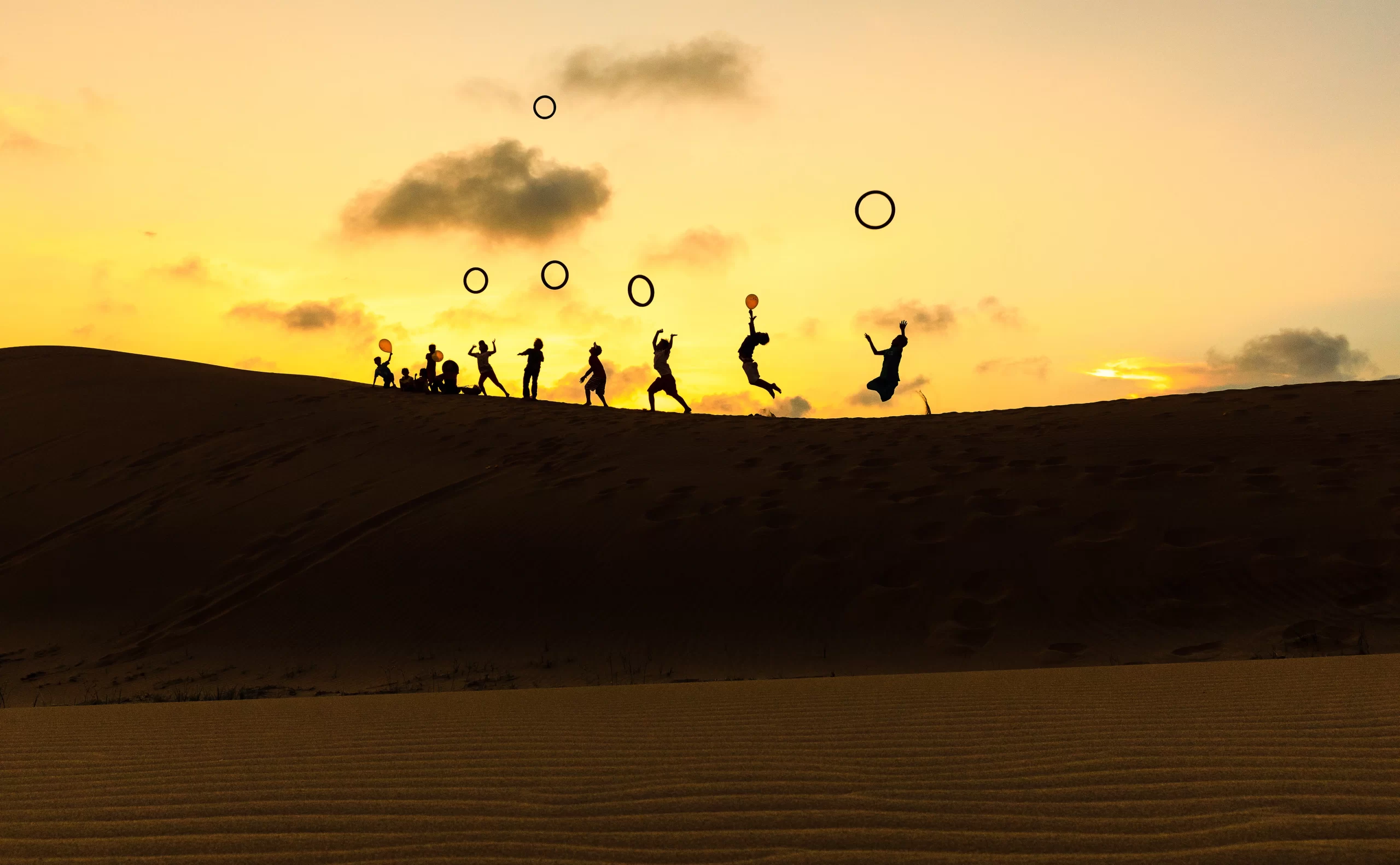
With a coastline stretching nearly 390 kilometres, from the former Ninh Thuan area to Vung Ro, what approach did the team take to ensure that “A Journey of Four Bays” could tell a coherent visual story of Khanh Hoa?
Given the sheer scale of the area, we adopted a very flexible approach, allowing each photographer to choose their own location to work in during the period from 1 to 10 July. Giving the photographers the freedom to choose and register their own locations and schedules created an interestingly open framework. It made the process more comfortable in some respects, but it also placed considerable pressure on them. When the organisers and local authorities were doing everything possible to facilitate the work, each photographer felt they had to give it their all, even on days when the weather was far from favourable.
From Vinh Hy and Cam Ranh to Nha Trang and Van Phong, each bay had a photographer who stayed with it, following it closely in search of the right moments. What emerged from that process is, in itself, the story of “A Journey of Four Bays”. Almost as soon as we set off, we were hit by a tropical depression that lasted for four days. Messages flooded into the group chat more frequently than ever – partly because no one was rushing around taking photographs – but almost every message was about the same thing: the weather forecast. I was staying in a charming wooden homestay beside the forest and began a long stretch of waiting. By the second day, the entire host family was looking up at the sky with me, just as excited whenever the clouds began to clear. Somehow, without quite realising it, I had gone from being a guest to becoming part of the family.
The project brings together photographers whose practices are markedly different, ranging from drone photography to underwater photography. How did you balance each photographer’s individual signature with the need to construct a shared image of Khanh Hoa?
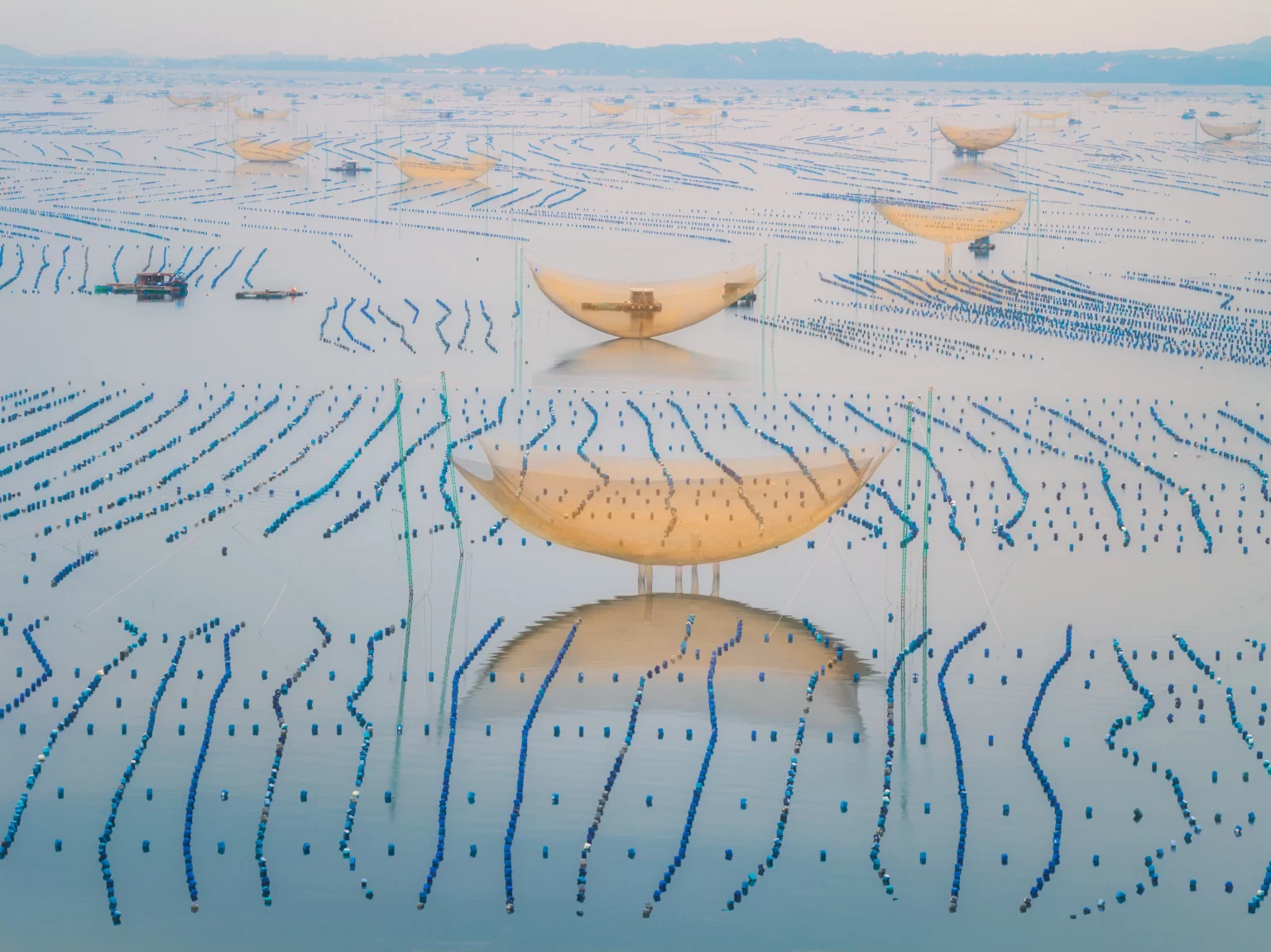
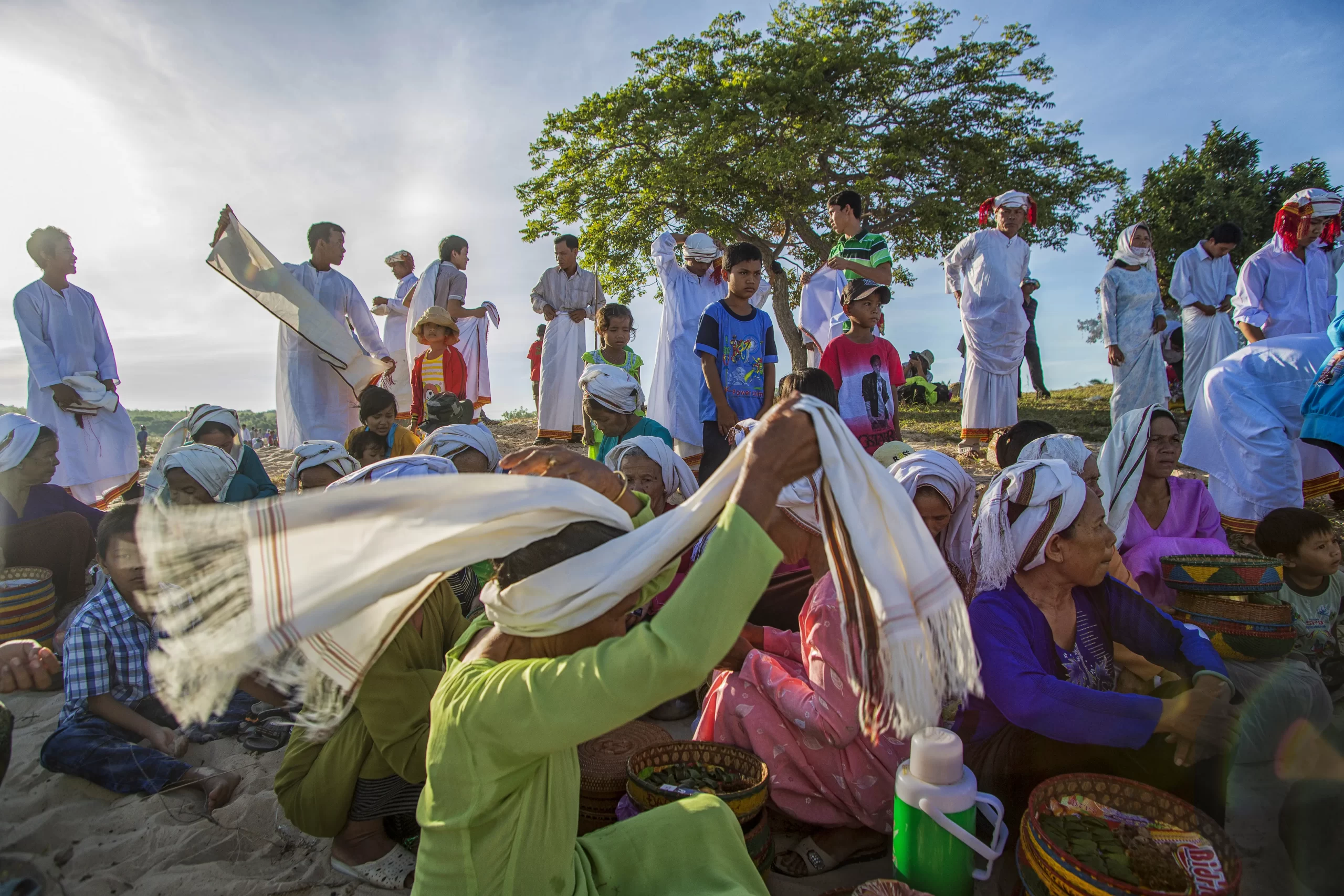
The experience and strengths of each photographer were essential in allowing “A Journey of Four Bays” to remain both diverse and cohesive. Several photographers specialise in aerial imagery, for example, yet their approaches are very different. Khanh Phan’s photographs are characterised by vivid, feminine fields of colour, while Pham Hung tends towards rhythm and linear structure. Quan Shotgun’s images, meanwhile, are suffused with delicate shades of jade green. Underwater photography also became an important element of the exhibition, opening up an unfamiliar visual world through both wide views and close-up details in the work of Thien Nguyen and Kha Mai. Alongside these perspectives, the everyday life, architecture and festivals of Khanh Hoa – the land long associated with agarwood – are vividly conveyed through the lenses of Hai Piano, Tuan Nguyen and others.
From 500 photographs produced in the field, to more than 100 images included in the publication, and finally 42 works selected for the exhibition, could you talk us through the process of editing and elimination, as well as how you developed an exhibition structure that could move fluidly between landscape, people and culture?
In fact, 500 photographs was the minimum number produced by each photographer. One advantage was that the organisers had established three themes from the outset: Nature, People and the Future. Landscape photography inevitably accounted for a substantial proportion of the material, so that section was relatively straightforward to edit. But a beautiful photograph alone was not enough. It also had to convey something distinctive about each bay.
If Khanh Hoa is to preserve and build upon what nature has given it, people are ultimately the decisive factor. Images of people, traditional livelihoods, and both tangible and intangible cultural heritage were therefore what I considered most carefully. I myself spent four days in Binh Lap and took a great many photographs, but in the end only a handful were selected for the exhibition because of the contradictions I encountered there. It was only the beginning of summer, yet places that had once been well-known destinations – Bai Ngang, Bai Lao and Bai Ran – were unexpectedly quiet. The picturesque seaside homestays were similarly deserted, even though the sea was still blue and the sand still white.
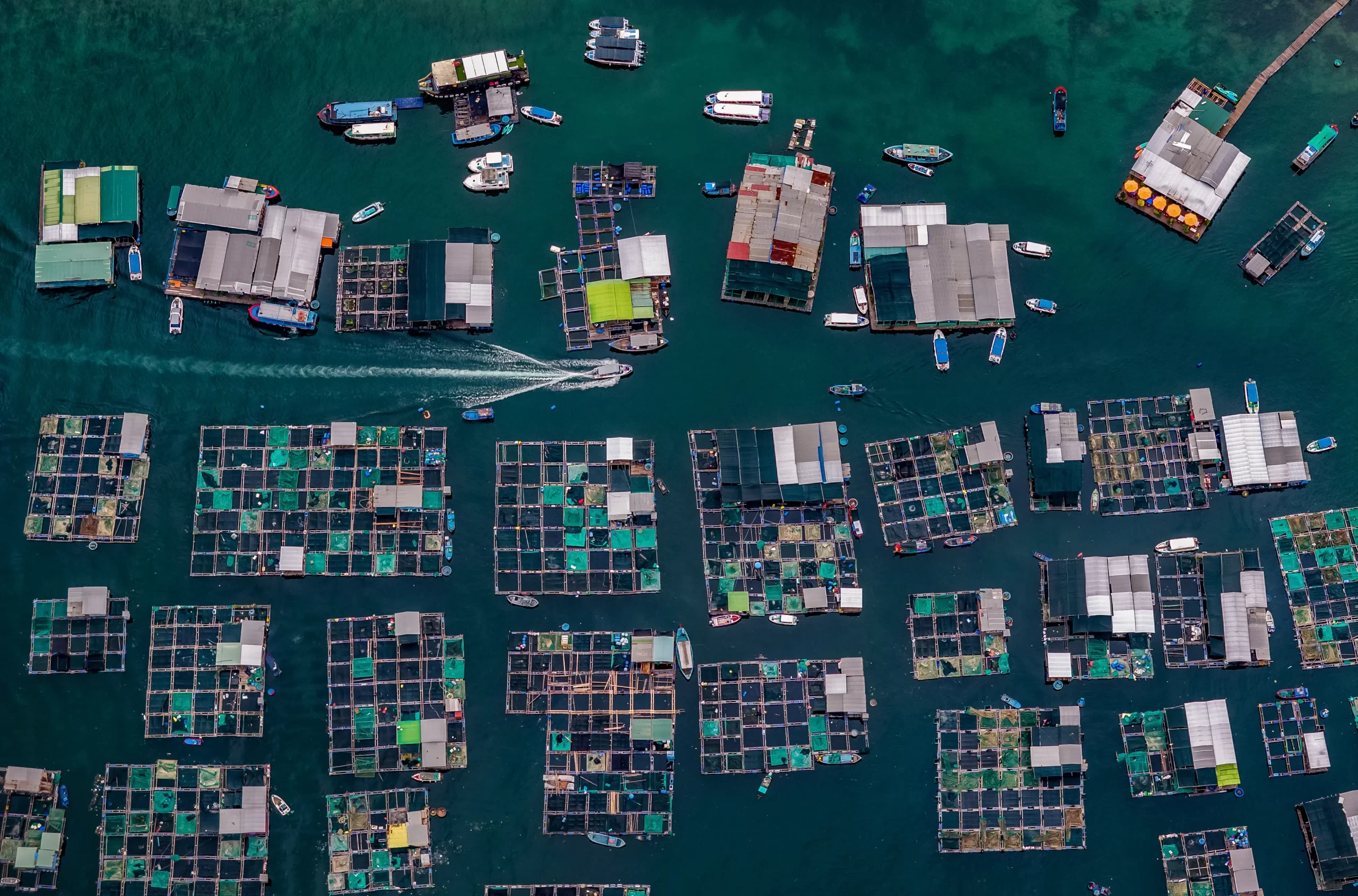
The busiest activity was among workers replacing nets on lobster cages. Each day, around 50 to 100 cages were brought into the area to be cleaned and fitted with new nets for the next farming cycle. The discarded netting, along with shells from clams, snails, oysters and other marine life, was then returned to the sea. The water has begun to suffer from pollution, to the point where swimming can cause skin irritation. There is no denying that this work provides local people with a stable income. Replacing the net on one cage earns around 300.000 VND, and an experienced worker can complete five cages in a day. But without a proper solution for dealing with the waste, the long-term consequences could be serious.
Along this entire stretch of coast, where hundreds of people are involved in the work, there is only one person, Ong Bay, who collects and recycles discarded nets. For the past ten years, he has worked tirelessly at what can feel like an endless task. Binh Lap may have all the advantages of place, environment and community, but it has yet to find a way of balancing its natural resources with tourism development. The photo essay I produced there therefore remains, for the time being, on my camera. There were relatively few images for the theme of the Future. Translating an intangible temporal concept into a present-day image within a two-dimensional frame is extremely difficult. It was the section we discussed and revised most extensively, but it was also the one whose final outcome we found most rewarding.
Photography centred on a particular place often confronts an important question: how can one recognise and represent local identity without reducing culture, communities or landscapes to illustrative or stereotypical images? Was this something you and the photographers actively considered while developing the exhibition?
A fresh perspective, grounded in each photographer’s established visual language, naturally helps to move beyond familiar and stereotypical imagery. All of the participating photographers were conscious of this and consistently looked for ways of approaching their subjects differently. As curator, I also had extensive discussions with the organisers about how the selection could be adjusted to avoid repetition and visual monotony. The aim was never simply to choose the most beautiful photographs. Each image also had to express something particular about the place it represented.
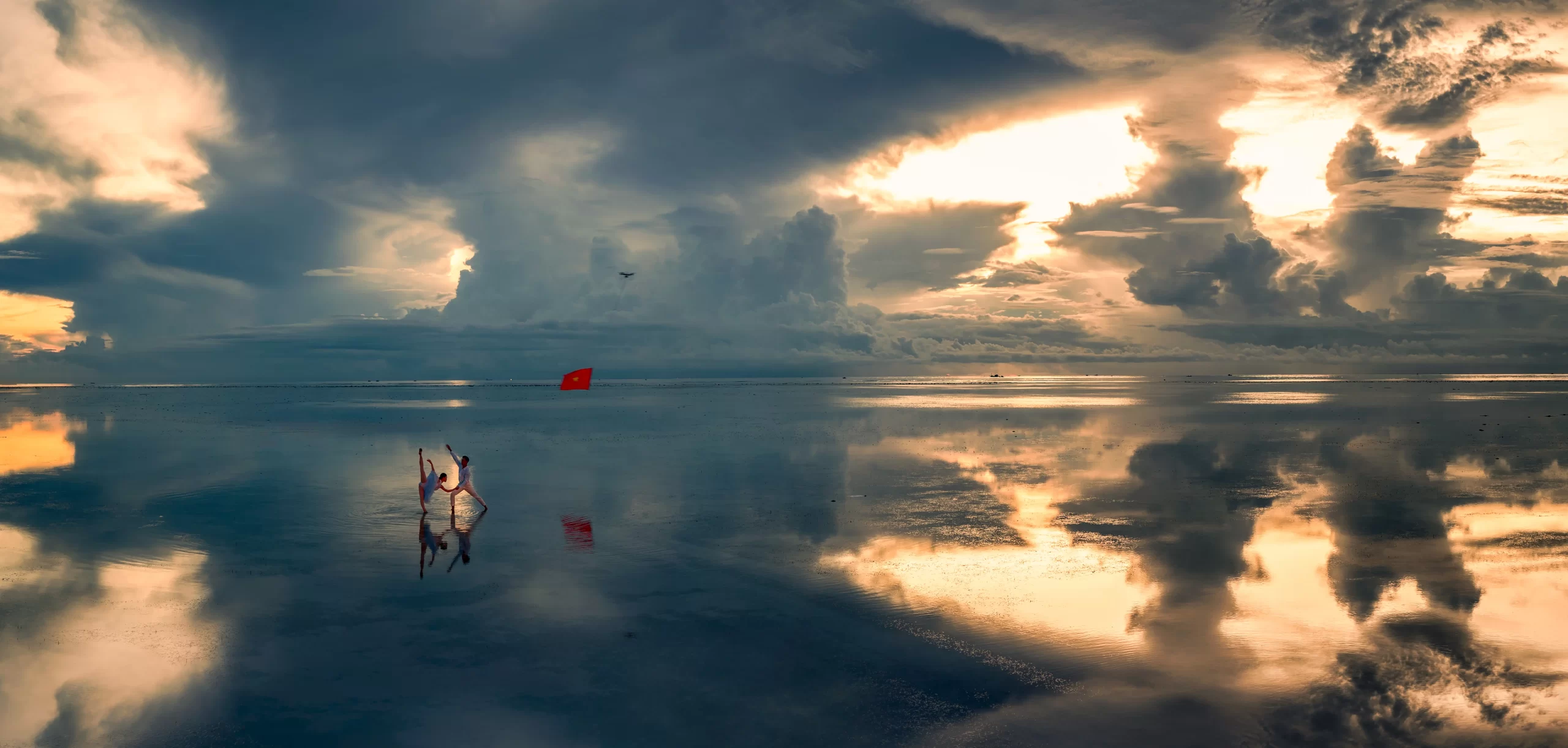
Looking at the model established by “A Journey of Four Bays” in Khanh Hoa, what role do you think photography could play in tourism across Vietnam more broadly?
Photography remains one of the most effective visual languages for shaping and promoting a destination. Amid the constant flow of information we encounter every day through newspapers, social media, forums and other platforms, people tend to stop only when an image touches them emotionally. Only then do they begin to read further.
A striking image of an unspoilt beach, a vibrant coral reef or a compelling local dish can immediately awaken the desire to travel and discover a place for oneself. “A Journey of Four Bays” is the first image-led project of its kind to be developed in such a systematic and in-depth way – from the selection of photographers and development of the initial concept through to the exhibition itself, with input from a professional curatorial team. I hope this model can be extended to other regions, helping to create new momentum for tourism in Vietnam.
Photo: PDA & Partners
Words: ChuKim & Hồng Ánh