Đọc phiên bản tiếng Việt tại đây.
The “Textiles and Sawu” project originated from a donation by Professor Lim Tow Keang to the NUS Museum.¹ This collection has laid the groundwork for a long-term initiative, where you and NUS College students travel to Sawu Island (Indonesia) to identify opportunities of collaboration and service to the local community. How did the donation develop into this project?
We were very happy to receive Professor Lim Tow Keang’s donation. NUS Museum already houses a collection of Southeast Asian ethnographic materials gathered in the 1960s and 70s by our former curator, William Willetts. When Prof Lim contacted the museum to inquire about the donation, he indicated his wish that these textiles wouldn’t just remain in storage, and wanted to know what we would do with them. We are a university museum, so naturally, part of the plans would be to use it in teaching and research. During that process, we discovered that Dr Genevieve Duggan, an anthropologist, had done her PhD at NUS on the Sawu people, and this was our first lead into documenting the project. As an adjunct lecturer at NUS College, I also lead student projects, and I realised that Sawu would make an interesting learning opportunity for students to be involved in.
From your time working with the collection and the community in Sawu, what is your observation on the role of arts and crafts in the life of the people there?
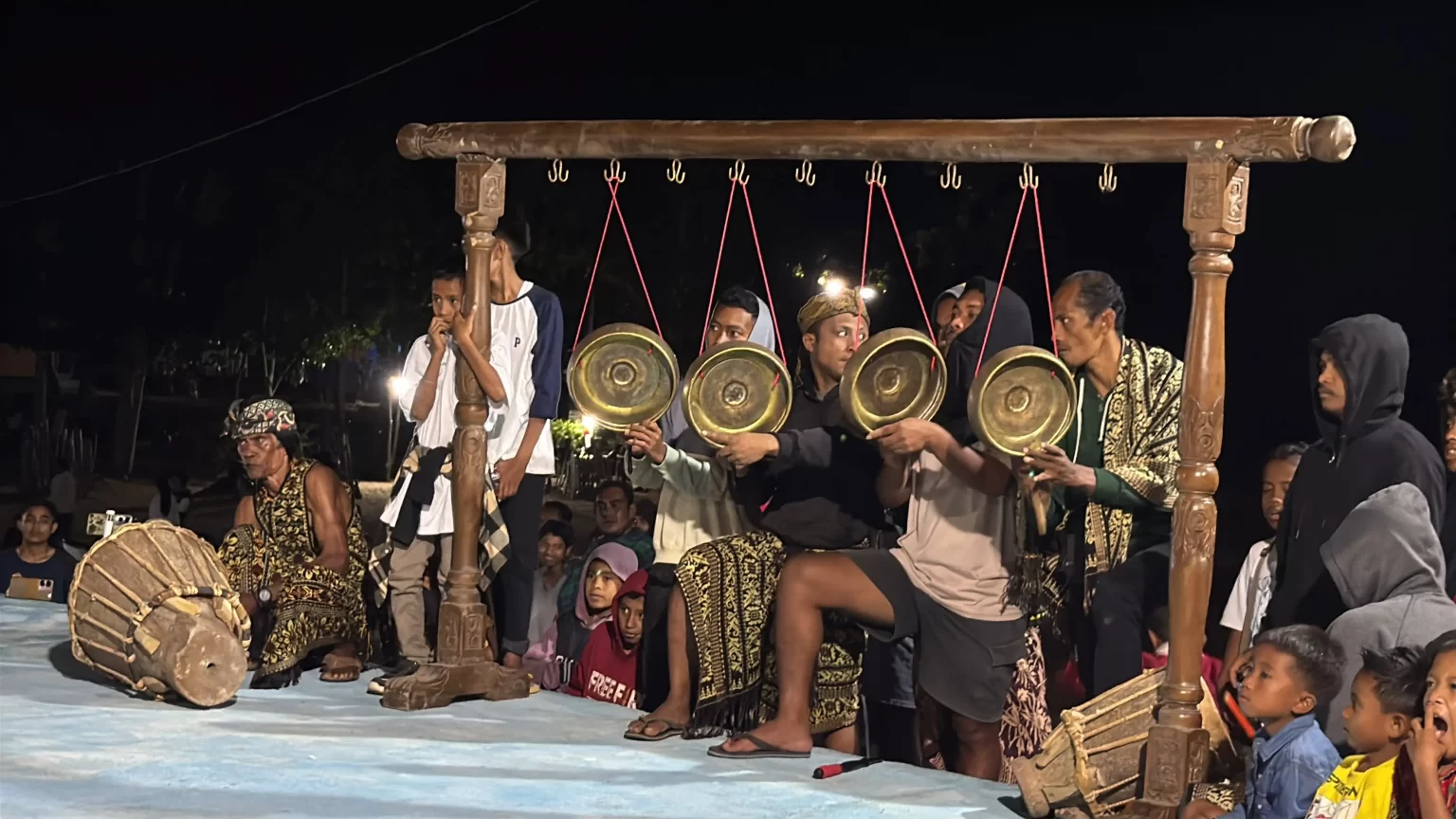
The Sawu people are an ethnic group, and as with the diverse ethnicities across the Indonesian archipelago, textiles are often a reflection of cultural identities. These tribal identities are directly related to their origin narratives, which in turn link to an indigenous worldview that revolves around seasonality. Weaving lies at the heart of Sawunese matriarchal identity – even their origin stories reflect this, with two distinct weaving traditions embodied in the sacred narrative of the Greater and Lesser Blossoms.
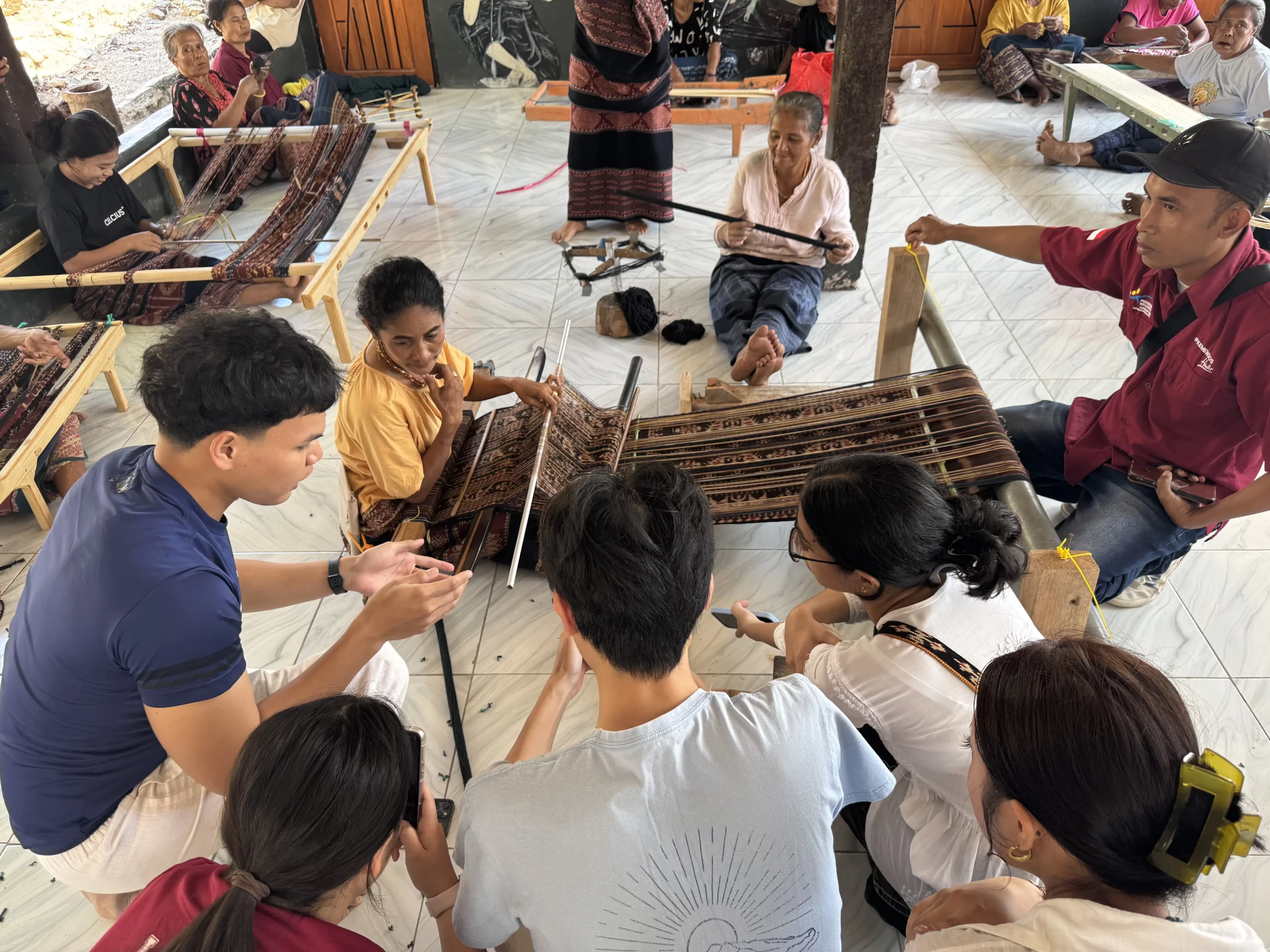
As with many other traditional societies, colonial impact and its ideological legacy – the precedence of a national identity, and the contemporary market economy, have all gradually impacted how Sawunese textile craft is transmitted and valued, even among the Sawunese people. Gratifyingly, the Sawu Regency government, weaving communities, and local leaders have come together to work on registering the traditional weaving methods and motifs as Sawunese intangible cultural heritage, which shows that the craft is still regarded with importance.
How has Sawu’s weaving tradition changed over time? Do you think those changes have been for better or worse?
The pieces donated to the museum are from the 20ᵗʰ century – so they are rather recent, but this does not mean that they are not good. By and large, the quality of many pieces demonstrates how the tradition has survived and been maintained, and that there are practitioners who are still dyeing and weaving at a stringent quality using traditional methods. A newer phenomenon is the introduction of chemical dyes, which some weavers outside the main weaving communities have been using to make fast money by producing more products to sell to tourists. These chemical colours are stark and garish compared with traditional dyes; the motifs may also be made to order, rather than reflecting the motifs traditionally employed in Sawu textiles.
That is not to say that maintaining craft heritage has to be purist. We don’t have to insist on an “orthodoxy of authenticity” where methods can never evolve. One of the changes that weavers embrace is the use of industrially-produced cotton threads. Traditionally, weavers had to collect tree cotton to spin into threads, and handspun natural fibre has a distinct texture. Industrially-produced threads are spun more evenly, making the textile smoother. They also take up colours more vibrantly, which the weavers love. This is a welcome development.
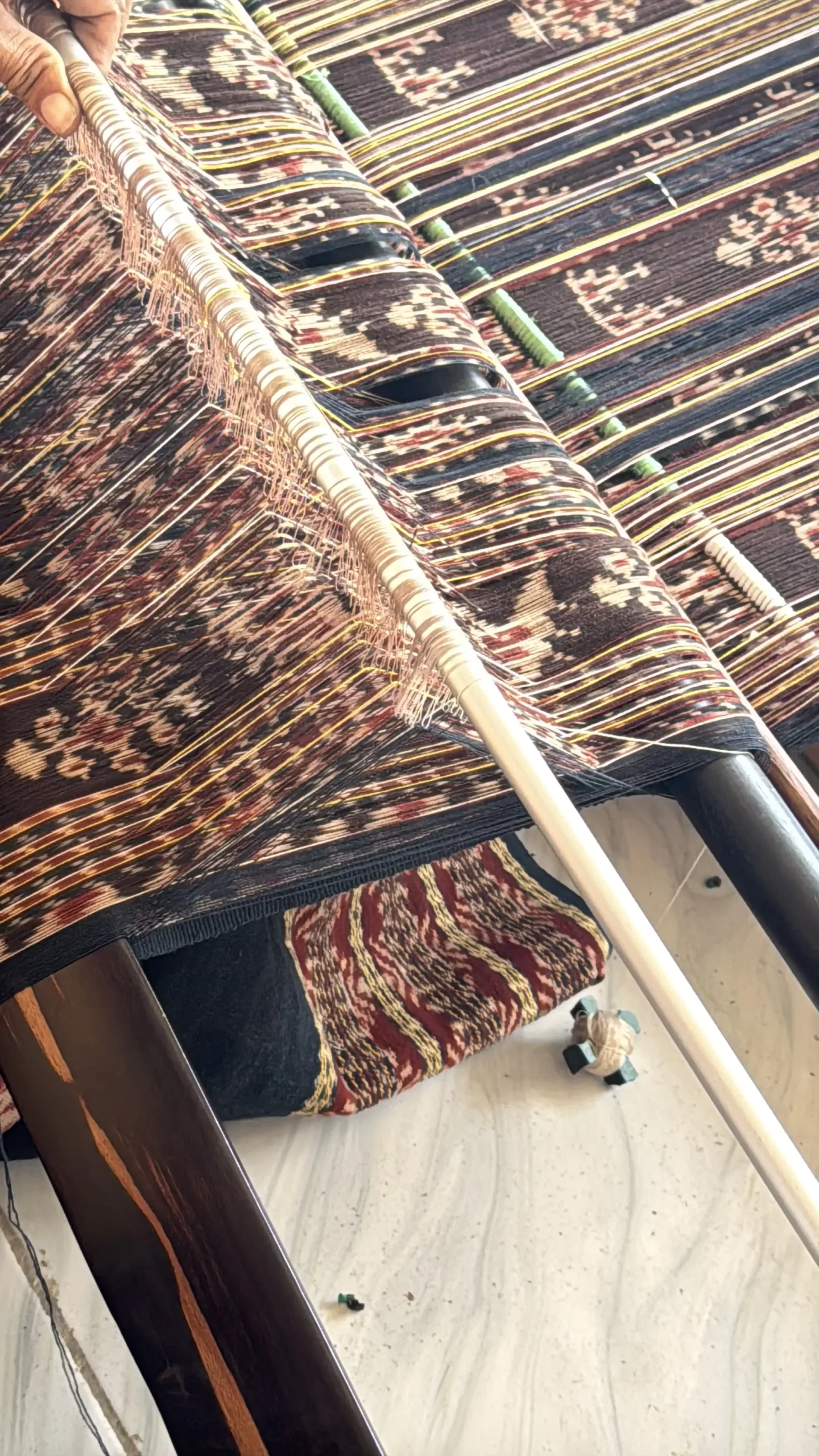
Another development that the Sawu weavers would like to learn is how to process dyes for stable storage, so that colours can be available year-round. Traditionally, the blue dye comes from fermenting the nila plant (Indigofera tinctoria), which flourishes in the rainy season at the beginning of the year; while the red dye comes from the root of the mengkudu tree, which is processed in the second half of the year. Without a way to preserve these organic dyes, the production of a single length of textile can take an entire year based on natural dye cycles. Introducing storage would not disrupt indigenous seasonal pauses: dye production would still depend on the seasonality of the plants – a reserve only ensures that there is a steady supply of colours at any time of the year. Therefore, we are able to see how a living tradition adapts and develops.
NUS Museum – whose roots can be traced back to 1955 – holds a wide range of Southeast Asian art, from textiles and ceramics to paintings and objects of worship. How do you think this textile collection, alongside other collections at the Museum, deepens our understanding of arts and crafts in the region?
One of NUS Museum’s earlier curators, William Willetts, had once said this about Southeast Asian ceramics and textiles: “Pots and cloths. Two of the most elemental inventions of civilised mankind, and nowhere richer in their beauty, variety of form and decoration, than in these parts of the world.” In the 1960s and 70s, at a time when Vietnamese and Thai ceramics and textiles were under-appreciated as “art objects,” Willetts actively sought them out for the University Art Gallery (NUS Museum’s former name). While having these objects to study allows us to understand materials and techniques, more importantly, they also provide insights into people groups and their sustainable ways of life in Southeast Asia. For example, recognising that a piece of woven textile takes a long time to produce becomes an entry point into understanding a culture’s different concept of “time.” It also allows us to appreciate the corollary that agriculture and harvests are not to be rushed or maximised, but all take place in their own seasons.
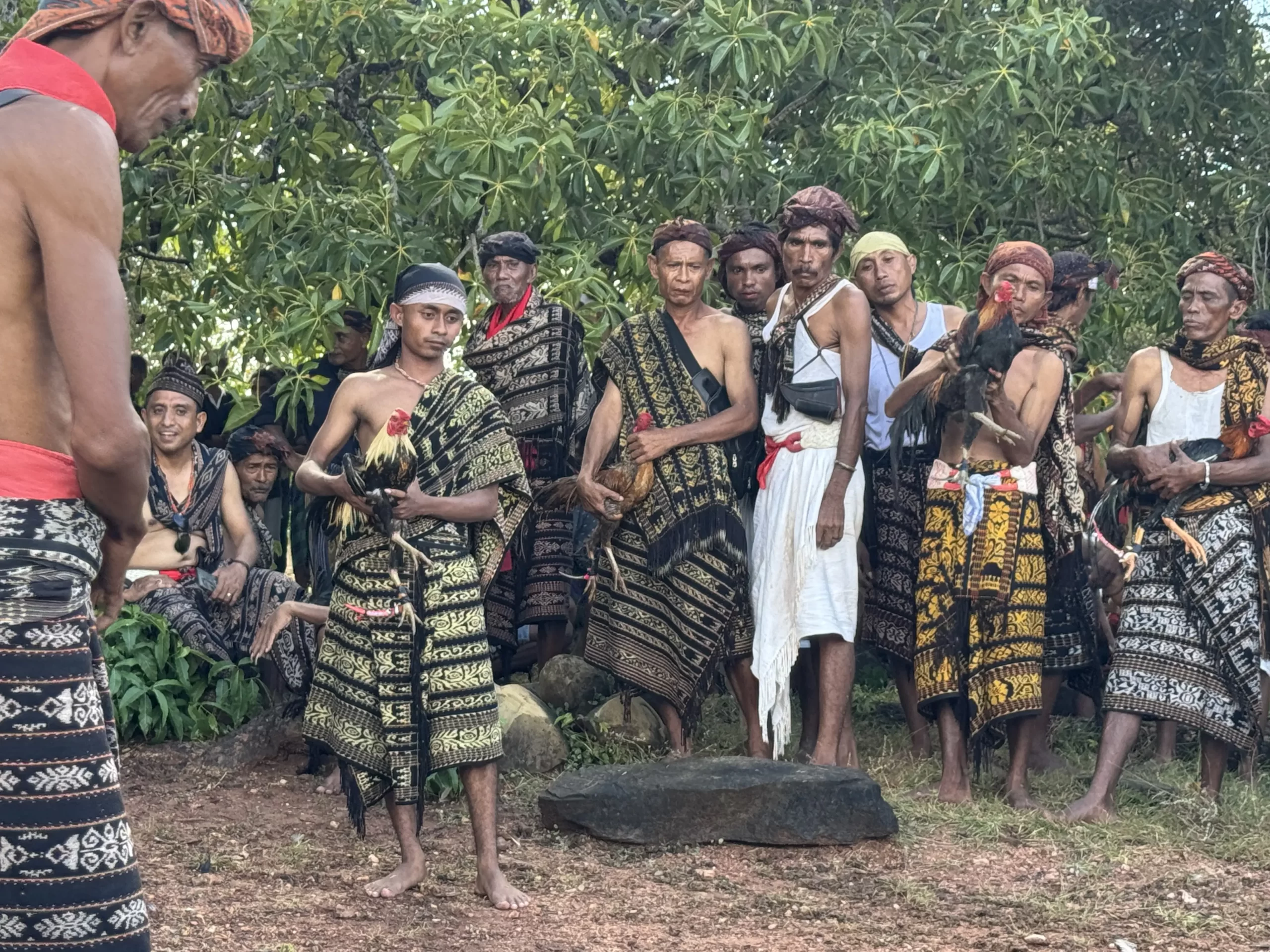
Additionally, there are also crossovers between ethnographic materials like textiles with objects considered to be “fine art”. For instance, while a length of cloth from the Vietnamese highlands may be a beautiful object to study in a museum on its own, placing it there risks its removal from its original, living context. In an effort to remedy this, NUS Museum has been working with the Dato’ N. Parameswaran Collection of Vietnamese Wartime Art, in which there are clear depictions of participants from Vietnamese minority groups. These artworks give us an idea of how the textiles are worn, and by whom. In a university museum setting, these materials offer a cultural introduction for students, especially those preparing for field studies.
Why do you think that it is important for university museums such as NUS Museum, to develop and engage in projects like “Textiles and Sawu”, and how will this collection continue to be deployed in future research?
We are hoping to develop documentation, publication and exhibition projects on not just the Sawu textiles, but also on those from other regions within the Lim Tow Keang donation and the Willetts collection as well. While these are fundamentally anthropological materials, it could also be interesting to consider them from the perspective of design history as well.
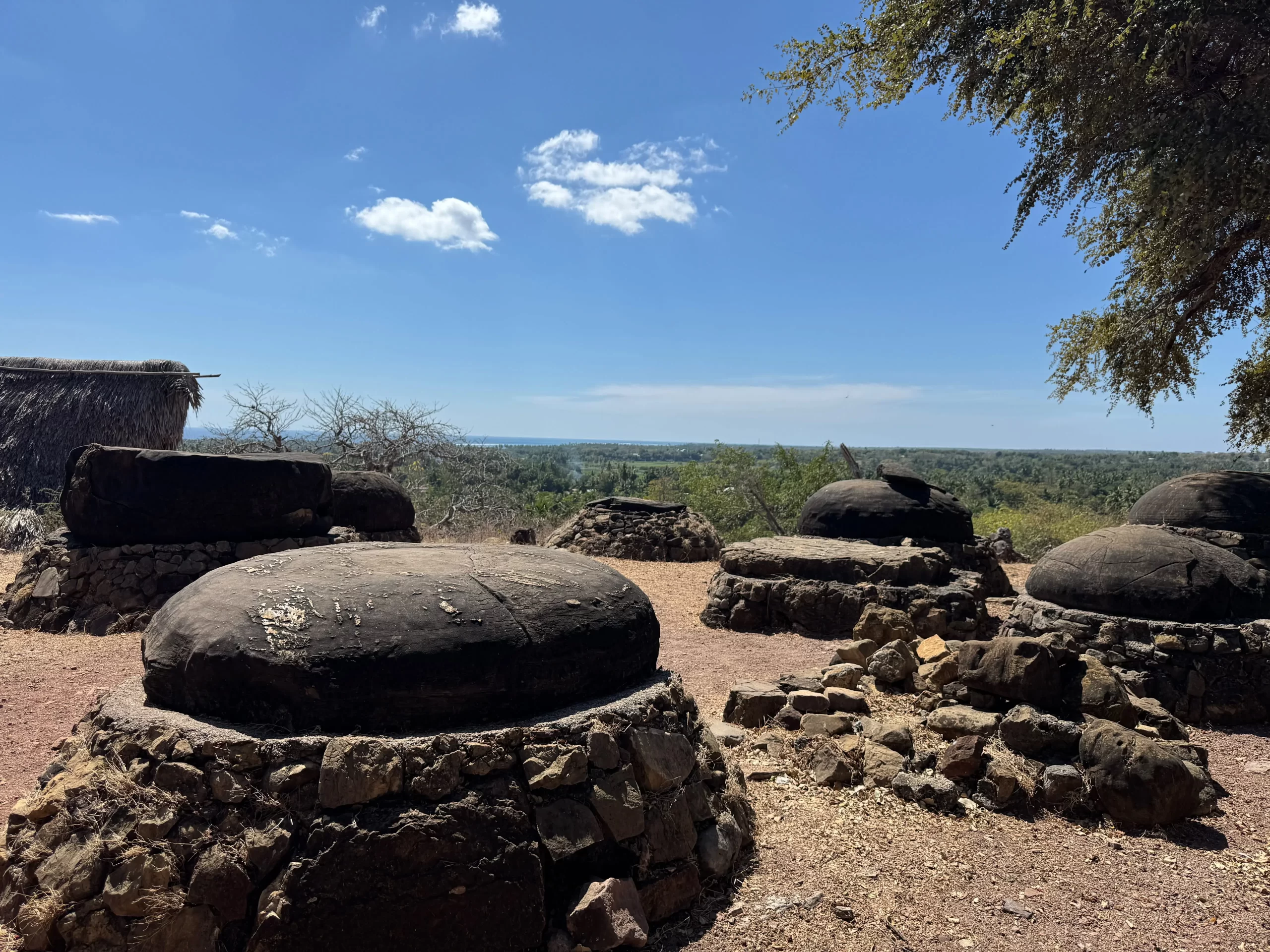
There is much that a university can learn from traditional and indigenous cultures. In today’s technocratic world, technological solutions and efficiency are heavily prioritised – but this needs to be problematised. Many of our assumptions of progress and value comes from a legacy of colonial thinking: we place monetary value on resources and processes that we believe help attain us economic advancement and, allegedly, a better quality of life. Since traditional crafts and practices do not “scale” in the same way, they are often deemed to not be “valuable” and allowed to decline into obsolescence. We frequently champion the “interdisciplinary”, when in truth, a technocratic education system increasingly sidelines the study of human cultures, particularly the creative and (re)generative practices that make us human, such as farming or fishing. Projects like “Textiles and Sawu” reintroduce us to human practices and inherited wisdom. I have always believed that combining traditional paradigms with the technologies that exist now can go a long way in solving the world’s pressing problems.
Words & Translation: Nguyễn Lê Thuỷ Tiên
[1] In 2023, the NUS Museum received a donation of 123 Southeast Asian textiles from Professor Lim Tow Keang, the majority of which originate from Sawu Island in Indonesia’s East Nusa Tenggara province.