Đọc phiên bản tiếng Việt tại đây.
Kanazawa is renowned for its kogei¹ throughout Japan. What are the unique qualities that set Kanazawa’s kogei apart from other famous kogei cities such as Kyoto?
While Kyoto’s culture is grounded in court noble traditions, Kanazawa’s was built on samurai culture. Many cultural practices and skills nurtured during the feudal period remain deeply rooted here, as well as treasures passed down through generations such as traditional kogei and performing arts. Therefore, when introducing Kanazawa’s cultural activities, people often reference “加賀百万石” (Kaga Hyakumangoku), a term denoting the wealth of the Maeda clan, the samurai family that ruled the region². It serves as a powerful reminder to government officials and residents alike to actively preserve their traditions.
Kanazawa is also much more compact than Kyoto. There is a strong sense of community and a shared regional identity that shapes how people create their work and fosters an environment of mutual learning and friendly competition. Exhibition spaces have emerged over time, events and festivals have multiplied, contributing to improved technical skills and expressive abilities. However, this proximity comes with a downside: it can lead to stylistic uniformity. Fortunately, there’s been a positive shift in recent years. The pride-driven secrecy that once hindered skill transmission has given way to openness, with artists and artisans now freely sharing knowledge about materials and techniques.
Can you describe Kanazawa’s kogei ecosystem? How do different players such as artisans, museums, businesses, universities, and the government work together to support kogei?
In general, Kanazawa offers educational opportunities for learning kogei techniques through institutions such as Kanazawa College of Art, Kanazawa Utatsuyama Kogei Kobo (Kanazawa Utatsuyama Craft Workshop), and the Rare Traditional Industry Specialised Cram School. Additionally, the city also offers grants to help establish or renovate workshops. While formal apprenticeships have declined, larger workshops still occasionally take on young artisans or students for basic tasks. Since skilled artisans work nearby, opportunities to develop practical skills remain available.
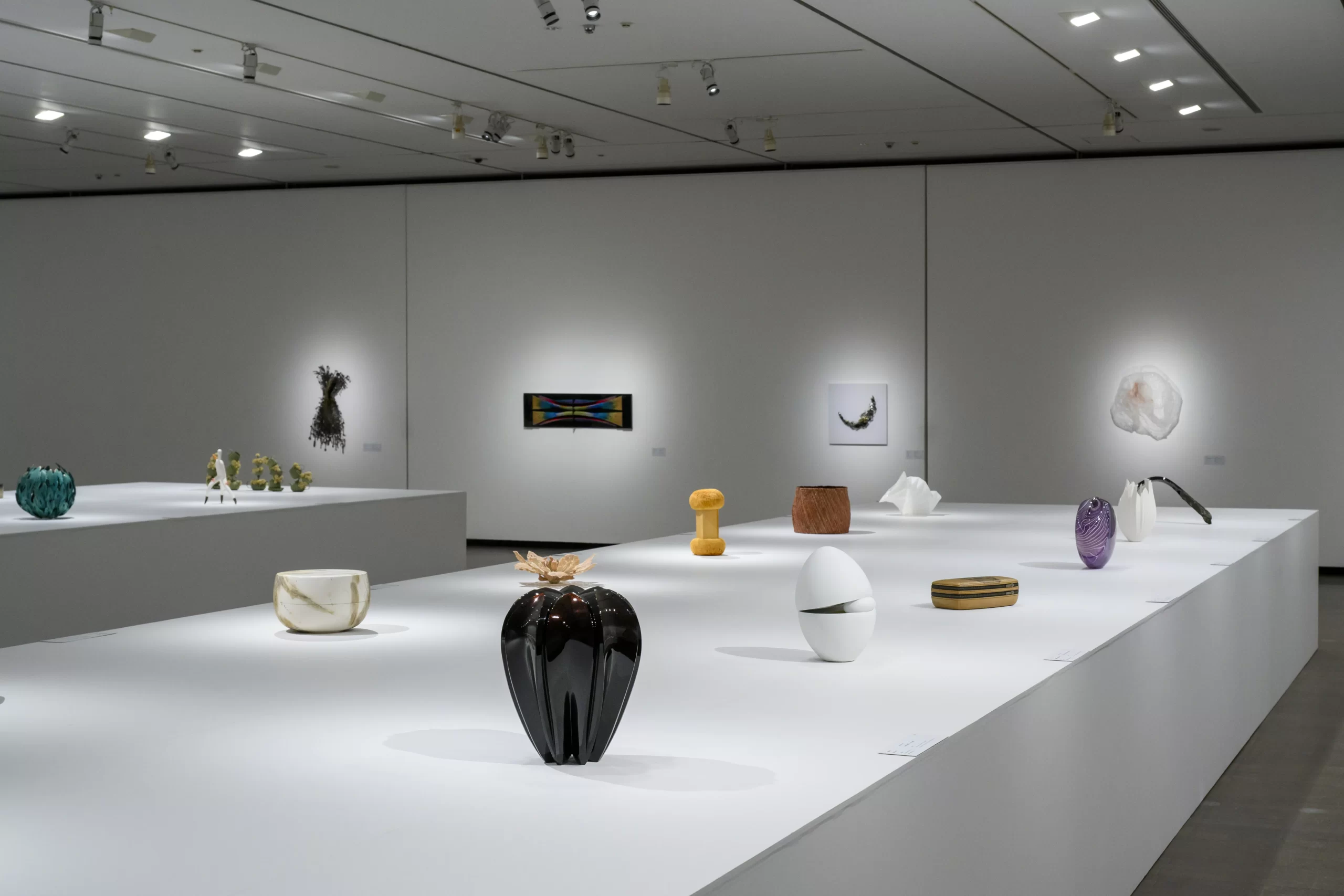
Museums in Kanazawa house kogei collections that reflect their distinct visions. Throughout the year, visitors can find craft exhibitions across the city. Tea ceremonies and art events are regularly held, showcasing a variety of kogei works. Local companies also frequently sponsor arts and kogei exhibitions, and offices often display works ranging from antiques to contemporary kogei pieces.
Personally, my mother is an artist who works with traditional Japanese embroidery, and to handle her public relations and management work, I learned embroidery materials and techniques through Kanazawa’s Cultural Human Resource Development Grant. This program provides monthly grants to both the craftsperson and the trainee throughout the three-year training period, allowing trainees to focus fully on learning the craft.
Can you describe the Triennale’s organisational structure? Who are your primary supporters and partners, including those providing funding, operational assistance, or institutional collaborations?
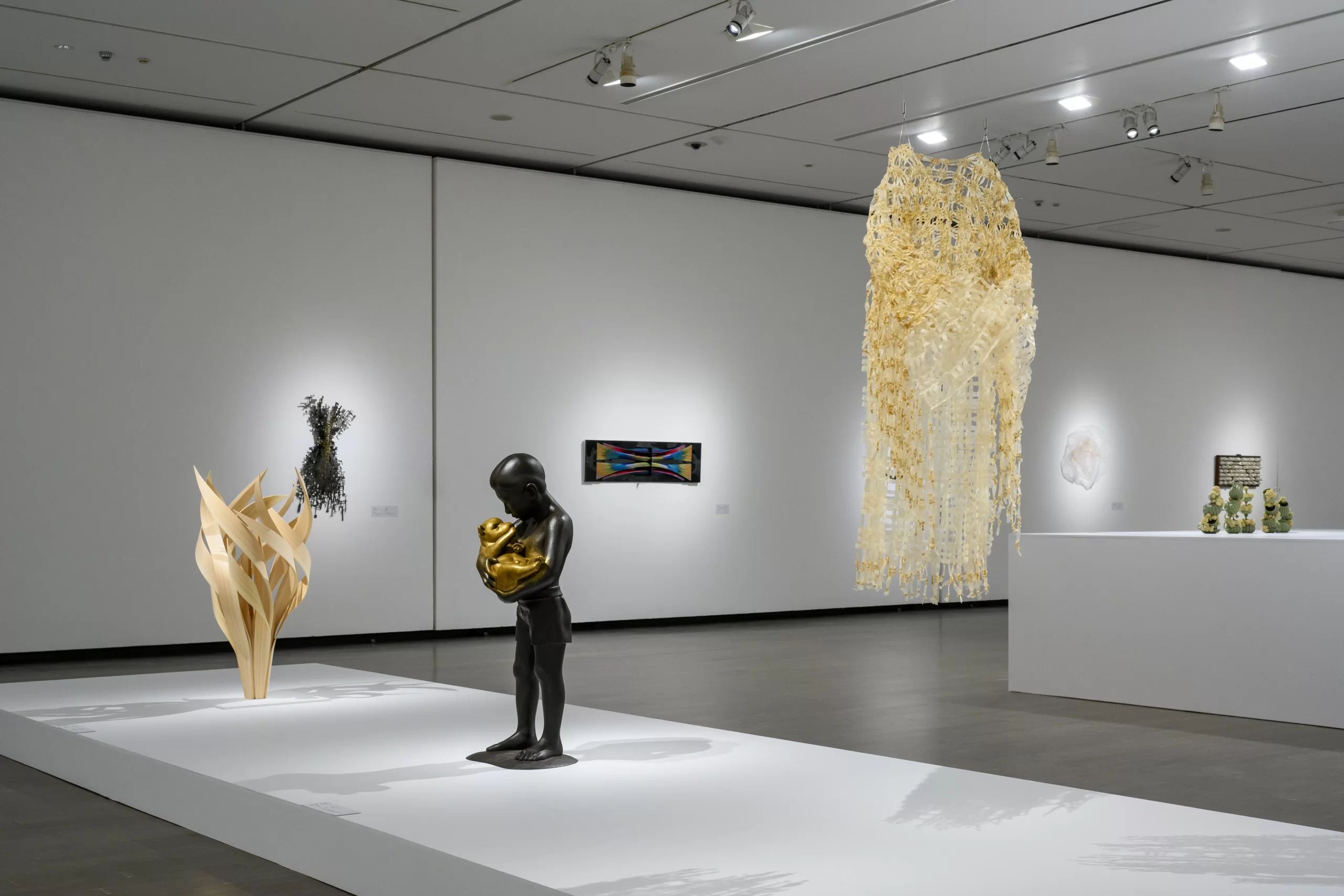
The Triennial is organised by the Executive Committee of the Triennale of Kogei in Kanazawa, which is comprised of the Mayor of Kanazawa, representatives from the Kanazawa Craft Council, the Kanazawa Association of Corporate Executives, the Kanazawa Chamber of Commerce and Industry, media outlets, educational institutions, and museum directors. We also have a Planning Committee that approves the exhibition and conference content.
Kanazawa City and the Kanazawa Craft Council have been our co-organisers since the very beginning. We’ve also been joined by museums that support special exhibitions and the Kanazawa Craftwork Business Creation Agency. The Hokkoku Shimbun is our special media partner.
Regarding sponsors, we have the support of the Kanazawa Chamber of Commerce and Industry, Hokkoku Bank, Nikkiso, and Mitani Sangyo. Nikkiso has deep roots in kogei as the founder’s great-grandfather, Kojiro Yamakawa the First, was a metalwork craftsman for the Kaga Domain. Because of this heritage, the company established the Sokeikai association to preserve these traditional techniques.
In terms of partnerships, we primarily work with countries, museums, and companies that lend us works for special exhibitions. The Loewe Foundation’s support, which began with the fourth edition, has significantly elevated the Triennial’s presence on the global stage. And from the sixth edition, the Michelangelo Foundation joined as a new partner, establishing and providing the prize money for the Homo Faber Award within our open-call competition.
The Triennale started as a kogei conference in the 1990s and became an exhibition platform in 2010. Do you think it has changed perceptions of kogei and artisans’ work, made their work more accessible, or helped them stand out as unique creative voices?
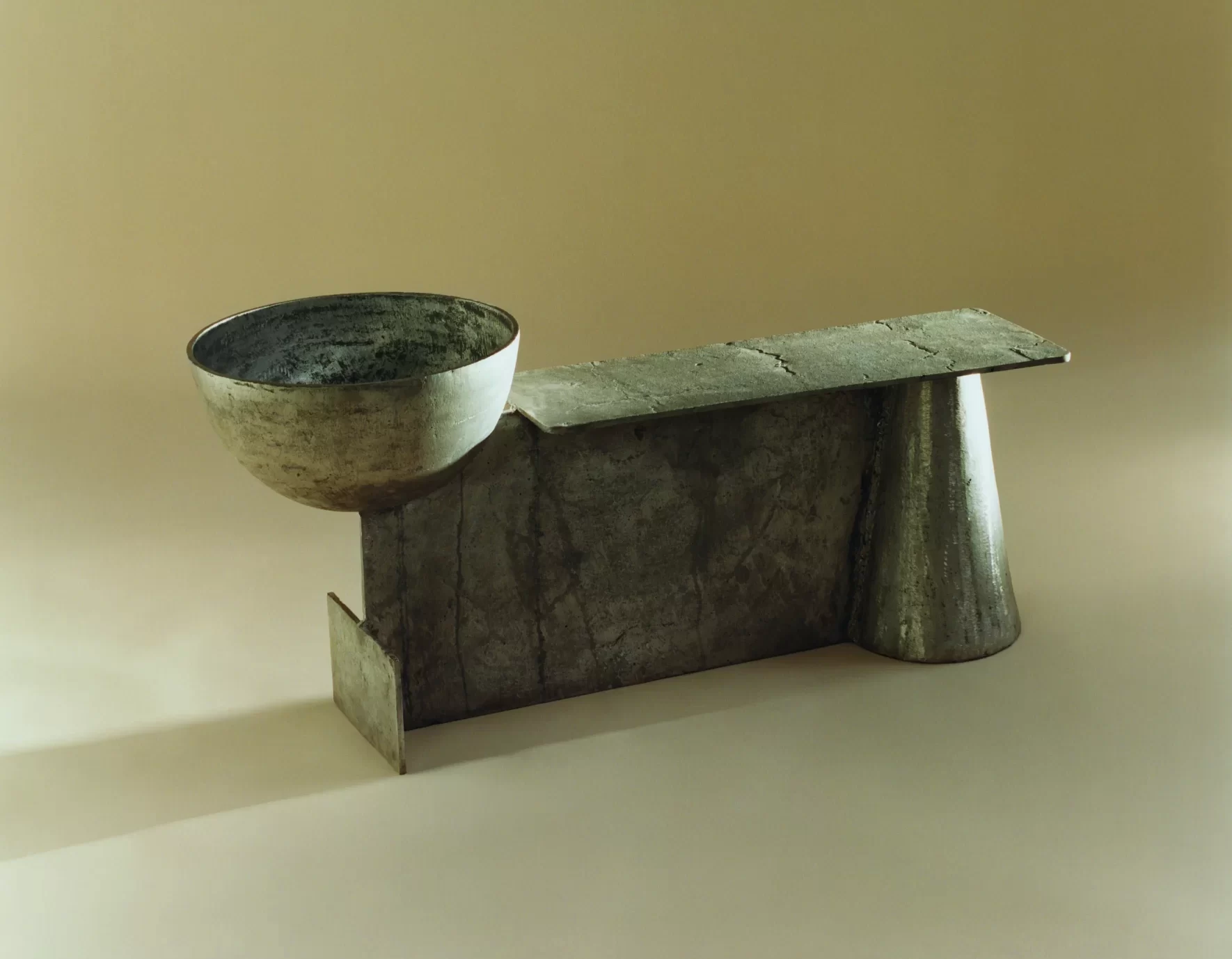
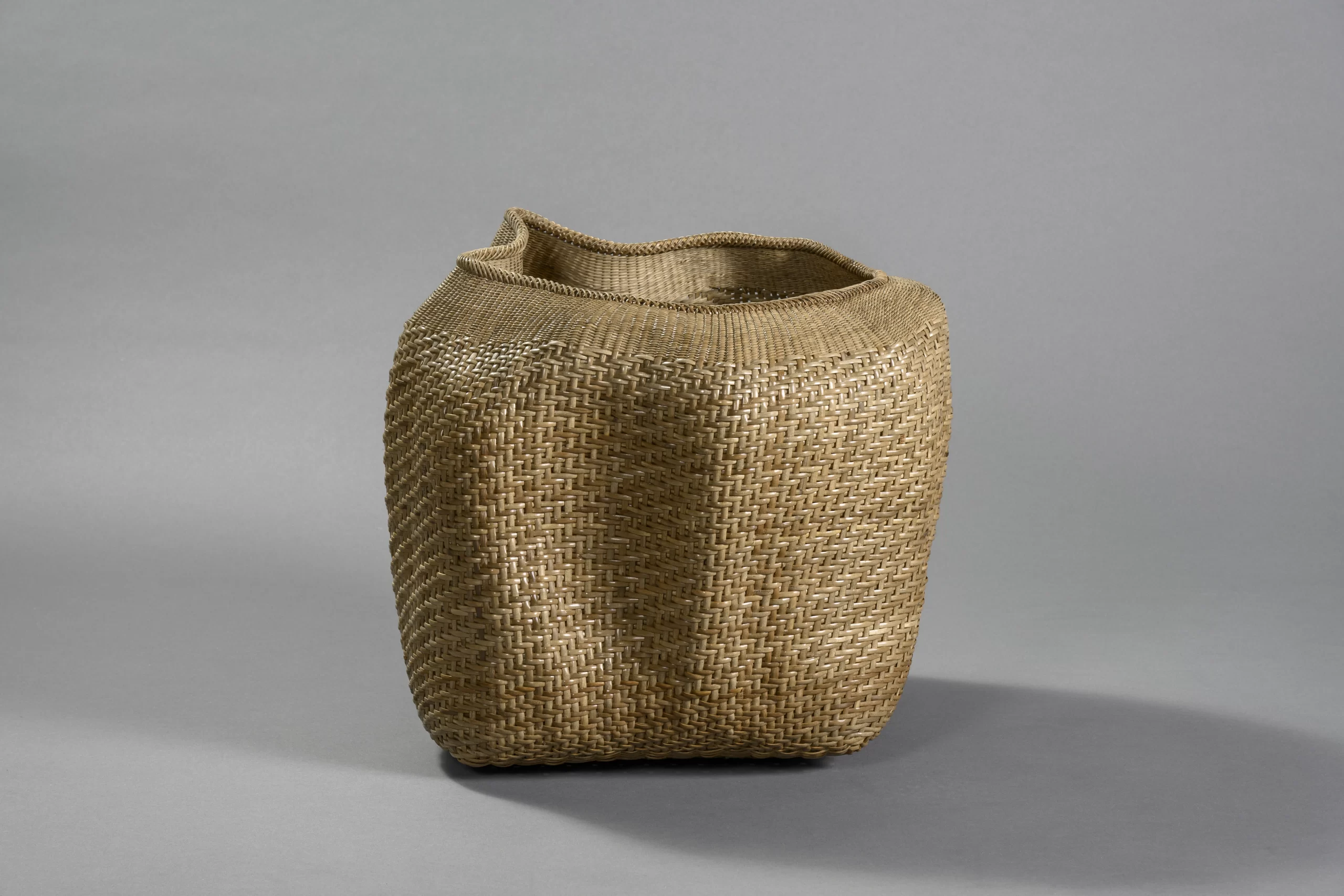
In 1989, Kanazawa marked its centennial with the Kanazawa Arts and Crafts Competition, thus launching a tradition of biannual kogei competitions. In 1995, Kanazawa issued its International Craft City Declaration, committing to preserving crafts and passing on skills. Following this declaration, the International Conference of Cities Renowned for Arts and Crafts in Kanazawa was launched. In 2010, the World Craft City Conference in Kanazawa and kogei exhibitions were unified under the name “Triennale of Kogei in Kanazawa”, to be held every three years. The competition format was restored in 2017.
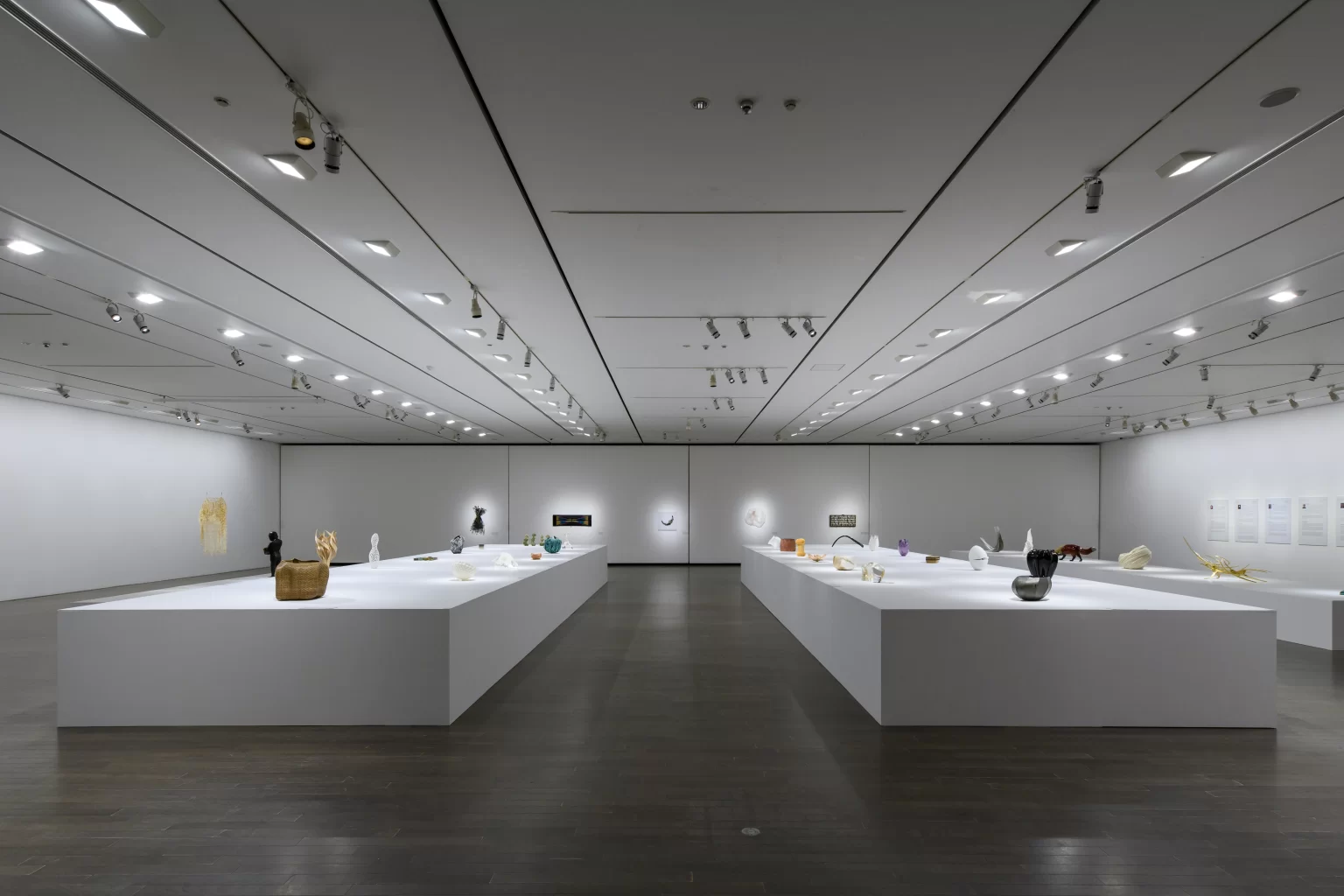
While Kanazawa has long held open-call competitions, its regional status limited visibility and reach. A turning point came in 2004 with the opening of the 21st Century Museum of Contemporary Art, Kanazawa – now the Triennale’s main venue. Notably, despite being a city-run museum that could have focused on kogei, it chose to emphasise contemporary art instead. This decision fundamentally shifted Kanazawa’s positioning: rather than merely competing with other Japanese cities or looking up to Tokyo, Kanazawa now entered into dialogue with the international contemporary art world.
This also had a profound local impact. When local craftspeople visited the museum and engaged with contemporary artworks using unfamiliar materials and techniques, they realised that they, too, could apply their materials and techniques to contemporary art. This awareness shifted their thinking from viewing kogei as an isolated genre to embracing the fusion of kogei and contemporary art.
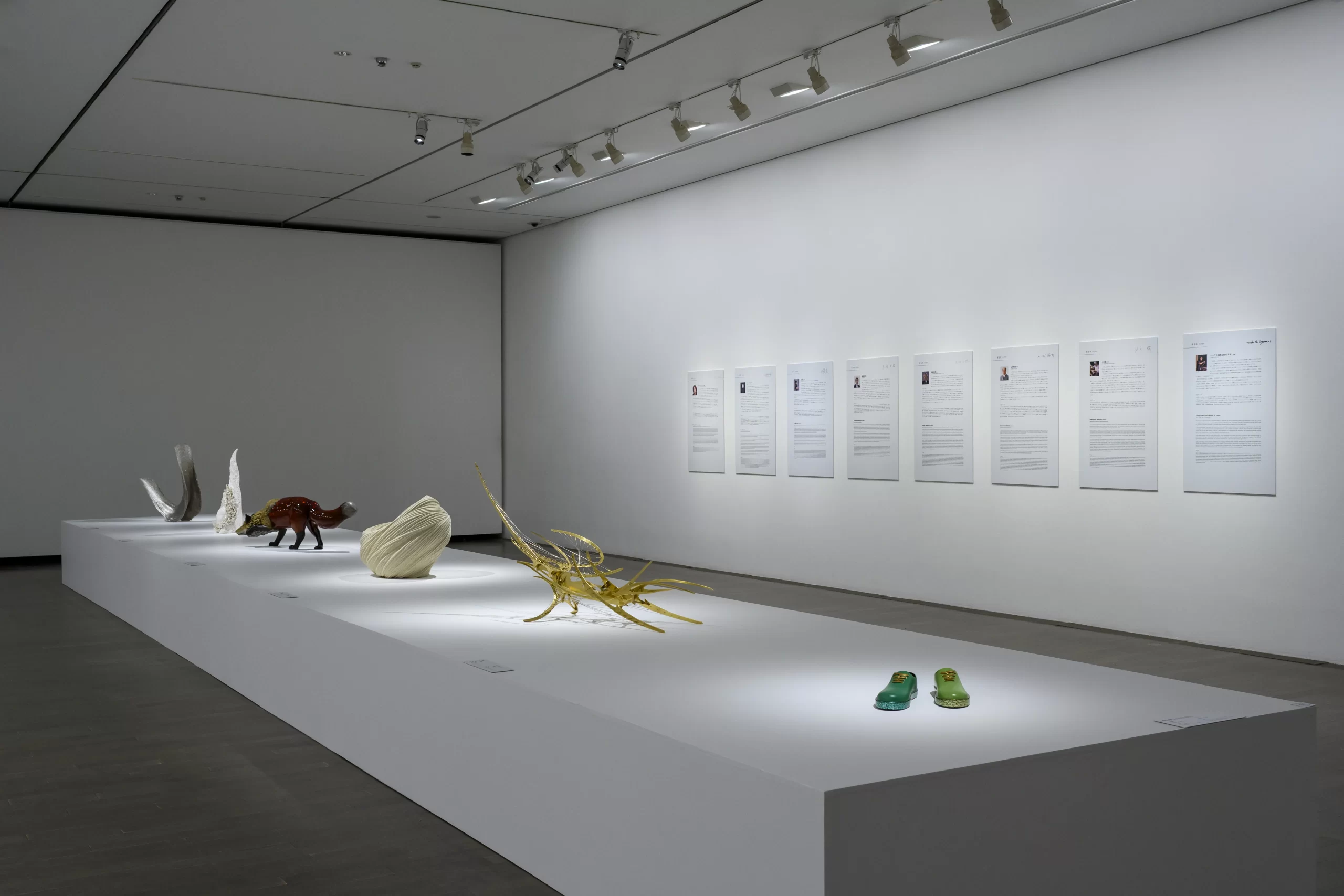
As coordinator, how do you build these relationships and communicate the Triennale’s value to each partner type?
Our partners operate in various sectors but share an appreciation for monozukuri³ and a deep respect for craftspeople. These business leaders, whether in Japan or abroad, readily support the Trienniale, with contributions spanning operational funding, venue provision for related events, connecting conference speakers, publicity efforts, and more. They also connect with kogei-appreciating residents who are often their customers, partners, or key community stakeholders.
For essential exhibition operations like artwork transport, venue planning and setup, and website management, we form strong teams with local companies and independent designers. Kanazawa City staff serve as secretariat staff for difficult-to-reconcile issues.
For a better Triennale, I hope they’ll step up and be more confident in curating opinions within the committee.
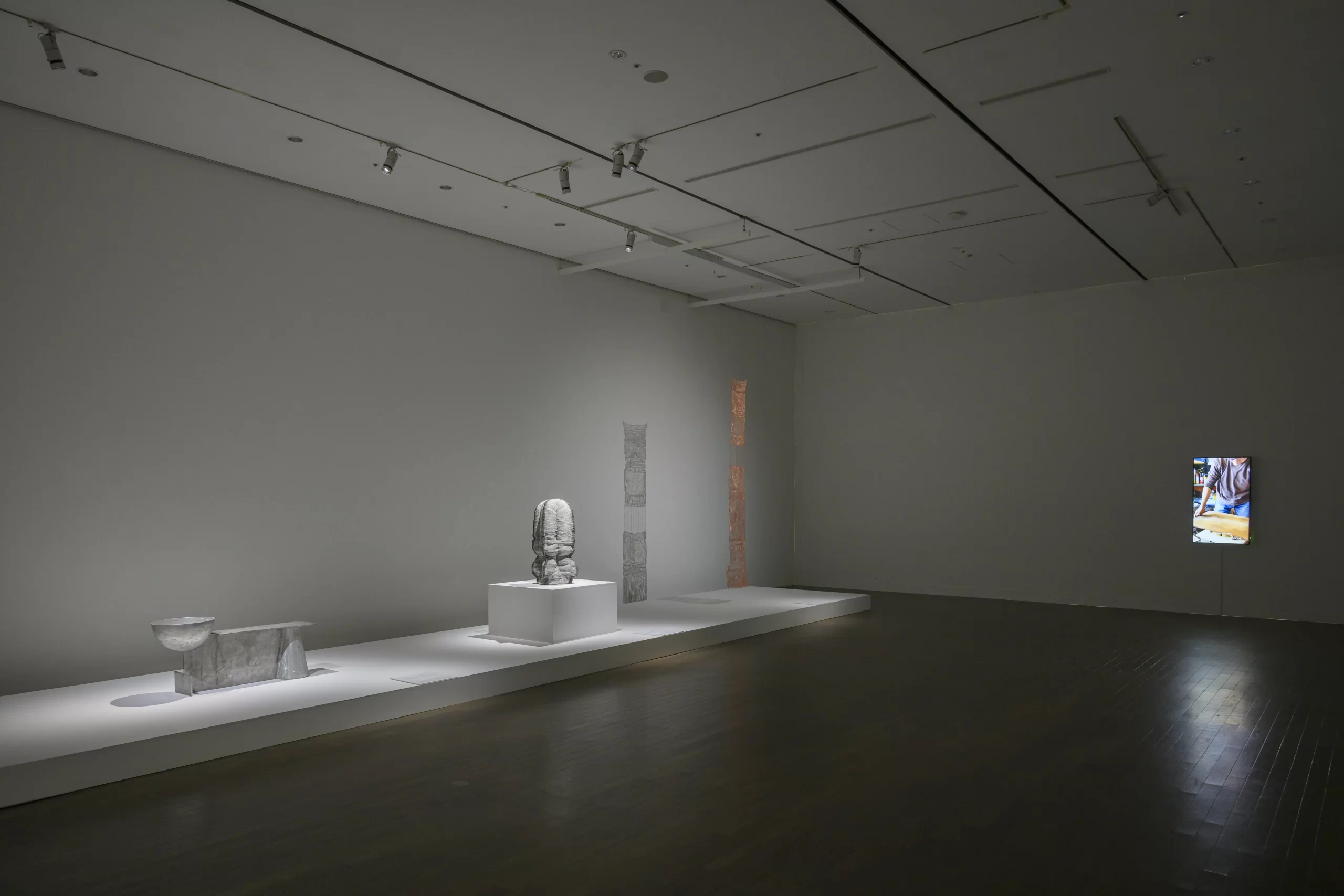
The Loewe Foundation has been exhibiting its Craft Prize winners at the Triennale since 2019. What has this partnership meant for the Triennale?
Our partnership with the Loewe Foundation has had an immeasurable impact: they have brought promotional power that the Triennial could never achieve on its own. This comes from their meticulous Craft Prize selection, which discovers material possibilities worldwide and highlights techniques preserved only in specific regions. By bringing prize-winning works to Kanazawa as part of the Triannale, the Loewe Foundation provides local residents who don’t often travel with a chance to experience global craft firsthand.
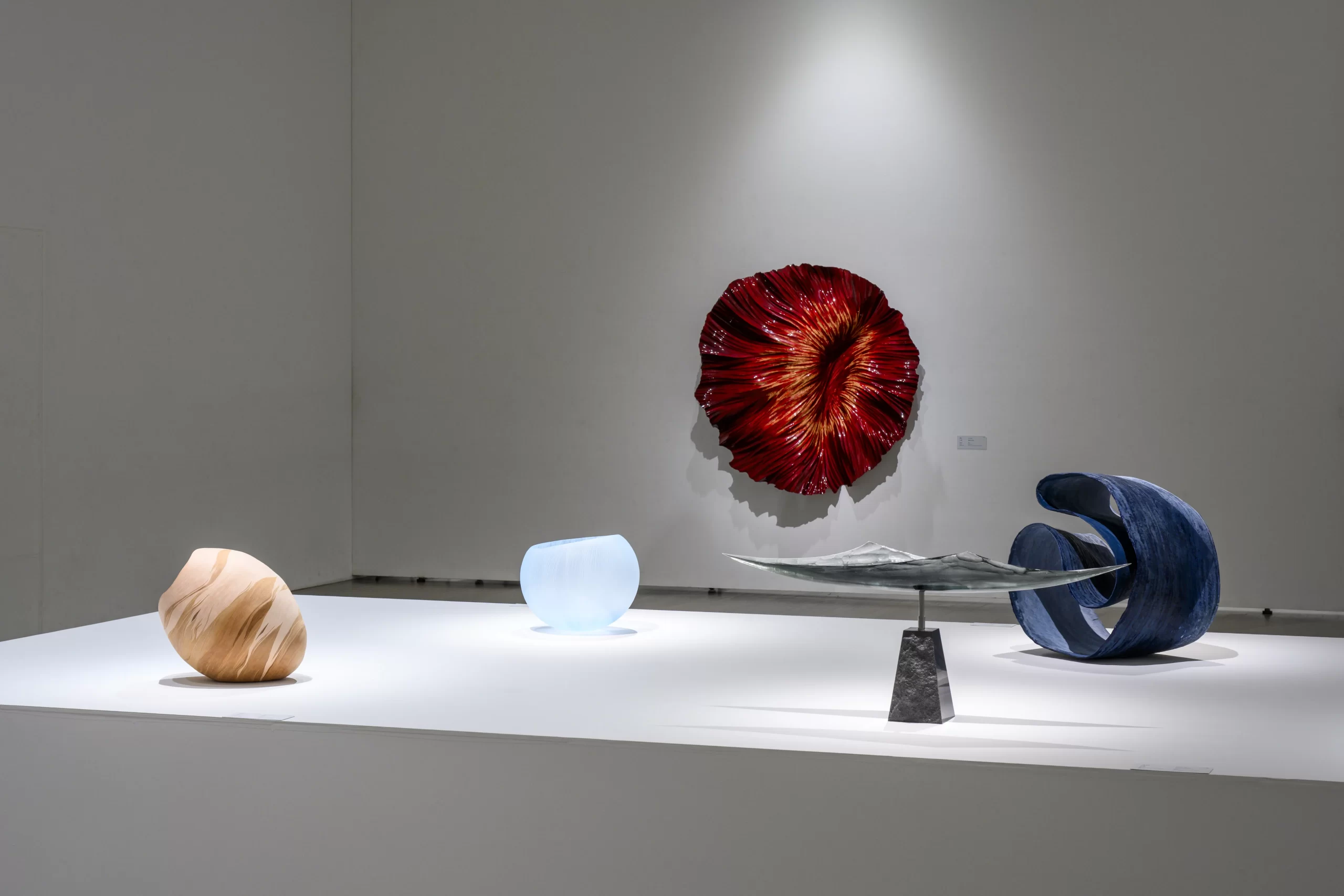
Looking towards the future, how do you hope to see the Triennale evolve?
The Triennial has grown alongside globalisation, but Western influence still dominates. Asian countries that participate are usually ones with existing strong craft ties with Japan. That’s why I would love to see more work from distant countries with completely different cultures. I also look forward to seeing artists who cross national boundaries while exploring their own cultural roots. Since this is a once-every-three-years event, we aim to make the next triennale better than the last. Going forward, we are dedicated to crossing boundaries and creating together what no single person could achieve on their own.
Thank you so much for your time and your invaluable insights!
Words & Translation: Hà Châu Bảo Nhi
[1] Instead of the English term “craft”, this article employs the Japanese term kogei (工芸) as it encompasses both traditional craftsmanship and contemporary practice while blurring the line between craft and fine art.
[2] 加賀百万石: “one million koku of Kaga” refers to the high level of assessed rice production capacity of Kaga, the feudal domain including modern-day Kanazawa, ruled by the exceptionally wealthy Maeda clan.
[3] Monozukuri (物づくり) combines “mono” (thing) and “zukuri” (making); more than “manufacturing,” it reflects the Japanese philosophy that views the making of products as a path of self-cultivation.