Đọc phiên bản tiếng Việt tại đây.
Many of the concepts about images and texts – signs, signification, visual culture, etc. – originated from European intellectual traditions. What happens to those frameworks when they encounter the histories and artistic practices of Vietnam and Southeast Asia? Do they remain sufficient, or do they require revision?
I’d like to first begin by unsettling the assumption that theory is a fixed framework that is simply “applied” from one context to another. Theory may seem to offer universal tools for understanding broader cultural, social, and political phenomena, but it’s crucial to understand that theory – like a work of art – is also subject to interpretation. Theory is transportable but it is also malleable. It shouldn’t tell you what to think; it should help you develop the right questions and critical interventions where needed.
We already know that many established methods of art historical interpretation stem from European and North American intellectual traditions. These include formalism, semiotics, iconology, psychoanalysis, deconstruction, etc. We often draw on these theories to help us understand what and how images communicate. As numerous art historians working on art from Asia, Latin America, Africa, etc., have shown, these methods should not be seen as having no value simply because they might be deemed to be of Western origin. Rather than simply applying or rejecting them, one needs to think carefully about where they offer productive gaps. Thinking through these approaches can train the mind to discern how theoretical tools can be calibrated to their contexts, or whether they may not suffice at all. Cultural critic Marian Pastor Roces has written in a very compelling way about this, and I’ve recently analysed the writings of pioneering art historians T.K. Sabapathy and Stanley J. O’Connor in relation to similar questions about how theory can be derived from historiography.¹
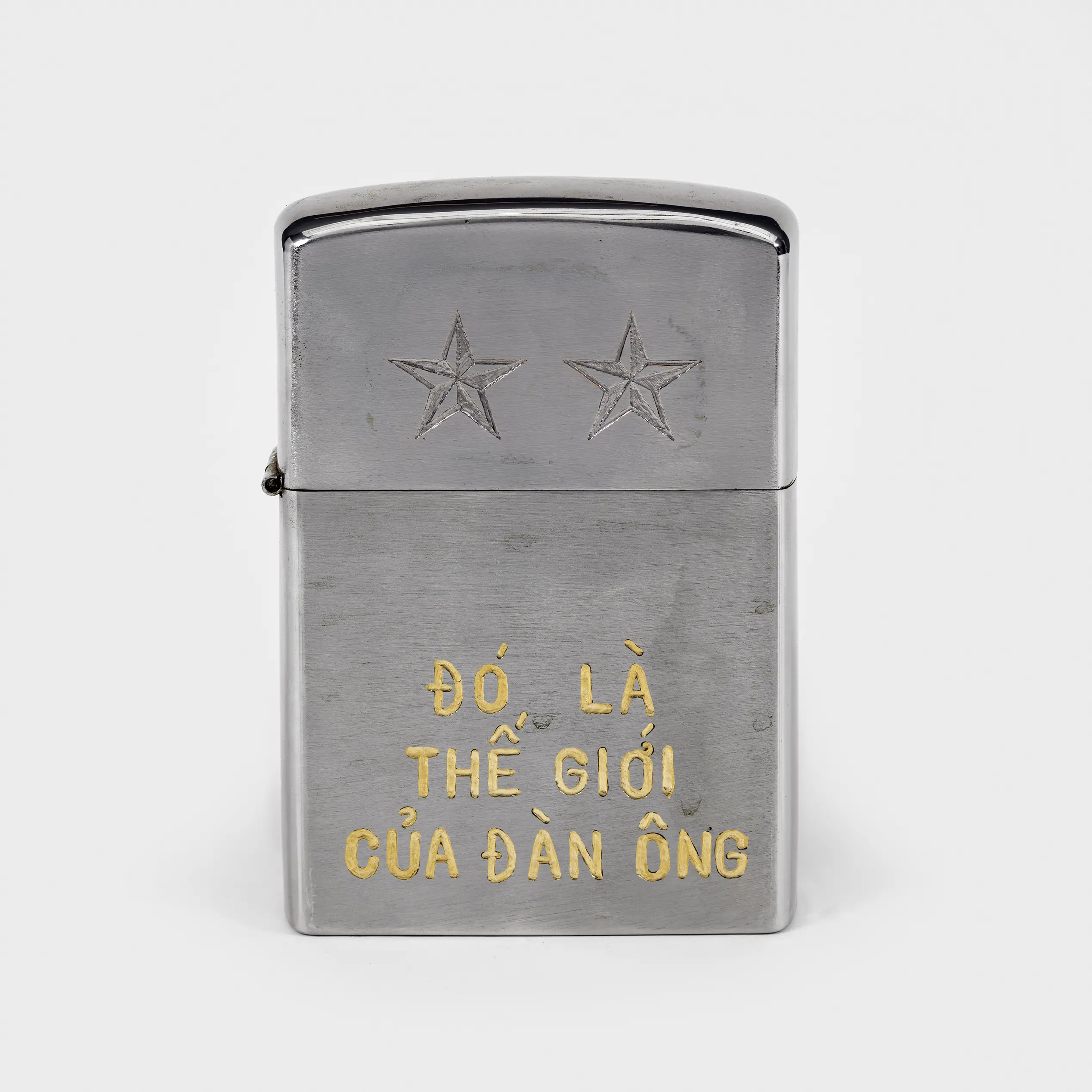
Theories of signification offer a structure through which we can understand how an image generates meaning, but the theory alone cannot provide all the answers. Deep research and understanding of individual experience, artistic praxis, and historical and geographical context enable theory to be grounded and fleshed out, and this process alone can generate new theoretical models. Like artworks produced under other colonial, postcolonial, postwar, late socialist, and globalising conditions, art from Vietnam offers modes of visuality and communication that may not be fully understood within imported and unquestioned models of signification. This is why it is the job of the researcher to slow down and take time to think through theoretical models. Only then can one consider how these tools might be synthesised with other analytical approaches – perhaps rooted in religion, philosophy, language, the body, the environment, or vernacular culture – that afford more complex and integrated modes of understanding.
In my own work, I’ve examined the notion of the “graphic regime”, for example, as a concept partially informed by art historical studies that have focused on writing as image and practice in the context of East Asia.² The “graphic regime” certainly engages at a deeper level with dimensions of semiotic interpretation, but that is only one layer of a more complex model of thinking that moves beyond Saussure’s or Peirce’s structure of the sign. As other art historians have done, one can start with an established theoretical model, but then develop it more thoroughly by understanding how images and acts of meaning-making are embedded simultaneously in artistic subjectivity, community, culture, history, and place. Signification occurs within this constellation, and the constellation can also change as the work of art moves through time and place.
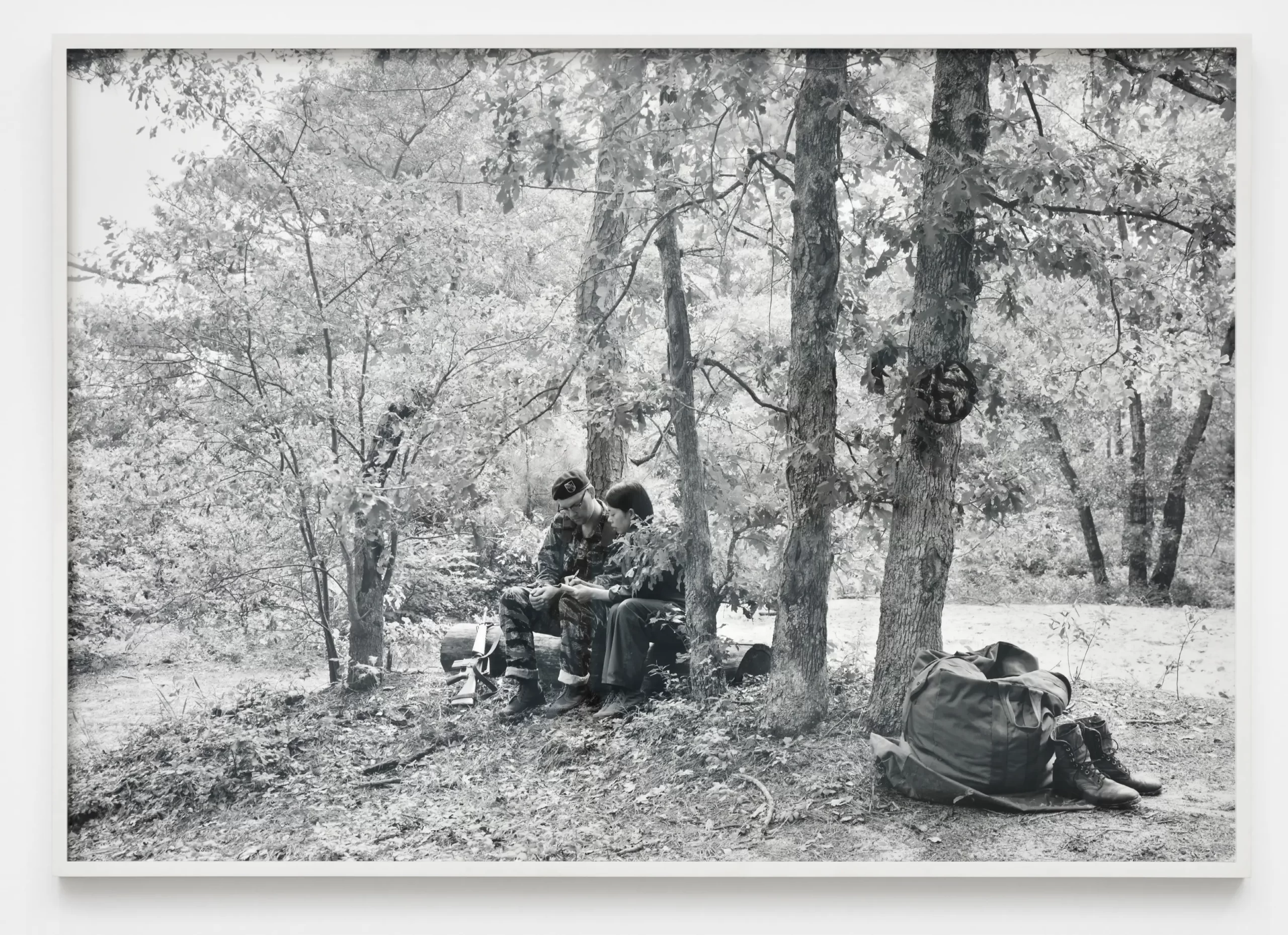
What are some specific ways image and text have been integrated to exemplary effect within Vietnamese contemporary art?
There are many examples but I’ll share a couple here.
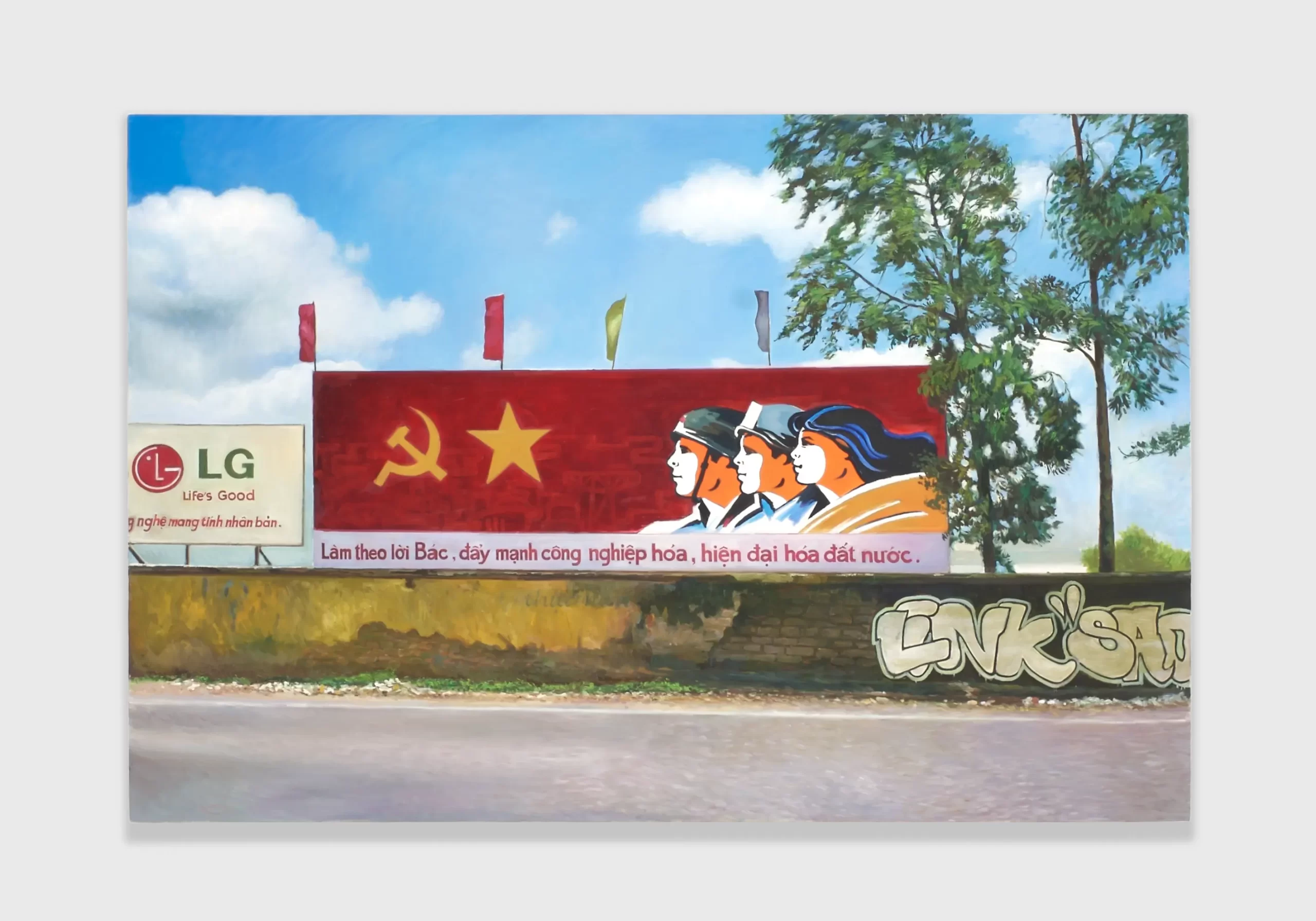
One of the artworks that informed the conception of my book, The City in Time: Contemporary Art and Urban Form in Vietnam and Cambodia, is a painting from the series Proposal for a Vietnamese Landscape (2005–2006) by Tuan Andrew Nguyen (b. 1976).³ The paintings are the result of a collaborative process entailing photography, digital collaging, and oil painting, and each one presents a semi-imagined snapshot of the cultural, economic, and political dynamics shaping the Vietnamese cityscape during post-Renovation globalisation. The artist relies on literal signs – posters, graffiti tags, and advertising billboards – to mimic how these seemingly opposing symbols have become entangled on city surfaces. They say something about how contending visions of modernity linger in our everyday environment in Vietnam, and how such seemingly contradictory ideological systems may even use similar visual strategies of communication. At another level, one can “read” the paintings like texts. The artist constructs a visual narrative through painting in an almost classical way.
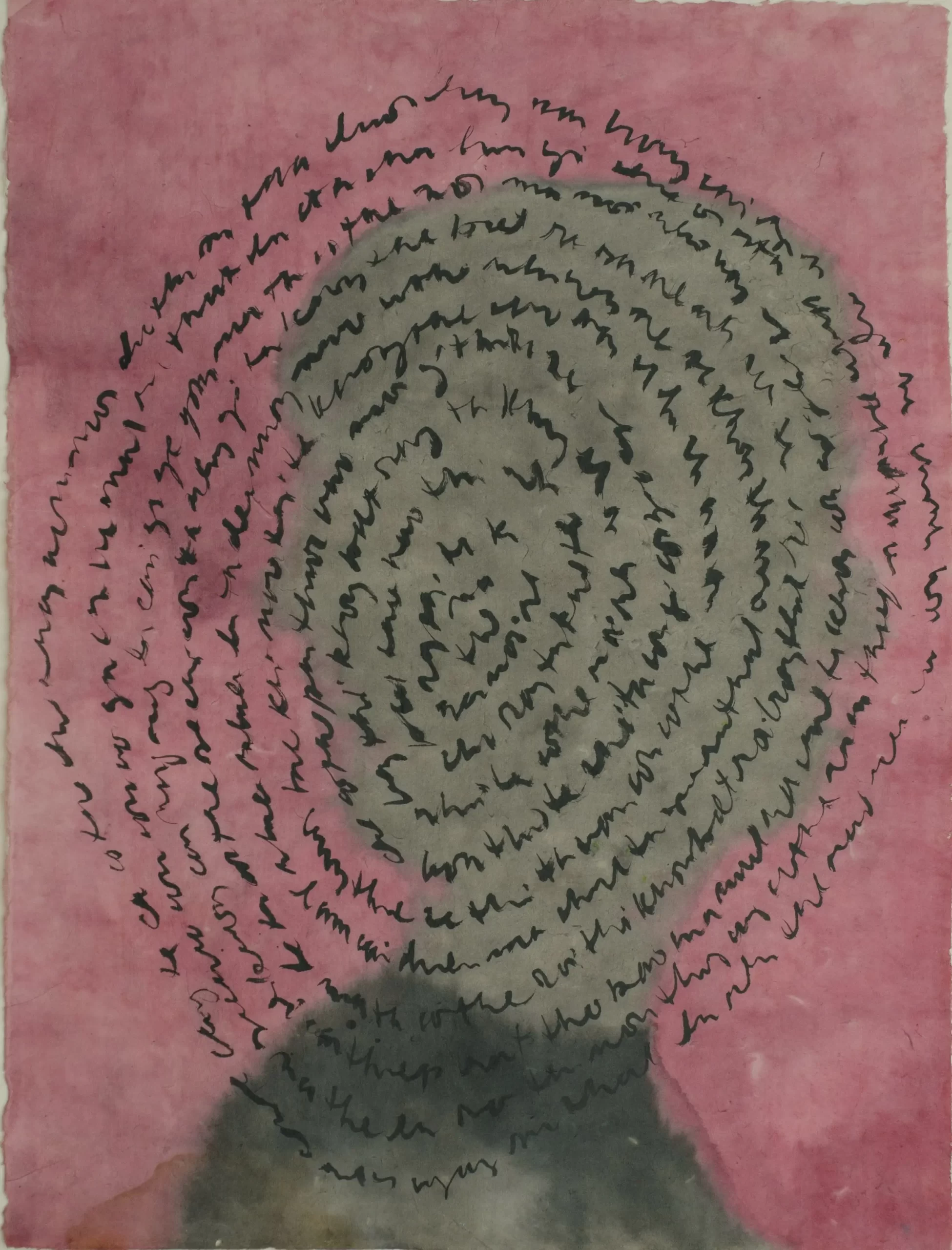
I’m also very interested in the activities of the former Zenei Gang of Five collective, comprising Le Quoc Viet, Tran Trong Duong, Nguyen Quang Thang, Nguyen Duc Dung, and Pham Van Tuan, who exhibited together – primarily in Hanoi – from 2007–2010. As artist-scholars, they drew on their expertise in classical Chinese and Nom to reimagine Vietnamese calligraphy through avant-garde and intermedial experiments. Their painterly handling of Nom script could be seen as both a form of heritage preservation and contemporary artistic practice. As such, their projects appeared to respond to the sociocultural conditions of post-Renovation Vietnam while situating Vietnamese calligraphy within broader histories of Asian art. In Le Quoc Viet’s (b. 1972) painting A Lime Mark can Never be Erased (2006), for example, Nôm characters are shaped to visually evoke the affective undercurrents of an 18th century poem by Ho Xuan Huong, amplifying the possibility of logographic-morphosyllabic script to express meaning as both linguistic and visual signs. While this wordplay is accessible primarily to Nom scholars (and I could only develop this interpretation with the input of historian Keith Taylor), the work’s crowded composition, tonal contrasts, and semi-dry brushwork visually convey the poem’s themes of confinement, gender inequality, and resistance to Confucian social conventions.
There are also very significant earlier works in the history of Vietnamese contemporary art by artists like Vu Dan Tan (1946-2009), Truong Tan (b. 1963), Nguyen Quang Huy (b. 1971), Nguyen Van Cuong (b. 1972) that engaged with text-image relationships in very compelling ways. In my article “The (Calli)graphic Regimes of Contemporary Vietnamese Art”, I analyse how their artworks used writing in a pictorial and performative way in the context of the 1990s, and I argue that works like these shifted understandings of what art could be in a post-Renovation context.⁴
How do you think the “signs” that signify, or supposedly signify, Vietnam have transformed in artistic discourse across post-Renovation decades?
This is a big question because one would need to start by specifying the iconography that supposedly defines Vietnam, and this could be quite contentious. It’s easy enough to cite political symbols like the flag or the iconic figure of Ho Chi Minh, or to reference the elegant bourgeois women that were commonly featured in Indochina School of Fine Arts paintings. But rather than try to generalise, I might start with a more specific comparative question, which considers what shifts took place from art within the revolutionary context to that of the contemporary. If the focus is “signs”, it might be useful to consider how the Vietnamese context differs from that of China or the former Soviet bloc, because in those places, one of the defining features of “postsocialist” art is the critical displacement and transformation of the potent symbols that defined the former guiding ideology. This was often demonstrated by artists using the visual language of Pop to create political parody, such as in Sots Art in the Soviet Union or Political Pop in China.
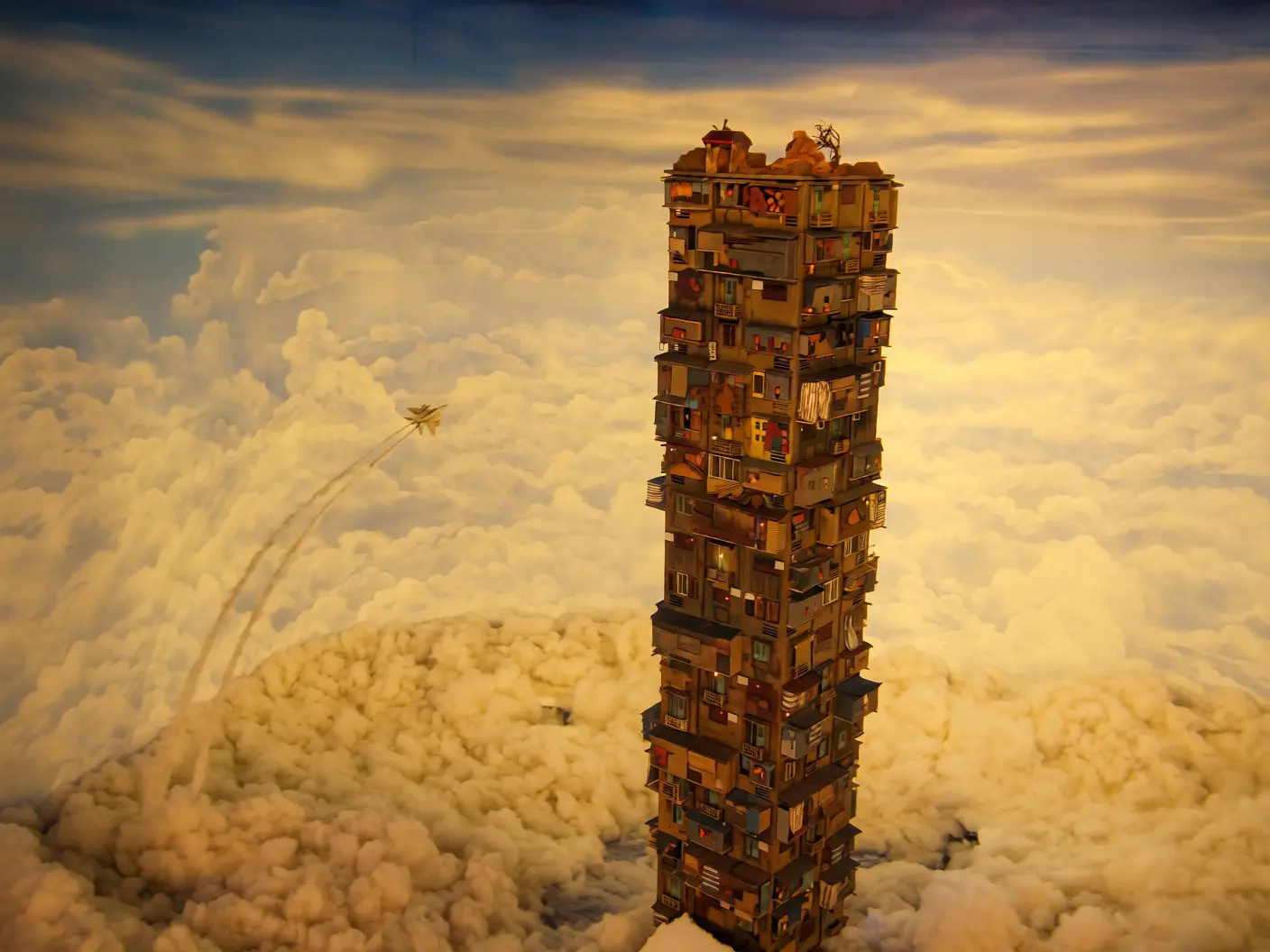
While there are perhaps a few Vietnamese artists who have done something similar with stylistic exaggeration and parody, I would say there is nothing comparable to Sots Art or Political Pop in Vietnam, in terms of a movement or trend. I think artists have chosen to navigate the symbolic images and practices of the past in highly individualised, personal, and usually indirect ways. In the recently published volume Signs and Signals from Vietnam: Essays on Contemporary Art, this is the focus of art historian Phoebe Scott’s essay.⁵ As Scott argues, works by such artists as Tran Luong, Nguyen Trinh Thi, Nguyen Manh Hung, and The Propeller Group can be better understood in relation to the pedagogical, behavioural, and ethical practices of socialist realism more so than its visual languages and symbols. These artists channel their own experiences with the cultural structures of socialist realism through mediums that include performance, socially engaged art, painting, and video. These works may indicate critique but also fascination, and even attachment. As such, Scott situates contemporary art in Vietnam within a diachronic historical framework, illustrating unexpected continuities between the modern – as proposed by socialist realism – and the contemporary.
Given the increasing circulation of Vietnamese contemporary art between local and international contexts, how do artists negotiate the tension between cultural specificity and international legibility? What kinds of signs, histories, or visual languages do they mobilise, and how are these transformed in the process?
It could be argued that the Vietnamese artists who were most prominent on the international art stage (such as through biennials) and in the global art market twenty to thirty years ago were primarily diasporic artists, such as Trinh T. Minh-Ha (b. 1952), An-My Le (b. 1960), Dinh Q. Le (1968-2024), and Tiffany Chung (b. 1969). The Second Indochina War, or what is known to much of the world as the Vietnam War, was often a key focus in their works, alongside the topics of migration, diaspora, and exile. As a defining event in global political consciousness, the war inspired worldwide movements of solidarity and resistance, giving these artworks particular resonance for international audiences through their historical references and their enduring themes of migration and exile, increasingly urgent in today’s global landscape. These artists continued to explore these topics outside of the context of Vietnam, for example, An-My Le looked to Iraq, Tiffany Chung did a series on Syria, etc. This is a way in which the artists critically developed their questions, research, and artistic methods, and also connected their specific experiences from Vietnam to broader global contexts.
Today, many artists working across local and international contexts are similarly connecting their personal memories and life experiences to globally shared concerns and fields of inquiry. There are too many to examine here, but one example is that of the environment, ecological degradation, and uneven development. These topics – often condensed as “eco-art” or “eco-aesthetics” – are intertwined and appear in many contemporary artists’ practices and an increasing number of exhibitions around the world. But the topic alone does not make an artwork resonate locally and globally. Artists often find success when they experiment with formal choices in ways that provoke audiences to ask questions not just about the subject matter but how medium, materiality, and technology generate their own debates in relation to these topics.
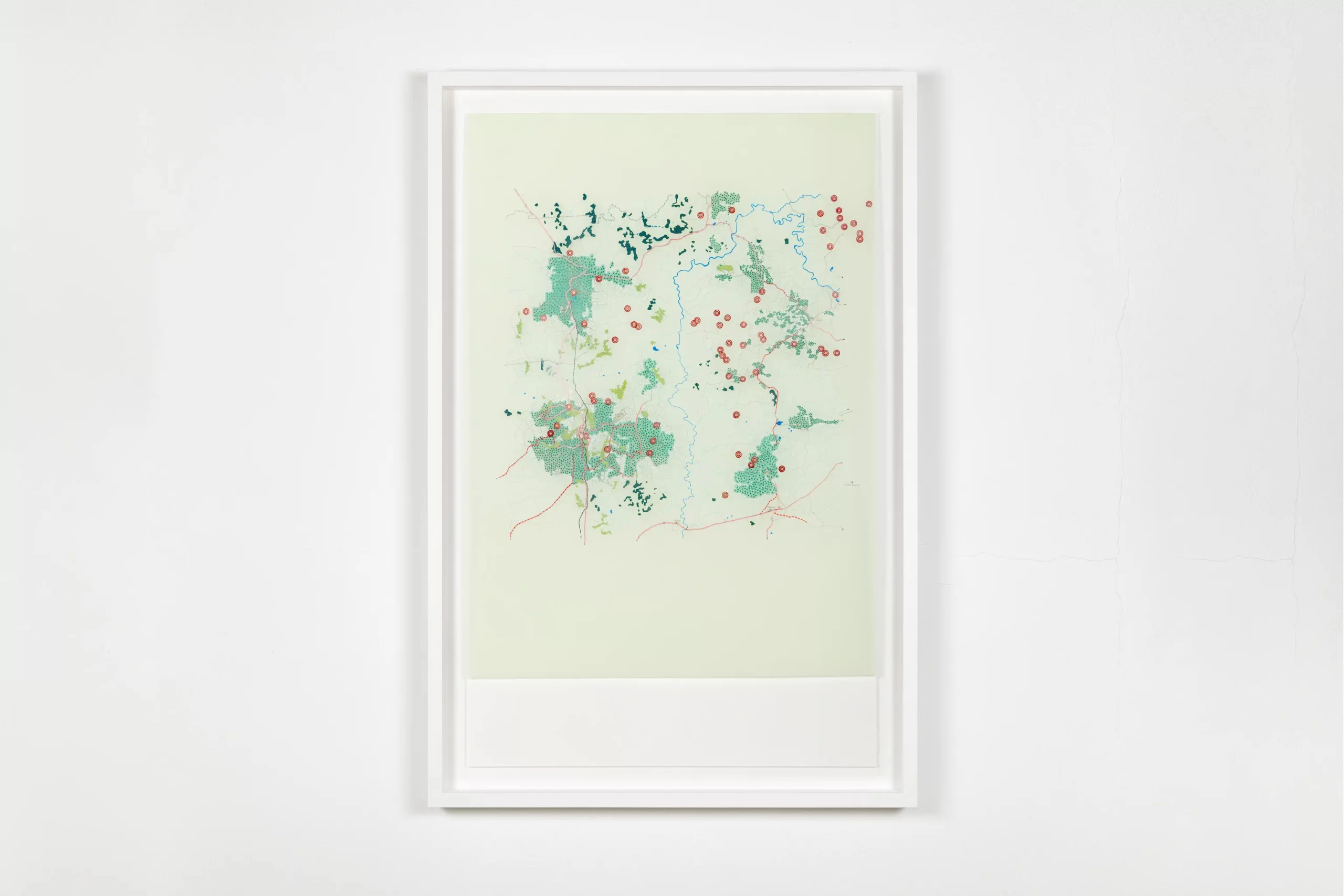
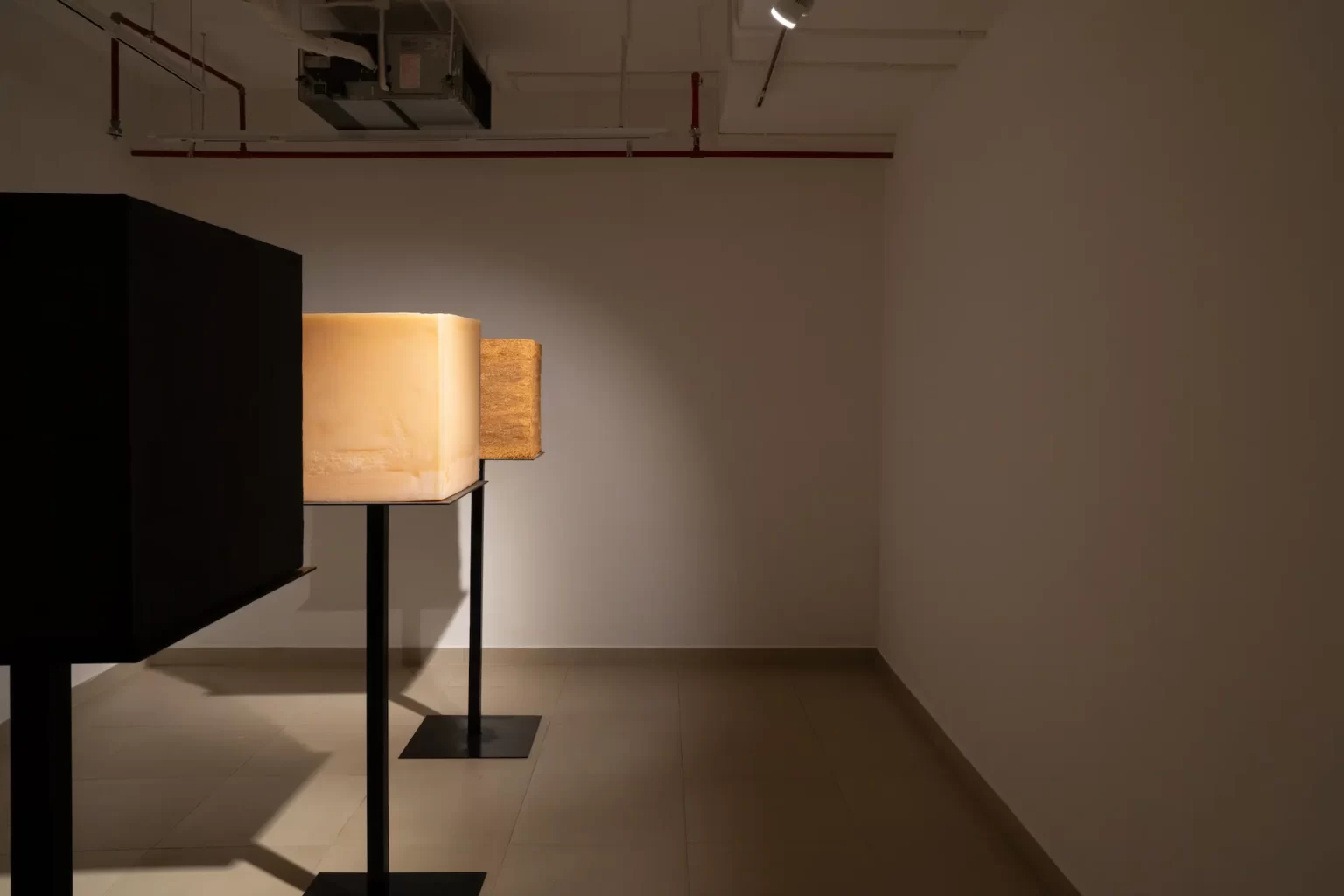
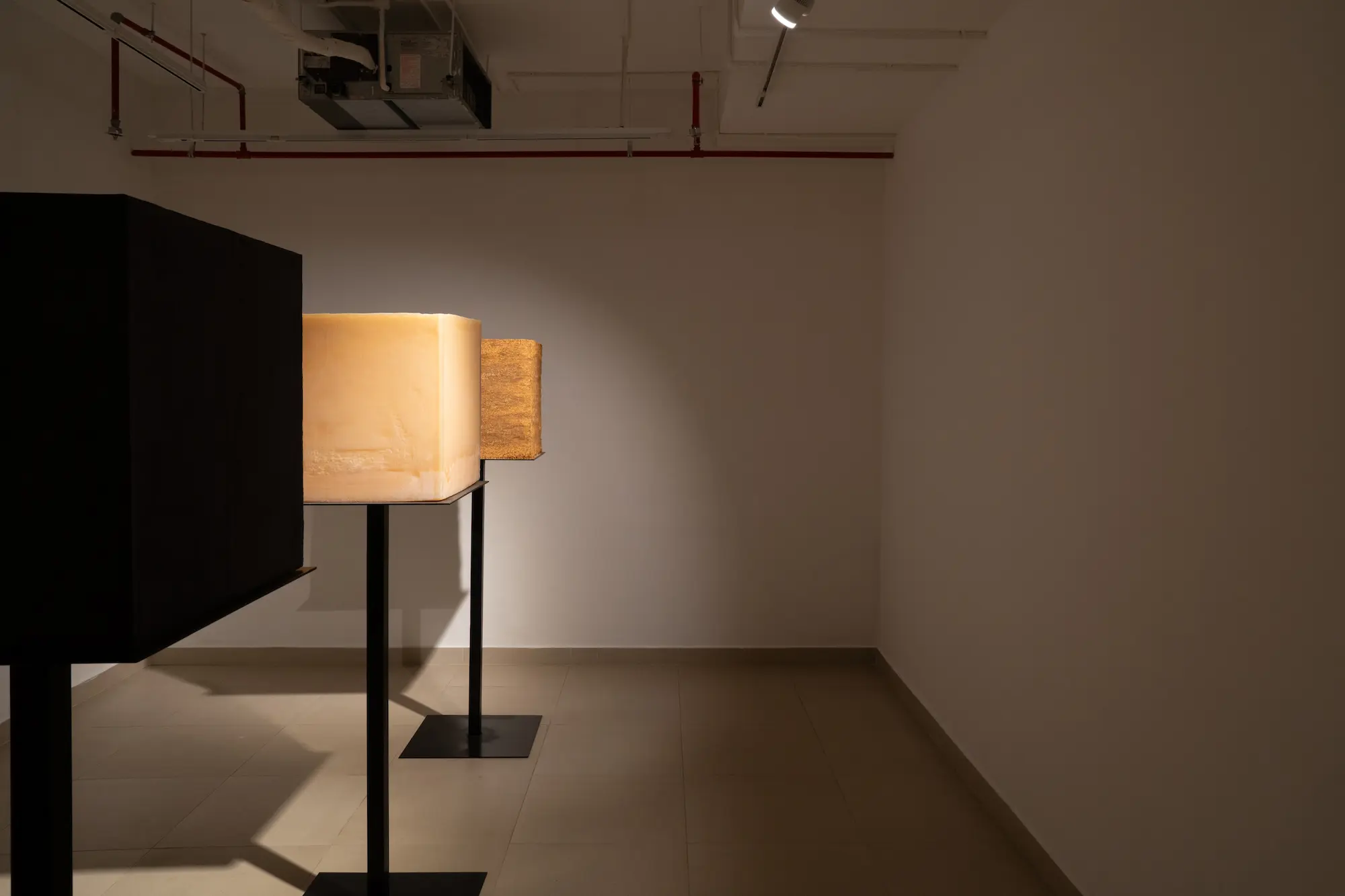
For example, Nguyen Trinh Thi – who has long been established as an artist working with the moving image – has been using new configurations of sound, biofeedback, and installation to pursue her thinking about listening practices in indigenous communities, and how these cultural systems are deeply embedded in natural ecologies. Truong Cong Tung similarly evokes ecological worlds through his dream-like installations, each of which functions like an environmental system that allows for growth and decay. For the artist, these are landscapes of memory inspired by his upbringing in the Central Highlands. In Signs and Signals from Vietnam, art historian Brianne Cohen looks at how Vietnamese artists engage the sense of smell in works that speak to ecological issues.⁶ One artwork that she analyses in depth is Soap-Rubber-Tobacco (2012) by Nguyen Phuong Linh. The sculptural installation is striking in its minimal presentation, which allows for audiences to grasp it through olfactory as much as visual perception, and to connect specific smells, and their associated memories, to histories of industrialisation in Vietnam.
Contemporary artists have approached archives as sites of embodied knowledge, imagination, anđ reinterpretation. If we consider visual and performance archives as forms of text, how can images, gestures, bodily presence, duration, and other ephemeral traces become means of annotating, revising, or challenging historical records? How are contemporary artists pushing against the limits of what archives can preserve and communicate?
The relationship between performance and its archival afterlives seems to now be a perennial question that has already been deeply theorised by scholars such as Peggy Phelan, Rebecca Schneider, among others.⁷ In the Southeast Asian region, where artists are already working within fragmented or uneven archives shaped by colonialism, war, and rapid urban transformation, these questions have been pressing for artists and cultural workers over the last twenty years, at least. Nora A. Taylor has written quite extensively about the relationship between performance and the document in the context of Vietnam and Southeast Asia.⁸ And more recently, curator Van Do contributed an essay that works through questions about the relationship between performance and its representations for Signs and Signals from Vietnam.⁹ How performance itself is archival served as one of the grounding theses for an exhibition she curated at Nguyễn Art Foundation (NAF) – Phu Luc Project (November 2025–May 2026) – which focused on the works of the performance collective Phu Luc over a span of 15 years from 2010–2025.¹⁰
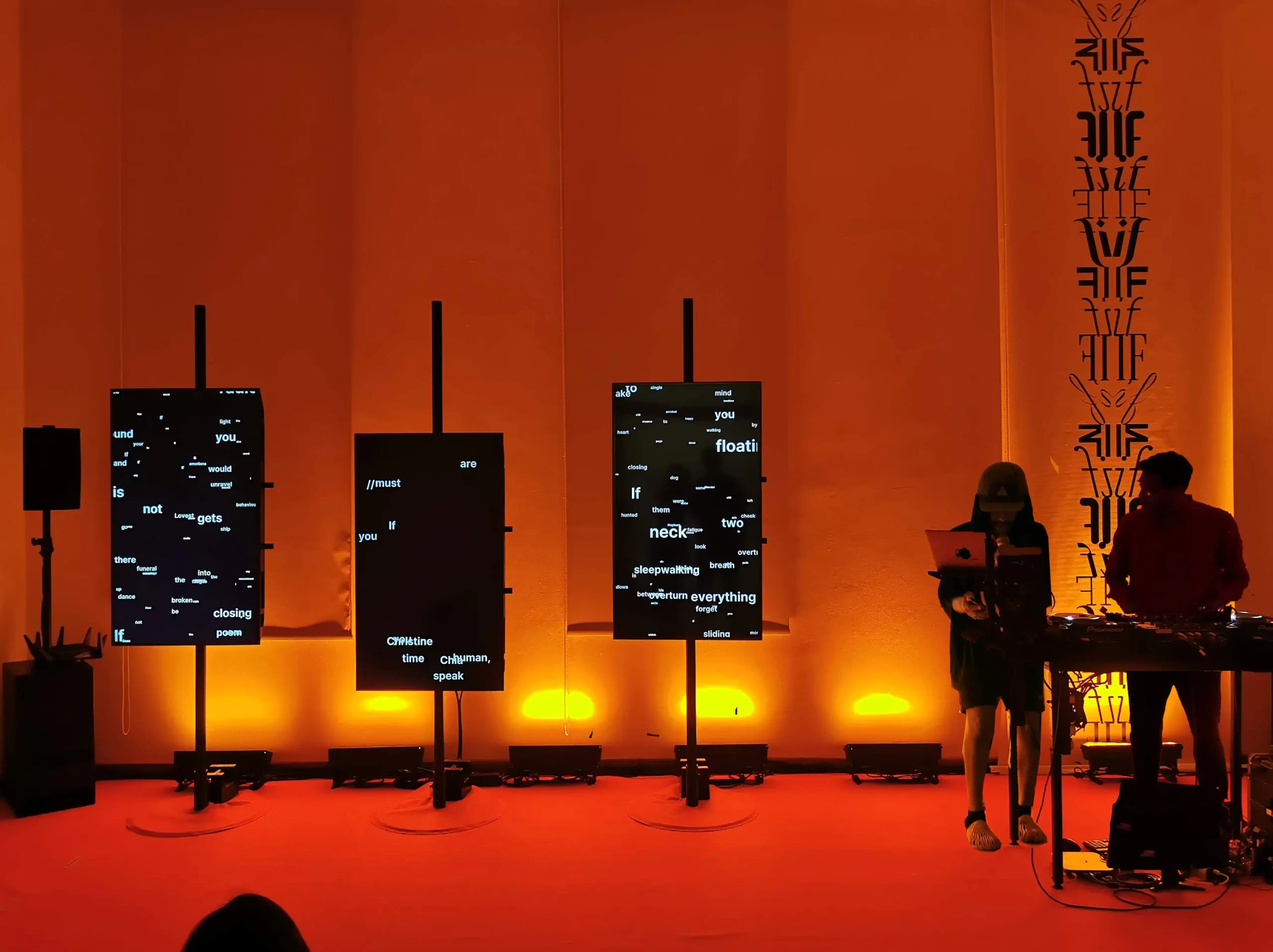
As we know, performance may be seen as resistant to the archive because of its temporal and physical nature. Phelan has notably argued that performance becomes itself through disappearance. But artists, curators, and scholars have explored and challenged the premise that performance is beyond reproducibility and offered generative ways of understanding its absences and traces. Such remnants and gaps serve as rich materials and spaces through which remembering can take place beyond documentation. As is evident from the programming that took place at NAF this past year and through Van Do’s own thinking on the subject, performance itself can be a form of historiography that invites continuous mediation and memory work rather than the empirical and transparent preservation that is assumed to be the authoritative function of the archive. And So, Into the Garden (7 June 2026, curated by Vu Duc Toan) – one of the programs at NAF – was particularly compelling in that it created an opportunity for intergenerational transmission between Phụ Lục and a younger group of artists. This was enabled not through direct teaching or performance re-enactment, but through the sharing of space, atmosphere, audience, complementary objects, and openness to contingency – a transmission of spirit, in a sense.
Such creative practices participate in broader perceptions of the archive as a site of ongoing interpretation and creative rethinking. Performance can force the archive to be constantly remade, and in turn, the archive continuously stimulates new forms of performance and artmaking. As such, artists and curators may challenge the assumption that historical knowledge is governed by traditional institutions. Instead, they propose new ways to transmit memory, provoke historical inquiry, and generate alternative sites of knowledge production.
Thank you for sharing your critical insights with us.
Words: Nguyễn Nguyệt Tóc Tiên
Translation: Art Nation
[1] Marian Pastor Roces, “Words”, Eyeline 22/23 (1993), pp. 45–48; Pamela N Corey, “Theory from Historiography: Stanley J. O’Connor’s and T. K. Sabapathy’s Writings on Southeast Asian Art”, Art History, vol. 48, no. 4 (2025), pp. 708–735.
[2] Pamela N. Corey, “The (Calli)graphic Regimes of Contemporary Vietnamese Art”, ARTMargins, vol. 13, no. 3 (2024), pp. 13–35.
[3] Pamela N. Corey, The City in Time: Contemporary Art and Urban Form in Vietnam and Cambodia, University of Washington Press(2021).
[4] Pamela N. Corey, “The (Calli)graphic Regimes of Contemporary Vietnamese Art”.
[5] Phoebe Scott, “Worker, Farmer, Soldier, Repeat? Art After Socialist Realism”, Signs and Signals from Vietnam: Essays on Contemporary Art, edited by Pamela N. Corey, Nora A. Taylor, and Do Tuong Linh, National University of Singapore Press (2026), pp. 27–55.
[6] Brianne Cohen, “Repairing the Air: The Environmental Politics of Olfactory Art”, Signs and Signals from Vietnam, pp. 201–220.
[7] Peggy Phelan, Unmarked: The Politics of Performance, Routledge (1993); Rebecca Schneider, “Archives Performance Remains”, Performance Research, vol. 6, no. 2 (2001), pp. 100–108.
[8] Nora A. Taylor, “The Document as Event: Vietnamese Artists’ Engagements with History”, Art Journal vol. 77, no. 4 (2018), pp. 72–83; Nora A. Taylor, “Sedimented Acts: Performing History and Historicizing Performance in Vietnam, Myanmar and Singapore”, Southeast of Now. vol. 6, no. 1 (2022), pp. 13–31.
[9] Van Do, “Any Historiographical Projects Is a Performative Project: A Proposal”, Signs and Signals from Vietnam, pp. 140–59.
[10] Nguyễn Art Foundation, Phu Luc Project (2025– 2026).