Đọc phiên bản tiếng Việt tại đây.
Scholars and scholar-officials of earlier times brought poetry, calligraphy and painting together in “literati painting”. The crystallisation of knowledge within this tradition helped enrich Vietnamese cultural life. Over thousands of years, how has the relationship between literature and painting shaped aesthetic conceptions?
“Literati painting” – a genre of painting practised by the literati-gentry class – is a distinctive tradition within East Asian art, centred chiefly in China before spreading to Vietnam, Japan and Korea. What defines literati painting is not virtuoso technique, but the fact that its makers were not necessarily professional painters. They might be literati, poets, officials, scholars or thinkers – some well-versed (though not necessarily comprehensively) in the Four Arts of qin (music), qi (the board game of go), shi (poetry) and hua (painting), yet also adept at painting. For them, painting was a means of spiritual self-cultivation and of confiding their deepest feelings.
In the history of Chinese art, this tradition developed over historical epochs. Literati painting began to take shape during the Six Dynasties period and became increasingly prevalent under the Yuan dynasty, when intellectual elites found themselves constrained under Mongol rule. Painters were more inclined towards literati painting as a form of escapism. During the Ming-Qing period, the movement reached its zenith and at the same time branched into numerous schools whose legacies continue to the present day.
Each painting can be seen as a reflection of its maker – their scholarly background, talent, temperament and inner lives through poetic grace and painterly vision, and through literary air and calligraphic rhythm. A classic literati painting is a harmonious synthesis of poetry, calligraphy, painting and seal-engraving. It favours the tonal gradations achieved through ink-and-wash techniques, deftly deploying absence and presence, density and dispersion, and most notably, liu bai (empty space).
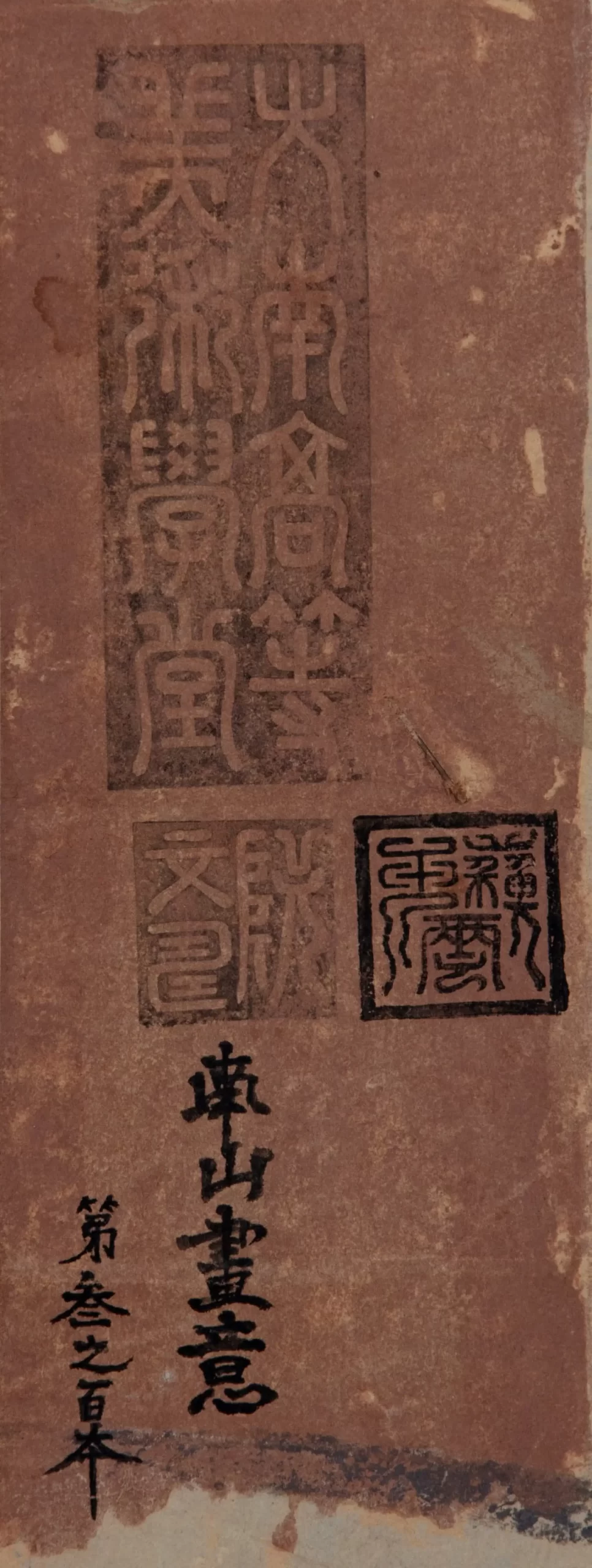
By comparison, Vietnamese culture was shaped by climate, weather, war and an educational ethos bound to the pursuit of officialdom. The spirit of literati painting was far less clearly articulated – its traces now appear mostly in ornamentation and architecture, or as quiet echoes in select Zen verses. The Ly, Tran, Le and Nguyen dynasties certainly absorbed the practices of poetry, calligraphy, painting and seals to a considerable degree. Yet writing and painting were pursued more as forms of self-cultivation. When Western fine art entered Vietnam, some painters still retained the spirit of old learning, but what remained was little more than a faint echo of ink-wash painting, or the use of calligraphy and seals to evoke vestiges of a bygone era.
To date, no clear trace of this genre has been identified within the history of Vietnamese art. At most, what lingers are subtle reflections of the adage “as is painting, so is poetry” across the imagery-rich prose and verse of premodern literature. From an aesthetic perspective, literati painting’s greatest influence on Vietnamese painting and art lies in the selective adoption of the unity of poetry, calligraphy, painting and seals.
Literati painting can be understood as the convergence of three intellectual currents: Confucianism provided its moral ideals and character; Daoism nurtured its spirit of unfettered freedom; and Chan Buddhism offered an aesthetics of stillness. This very fusion gave literati painting its singular identity. The Vietnamese once resonated with this spirit, finding expression in an intimate responsiveness to nature. Regrettably, this reception went little further, constrained as it was by external circumstances.
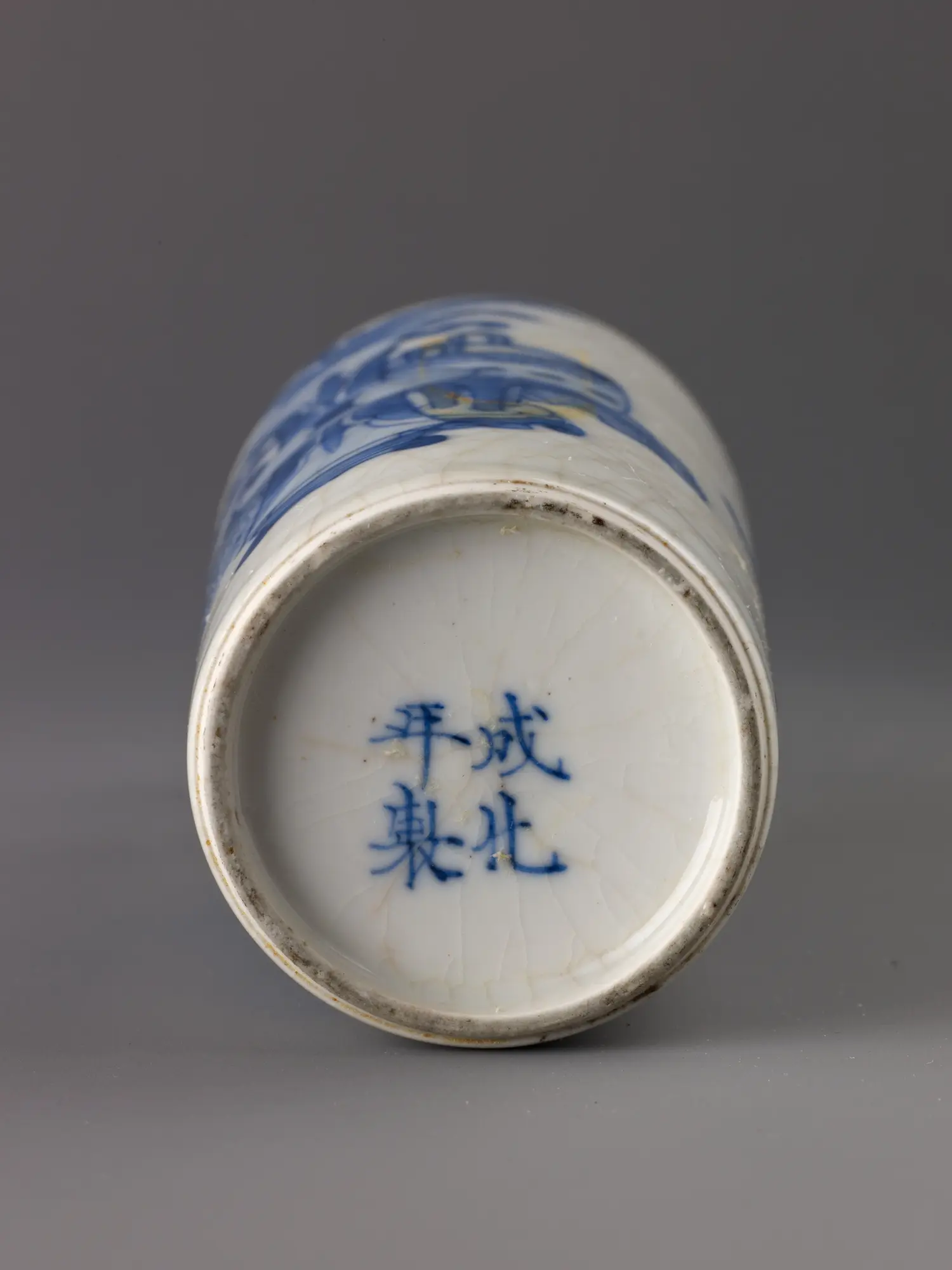
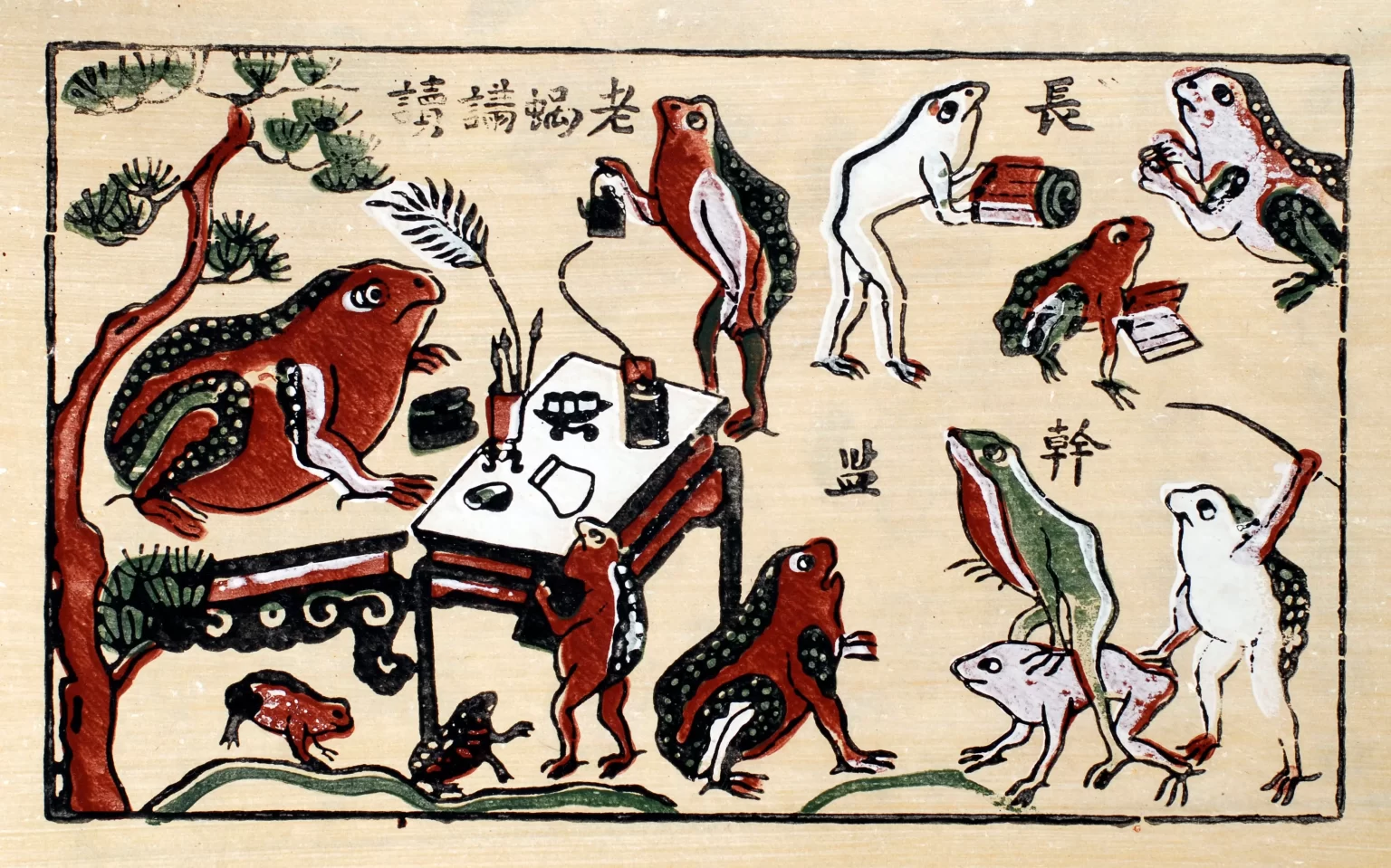
Among folk prints, especially Dong Ho folk woodblock prints, Vietnamese artisans developed a habit of adding written characters to images in the form of parallel couplets. Their knowledge of literature and society is plainly visible through a distinctive form of wordplay. Do the words inscribed on folk prints merely provide context for the story, or do they also possess an aesthetic and educational value comparable to that of an independent work of calligraphy?
Within folk art traditions, Vietnamese artisans did indeed possess a distinct affinity for wordplay, yet this was not calligraphy in the strict sense. In Vietnamese folk arts, annotations on an image can be understood both as a visual component and as a vehicle for ideas. However, folk prints in general were block-printed works produced from an initial model and then multiplied using relief printing techniques, whereas literati painting remains a unique, non-reproducible medium.
The characters inscribed on folk prints serve as supplementary text, helping viewers understand the image and at times fixing it to an explicitly didactic meaning. Like the image itself, the text was carved into the same block for reproducing purposes and therefore carried no individual imprint. Image and text were, in effect, almost communal products. Accordingly, the pictorial and textual content – whether poems, parallel couplets or commentaries – conveyed life experience, moral principles and the voice of the community. This difference reflects two parallel aesthetic systems: the scholarly aesthetic of the literati-gentry on the one hand, and the folk aesthetics of the broader community on the other.
When Western academic art was introduced to Vietnam under French colonial rule, Indochinese artists continued to inscribe colophons in classical Chinese or Nom characters on their paintings. Some painters, including Nguyen Phan Chanh and Nam Son, also used seal-script on certain works instead of signing their names in Quoc ngu. From the perspective of a calligrapher, were these colophons and seals an attempt to carry forward the spirit of Confucian learning at the time?
In Western art, the signature on a painting or other types of artwork primarily serves to confirm authorship and the legal protection attached to the work, including its original ownership. In the traditional East Asian arts, however, the colophon carries a much broader range of meanings. A complete colophon typically records the time and place of creation and the artist’s name or sobriquet, and may also include a dedication, prefatory remarks, a few lines of reflection or comment on the creative act, and finally a series of personal seals (among which the artist’s personal seal functions much like a signature and stamp of authorship). Thus, colophons and personal seals are both indispensable parts of the work. Together they complete its visual rhythm, add cultural depth and assert the creator’s spiritual identity.
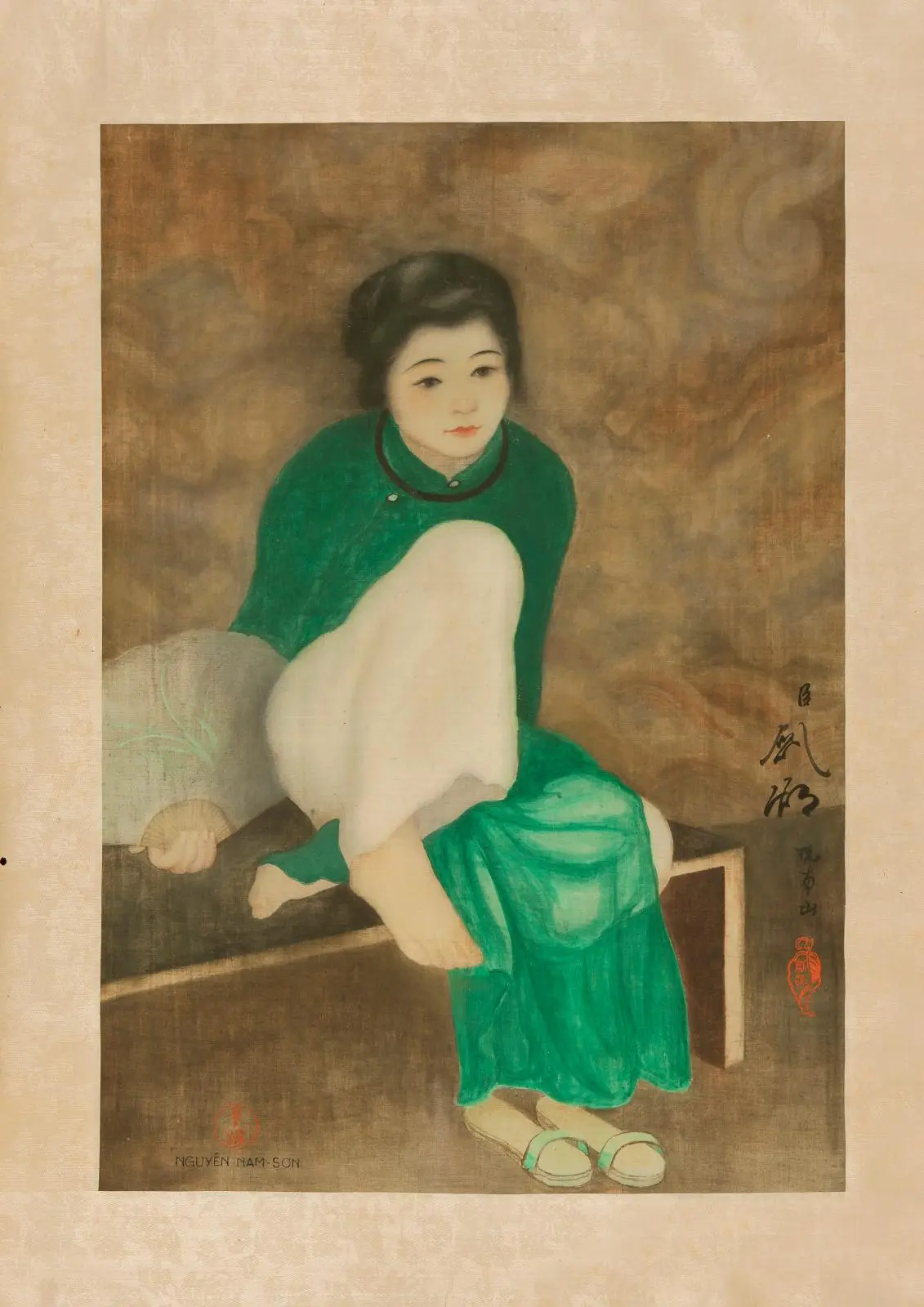
From the standpoint of a researcher, teacher and practitioner of calligraphy, ink-wash painting, and seal carving, I would not completely regard those colophons and personal seals as an attempt to perpetuate the spirit of Confucian learning. Painters used these forms as decorative solutions, sometimes even as a habitual technique calibrated to synthesise Eastern and Western aesthetics, or as a means of holding on to the nostalgia for a fading Confucian order. Yet, strip the inscriptions and seals from Nguyen Phan Chanh’s silk paintings, and the composition would feel incomplete. This reflects an aesthetic consideration virtually absent in Western art, and partially accounts for the distinctive appeal found in the works of the artists in question.
We should also objectively acknowledge that not all inscriptions in classical Chinese or seal impressions by Indochinese painters carry profound scholarly depth. These painters were neither traditional literati painters nor calligraphers. This reflects the historical reality that, from the beginning of the 20ᵗʰ century, classical Chinese learning in Vietnam was already approaching its end; the Indochinese artists belonged to an intellectual generation caught between two cultures. Their colophons and seals no longer served the rich literary functions seen in classical literati painting, but operated instead as signs bearing the residue of a disappearing culture.
Within the aesthetic framework of Western painting, the act of inscribing Sino-Nom poetry or stamping personal seals onto a painting rendered in Western techniques appeared at once novel and classical. It was precisely because of this remaining Sino-Nom “spirit” that, when Vietnamese silk paintings were sent to colonial expositions in Paris, Western audiences were completely won over. They encountered a locally rooted Vietnamese art that stood firm in its own dignity, backed by philosophical weight and rich civilisational heritage.
Speaking of text and image in the Indochina period, how might personal seals and colophons on Indochina-period paintings enable historians of art and culture to broaden their methods of inquiry?
Whether viewed by general audiences, critics or museum authenticators, the colophon can provide useful information. It offers more than textual facts about who made a work, where it was created, under what circumstances and with what intent. An assessor may also be able to determine who wrote the inscription, who painted the work, who carved the seal, when and where the inks and pigments were produced, who used them and whether they were used correctly, among other things.
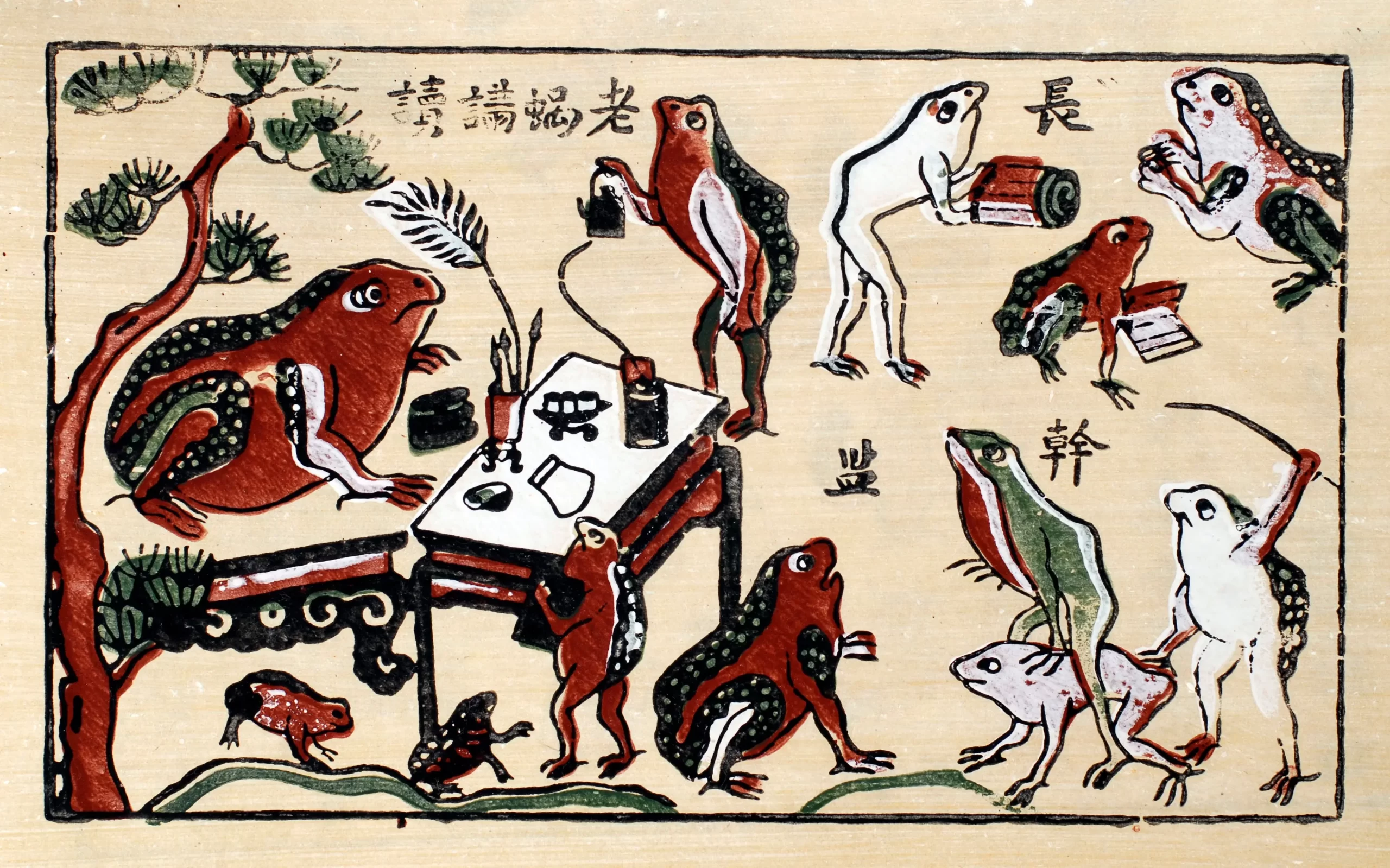
Under the same standards and frame of reference, personal seals alone offer much more in the art of seal carving to decode. This expands the assessment work from the perspective of cultural mentality. The transformations of the Indochina period reveal a process of cultural self-positioning, as artists moved from the cultural position of Confucianism to that of the “modern painter”.
From temporal and geographical information in the colophon, or in the personal seals themselves, we can undertake chronological and geographical analysis. Such approaches turn each painting into a form of historical data. This is especially significant for Indochinese art, because its painters both absorbed European academic art and retained a foundation in classical Chinese learning to a certain degree. If a specialised database of the colophon and personal seals of Indochinese painters could be built – including transcriptions and readings, translations, calligraphic styles, seal types, materials, compositional placement, relationships with seal carvers and changes across different stages of an artist’s practice – it could provide a foundation for rewriting part of the history of Vietnamese art. At that point, colophons and personal seals would cease to be marginal details tucked into the corner of a painting and instead become texts preserving traces of learning, aesthetic sensibility, intellectual networks and cultural identity. This is an interdisciplinary approach with considerable potential, bringing art history together with Sino-Nom studies, calligraphy studies and seal-carving studies.
Inscriptions add further layers to a work, whereas institutional seals symbolise a form of authority – as seen in the “Dai Nam cao dang My thuat hoc duong” (Dai Nam College of Fine Arts) seal stamped on works by celebrated Indochinese painters such as Storks and Fish (1927) by Nam Son and Boat Landing on the Red River (1931) by Do Duc Thuan. What do you make of the seal as an indicator of the relationship between knowledge, power and aesthetics?
I find this a particularly fascinating issue in the transitional period of Vietnamese art, because an institutional seal (belonging to a school, agency, workshop or organisation) differs fundamentally from an artist’s personal seal. From the standpoint of power, the stature of a traditional East Asian artist was historically established through erudition, talent, reputation and marks of personal authority recognised by the community. Here, however, the interesting point is that while personal authentication may still have been present, it no longer operated solely through an artist’s own creative agency. It was also underwritten by “Dai Nam College of Fine Arts” – another name for the Indochina School of Fine Arts coined by some painters themselves. Through that institutional seal, we know that the work had passed through a standardised system of training and embodied the “new era” of Vietnamese art. This was unprecedented in our traditional art. Authority no longer belonged solely to the individual artist; it had shifted towards the educational institution.
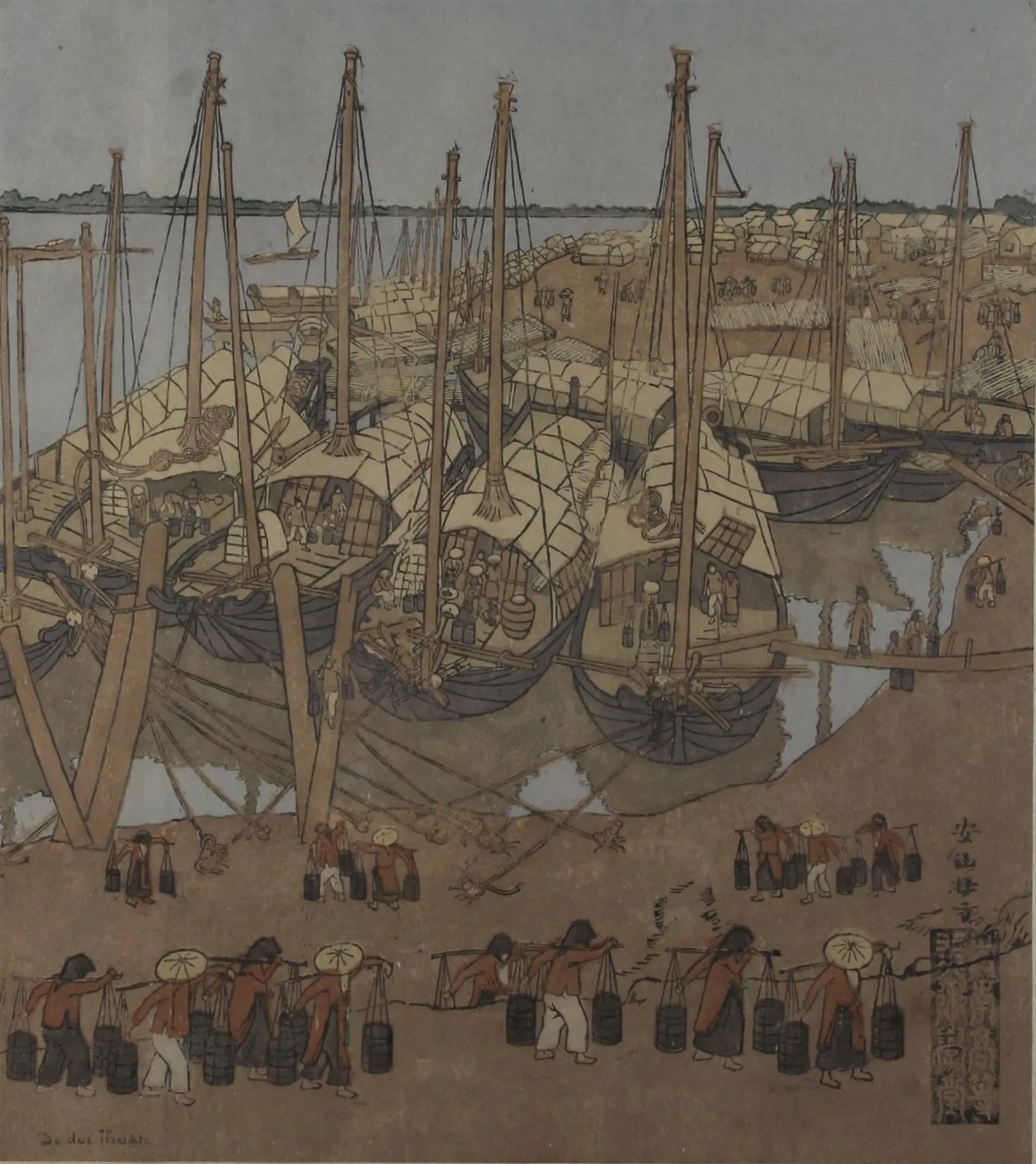
From the standpoint of knowledge, a seal, if seen simply as a stamp, remains an embellishment to the work. But if the institutional seal represents institutional power, the artist’s personal seal expresses internalised cultural capital. When stamped onto a work or object, these seals assert legitimacy and recognition by an institution and a community.
In terms of aesthetics, the presence of institutional seals reminds us that beauty is always nourished by the knowledge, intelligence and talent of the artist. At the same time, its position is established through the power of social institutions, which in turn helps shape the aesthetics of the future.
Words: Dao Hoa
Translation: Art Nation