Đọc phiên bản tiếng Việt tại đây.
While I was doing my doctoral studies at Cornell University, I worked one semester as a Teaching Assistant for two professional artists based in New York City. The course was an introductory survey of contemporary American art, which was incredibly popular and the students in the course came from all around the world. As is common practice for these types of courses, there would be a guest speaker scheduled every week, and it was my job not only to help set up and facilitate the conversations, but also to ask prodding questions, so that young students could learn how to approach and communicate with artists working in the field. Beyond the professional connections, the intent of these meetings was also to prepare these young, aspiring artists for a future that might lie ahead of them, wherein they might be subject to scrutiny not only the art they produced, but also how and the ways in which they respond to questions and criticisms.
In one of the sessions, one artist (who shall not be named) said that they had been inspired after reading Immanuel Kant and Gilles Deleuze, and that their work responded to this particular reading of the text. As someone who spent quite some time reading critical theory and continental philosophy, wherein both of these names are unavoidable, I was immediately enticed but also sceptical, as the art seemed, at least to me, just as good without that explanation. Moreover, as I heard the artist talk more about how they were inspired by those two thinkers, I really began to doubt whether or not they had really understood what those texts were saying, or how exactly the work was in conversation with said authors. Because I was young and eager to prove myself at the time, and seeing this as a pedagogical moment, I quickly initiated a series of questions interrogating the artist, who later admitted that they “didn’t really read the text.” They were embarrassed, and I was victorious.
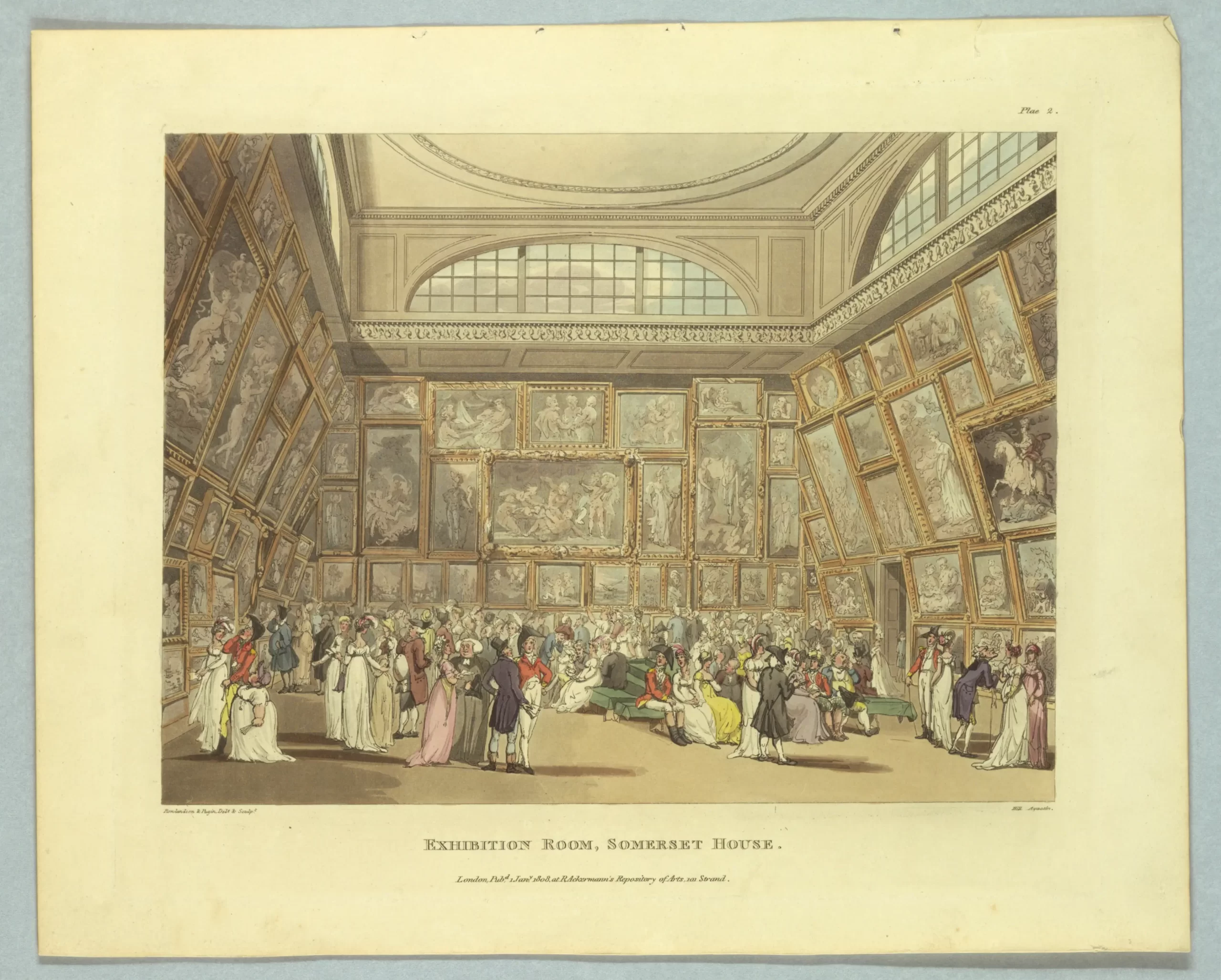
Thomas Rowlandson and Augustus Charles Pugin, Exhibition Room, Somerset House, from “Ackermann’s Repository” (1808), aquatint, brush and watercolours on paper, 24.7 × 29 cm. Gift of Hamill and Barker. Photo: Smithsonian Institution Archives.
In a way, I felt vindicated that I had cornered – perhaps bullied – someone to publicly admit that they hadn’t done the due diligence of understanding the core texts, and I also felt proud to demonstrate to students why they should just keep things honest and simple. Now that I am somewhat older and wiser, I realised that might not have been the best approach, neither professionally nor even as decent human adults. That artist and I have since become quite good friends, but that same feeling of scepticism accompanies me for every artist’s art, interview, and curatorial texts.
From NYC to Berlin to HCMC, and everywhere else in between, it seems more and more common that artists explaining their work are relying on external theories or “research” that in practice are perceptively quite detached from the actual work. On top of this, the curatorial texts that accompany these galleries, seem to take the form of something akin to mini MFA theses or manifestos, littered with more philosophical terms and concepts than is desired or even necessary. During the summer of 2025, I attended a number of gallery openings in both NYC and HCMC, where the curatorial texts are not only loaded with names of Western philosophers, but are also several pages long. And while some consider wall texts art in their own right, which might be disappearing in the digital age, this does not seem to be universally true at all art venues.¹ In fact, at some galleries, it seems like the reverse is true, and what they choose to say has become the basis for political disputes.²
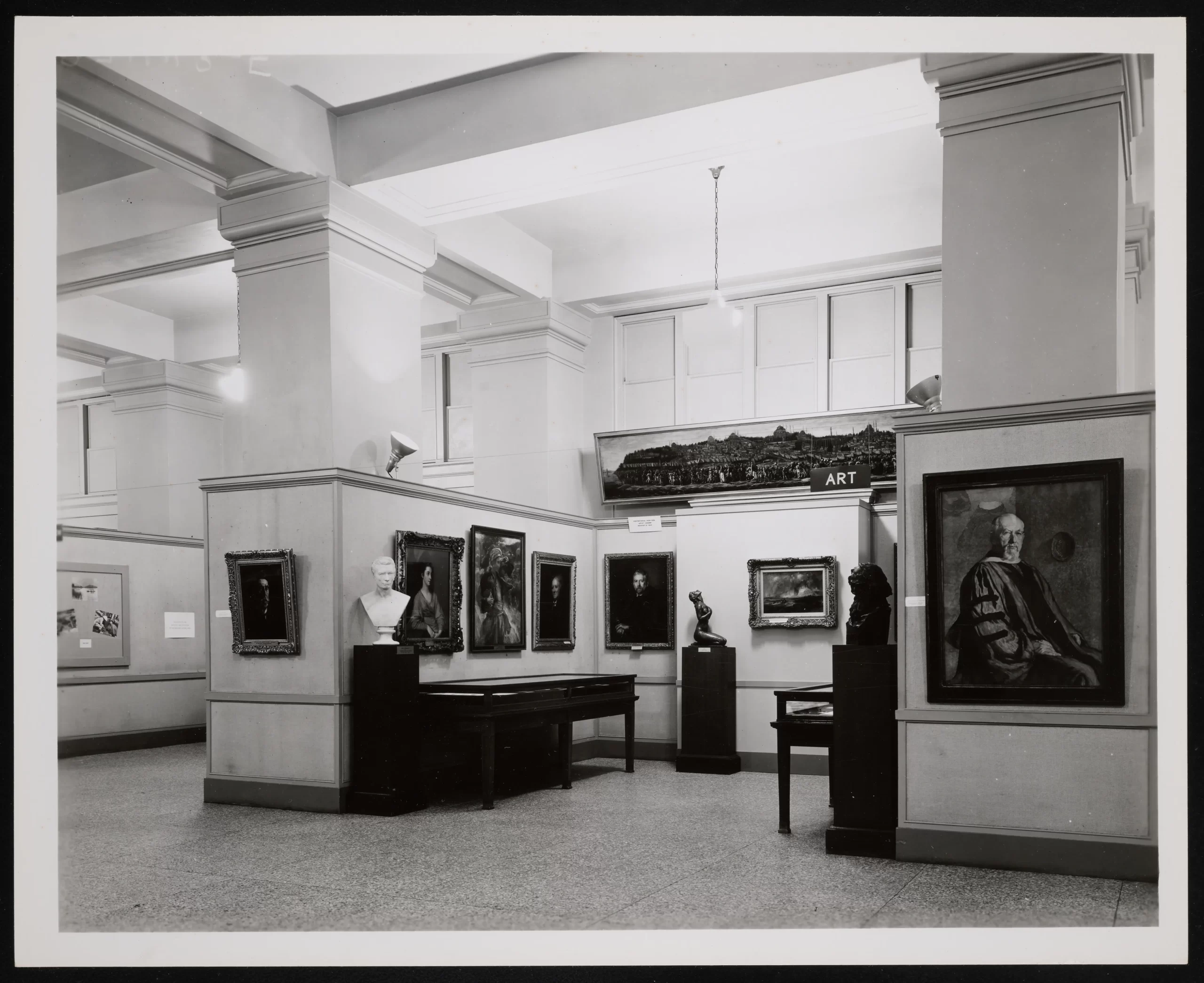
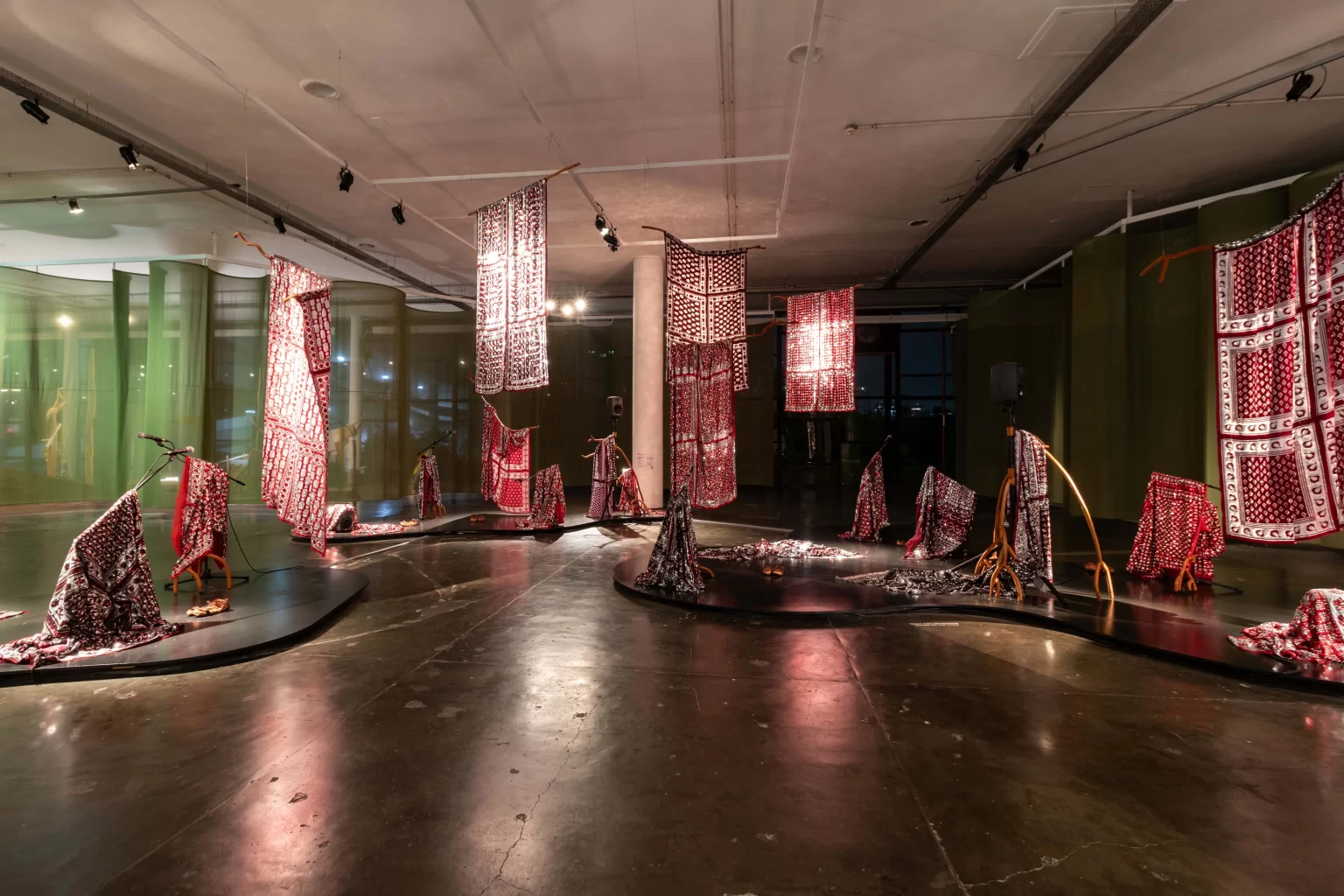
In another high-profile critique, art diva Aruna D’Souza noted on her time at 36th São Paulo Art Biennial that, “there were omnibus section texts for each of the show’s six ‘chapters,’ pasted onto pillars or dividing walls, containing detailed information about every contribution – up to 500 words per artist. Times 125 artists, that’s 62,500 words – longer than my last two books combined.”³ Truly exhausting, to say the least. Since when did curatorial and wall texts get so bloated? And what are the forces that have allowed for this recent phenomenon?
Part of what raises my concern is not simply the level of introspection of artists or the curators with whom they work, but rather the more uncomfortable status quo whereby the jargon-ladened explanation of the work acts as a paratextual anchor that extends into the art object itself, while also competing for the same attention as the artwork. Perhaps this is symptomatic of a tighter art market that demands for more elevated “artspeak,” where some artists feel not only compelled but also forced to provide painstaking elocution to prove their pedigree. Yet, why then do curators and museum organisers also feel the need to participate in this endless quest to overpack the exhibition experience? According to artist and curator, Paul O’Neil, by the 1980s, large scale curated group exhibitions and biennales have already begun to redefine curation from essentially art-stewardship into a curator-centred practice, then by the 1990s the lines between artist and curator were blurred.⁴ For the curator and writer Ingrid Schaffner, this added wall text “has become, like wallpaper, something of a dreary necessity, taken for granted even by the curators that write them,” and therefore, she warns, “can, and should be approached strategically and creatively – or should not be used at all. Bad wall text is, like bad writing, simply bad.” Yikes.⁵
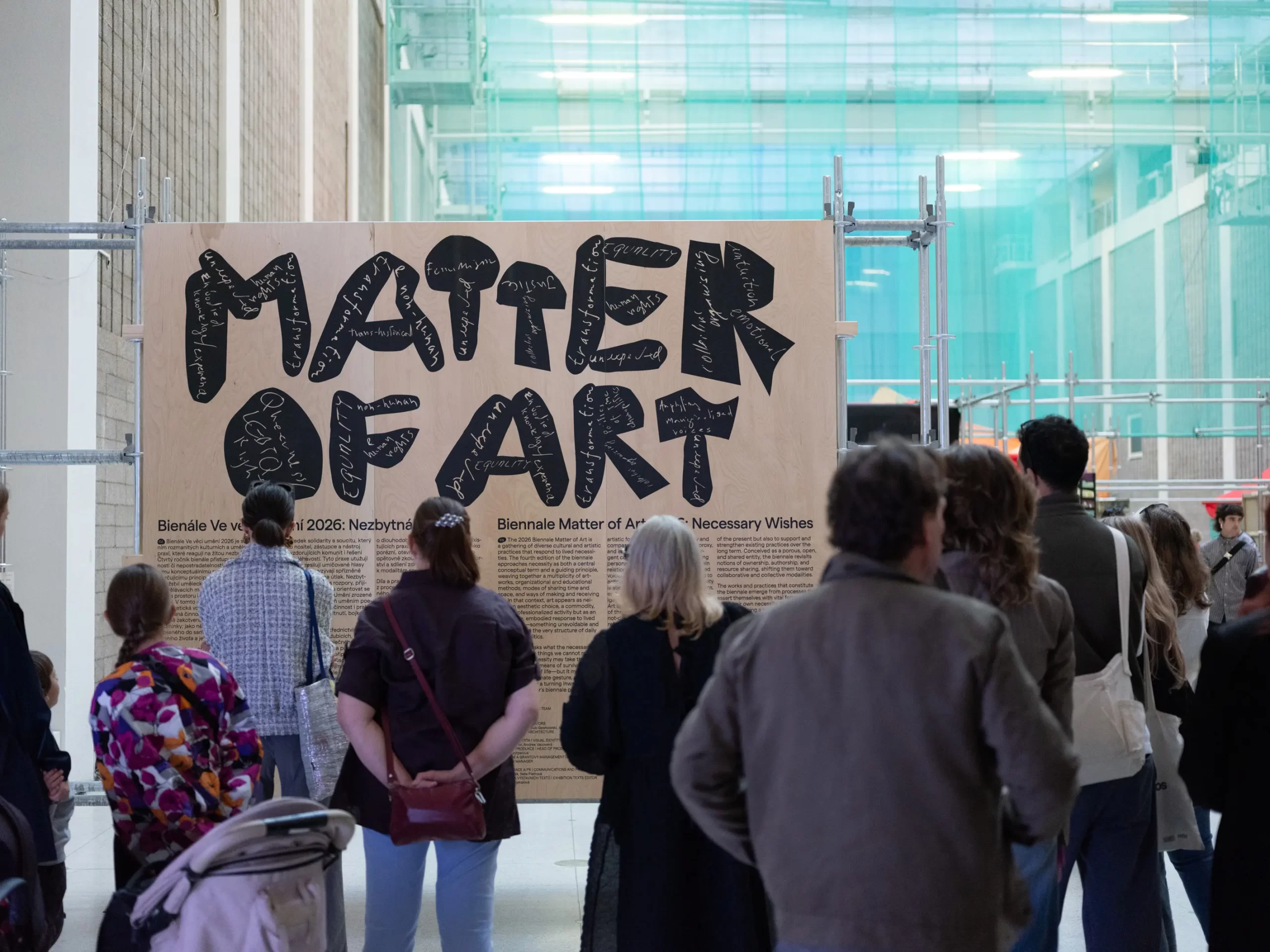
Maybe I’m old school, but even as an educator, I find the late Peter Schjeldahl’s argument for the simple pleasure of encountering art written over two decades ago quite convincing, and undoubtedly better than the “unaesthetic, educational spirit,” which “exhausts mental energy to no clear end.” And while I don’t dismiss the art of curation as having shifted and developed our understanding of place and context, what is it that we miss in these experiences of overcuration? These days, the title curator has become rather popular in Vietnam, and yet what often appears from these “curators”, is a desire for semblance and recognisability within the broader trends of the wider art world. But as most creatives know, what is trendy might not always be in good taste. So in the spirit of not being overly didactic, I’m not sure if there is some magic formula for art to text ratio, whether hand-printed or on the walls, nor would I endorse some universal decree. What if instead of treating the paratext as a shield against some crisis of legitimacy, we actually treated this part of curation like an art, where sometimes the suggestion of a mark leaves more of an impression than an overly painted imitation of the real itself?
Words: Vinh Phu Pham
Translation: Art Nation
[1] Emma Riva, “Museum wall texts are an art in their own right – but will they survive the digital age?”, The Art Newspaper (2026).
[2] Zachary Small and Robin Pogrebin, “Is Museum Wall Text the Next Political Battleground?”, The New York Times (2026).
[3] Aruna D’Souza, “The Sticky Politics of Wall Texts”, Hyperallergic (2026).
[4] Paul O’Neil, “The Culture of Curating and the Curating of Culture(s)”, The MIT Press (2016).
[5] Ingrid Schaffner, “Wall text”, What Makes a Great Exhibition?, Philadelphia: Philadelphia Exhibitions Initiative (2013).