Đọc phiên bản tiếng Việt tại đây.
Joseph Inguimberty’s biography
Joseph Inguimberty (1896–1971) was born in Marseille, France. Inguimberty’s commanding artistry was recognised early on his career as a young man admitted into the Marseille School of Fine Art (École des beaux-arts de Marseille) at the tender age of 14. The artist sought to further his passion for art and architecture at the renowned Paris Higher School of Decorative Art in 1913.
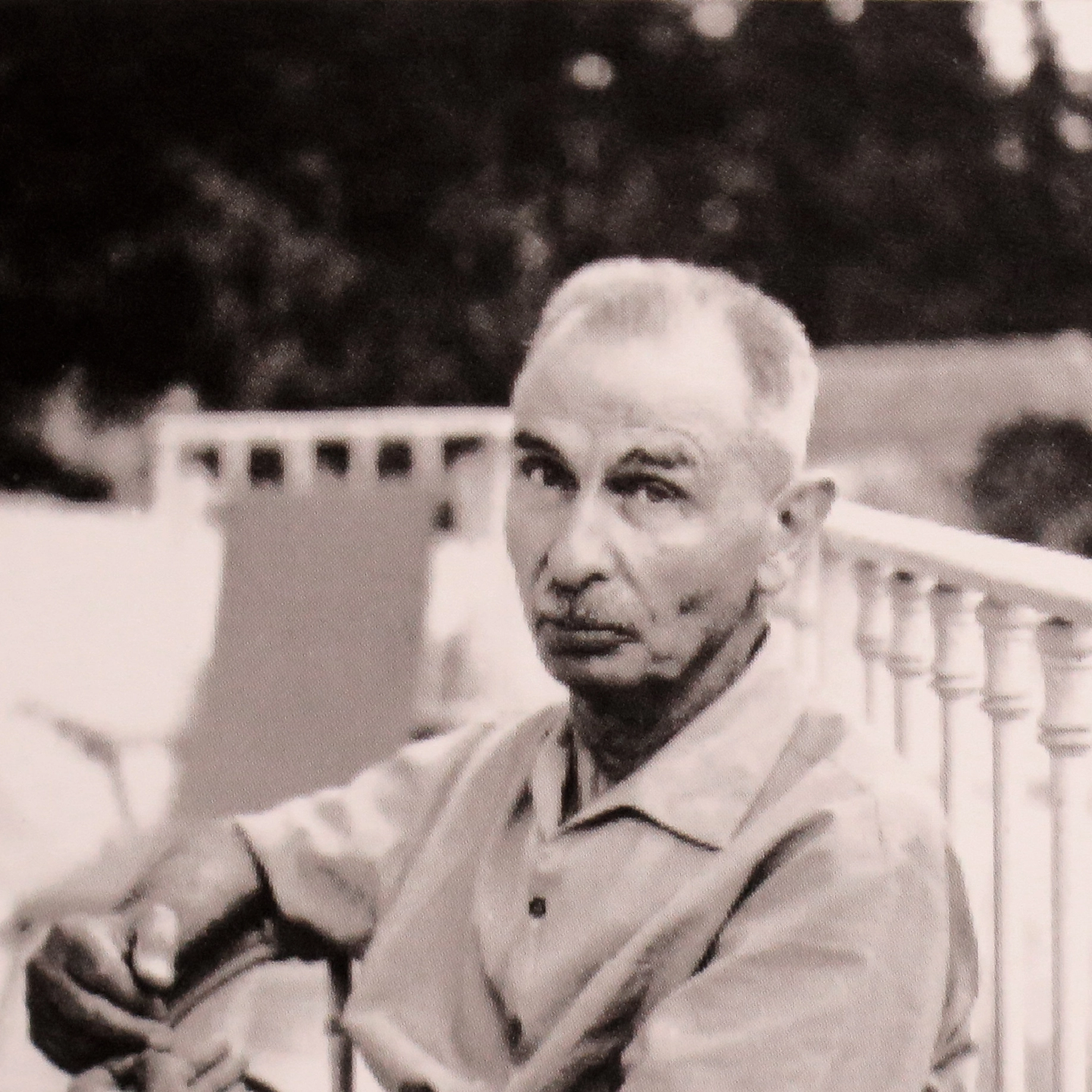
His years in Paris laid the foundational training for his pursuits in painting and allowed him to forge lifelong friendships with artists such as Maurice Brianchon, Raymond Legeult and Roland Oudot, under the close guidance of Eugène Morand, the director of the school at the time. However, Inguimberty’s education was interrupted by the outbreak of the First World War when he served in the infantry corps until he was wounded in the Reims. Perhaps the traumatic effects of war stirred in Inguimberty a fervent desire to evoke in his work the simple joys of life, labour and unscathed nature.
Propelled by the sprawling activity of the European art scene, Inguimberty was awarded several travel bursaries that allowed him to visit the Netherlands, Belgium, Spain, Italy and Greece during the early 1920s. During his journeys, Inguimberty produced an impressive body of work. He documented idyllic scenes and architectural marvels, while cultivating a preoccupation with the daily lives of working people. Unlike other post-war artists who were exploring new trends of abstraction, Inguimberty preferred to draw inspiration from reality and developed a distinct candid style.
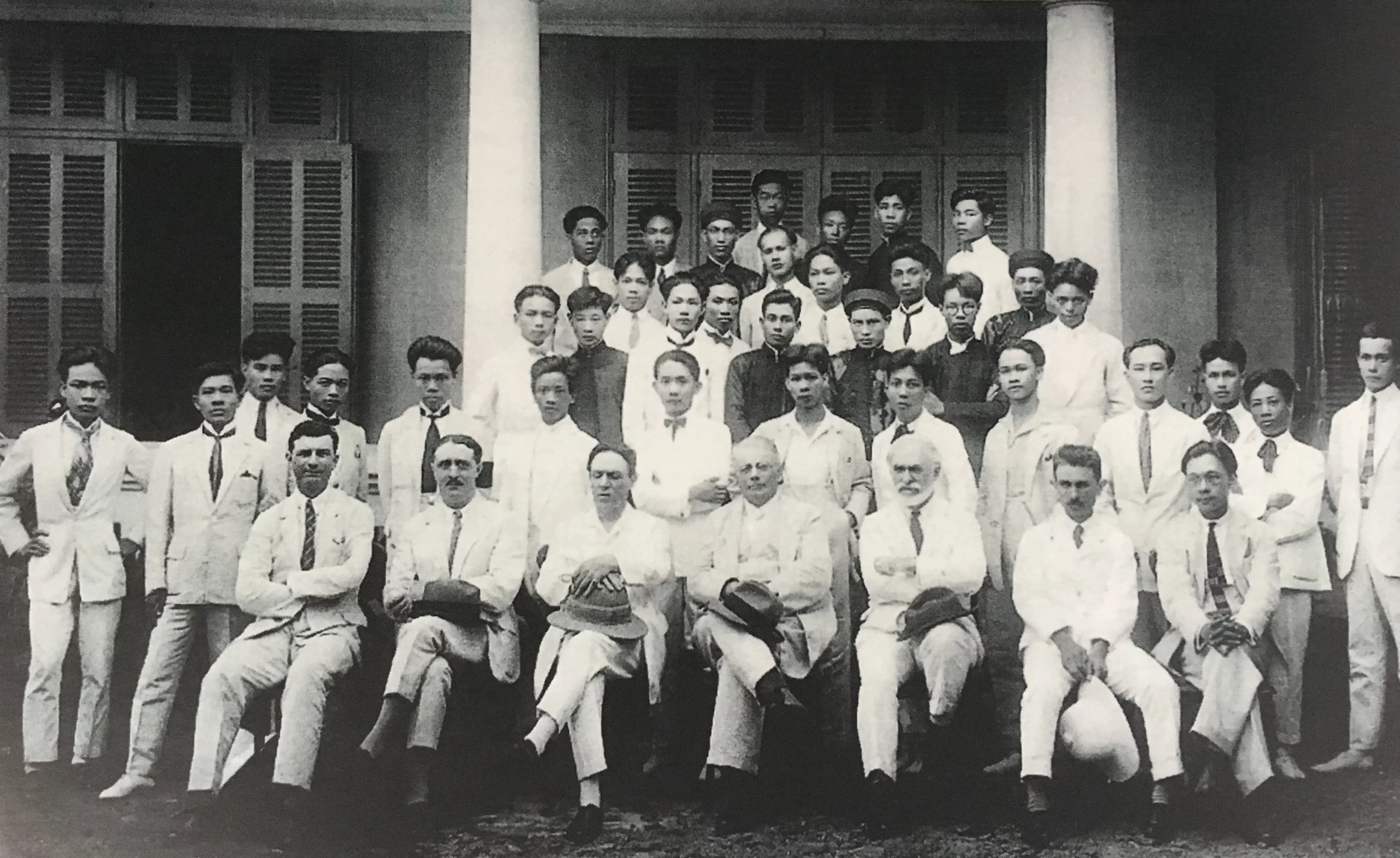
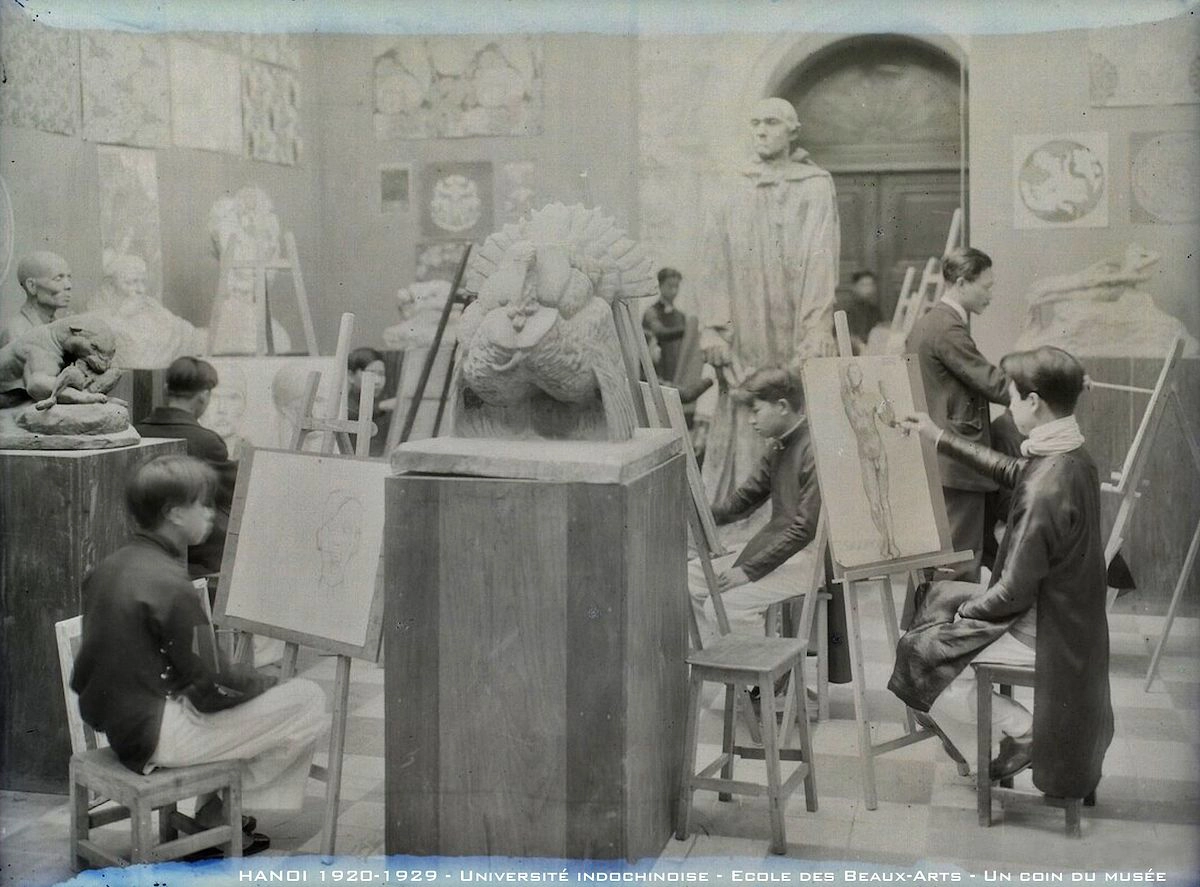
Inguimberty was a founding teacher of the Indochina School of Fine Arts, where he helped bridge Western academic painting with Vietnamese artistic traditions. He lived in Indochina for 20 years and mentored generations of leading artists including Le Pho, Mai Trung Thu, Nguyen Phan Chanh, To Ngoc Van, Vu Cao Dam and Nguyen Gia Tri. In these years, he completed some of the most inspired works in his career.
With the help of Alix Aymé, he arranged for the Indochina School of Fine Arts’ curriculum to include lacquer painting as an elective class, and even mastered the tedious process himself. Under Inguimberty’s guidance, lacquer was established as a stand-alone academic department in 1928 and revolutionised into a modern-day medium, highly revered till today.
Yet in 1946, the artist was eventually forced to leave Indochina with his family, leaving a legacy for Vietnamese art.
Returning Home: A true-to-life vision of Indochina
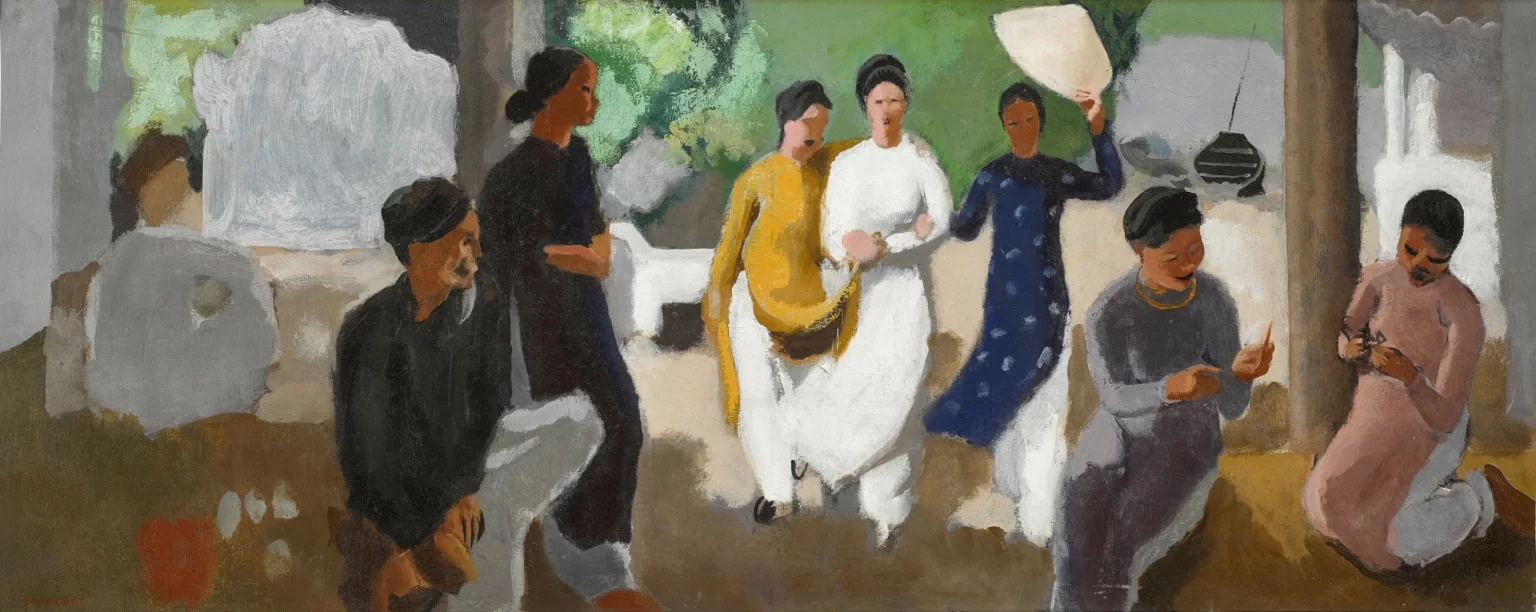
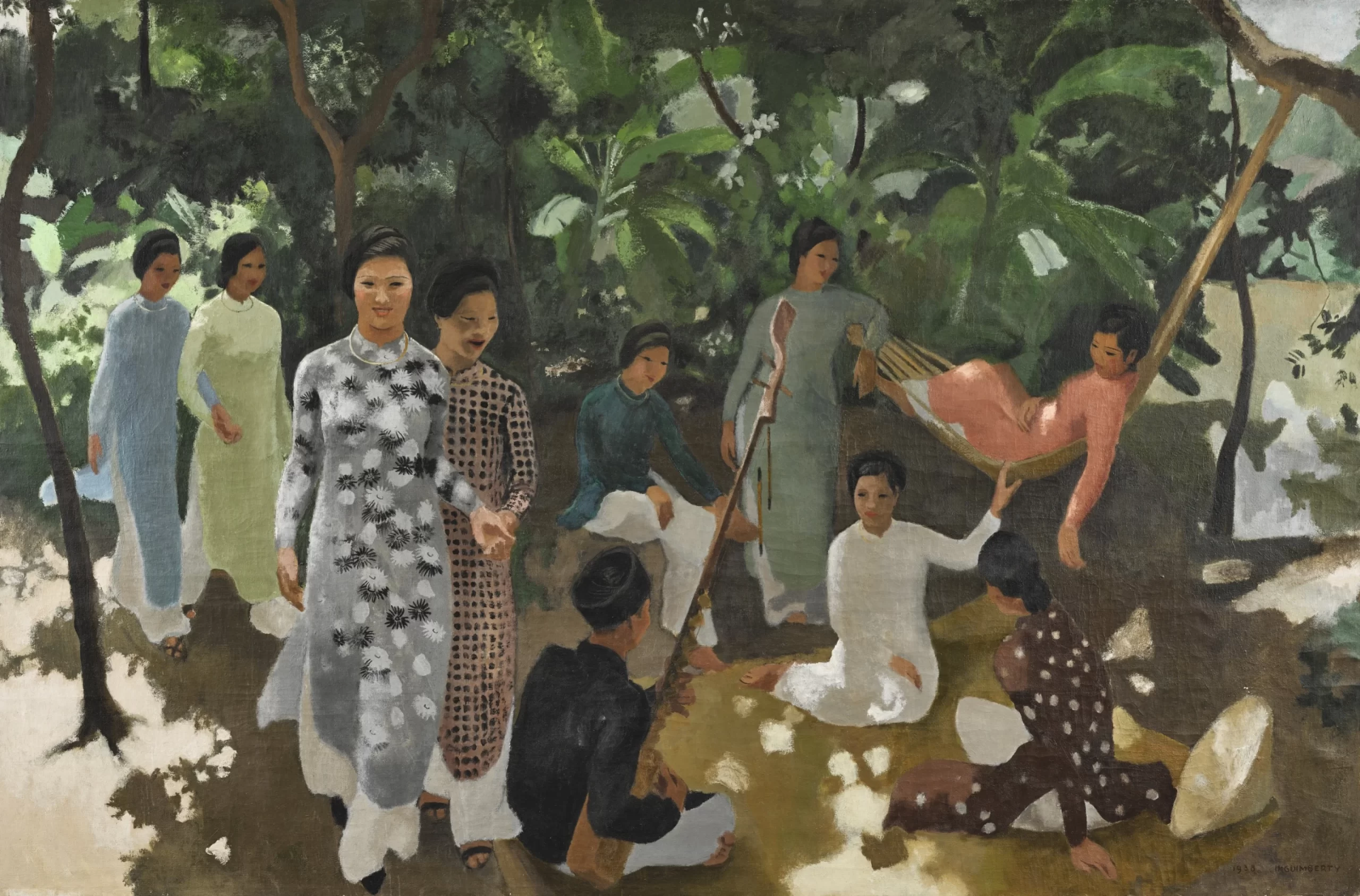
Returning Home is an exceptionally rare large-format multi-figure work, acquired directly from Joseph Inguimberty by the current owner’s grandparents during their posting to colonial-era Vietnam. The painting presents Vietnamese people in an observed, everyday setting – three women in colourful ao dai returning from a walk, family members resting in the shade, and women sewing. The composition contrasts the cool, shaded interior with the luminous green, sunlit landscape beyond. The white, yellow and blue ao dai provide a striking focal point against the earthy tones of the foreground – the artist leads the eye naturally through the scene.
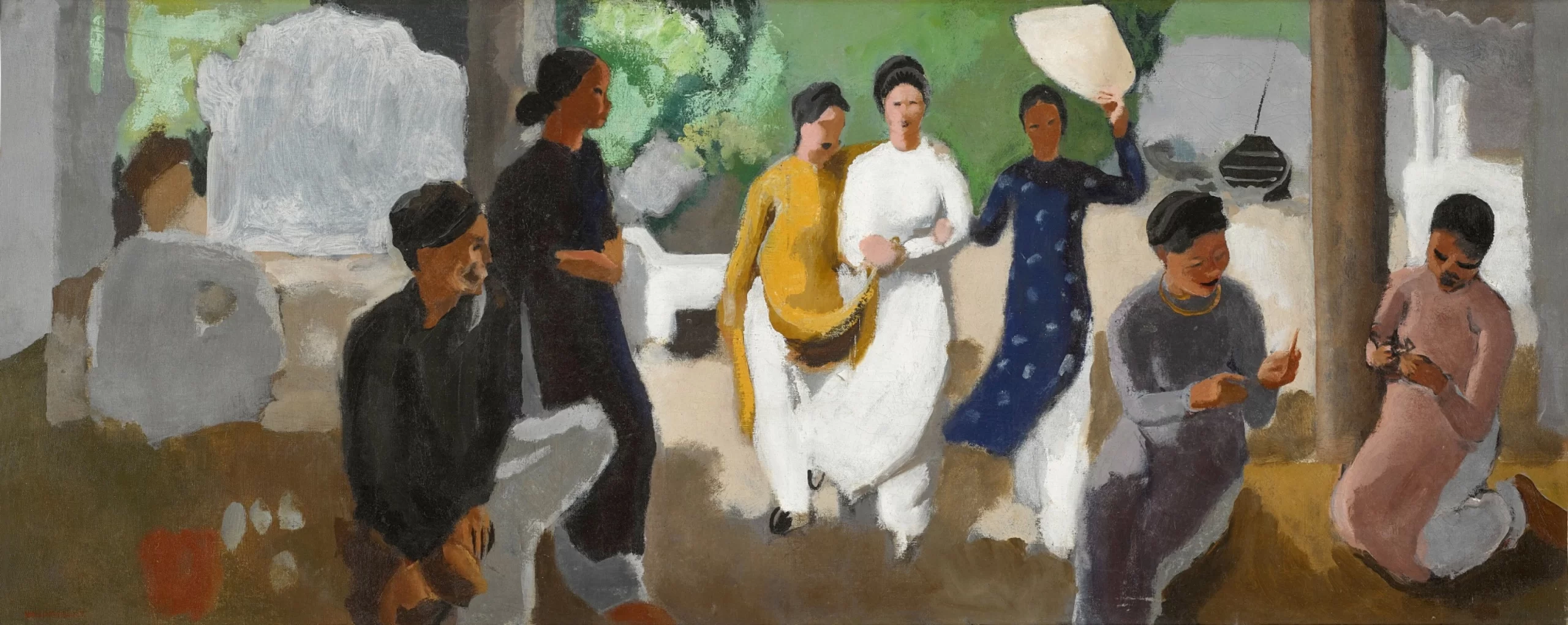
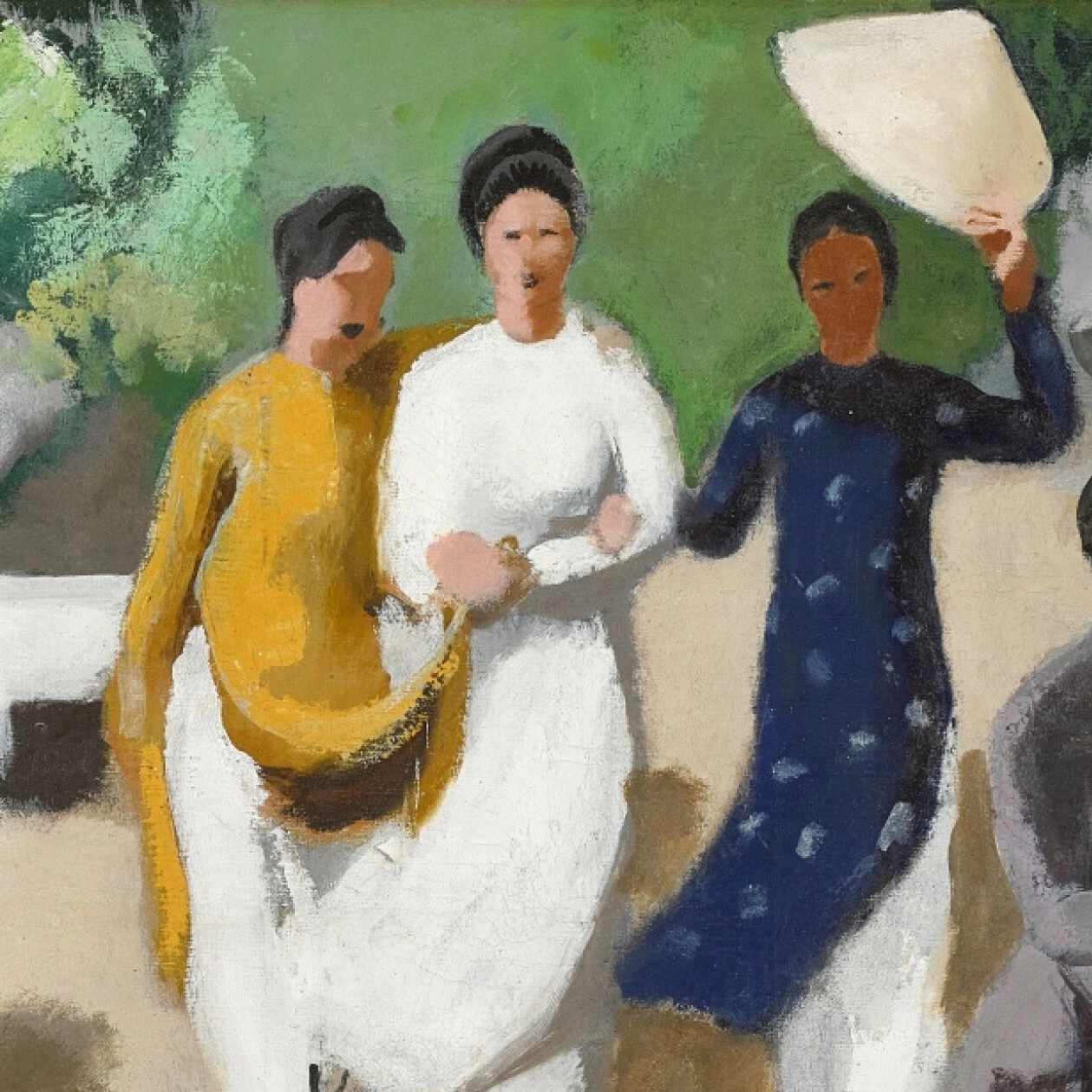
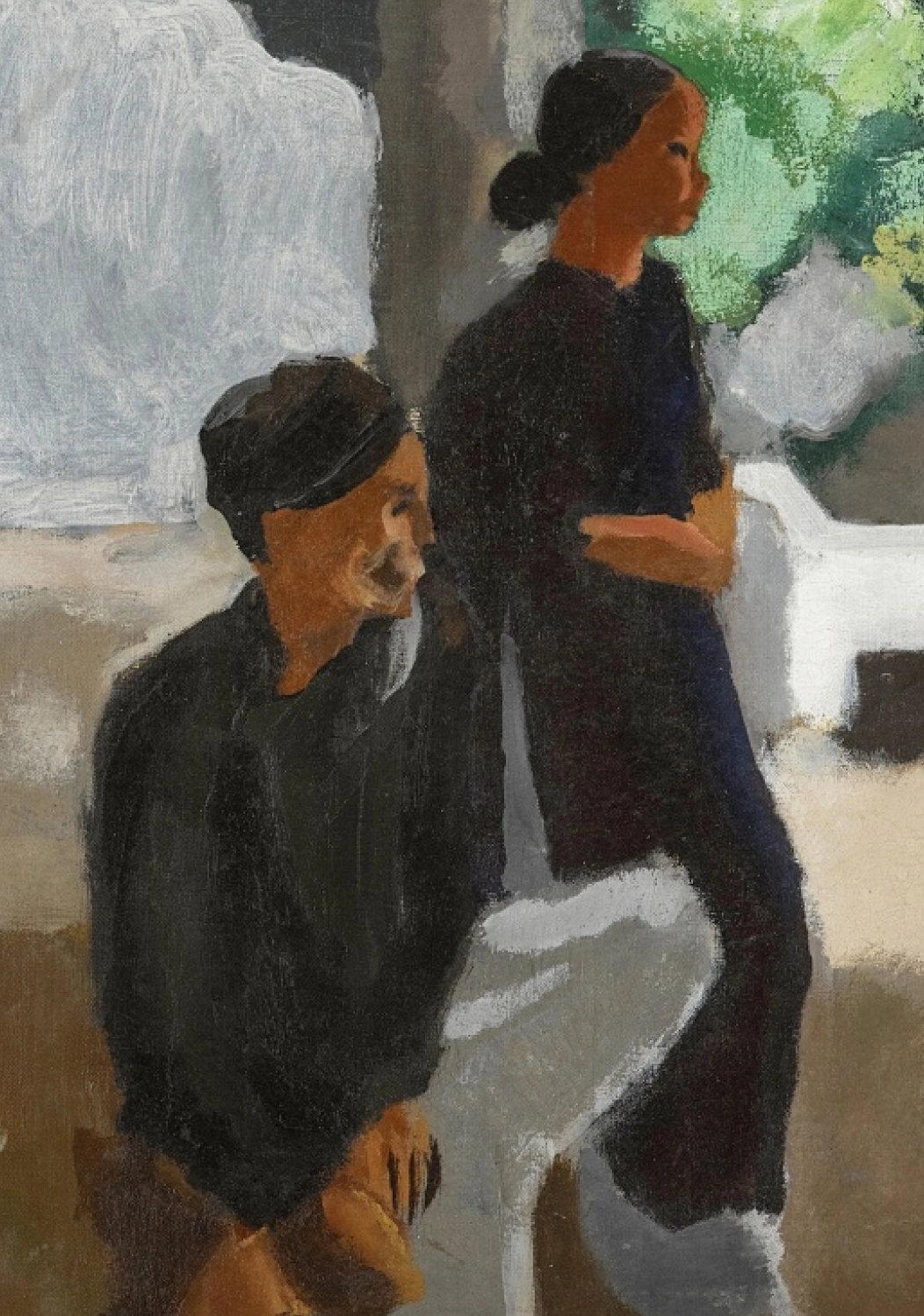
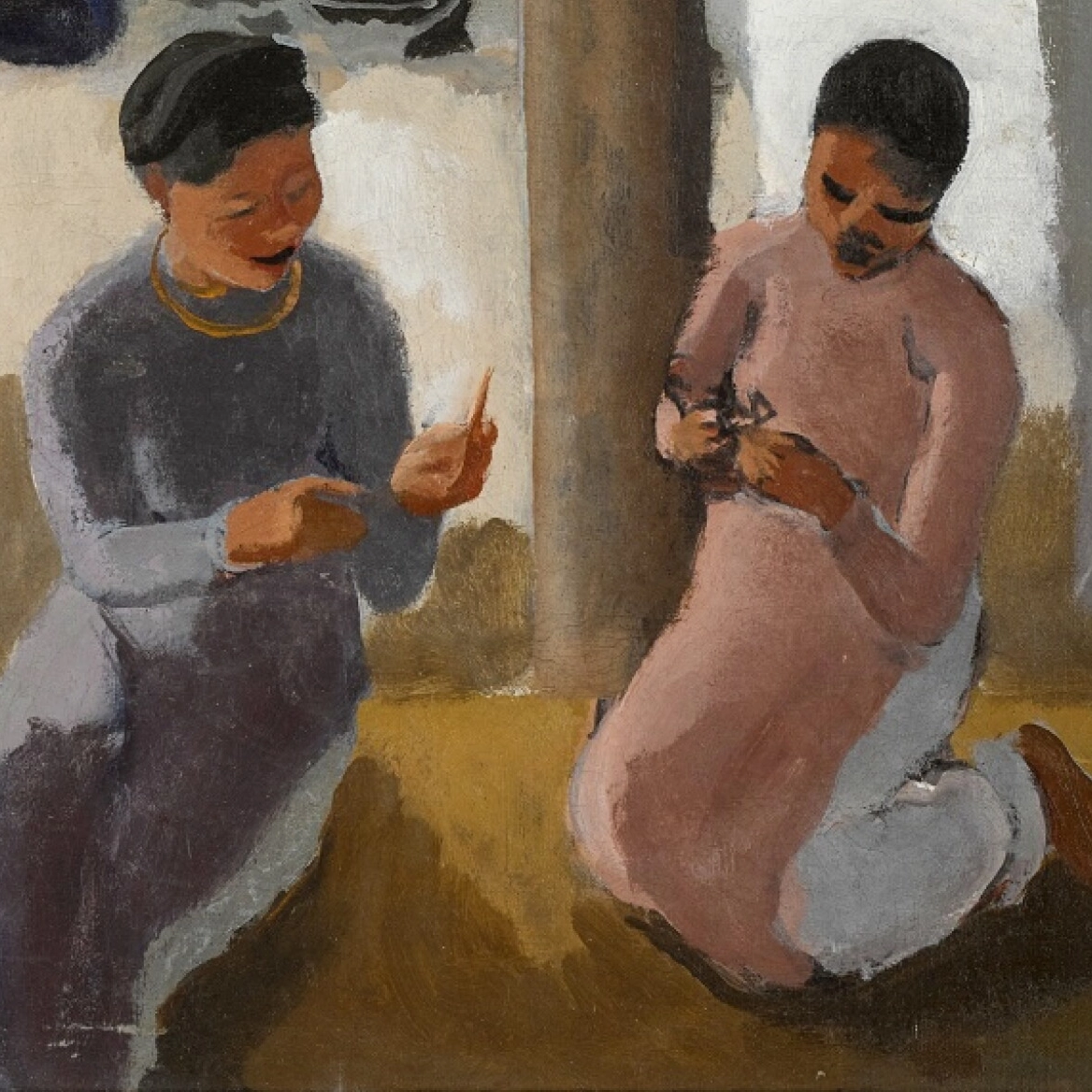
Inguimberty was a strong advocate of en plein air painting. This directness of observation is evident in Returning Home, where the figures, architecture, foliage and distant shoreline are woven into a convincing sense of place and lived experience.
Unlike Inguimberty’s predominantly outdoor or interior scenes, Returning Home brings both worlds together – the shaded domestic interior opens onto a tranquil landscape, with a boat resting at the water’s edge in the distance, creating an intimate dialogue between home, people and nature.
Returning Home will soon appear at the Modern Day Auction of Sotheby’s Hong Kong on 29 September 2026.
Words: Sotheby’s