Đọc phiên bản tiếng Việt tại đây.
Over the years, you have worn many hats – artist, curator, gallerist, advisor, critic, and studio manager, etc., both in Vietnam and abroad. From your experience, how do you define “art patronage” in these different contexts?
In the art world, patronage is typically imagined as a one-directional flow of capital: money moves from the wealthy to the artist, and culture is “produced” in return. This framing flatters collectors and institutions while obscuring a more complex economy at work. In reality, artists do not simply receive support. They themselves generate it through subsidising institutions, underwriting cultural infrastructure, and contributing socio-economic and intellectual capital that is rarely acknowledged as such.
It is also commonplace that many artists extend patronage directly to one another. They share studios and equipment, mentor without compensation, organise exhibitions, publish catalogues, and finance small projects personally. These acts rarely enter official narratives of patronage, yet it could be argued that they sustain artistic communities far more reliably than uneven, textbook philanthropy. Artists, in effect, operate as micro-institutions. They circulate resources horizontally rather than vertically. They invest in futures without guaranteed returns. This form of patronage is relational, embedded, and often invisible, but no less consequential.
The avant-garde, specifically, has often been bankrolled by its own participants, sometimes by necessity rather than ideology. Many of today’s most vital platforms continue to rely on artist patronage. Residencies fund programmes through donated works. Non-profit presses depend on artist editions. Biennials and festivals routinely ask artists to accept minimal fees in exchange for exposure, effectively converting artistic labour into institutional prestige. This is not charity. It is a structural subsidy.
In Vietnam, the emergence of contemporary art offers a particularly clear example of artist-led patronage operating in the absence of a viable market or institutional support. The Gang of Five, active in Hanoi from the late 1980s into the 1990s, formed at a moment when artists could not rely on collectors, independent galleries, or formal patronage systems. To support one another, they organised shows in non-traditional venues, circulated opportunities internally, and created collective visibility that allowed individual members to take risks that they might not have managed alone. In effect, they acted as one another’s patrons, underwriting the conditions necessary for experimentation and continuity long before a market for contemporary art existed.
How has this “horizontal” model of artist-led patronage cultivated cultural value and facilitated the growth of art differently than market-oriented patronage?
The artist as patron becomes most visible during moments of institutional precarity, when funding collapses, when non-profits rely on annual benefits, and when cultural spaces survive by the narrowest margins. Auction donations, benefit editions, performances, and one-off works routinely sustain these institutions. Donating a work is not an act of excess. Rather, it is a forfeiture of future income, frequently justified by the nominal promise of visibility. Yet the labour, materials, and long-term financial risk absorbed by artists are rarely acknowledged. This invisibility has become normalised.
By any rational measure, artists are among the most consistent and least recognised patrons of the arts. This is not a new condition. Historically, artists have long supported one another and the institutions they needed to exist. Artist-run spaces, from postwar collectives to the alternative venues of the 1970s-80s, were sustained through shared rent, volunteer labour, and uncompensated exhibitions. These were not fringe activities; they had shaped entire artistic movements and discourses.
In Vietnam, this ethos of mutual support became more structurally legible with the formation of Nha San Collective in the 1990s. Its early survival depended almost entirely on artists absorbing financial and logistical risks, donating labour, hosting visiting artists, maintaining space, and sustaining programming without reliable external funding. Parallel developments unfolded in the South through initiatives such as San Art and later projects like No Cai Bum. Together, these initiatives reveal a persistent pattern in Vietnamese contemporary art: artists repeatedly stepping into the roles of patron, organiser, and institution, producing the very conditions under which their works and those of their peers could exist.
What, then, is the current role of the collector in this artist-led patronage system? Are they still relevant and important?
Collectors, through no fault of their own, often misconstrue the role they play. Purchasing art is framed as altruism, as supporting artists, when it is more accurately an exchange of value. Collectors acquire objects that shape daily experience, confer cultural literacy, and sometimes appreciate financially. Art exerts a cumulative, long-term influence on how people think and live. Few purchases offer such sustained returns.
In Renaissance Italy, the Medici family, a lineage of Florentine bankers who later produced popes, political leaders, and de facto rulers of the city, understood patronage less as generosity than as exchange. Their support of artists such as Michelangelo, Leonardo da Vinci, Botticelli, and Donatello helped shape the cultural identity of Florence and, by extension, the family’s own legacy. Art amplified influence, stabilised reputation, and embedded power into civic life. In return, the Medici gained something far more durable than objects: visibility, legitimacy, and historical continuity. Patronage functioned as a reciprocal relationship, one in which cultural value flowed in both directions, much as it still does today.
For you, at what point did you start to actively step into the role of the artist-patron?
By the early 2000s, I was donating several works each year to non-profit, mostly New York-based institutions, residencies, and causes including SculptureCenter, Artists Space, Momenta Art, Residency Unlimited, The Dystonia Medical Research Foundation, and Brooklyn Academy of Music. Through benefit auctions, raffles, and fundraising events, my work had raised, by reasonable estimate, over 45,000 USD.
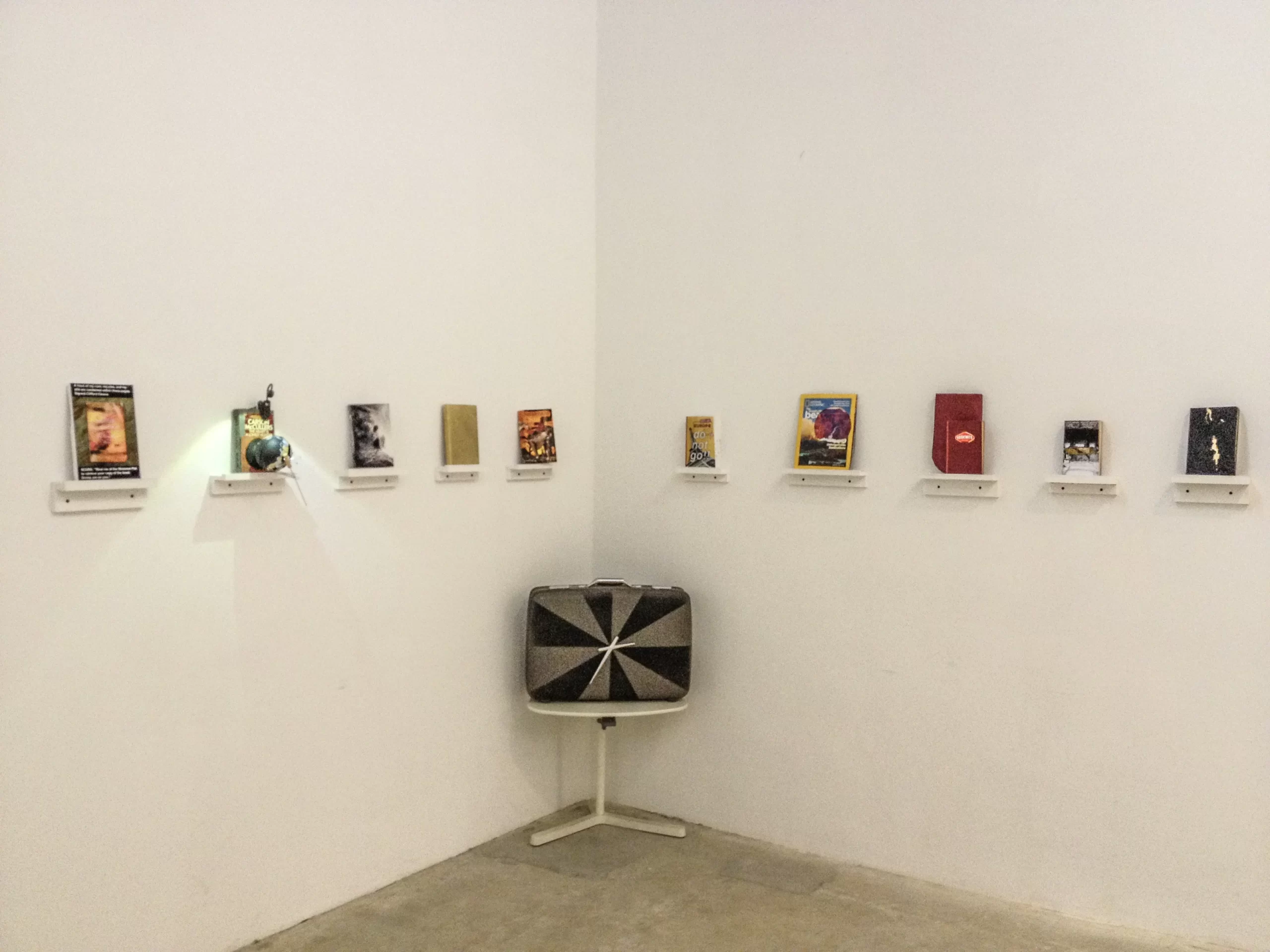
From 2003 to 2007, I operated two galleries in New York, first out of an emptied studio apartment and later from a Brooklyn storefront that also served as my home. On a no-strings budget, my Brooklyn gallery, named New General Catalog 224, supported under-recognised artists and encouraged experimentation through exhibitions, residencies, performances, and curatorial initiatives that deviated from the status quo. It functioned less as a commercial enterprise than as a cultural incubator, sustained by artistic commitment rather than profit.
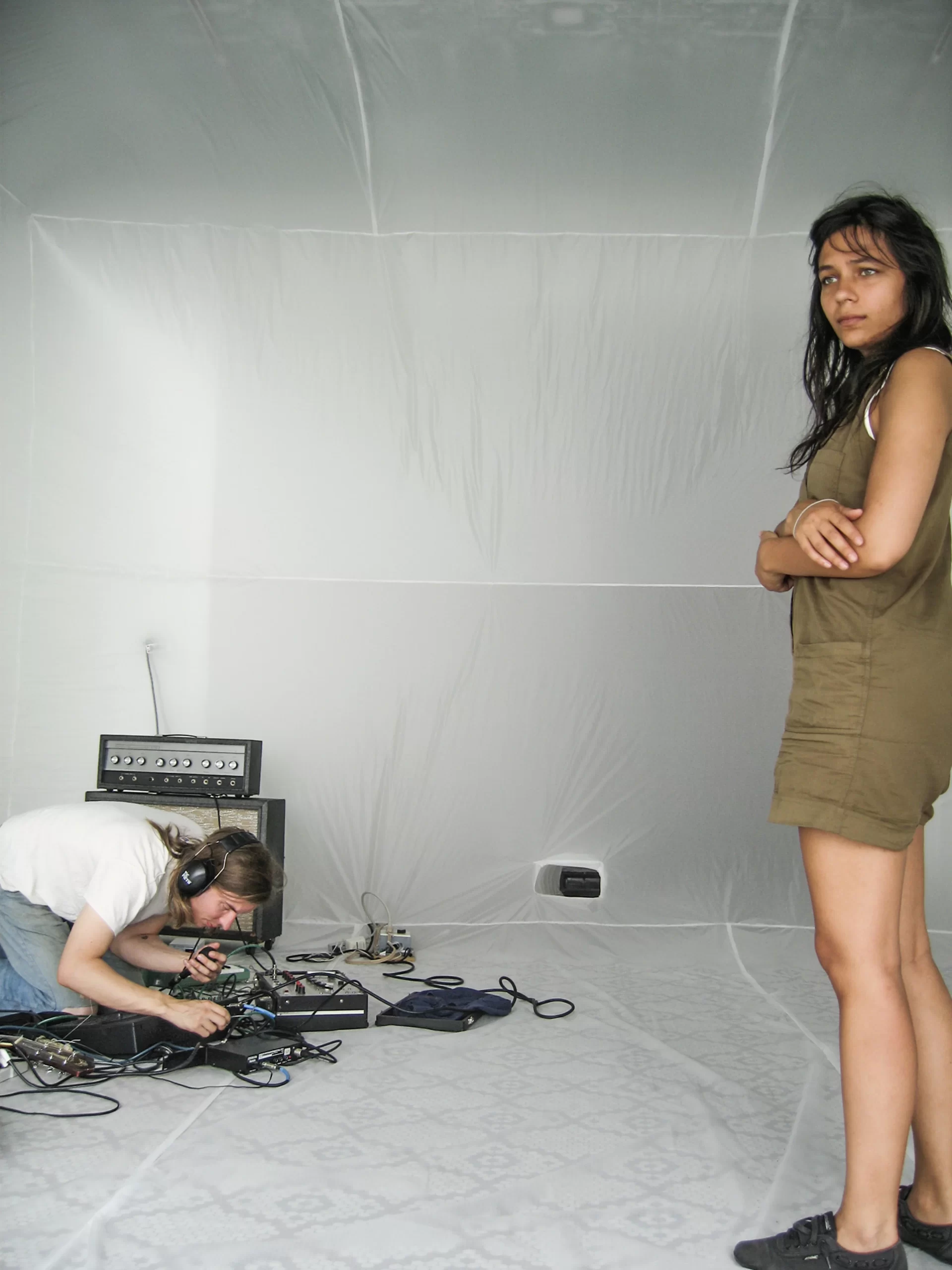
During a recent four-month stay in Saigon in 2025, I exchanged artworks with collector friends in return for accommodation. I didn’t create my own residency per se, but this experience did raise a simple question: could such two-way patronage exchanges be scaled to regularly sustain artists internationally, particularly during periods of research or work travel? This model does not undermine the gallery system. It supplements it, offering a parallel structure of mutual support that resists a purely extractive logic centred on transactional revenue or status.
What do you see remains the work for the artist-patron in the future of art patronage?
Correcting the misconception of patronage matters because it distorts power. The market price of an artwork rarely reflects the full scope of an artist’s contribution to the cultural field. When collectors are positioned as benefactors and artists as dependents, the reality of who absorbs risk and generates value is obscured. Reframing patronage to empower artists does not diminish the role of collectors. In contrast, it clarifies it. Collectors operate within an ecosystem already subsidised by artists themselves – recognising this should prompt institutions to rethink compensation, collectors to reconsider entitlement, and artists to claim agency over the generosity they routinely provide.
In my case, I am constantly searching for better models of sustainability in the art ecosystem, particularly from the perspective of an artist. I often dream of a life untethered to the commercial market, even as my livelihood remains firmly tied to it. This romanticism does not arise from a rejection of the market itself, nor from its common caricatures, but from the conviction that other, more connected systems of exchange and support are possible, if not already operating alongside it. And often, invisibly.
Words: Trong Gia Nguyen & Alna Bay
Translation: Nhật Thu