Đọc phiên bản tiếng Việt tại đây.
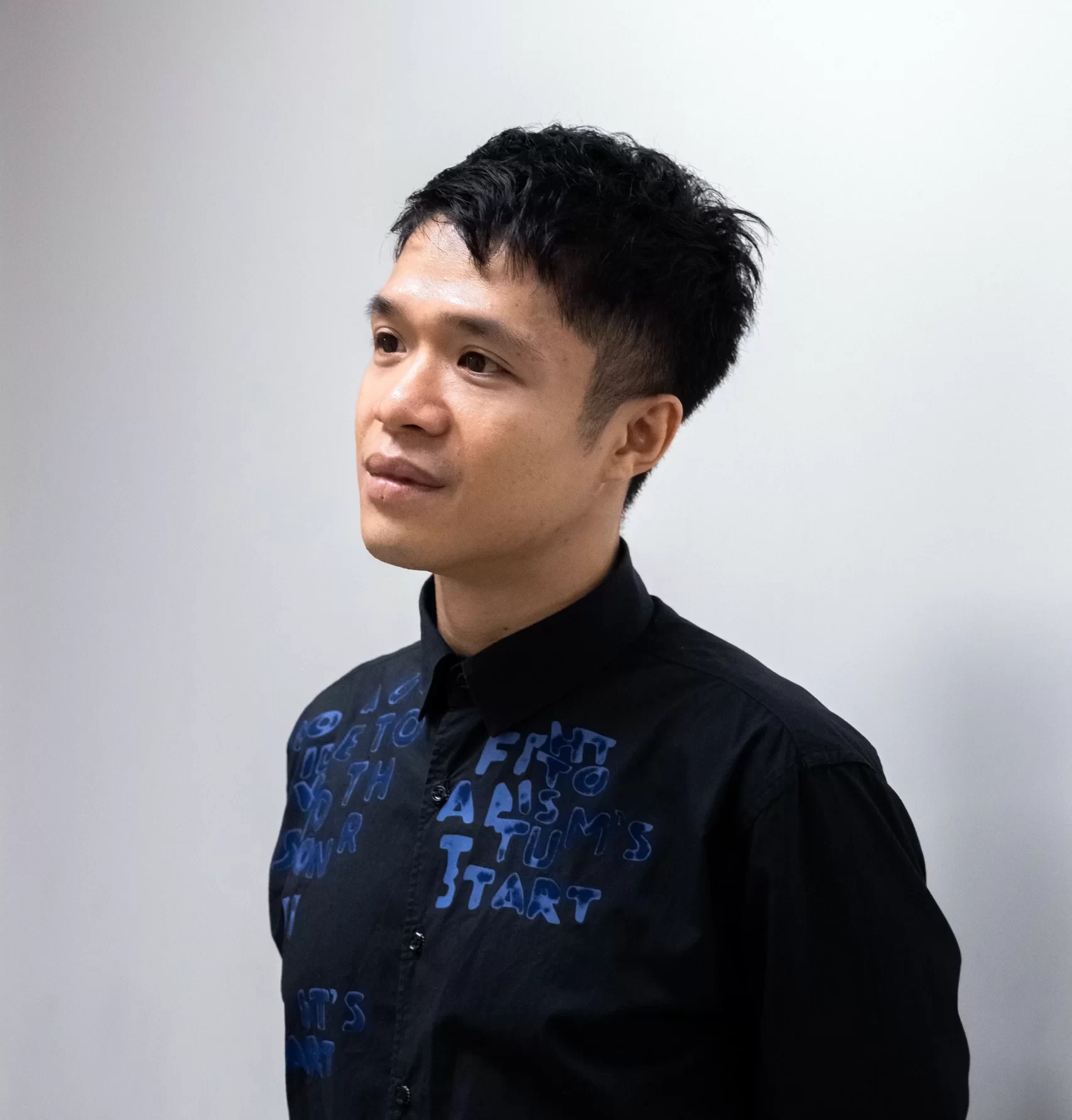
Greetings, Bill! Can you introduce yourself and your work to our readers? What led you to join the team at Nguyễn Art Foundation (NAF)?¹
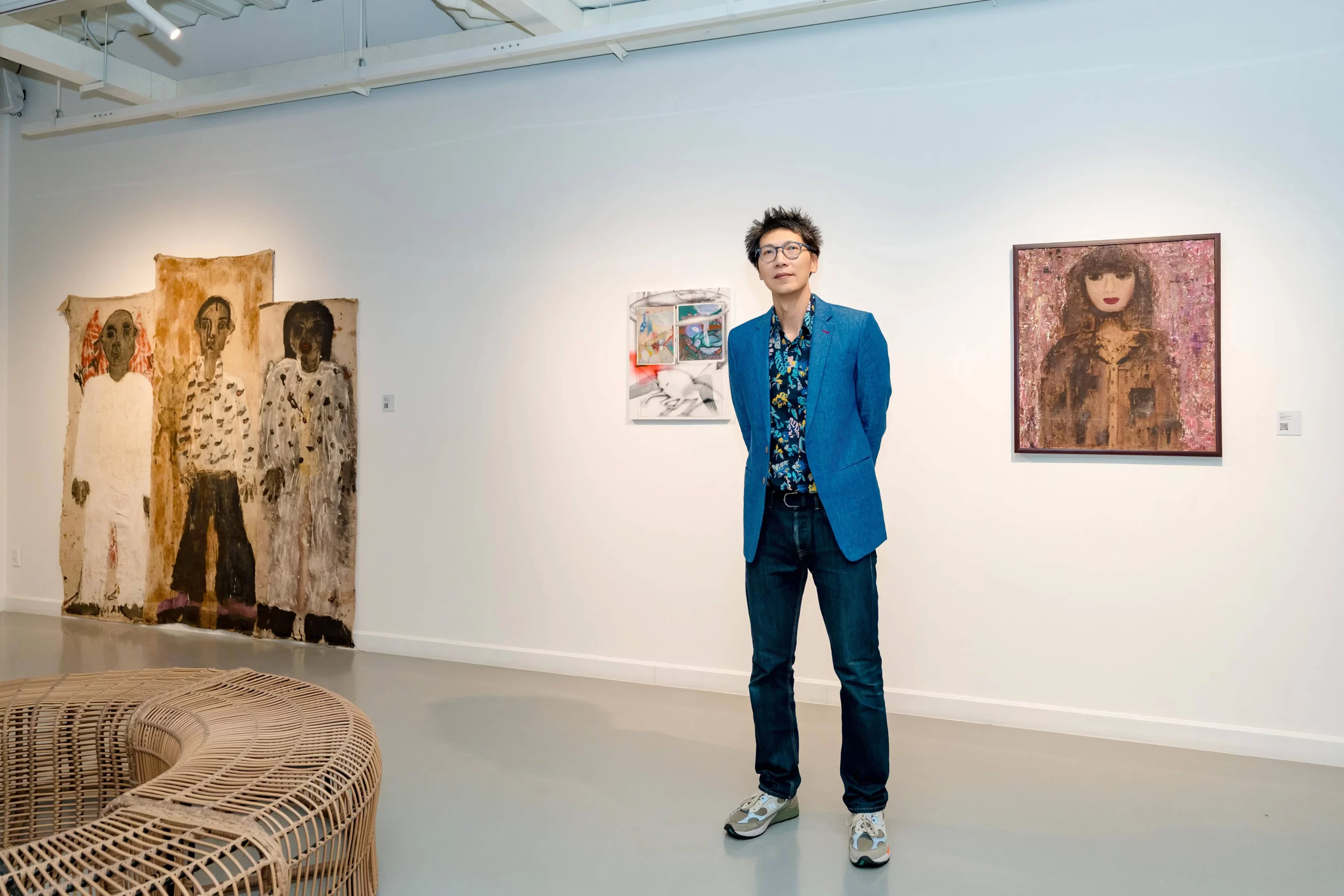
I’m an artist-curator based in Saigon. Before joining NAF, I spent many years working closely with artists and independent initiatives across Vietnam including Nha San Collective, Hanoi DocLab, Manzi Art Space, and The Factory Contemporary Arts Centre. These experiences have shaped how I understand curating: not as a position of authority, but as a practice of listening, care, and long-term commitment.
I joined NAF at a point when the foundation was beginning to ask deeper questions about its position and responsibility – about what it means to hold a collection, to support artists meaningfully, and to engage the public beyond exhibitions alone. What really drew me in was NAF’s willingness and seriousness to think long-term. There was no rush to be visible; instead, there was a genuine desire to build something that could remain relevant to Vietnam’s evolving social and cultural landscape.
NAF is one of Vietnam’s largest private collections of contemporary art. Do you see the foundation’s artistic and curatorial influence on organisations that emerged after NAF?
If NAF has had any influence, I hope it lies less in aesthetics and more in institutional thinking and practice. We try to model a way of working that brings private patronage together with public consciousness – one that respects a multitude of perspectives and honours differences rather than reinforcing hierarchical, authoritative narratives. Through research-driven collecting, transparency, and continuous engagement with education, we aim to demonstrate that collecting can coexist with criticality, and that sustained thinking is both possible and necessary in Vietnam’s contemporary art landscape.
Rather than positioning NAF as a leader, or emphasising ideas of being “one of the first” or “one of the largest,” I see the foundation as part of a growing ecosystem. If other organisations find aspects of our approach useful or inspiring, I think that can only be a healthy development for our scene as a whole.
How do you balance your curatorial directorship with the opinions and expertises of other core members and stakeholders of NAF?
Collaboration is central to how NAF functions. Decisions are rarely made alone. My role is to articulate a shared framework within which different perspectives – curatorial, educational, financial – can meet and challenge one another productively.
This process involves constant dialogue, disagreement, and above all, trust. I see this as one of NAF’s strengths: it keeps the organisation responsive and grounded, and prevents any single voice, including mine, from becoming dominant.
NAF features two streams: a Main Collection and works supported or commissioned by NAF under Education & Public Programmes and Development Projects. What are the criteria for works by acquisition, and for works commissioned by NAF?
Across both NAF’s Main Collection and Commissions, we look for artistic practices that demonstrate critical rigour, historical awareness, and an ability to speak beyond the moment of their making.
The difference lies mainly in emphasis and intention. Commissioned works often foreground process and collaboration, while acquisitions require deeper consideration of longevity, conservation, and how a work sits within the broader collection. Regardless, both are guided by the same ethical and intellectual commitments.
How is financial allowance and support allocated to each work? How long does it take to acquire a work and what are the steps afterwards?
There is no fixed formula. Each artwork is evaluated individually, taking into account its historical significance, material demands, research requirements, and long-term care. We try to be fair, transparent, and realistic, prioritising the specific needs of the work and artist over market-driven logic.
Acquisition often takes time – sometimes weeks and months, sometimes longer. The process usually involves studio visits, comparative research, internal discussions, consultations, and practical considerations like legal and logistical planning. I prefer to think of acquisition as not the end of a process but the beginning of a much longer commitment to the life of artworks which includes documentation, conservation planning, contextual research, and eventually public engagement through exhibitions, publications, or education programmes.
Do you have any favourite work(s) from past acquisitions?
Each artwork has its own place in the world; it carries its own history and set of relationships, and reflects a particular moment of our time or a certain social responsibility. It is thus impossible for me to choose one over another. That said, I am especially drawn to works that reveal new layers over time – works that resist immediate interpretation, that make us pause and continue asking us questions rather than giving answers.
Can you share with our readers something interesting or thought-provoking in your upcoming acquisition(s)?
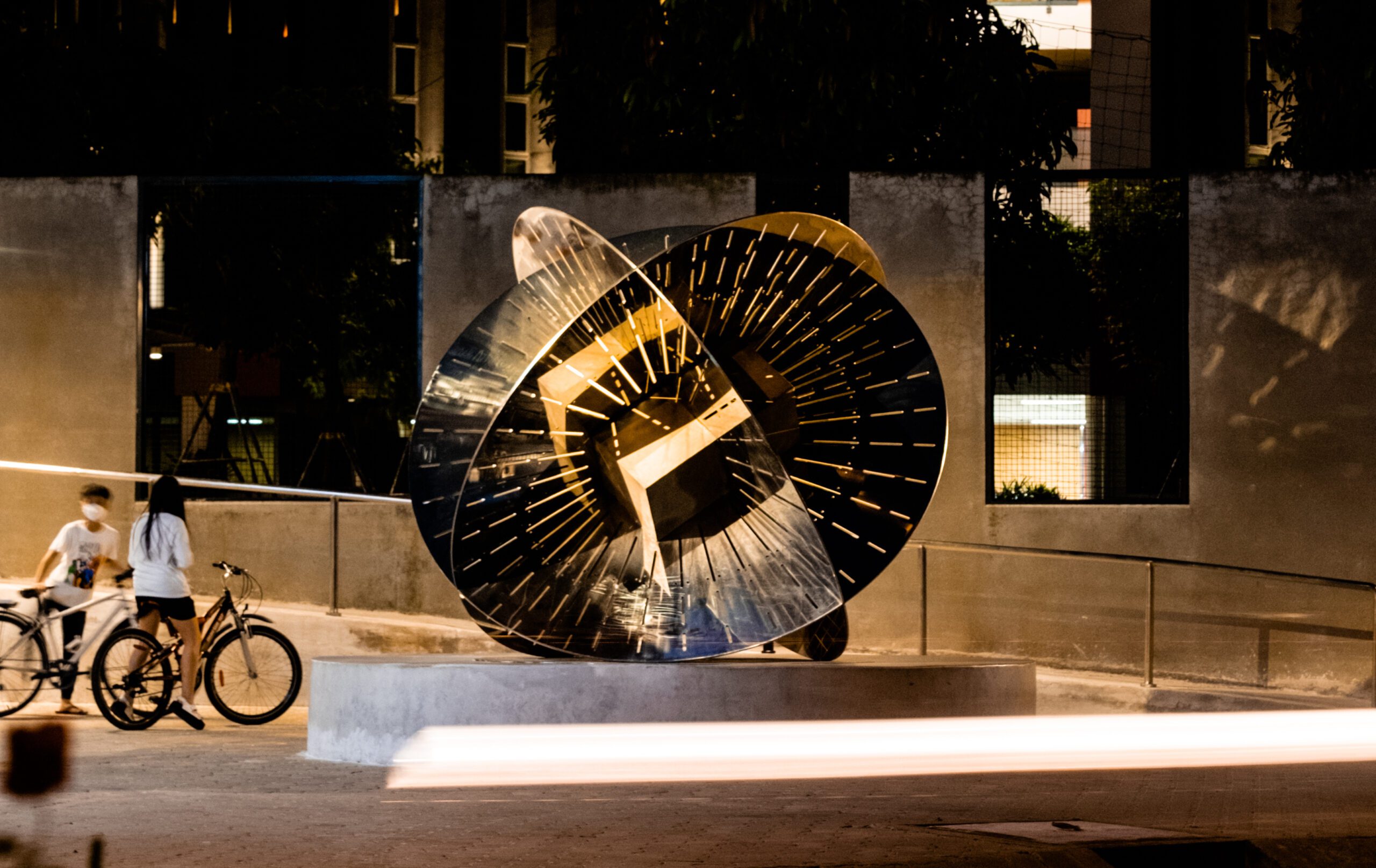
We are increasingly focusing on historically significant and experimental practices that have been under-recognised or insufficiently contextualised within Vietnam. Oftentimes, these are works that require patience and courage – from artists, institutions and the public alike. They may unsettle or make us feel uncomfortable, but I believe they are essential to understanding the broader story of art and history.
At the same time, we are paying closer attention to emerging practitioners who are responding to the immediate concerns of today’s world. As an organisation grounded in locality, we see it as our responsibility to seek and nurture the artistic voices that will shape tomorrow.
What are the concerns when engaging with guest curators and artists outside of NAF?
At NAF – both within the team and when working with external collaborators – we prioritise humility, curiosity, and a willingness to learn, teach and share. Engagement, in whatever form it takes, must be mutually respectful and reciprocal rather than extractive. We create opportunities for all participants – local and visiting – to engage meaningfully with each other’s contexts, allowing collaborative work to emerge through time spent together and attentive dialogue, rather than through one-way imposition.
NAF adopts a yearly thematic approach. How do you design and decide on the theme for that year, and can you give us a sneak peek for 2026?
The annual themes that have guided our activities over the years include Past & Future (2021–2022), Community & Compassion (2023), Innovation & Dedication (2024), and Distance, Nearby (2025). These themes emerge organically from our ongoing research, conversations, and the urgencies we observe around us. They reflect the questions and concerns that we, as a team, continually return to, and serve as conceptual anchors for our work rather than restrictive frameworks.
There is a Vietnamese saying, “Nói trước bước không qua” – roughly, “one should not speak too far ahead of their steps.” With that in mind, I will only offer a small glimpse into what lies ahead: from 2026 onwards, we are preparing to focus more closely on activating and re-reading the collection itself, particularly in relation to younger audiences and educational contexts.
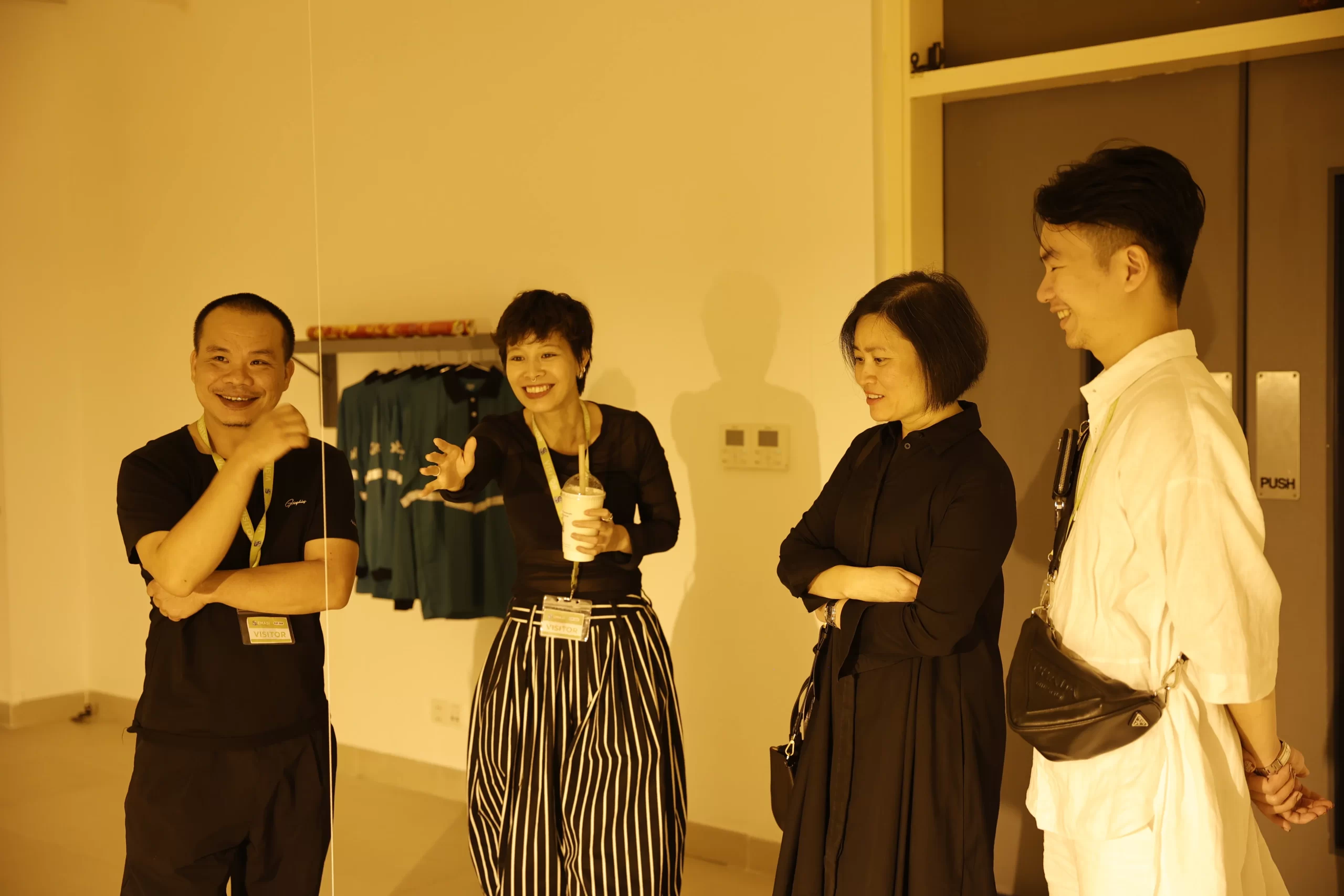
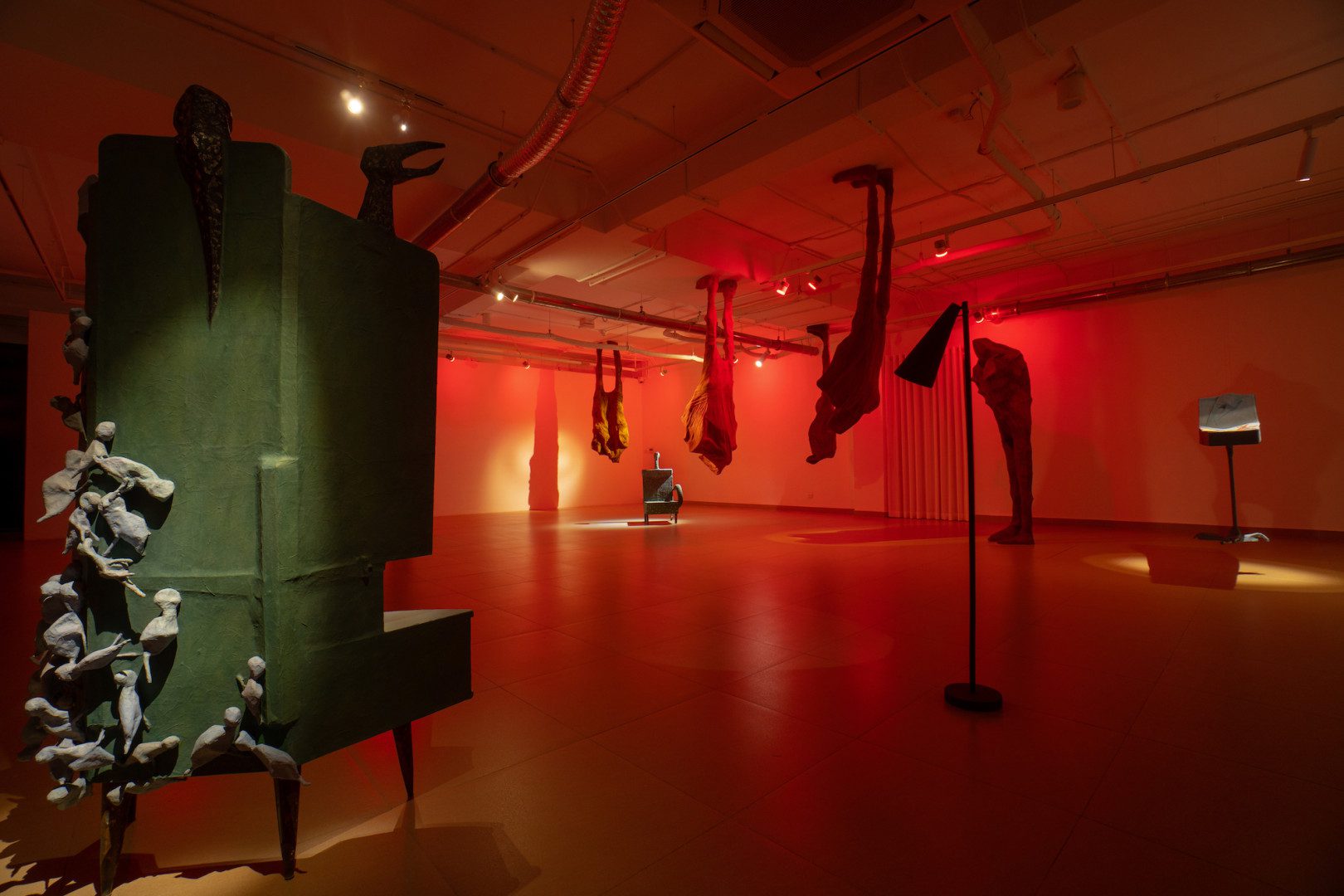
An important aspect of NAF’s work is your introduction and incorporation of art exhibition and education in educational settings. How is the programming and curatorial direction different from those in a conventional gallery or art space setting?
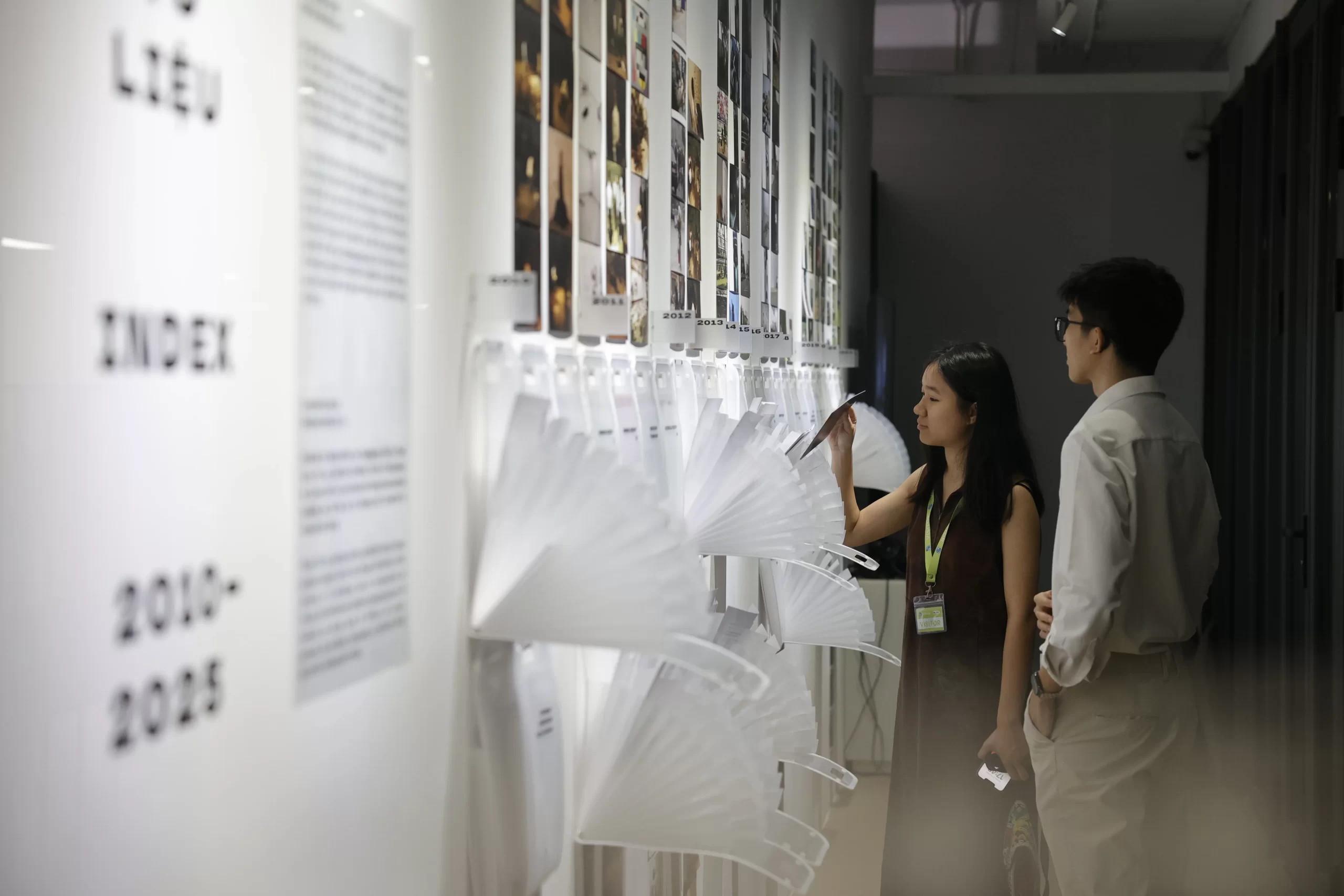
In educational settings, the goal is not spectacle but integration. Exhibition-making and programming thus need to become part of students’ everyday environment rather than something they encounter briefly. This has been both a blessing and a challenge for our team, as it requires us to work with a heightened sense of care and responsibility – thinking carefully about the impact of our work, and experimenting with ways art can be thoughtfully woven into students’ learning, routines, and growth. The aim is to create conditions for engagement that is sustained over time, remaining open, curious, playful, and genuinely educational. This applies not only to students, but also to us as practitioners, for some of the most challenging and nurturing questions we have received have come from the students themselves.
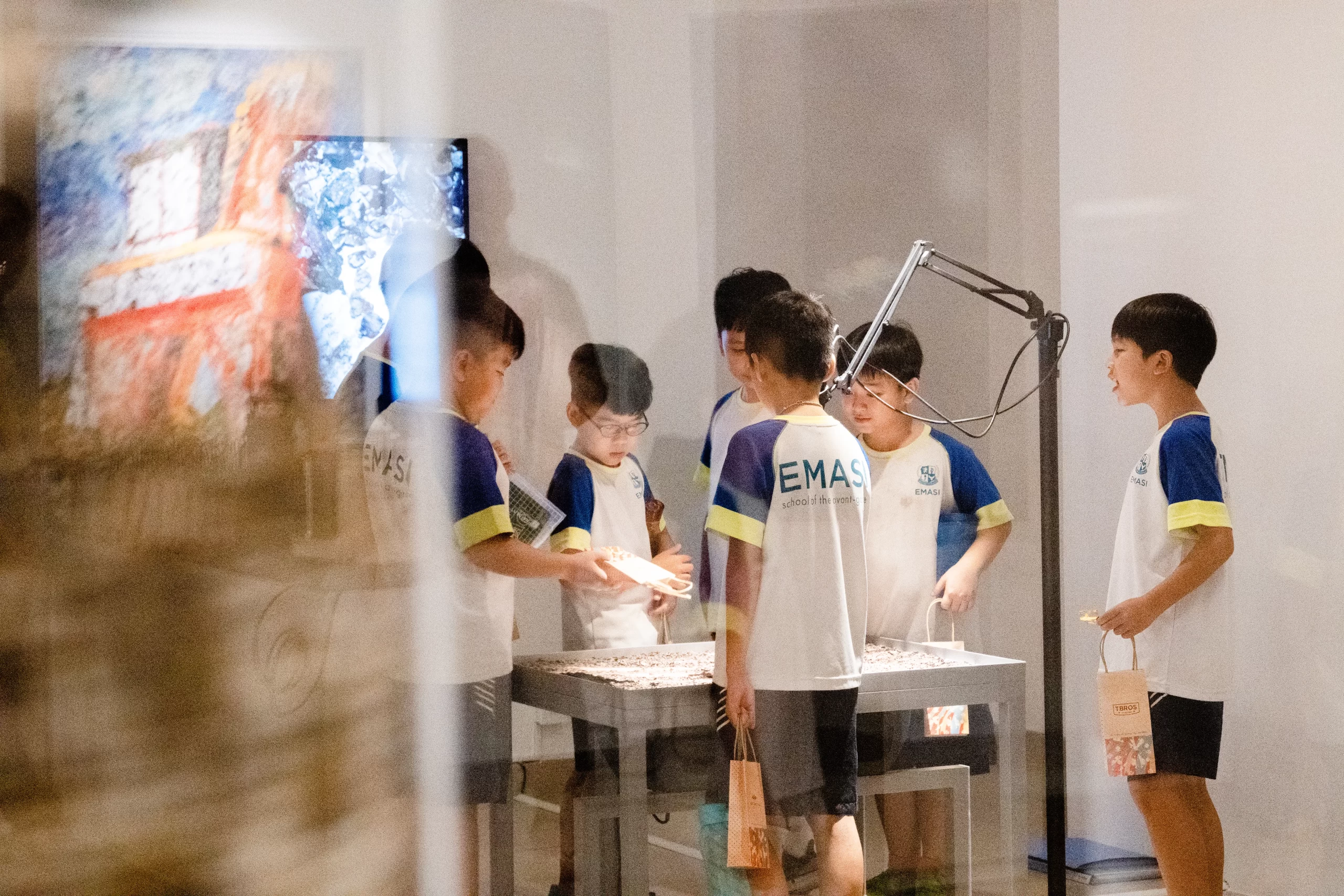
What aspects of art patronage are especially important and relevant to education in Vietnam?
Art patronage, in the education context, means access, continuity, and respect. It involves believing in young people’s capacity to engage with complexity and ambiguity, and recognising art as a vital tool for critical thinking – particularly in a country where arts education remains limited. Students, together with their immediate and extended communities of families and friends, are also part of the future art public. If we don’t begin engaging with them now, the question becomes: when will we – and what might already be lost by then?
How have the artistic activities of NAF been received by students, teachers, and parents at these schools? Do you think this model is a good fit for education in Vietnam?
The response we received from students, teachers, and parents has been deeply encouraging. Young audiences are often more open and receptive than expected, and in many cases, they end up teaching us more than we could ever teach them. This model – grounded in education and long-term commitment, and in placing art in conversation with other disciplines within an environment that prioritises learning – has allowed NAF to draw the attention of, and spark conversations and collaborations with, organisations of similar scope both within and beyond Vietnam. I believe this model is not only replicable, but necessary in Vietnam, provided it is adapted thoughtfully – locally-driven and community-focused – rather than replicated mechanically.
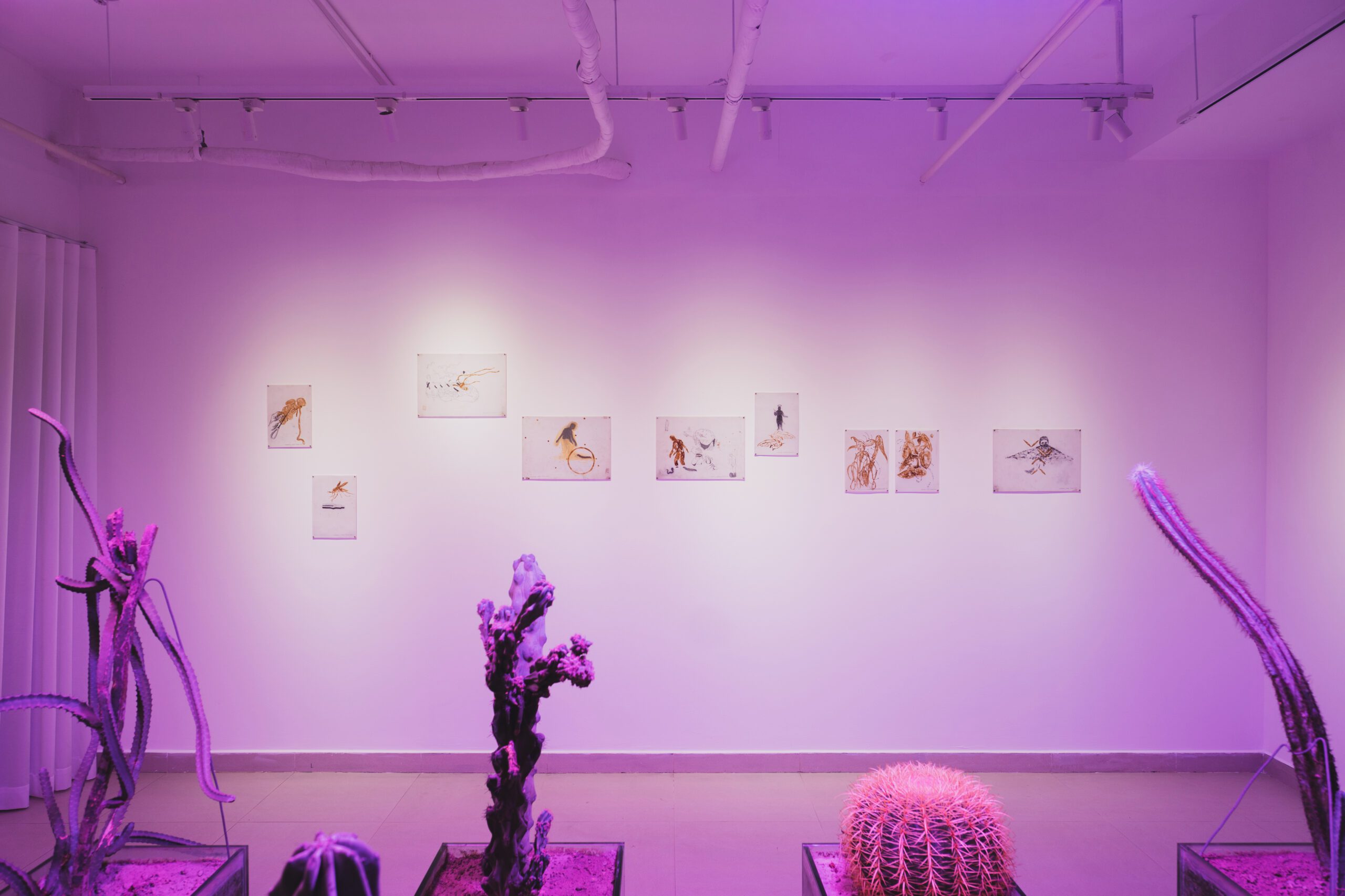
In addition to school-based programmes, NAF also hosts programmes for the public in different settings such as talks, seminars, workshops, screenings, etc.. How do you balance and allocate resources to these activities?
It will always be an ongoing balancing act, one that requires continual recalibration. Regardless of the changes that may take place, we remain committed to prioritising depth over quantity, and to ensuring that everything we do – collection, exhibitions, education, public programmes, and development projects – feeds into a shared purpose. Ultimately, all these activities are part of a single commitment: to support contemporary art in Vietnam as a critical and meaningful way of understanding the world we live in, and the world we hope to build for future generations.
Words: Bill Nguyễn & Ally Lê
Translation: Nhật Anh
[1] In a departure from Art Nation’s usual editorial conventions, the diacritics in the Foundation’s name have been retained at the organisation’s request.