Đọc phiên bản tiếng Việt tại đây.
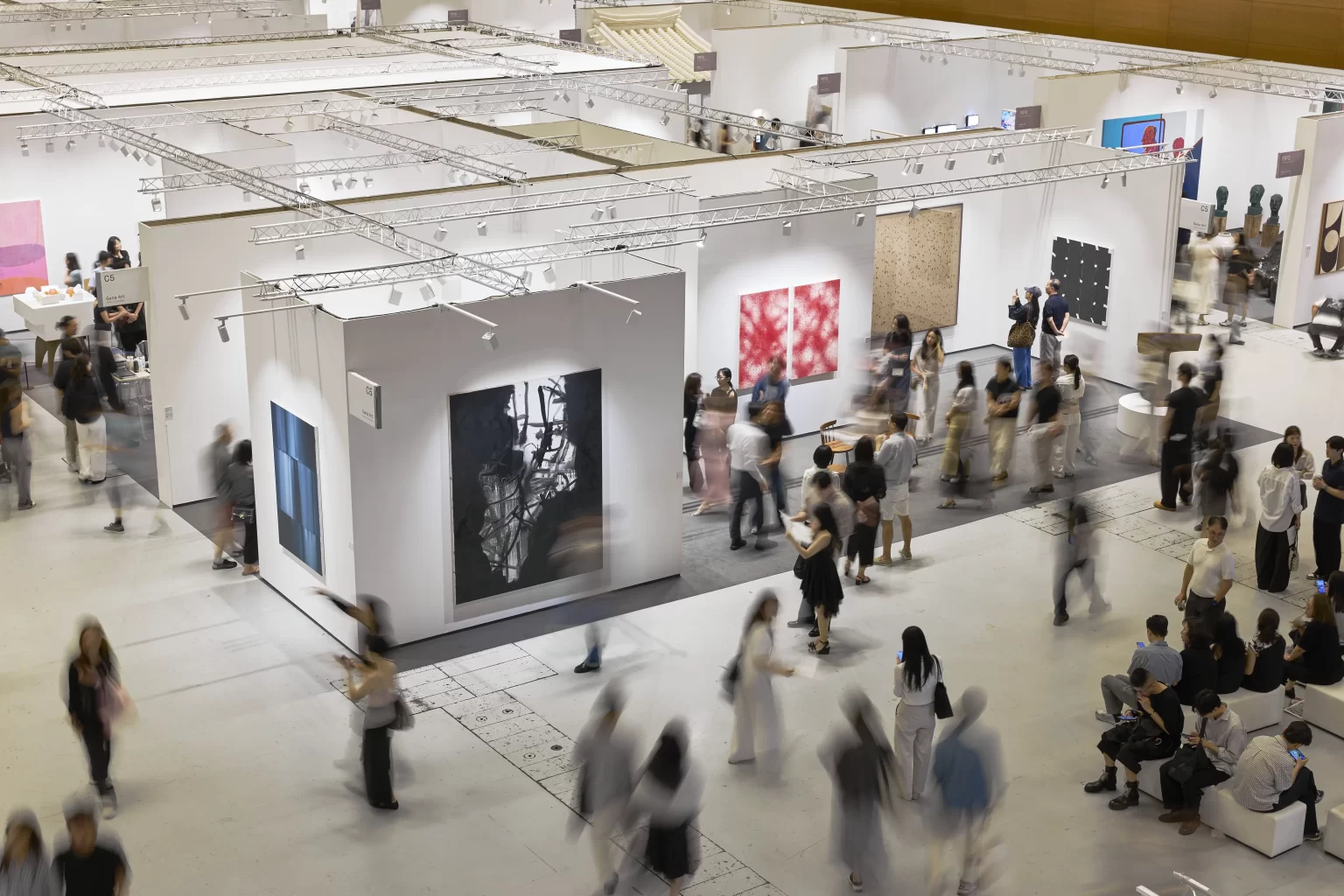
Frieze Seoul 2026 closed on 5 September at COEX, marking the fair’s fifth year in South Korea. With more than 130 galleries from 30 countries and territories, over 70,000 visitors, and representatives from 178 international museums and arts organisations, this year’s edition points to the expanding scale of Seoul’s connections within South Korea’s art networks in particular and those of Asia more broadly. Beyond the bounds of a commercial art fair, Frieze Seoul has become a point of contact that situates Seoul within a wider field of connections. A city’s role, in this sense, is measured by its capacity to connect with networks beyond itself.
Frieze Seoul in an art scene with momentum of its own
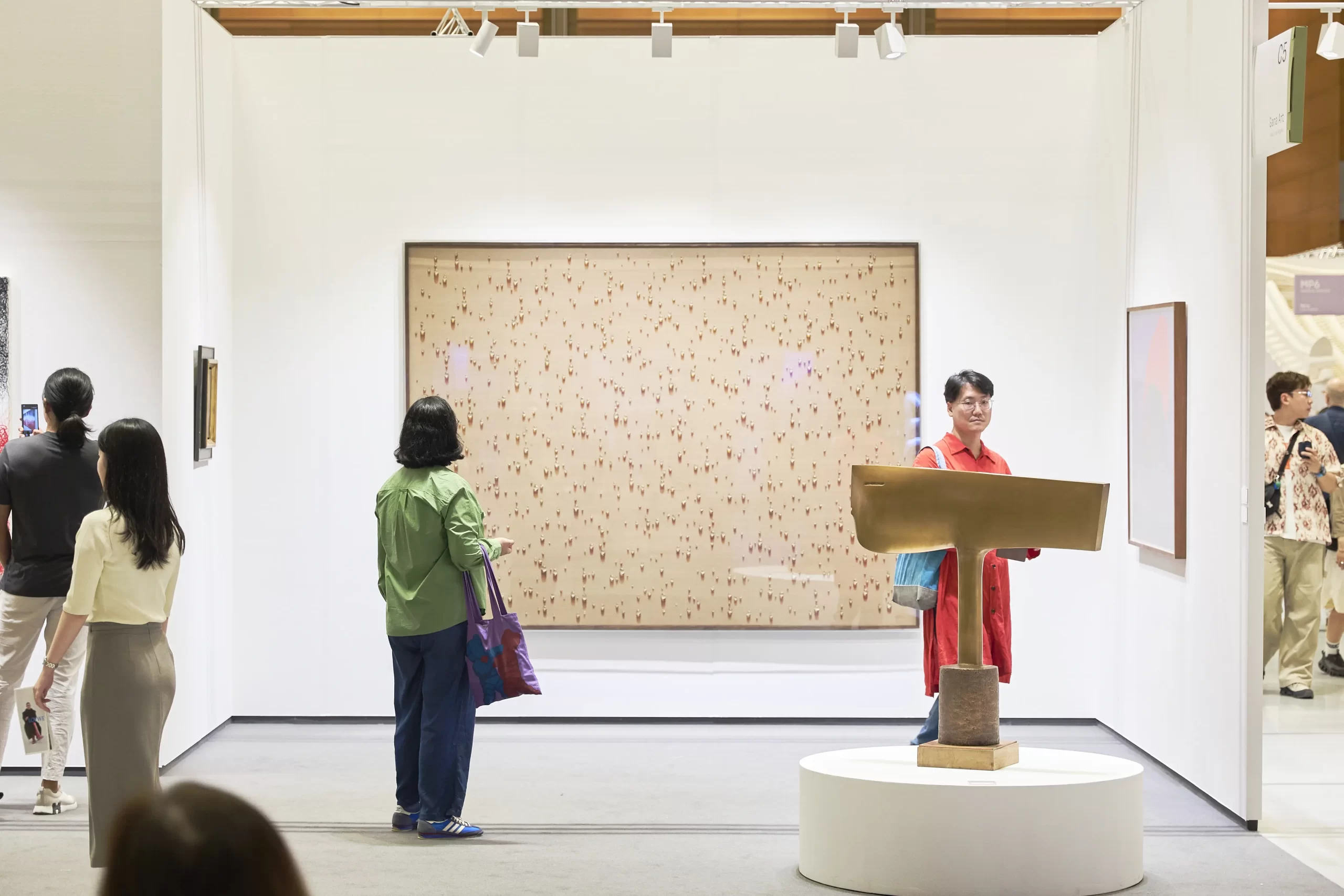
Seoul has long been known for its rich and dynamic art scene. This is evident in the array of events presented under the 2026 Korea Art Festival, South Korea’s largest integrated arts programme, organised by the Ministry of Culture, Sports and Tourism in coordination with Korea Arts Management Service. Alongside Frieze Seoul and Kiaf SEOUL, the festival encompasses major exhibitions and events including the Gyeonggi Ceramics Biennale, Gwangju Biennale and Busan Biennale, as well as special presentations across museums, airports and other sites in the city. These include Yoo Youngkuk at the Seoul Museum of Art (SeMA), Do Ho Suh and Christine Sun Kim at the National Museum of Modern and Contemporary Art, Korea (MMCA), Koo Jeong A at Leeum Museum of Art, and Lee Bae at Museum SAN. The density of this programme makes clear that Seoul’s appeal did not begin with the arrival of a commercial art fair. Rather, Frieze Seoul has given added impetus to an already robust ecosystem with momentum of its own, while creating another point of connection between South Korea and global art networks. This also helps explain why Neighborhood Nights, an evening arts programme spanning Euljiro, Hannam, Cheongdam and Samcheong, has become an indispensable part of Frieze Week. Gallery activity extends across the city, making Frieze Seoul not simply a four-day event at COEX, but a catalyst for a much broader cycle of cultural activity.
From an art fair to a regional gateway
At Frieze Seoul, the breadth of connections between South Korea and other art centres across Asia is readily apparent. Alongside South Korean galleries, the fair brings together galleries from Japan, Hong Kong, Taiwan, the Philippines and Singapore, as well as international names from the Americas and Europe. Crucially, this circulation also expands the collector base available to international galleries. The Drawing Room in Manila sold every work in Chelsea Theodossis’s solo presentation, while Maki Gallery in Tokyo also sold out Keisuke Tada’s solo presentation, with works priced from US$20,000 to US$100,000, on its first appearance at the fair. gdm, which has spaces in Hong Kong and Taipei, sold works by Alison Nguyen, Lam Tung Pang and Tang Kwong San for between US$10,000 and US$30,000, while also reporting strong interest from museum professionals who travelled to Seoul for the event. Tang Contemporary Art reported total booth sales of approximately US$1.49 million, or KRW 2 billion. Asia Art Center in Taiwan likewise reported strong results, selling works by Li Chen for between US$80,000 and US$300,000, Ju Ming for between US$60,000 and US$80,000, and Tzu-chi Yeh for between US$200,000 and US$250,000. The gallery also saw growing interest from Western collectors alongside its established collector base across Greater China.
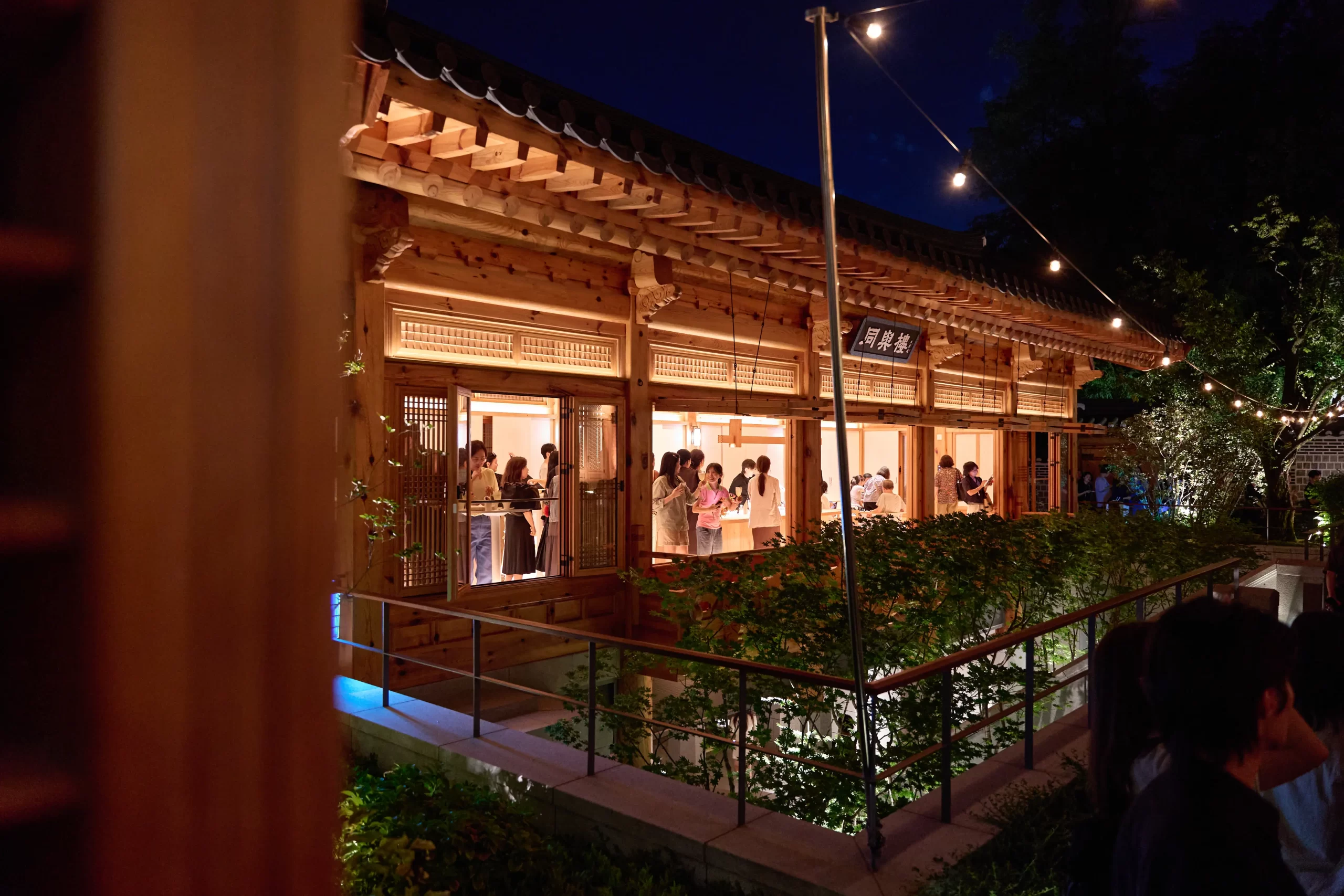
These cases suggest that Frieze Seoul is functioning as a hub for regional art networks. Seoul is at once an open trading market for established galleries and for those testing their reach in a new market, and a meeting place for curators, artists and collectors from different geographies.
When Korean art becomes part of a global story
Korean art had a particularly strong presence at Frieze Seoul. At this level of visibility, galleries reported record prices for Korean artists across generations. Johyun Gallery sold a group of new bronze-and-charcoal works by Lee Bae for between US$40,000 and US$140,000 each, with several entering international collections. In Gallery Hyundai’s sales report, five works by Kim Tschang-Yeul and three by Seung-taek Lee — two figures of considerable influence and historical importance in postwar Korean art — sold at their highest prices to date, reaching US$1.1 million and US$700,000 respectively and taking the gallery’s combined sales of their work above US$2.3 million. Kukje Gallery, meanwhile, confirmed the sale of a 1971 work by Yoo Youngkuk for approximately US$1.6–1.8 million, the highest price for a Korean artist at Frieze Seoul since the fair launched.
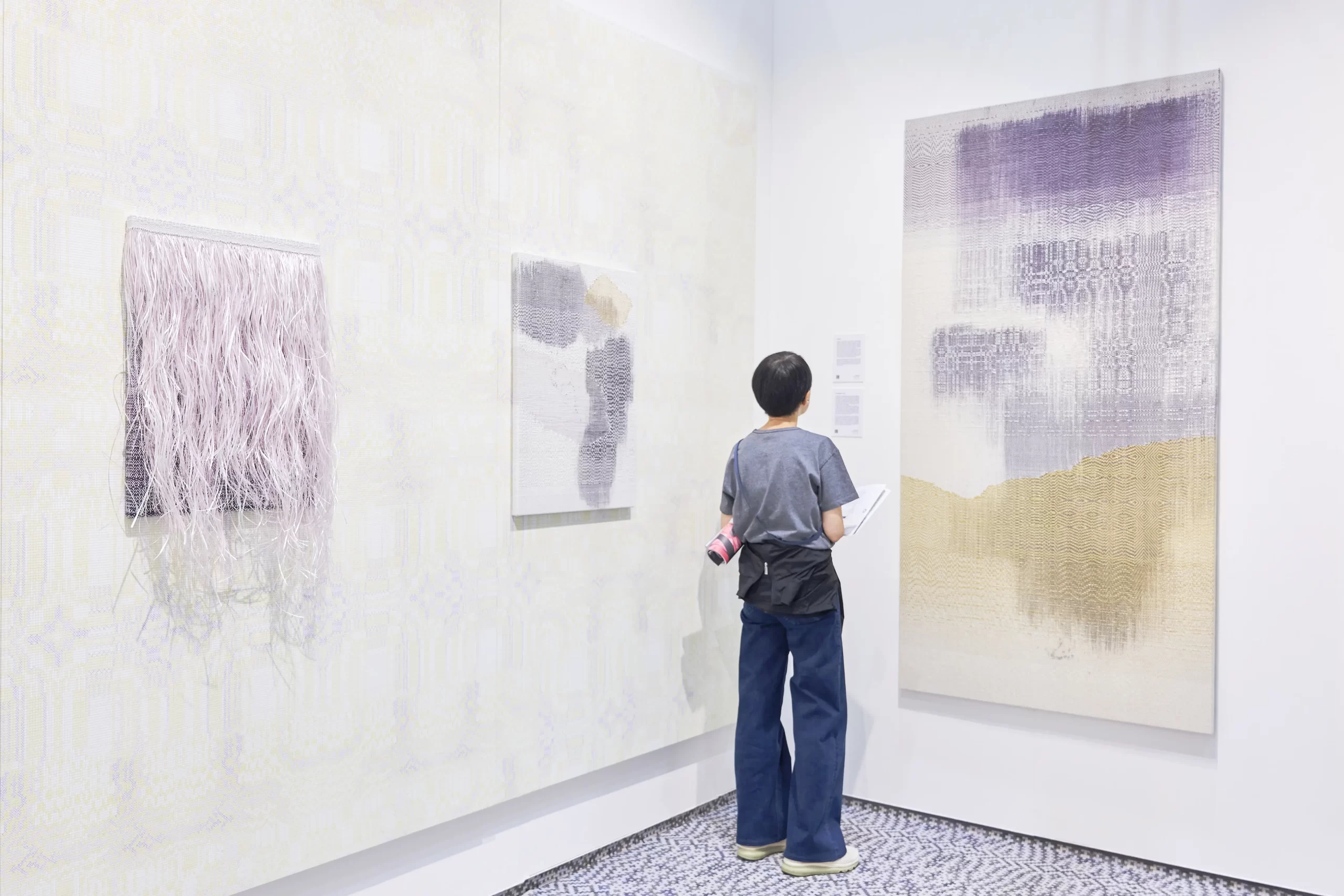
These transactions are notable not only for their value, but because this commercial activity unfolded alongside thematic exhibition programmes at museums and arts organisations devoted to the same artists. The parallel movement of the market and institutional recognition points to a firmer foundation on which local artists are being seriously situated within the broader context of international modern and contemporary art. Frieze Seoul, then, does more than reflect market demand for Korean art. It also demonstrates Seoul’s capacity to bring its own art history into dialogue with global art history.
From Seoul, looking towards Southeast Asia
Galerie Quynh participated in Frieze Seoul in 2023 and 2024, with its second appearance marked by the Frieze Seoul Stand Prize for a solo presentation by Tuan Andrew Nguyen. The example makes clear that the presence of Vietnamese art in Seoul is not a new story. At this year’s fair, works by Tuan Andrew Nguyen could be seen in the presentation of Esther Schipper, while work by Danh Vo appeared at White Cube. The more pressing question is how such visibility might be turned into sustained connections with the Asian art ecosystem, across networks of galleries, artists, curators, collectors and art institutions. Visibility at an international fair is significant, but its longer-term value lies in whether it can generate relationships that extend beyond the duration of the event itself.
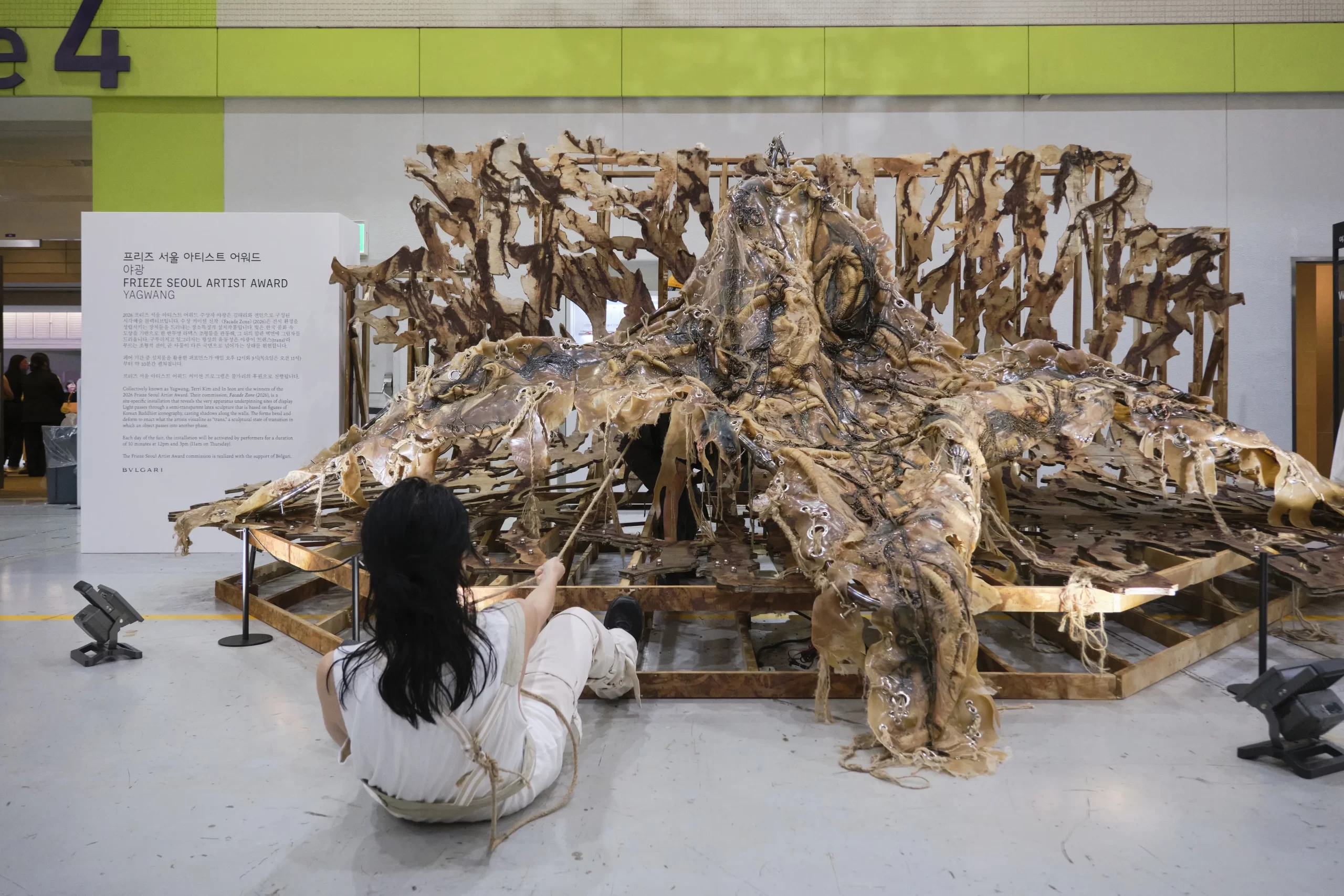
At the same time, the increasingly visible presence in Seoul of Southeast Asian galleries such as Gajah Gallery, STPI and The Drawing Room suggests that the city can serve as a point of connection through which Southeast Asian art reaches broader collecting networks.
With these advantages, and as Frieze expands its year-round presence in South Korea through Frieze House Seoul and a Korean-language edition of frieze magazine scheduled to launch in 2027, Seoul will continue to be positioned not simply as the host of a fair, but as a long-term point of connection within the international art community. In this sense, Frieze Seoul 2026 reveals an Asian art map that is becoming increasingly multipolar, fluid and connected, with Seoul occupying an increasingly notable position within that structure.
Words: Tâm Phạm
Translation: Art Nation