Đọc phiên bản tiếng Việt tại đây.
In 2005, when Richard Koh Fine Art laid its foundations in Kuala Lumpur, the Southeast Asian contemporary-art market was still fragmented. Two decades later, that ecosystem has changed substantially. The rise of social media, independent artist-run spaces and direct channels to collectors has reshaped the role of the commercial gallery. Rather than controlling access to information or chasing short-term speculation, a gallery’s core strength now lies in curatorial strategy, artwork positioning and sustained support for artists’ careers. This is also the foundation Richard Koh Fine Art continues to pursue: instinct, loyalty and endurance over time.
Three markets, one long-term strategy
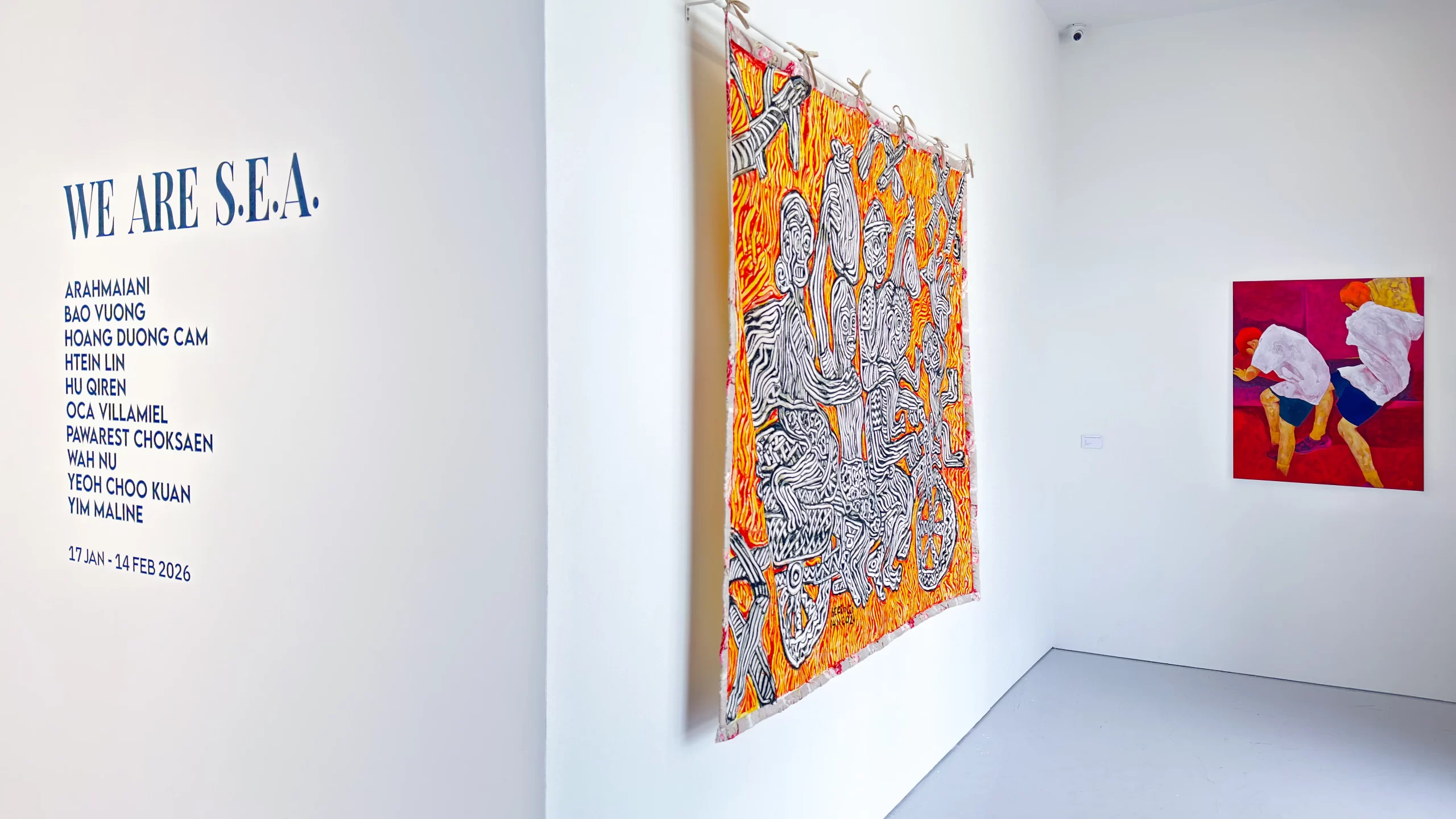
From Kuala Lumpur, Richard Koh Fine Art expanded into Singapore and Bangkok. The gallery’s experience suggests that differences in collecting behaviour and market structure call for a distinct approach in each city. Kuala Lumpur remains Richard Koh Fine Art’s base and the market in which long-standing personal ties are most deeply sustained. Malaysian collectors often make collecting decisions on the basis of information exchanged over repeated face-to-face conversations, coupled with strong support for home-grown artists. Singapore, by contrast, is more internationally oriented, with a multinational audience, openness to cross-border collecting and deep involvement from art advisers and institutions. Bangkok follows its own logic. Thai collectors have strong confidence in their domestic art scene and do not need external validation to decide whether to support a Thai artist. Rather than buying for resale, they tend to collect for the long term and stay with artists through multiple stages of their careers.
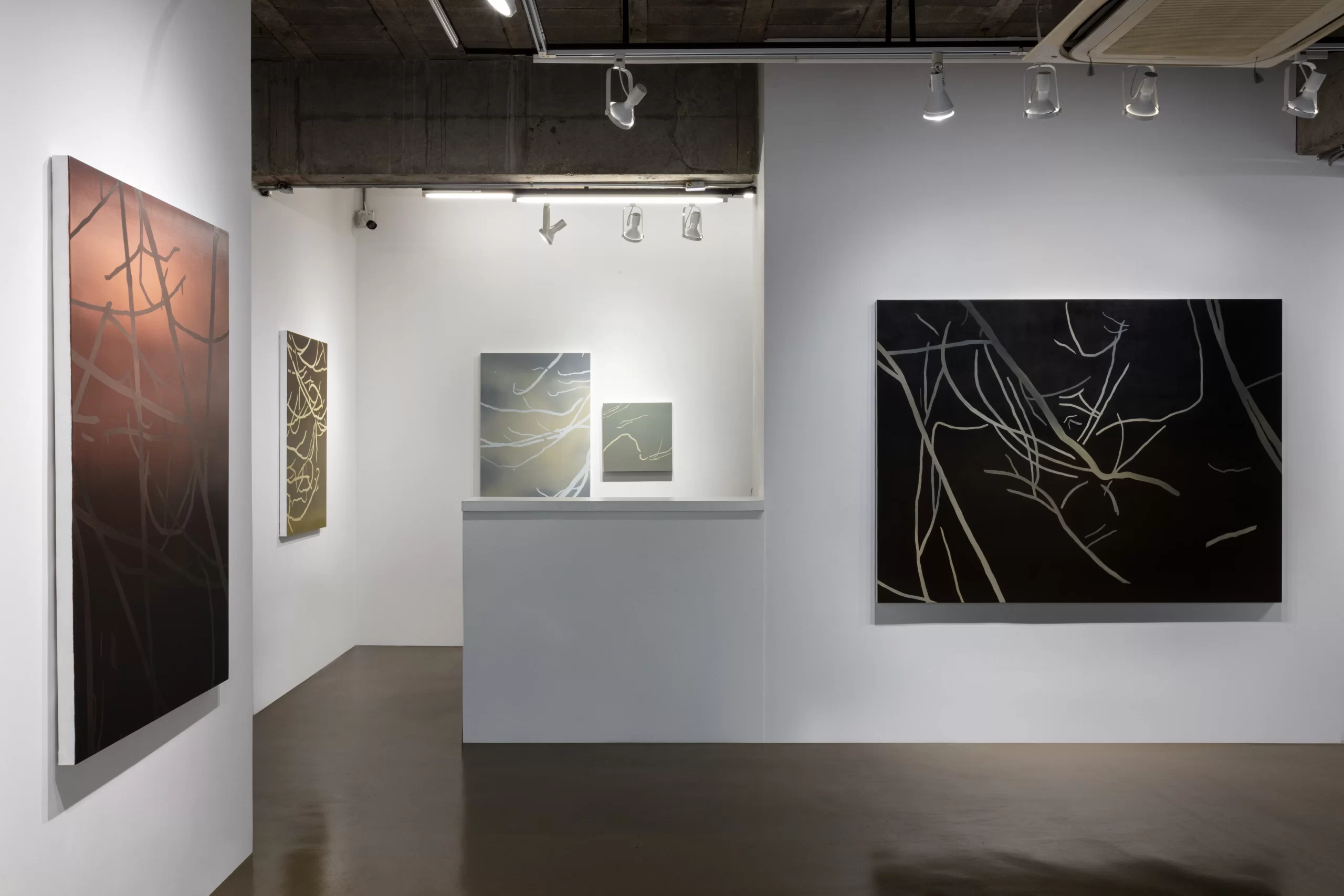
Given these market differences, rather than bending to local tastes, Richard Koh Fine Art adopts a sequenced approach to presenting artists, tailored to each location. Singapore is where artists are introduced to regional and international networks; Bangkok enables direct dialogue with Thailand’s established collector community; and Kuala Lumpur preserves the core of the gallery’s overall exhibition programme. For the artists it selects, venue, timing and the order of presentation across locations are carefully calibrated for maximum effect. Yet operating across the region also demands adaptability in the face of language barriers, currency fluctuations, tax regimes and the complexities of customs systems. Both the circulation of artworks and the development of artists’ careers therefore require patience and a long-term view.
At the same time, although the region’s art landscape has become increasingly robust, with institutions such as National Gallery Singapore, MAIIAM and Museum MACAN, alongside major events such as ART SG and Art Basel Hong Kong, establishing Southeast Asian artists among globally influential names still requires decades of scholarship, acquisitions by leading museums, a secondary art market with real liquidity and a collector base with a long view.
From scholarly capital to international standing
Richard Koh Fine Art’s curatorial strategy represents a commercial-gallery model grounded in scholarship and a transregional Southeast Asian perspective. Rather than responding to short-term tastes, the gallery has broadened its artist representation across Southeast Asia, including Thailand, Indonesia, Malaysia, Myanmar, Singapore and Vietnam, among others. This allows artists to gain recognition at a regional scale rather than only within national boundaries, enabling audiences to situate their work within broader contexts of reception.
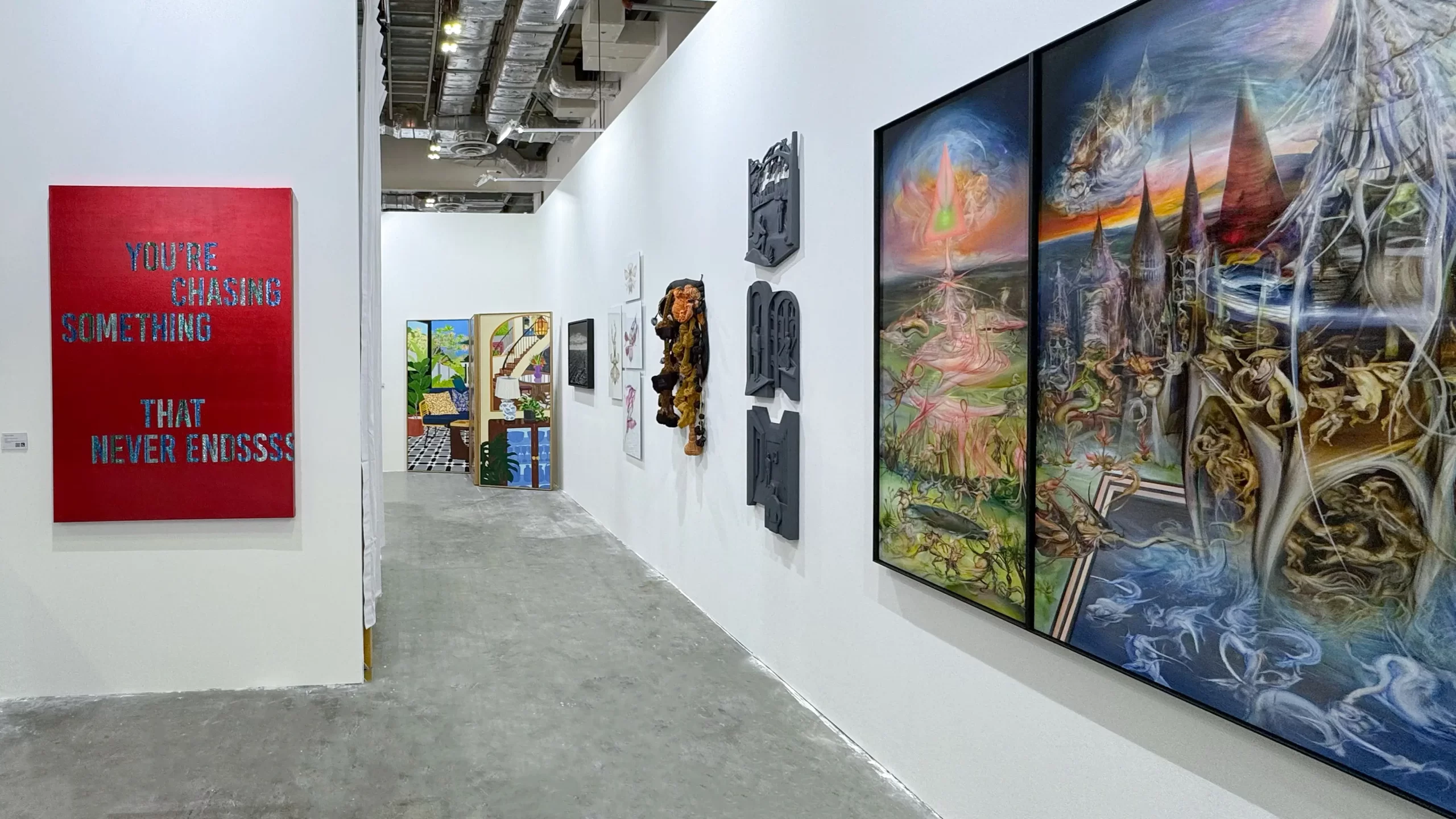
At the same time, central to Richard Koh Fine Art’s approach is the accumulation of cultural and scholarly capital through publishing monographs and collaborating with independent curators to build artistic discourse. Internationally, the gallery enters markets through curated booths at major fairs, each with a clear strategic purpose: Art Basel Hong Kong serves as a bridge to global curators and collectors; ART SG and S.E.A. Focus are platforms for expanding intra-regional client networks; while The Armory Show and Untitled Art Miami Beach test how Western audiences respond to Southeast Asian art.
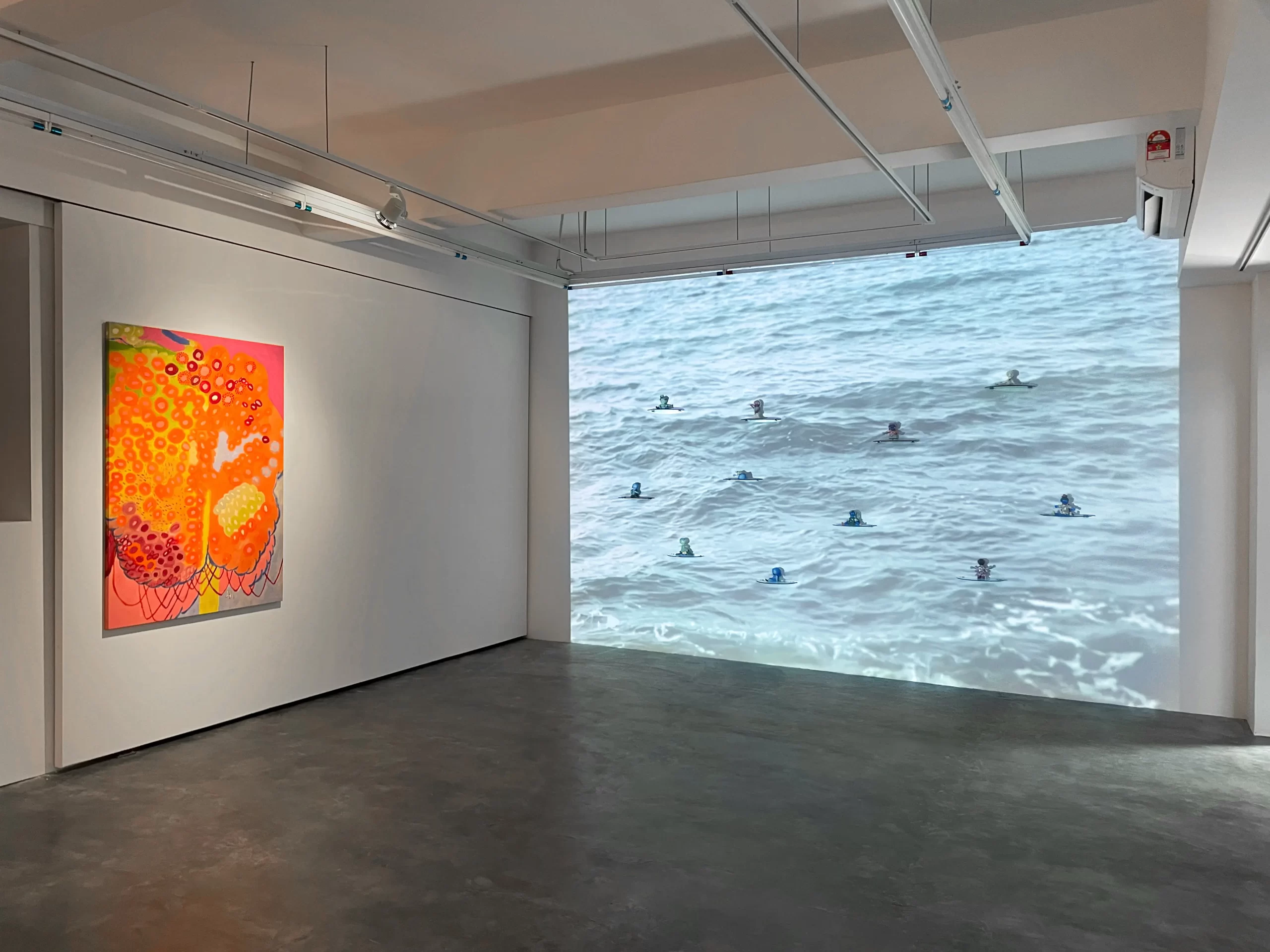
What is notable is how the role of the art fair has changed. A decade ago, fairs were primarily places to sell work. Today, they function more as platforms for building visibility, meeting curators and representatives of art institutions, and establishing a position within the professional community. The fair circuit creates initial contacts, yet most of the important and enduringly valuable transactions now happen quietly behind the scenes, through private viewing appointments and the trust subsequently built at the gallery.
Broadening access to art
Alongside the gallery’s activities, Richard Koh established Richard Koh Art Advisory as an independent business arm, serving as adviser to ART KL 2026. The event is scheduled to take place from 15 to 18 October 2026 at APW Bangsar, Kuala Lumpur, with UOB as principal sponsor and A Place Where (APW) as venue sponsor. It is intended to address the rising cost barriers of commercial fairs by providing a more accessible route to market for promising young artists.
At APW Bangsar, Richard Koh Fine Art has also established a new, relatively compact space. For the gallery, scale is not the point at this location. Instead, it seeks an intimate setting that sharpens the viewing experience around a tightly selected group of works. The complex draws different audiences for different purposes, allowing art to reach a broader public naturally beyond the conventional gallery ecosystem, thereby widening its audience and nurturing a sustainable creative community. In Richard Koh Fine Art’s model, community-building is not simply about increasing audience numbers, but about creating enough points of contact for people drawn to creative culture to encounter artists, understand their artistic practice and form a lasting relationship with the work.
Ultimately, a gallery’s legacy does not rest on media visibility or short-lived waves of speculation. It is shaped by persistence in document archiving, building artist dossiers, artwork conservation, placing works in established collections and enabling artistic practice to be studied across generations. The model pursued by Richard Koh Fine Art is one of sustained faith in a clearly defined strategy and the resolve to measure success over a horizon counted in decades.
Words: Tâm Phạm
Translation: Art Nation