Đọc phiên bản tiếng Việt tại đây.
At the level of imagery and symbolism, the history of Vietnamese art reveals a tradition marked by continuity yet never fixed or static. Beneath the shifts of dynasties, borders, religions and political systems persisted an enduring visual language through which people articulated their cosmologies, spiritual beliefs, aspirations to power and aesthetic sensibilities. From the era of the Hung Kings to the end of the Nguyen dynasty, across stoneware, bronzes, ceramics, embroidered textiles, jewellery and other media, artistic motifs served not merely to embellish objects, but also to narrate history through symbolic form.
The dragon motif: A genealogy of power
Within the broader symbolic system of Vietnamese art, the dragon occupies a central position, with no other motif reflecting the transformations of history, authority and aesthetic sensibility so vividly. The Vietnamese dragon has very early origins, linked to the giao long of the Dong Son period – a mythical aquatic creature resembling the crocodile, an animal widely found throughout tropical riverine environments. This marks a crucial distinction between the Vietnamese dragon and its Chinese counterpart: its indigenous roots are tied to a river-based agrarian civilisation.
By the Ly dynasty (1010–1225), the dragon had attained a remarkable degree of elegance. The dragon’s head bore a crest, horns, tusks and mane. Its body was slender, undulating in evenly spaced curves that tapered gradually towards the tail, echoing the serpent-like imagery of the sacred Naga in Champa culture. Ly dragons possessed four legs ending in bird-like talons, while scales were often only sparingly rendered, becoming clearly visible mainly in larger reliefs. They most commonly appeared either in the form of Long o (coiled dragon roundels) or within bodhi-leaf motifs, yet shared a defining posture: the head raised high, embodying the spirit of an independent and sovereign Dai Viet.
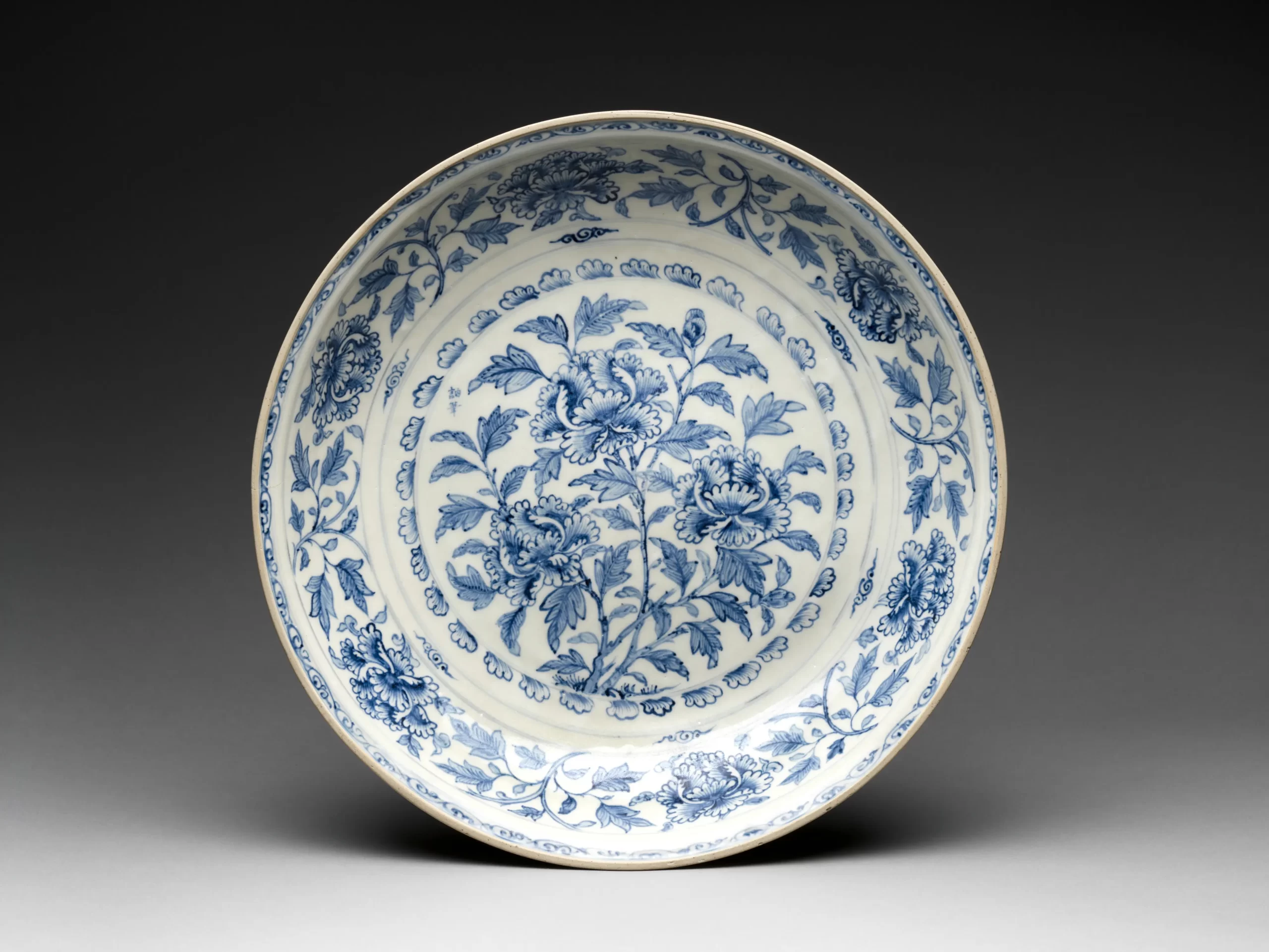
During the Tran dynasty (1225–1400), the dragon retained many characteristics of the Ly period while assuming a more powerful form distinctive to the era. Dragon horns diversified in shape; claws became broader and shorter; the body grew fuller and more muscular, no longer undulating in the evenly rhythmic serpentine curves, but instead displaying greater formal variation. In the early Tran period, dragons were often depicted in an arched saddle-back posture, reflecting the triumphant atmosphere surrounding the three victories over the Yuan-Mongol invasions. One example of this form appears on the ceiling of Pho Minh Tower, constructed in 1310. Towards the end of the Tran dynasty, dragons increasingly appeared in the roundel form.
With the Early Le dynasty (1427–1527), the dragon underwent a profound shift in temperament. This was the period in which Confucianism became the dominant state ideology and centralised monarchy was consolidated with unprecedented force. The dragon’s snout lengthened, while its mane was parted down the centre. The Chinese character for “Le” (黎) contains the water radical (水), and dragons of this era were often depicted grasping their own beard – rendered as cloud forms, with clouds themselves symbolising water – suggesting that the Le dynasty held both political authority and the fate of the nation firmly in hand. Dragons of this period commonly displayed five widely splayed claws, signifying imperial supremacy and sovereign intimidation.
The Mac dynasty (1527–1592) witnessed a compelling synthesis of earlier traditions. Mac Thai To claimed descent from Mac Dinh Chi of the Tran dynasty, seven generations removed. A military official by background and an admirer of Tran heritage, he shaped the dragons of the Mac period in resonance with Tran aesthetics, particularly through the saddle-like curvature of the back. Dragons of the Mac period may be identified by heads resembling those of the Early Le style, though with shorter snouts, while the blade-like appendages extending from the eyes and leg joints were typically rendered as single blades, folding in soft undulations that extended gracefully along the body. These features reflect the transitional nature of a newly established dynasty emerging amid political crisis. The Mac dragon thus simultaneously inherited older traditions and sought a distinct identity of its own.
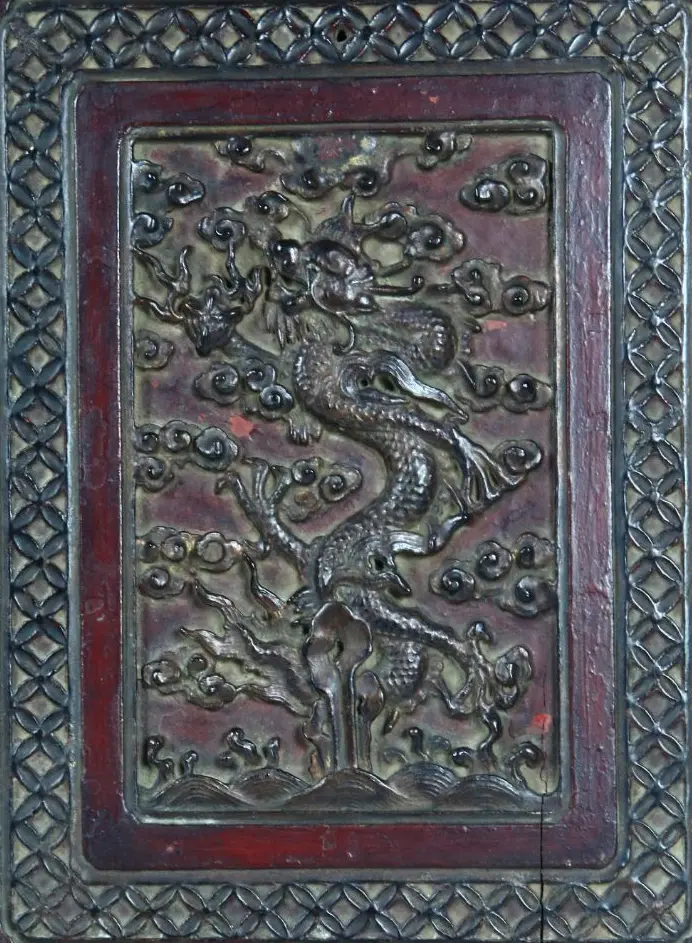
Under the Le Trung Hung period (1533–1788), dragons became increasingly elaborate and beast-like, developing bat ears, leonine noses and protruding eyes. Real political power at this time rested almost entirely in the hands of the Trinh lords, while the Le emperors survived largely as symbolic rulers. Society grew increasingly stratified, and vernacular art flourished. Dragons no longer belonged exclusively to the court but entered deeply into communal houses, altar tables, ornamental screens and ritual objects, where folk artisans exercised remarkable creative freedom. A distinguishing feature of dragons from this period is the presence of blade-like cloud motifs running alongside the body. 17th-century dragons bore blade forms ending in pointed or rounded tips. By the early 18th century, these blade motifs sharpened into tapering, swallow-tail forms. Around the middle of the eighteenth century, beginning during the Canh Hung era in 1740 under Le Hien Tong, dragons began to develop tightly spiralled tails. One may hypothesise that the Trinh lords consciously cultivated this new dragon imagery as a means of asserting Trinh authority throughout social and political life. Dragons depicted on commissioned porcelain or official decrees issued by the Trinh court consistently featured spiralled tails rather than the earlier fish-tail forms. This spiralled-tail dragon would later be culturally adapted by the Nguyen dynasty and widely employed in the decorative arts of the Hue court.
During the Nguyen dynasty (1802–1945), the dragon inherited many features from the Later Le prototypes, though the blade-like appendages were largely eliminated, retaining only elongated tail blades. Nguyen dragons are distinguished by the curling form of both the tail and its flowing strands. Under Emperor Minh Mang, dragons appeared imposing and ferocious, forcefully projecting the supreme authority of the monarch and the dynasty. From the later years of Tu Duc onwards, dragons increasingly took on more slender bodies, with larger and more irregular dorsal fins. Motifs such as ho phu (a mask-like motif combining leonine and dragon-like features) and long hoa (various forms of “dragon transformation”) became increasingly widespread during the Nguyen period, appearing in forms such as dragons clasping the character “壽” (“longevity”), dragons transforming into fish, lotus blossoms, chrysanthemums or orchids.
Taken as a whole, the evolution of the dragon form across successive dynasties may be read as a spiritual cartography of Vietnamese history: the dragon was not merely an artistic subject, but political history rendered in images.
Artistic motifs as refractions of history
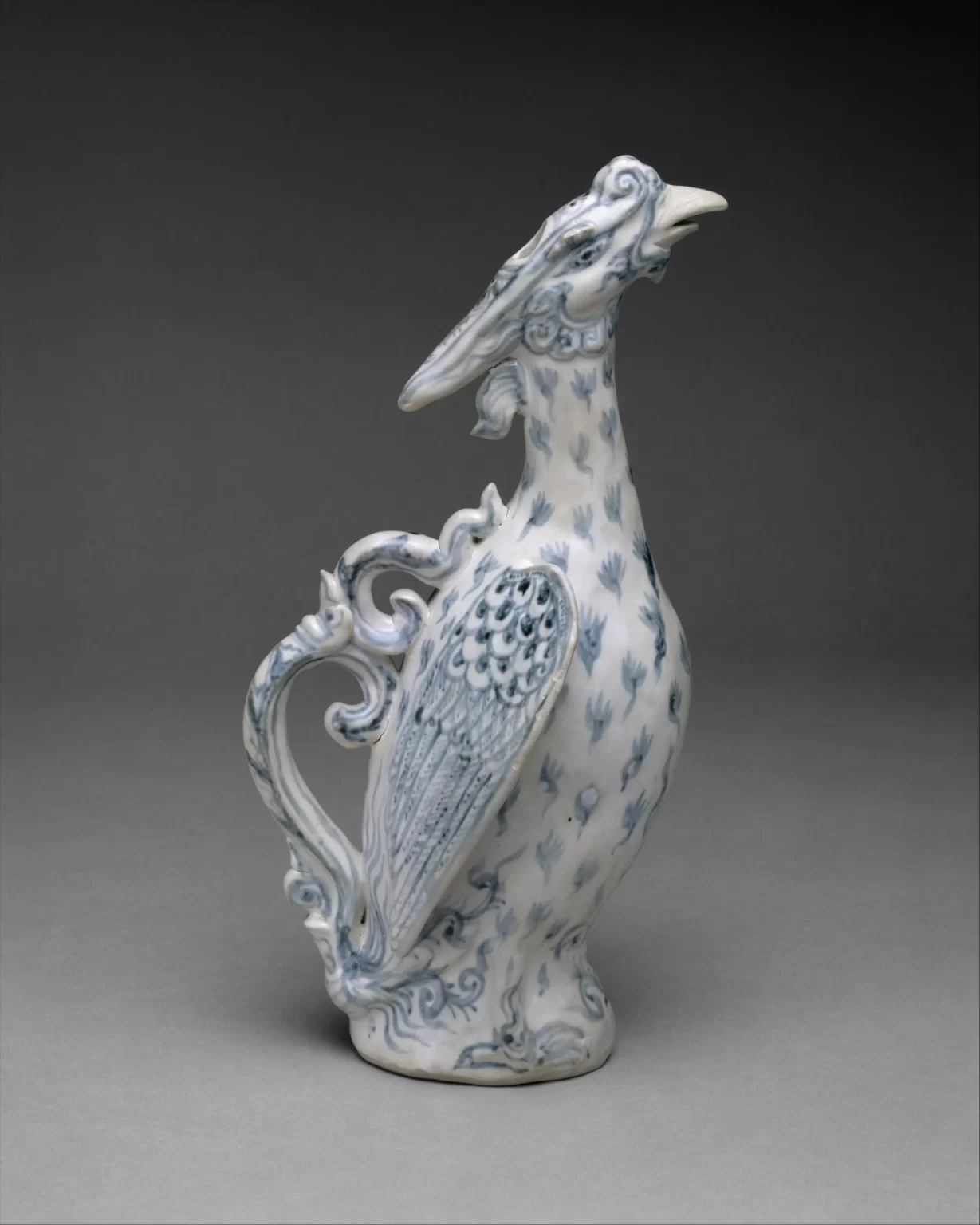
The continuum of Vietnamese artistic heritage extends far beyond the majesty of the dragon motif, bearing traces of the syncretic transformation of numerous other iconographic forms. Among the most prominent are groups of sacred and mythic creatures such as the lac bird, phoenix, turtle, unicorn, Kinnari bird, Garuda bird, Naga serpent, Ganesha, Makara dragon, stone crocodile, nghe (Vietnamese guardian lion-dog creature), long ma (winged horse with dragon scales), ho phu (tiger head-shaped emblem); cosmological and natural motifs such as the sun, clouds, waves, and mountains; animal imagery encompassing lions, elephants, tigers, snakes, toads, buffaloes, horses, monkeys, deer, goats, chickens, mandarin ducks, carp, bats, cranes, and parrots; vegetal motifs including bodhi leaves, lotus, chrysanthemum, apricot blossom, peony, pomegranate, and Buddha’s hand citron; alongside other symbolic groupings such as human figures, deities and religious emblems, Han and Sino-Vietnamese inscriptions, and composite configurations that combine several of these iconographic repertoires.
Some persisted across successive dynasties, forming symbolic threads that connected different historical eras; others existed only within particular periods, reflecting the intellectual and spiritual climate of the dynasties that produced them. A notable example is the motif of the sun and clouds, which emerged in Dong Son culture some 2,500–2,000 years ago and continued through to the Nguyen period. Another enduring example is the hoa chanh (citron blossom) motif, found on Ly-period terracotta bricks at the Imperial Citadel and continuing into the Nguyen dynasty on the gilded borders of ceremonial books in the royal court of Hue.
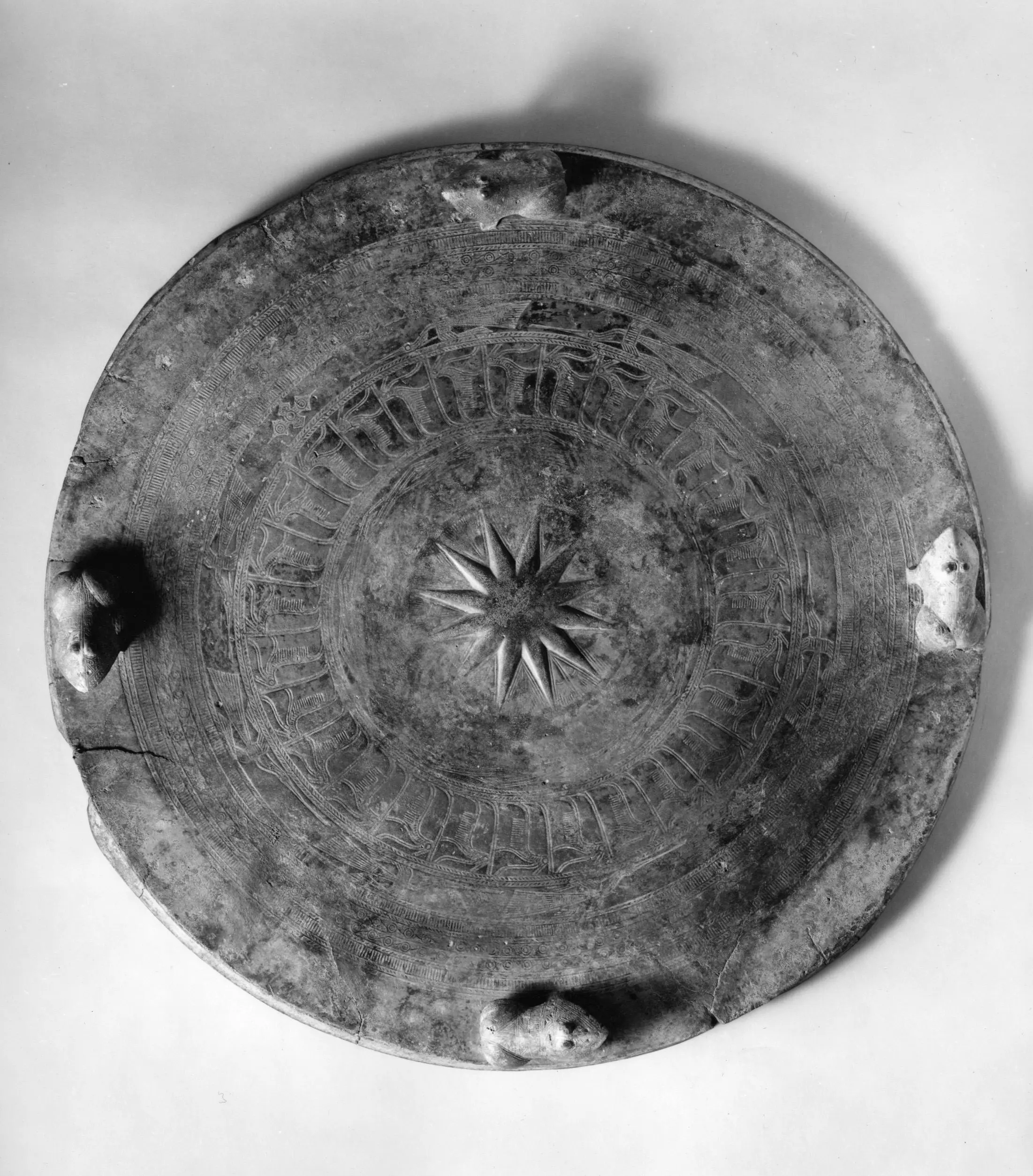
By contrast, the sau da (stone crocodile) motif appears only during the Ly, Tran and Ho periods, before being supplanted by the nghe – a mythic leonine guardian creature – under the Mac dynasty. Similarly, the long ma (dragon-horse hybrid creature) did not persist throughout the entirety of Dai Viet history, but only emerged during the Later Le period and reached its fullest development under the Nguyen. The paired-duck motif, meanwhile, first appeared on Dong Son bronze drums and became widespread on ridge-end roof tiles from the Dinh dynasty through the late Tran period. By the Early Le era, however, this motif had largely receded from artistic practice, giving way to new symbolic conventions.
Certain motifs became associated with shifting attitudes of reverence, taboo and religious belief. At the height of the feudal order in the 15th century, the snake came to symbolise evil in the Confucian imagination. The legend of the “vengeful serpent” was subsequently linked to the extermination of the three generations of the scholar-official Nguyen Trai’s family in the Le Chi Vien affair. Yet in another context, the snake occupied a sacred place within the Dao Mau (Worship of the Mother Goddesses) tradition, where it was venerated as Ong Lot, and the “Green Serpent” and “White Serpent” the protective spirits safeguarding the sacred order. Similarly, in Champa culture, the divine serpent Naga is frequently depicted arching protectively over the Buddha, implying that even a creature perceived as violent and malevolent could, through submission to Buddhist law, be transformed into a sacred being.
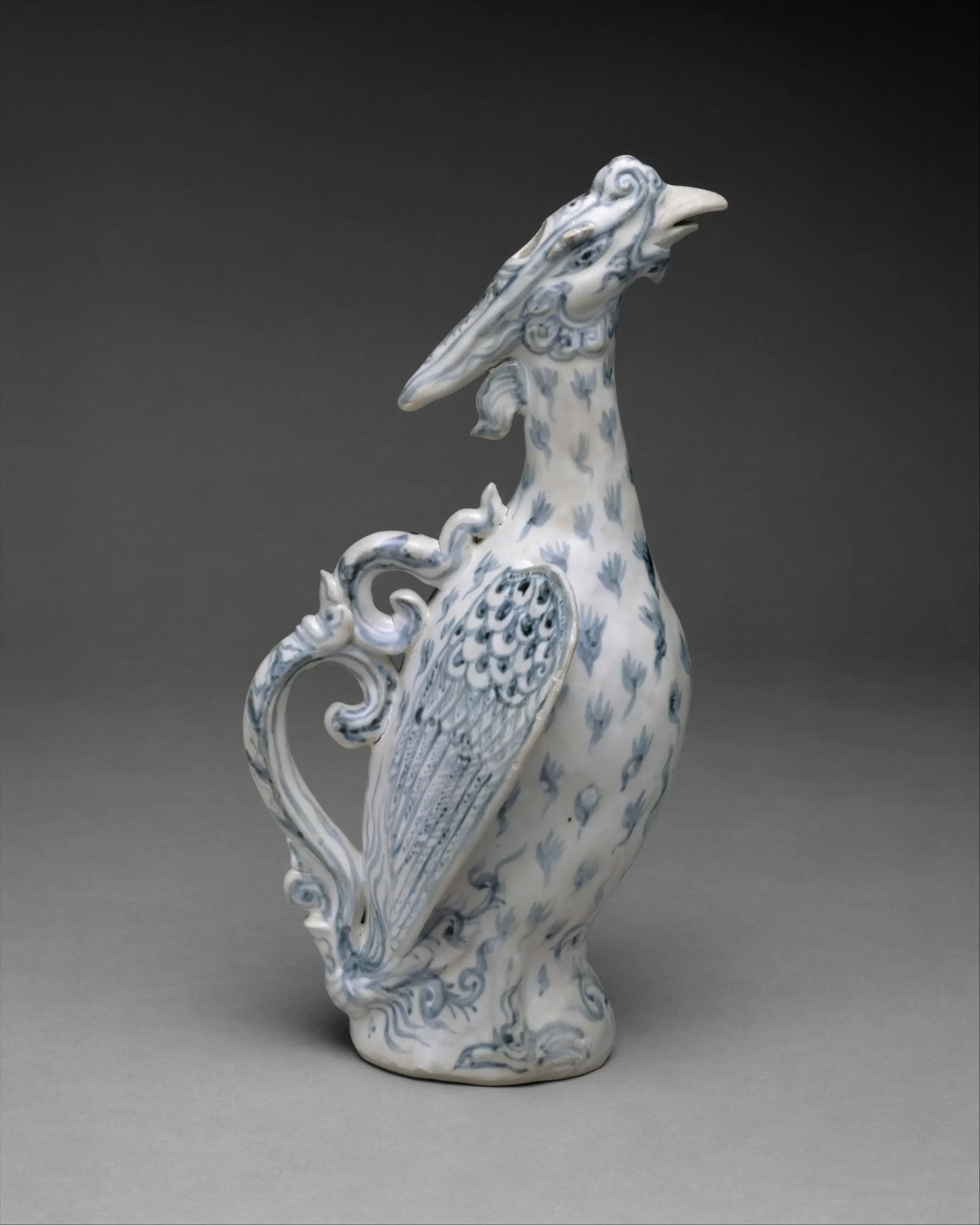
Through the artistic motifs of ancient Vietnam, it becomes evident that Vietnam was never a closed cultural sphere, but rather a meeting ground for multiple major currents of influence: Sinitic learning from the north, Hinduism and Buddhism from the south, and the legacy of Champa in central Vietnam. Vietnamese art thus emerged through a process of continual adaptation while retaining a distinct cultural identity.
In the contemporary moment, when many living environments are increasingly homogenised by borrowed global motifs, returning to the symbolic reservoir of Vietnamese culture is not merely an exercise in nostalgia, but a pathway toward constructing an indigenous aesthetic for the future. In this sense, revisiting the motifs of ancient Vietnamese art is also a way of rereading the inherited imagination of the Vietnamese people across millennia of history. Each antiquity is no longer simply an object, but a multilayered visual text for Vietnamese society in a new era. Once this is fully understood, collectors may discern chronology through style; architects may discover new formal inspirations; interior designers may subtly reinterpret ancient decorative patterns; and those devoted to heritage may deepen their understanding of national cultural identity.
Words: Nghiêm Giang Anh
Translation: Art Nation