Đọc phiên bản tiếng Việt tại đây.
Dib Bangkok (“Dib”) houses one of Thailand’s most significant collections – a legacy of the legendary collector, Mr Petch Osathanugrah. How has the mission of continuing your father’s journey and vision influenced the conceptual development of Dib?
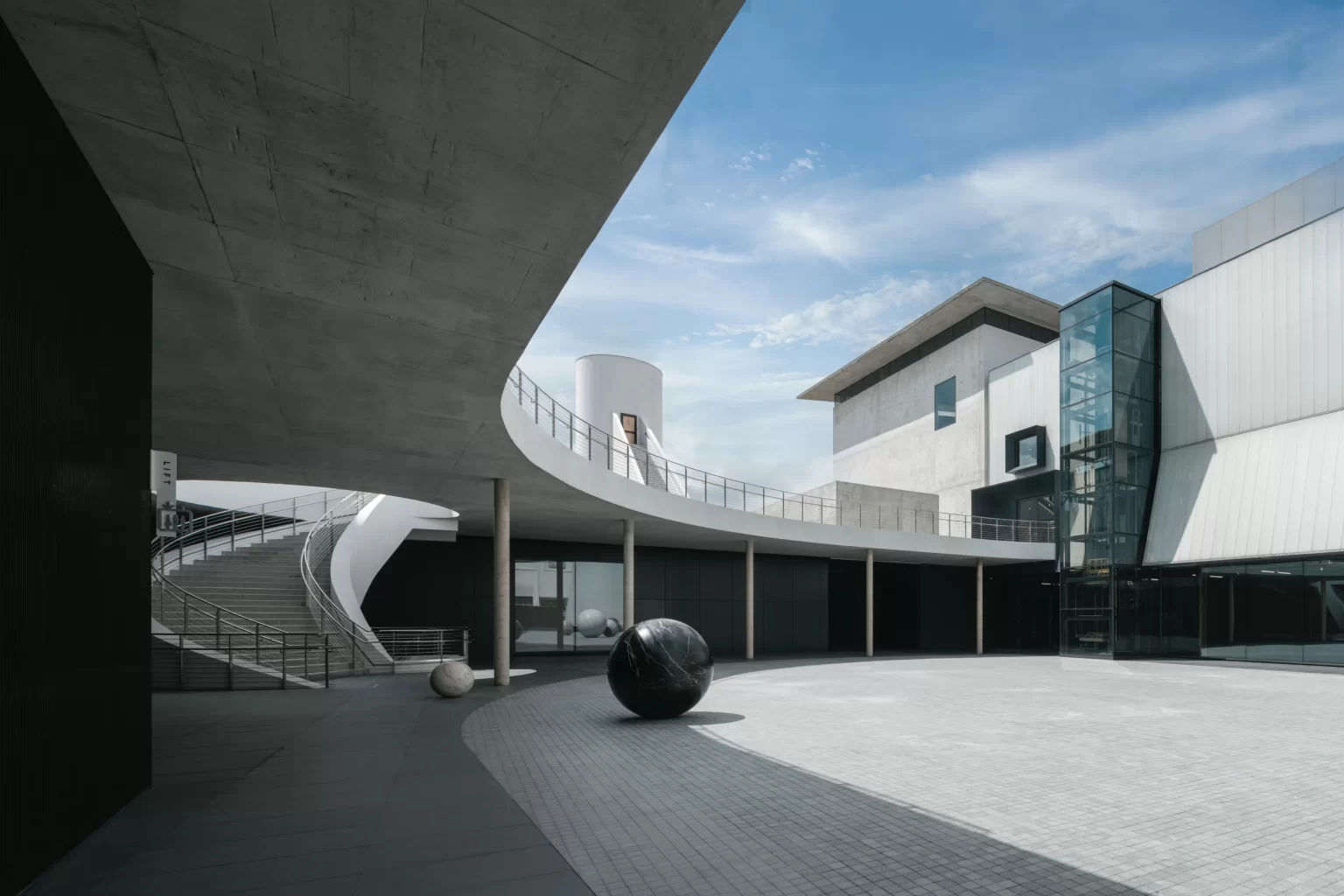
Purat Osathanugrah (PO): Dib Bangkok began as a private dream shaped by my father’s lifelong relationship with art, which has since evolved into a public mission. Bringing that vision into reality required patience, conviction, and care – from assembling the right team to completing the museum and establishing the foundations of a cultural institution. It also required patronage and a degree of sacrifice, guided by the belief that art and culture can only depend on long-term commitment to endure.
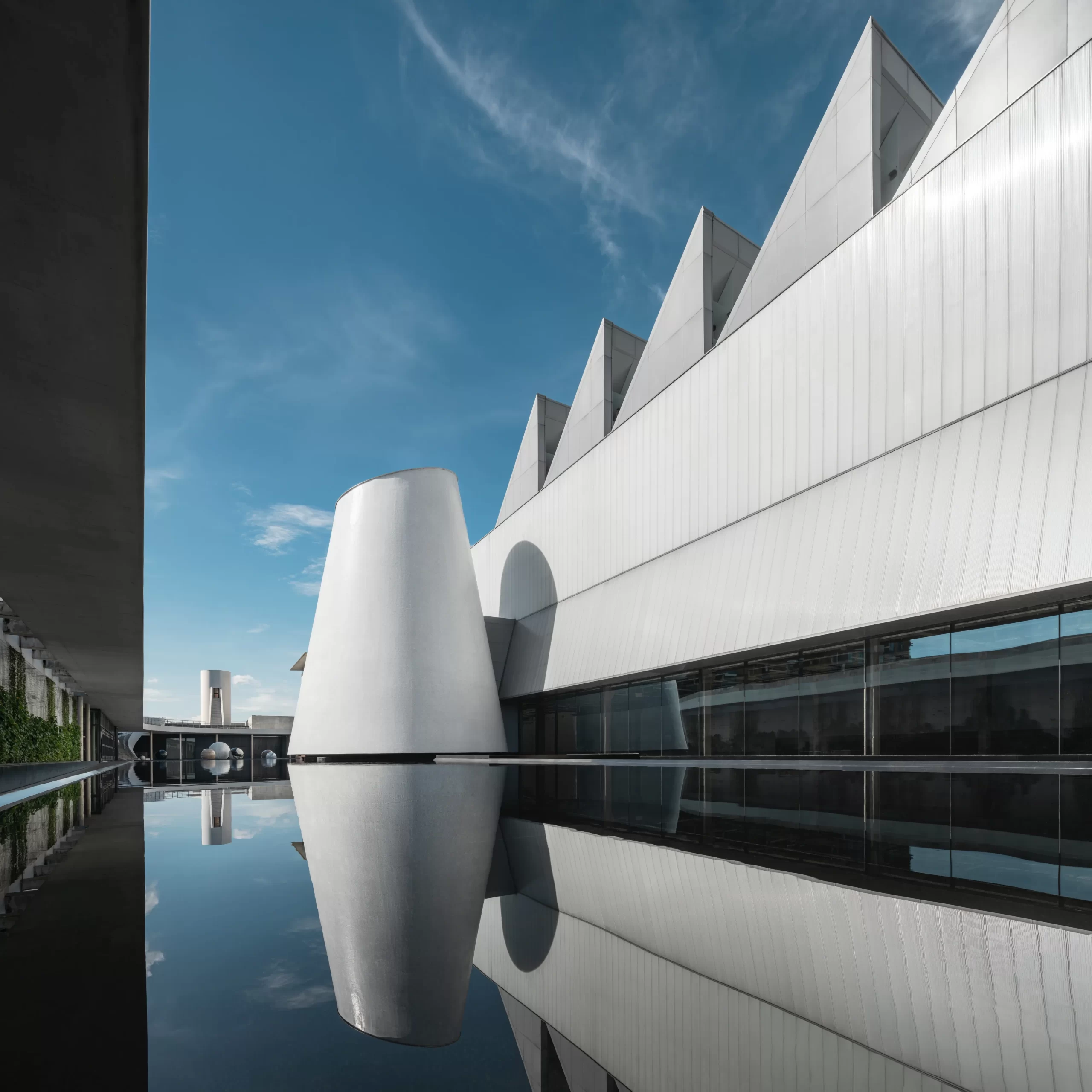
Today, as the disconnect between our past and present becomes increasingly perceptible, continuity is more essential than ever. Collecting is not about accumulation; but about bridging generations. I see art as an ocean, vast and in constant motion. Some engage deeply, others more intuitively, but everyone feels its pull. Dib exists to steward that experience and share it with all who enter its doors.
Dib’s debut exhibition “(In)visible Presence” is a homage, a vision coming to reality, a dialogue of the unseen, unsaid, and unknown. Dr Tezuka, could you walk us through the selection of artworks and some highlights of this exhibition?
Miwako Tezuka (MT): Long before Dib became a physical museum, our narrative had already been guided by a desire to share the creative fruits of humanity, and was itself part of the evolving Thai contemporary art landscape. With “(In)visible Presence”, we wanted to honour those who had shaped this journey before us, including our “founding father” Petch Osathanugrah. Their presence may no longer be visible, yet remains spiritually and intellectually with us.
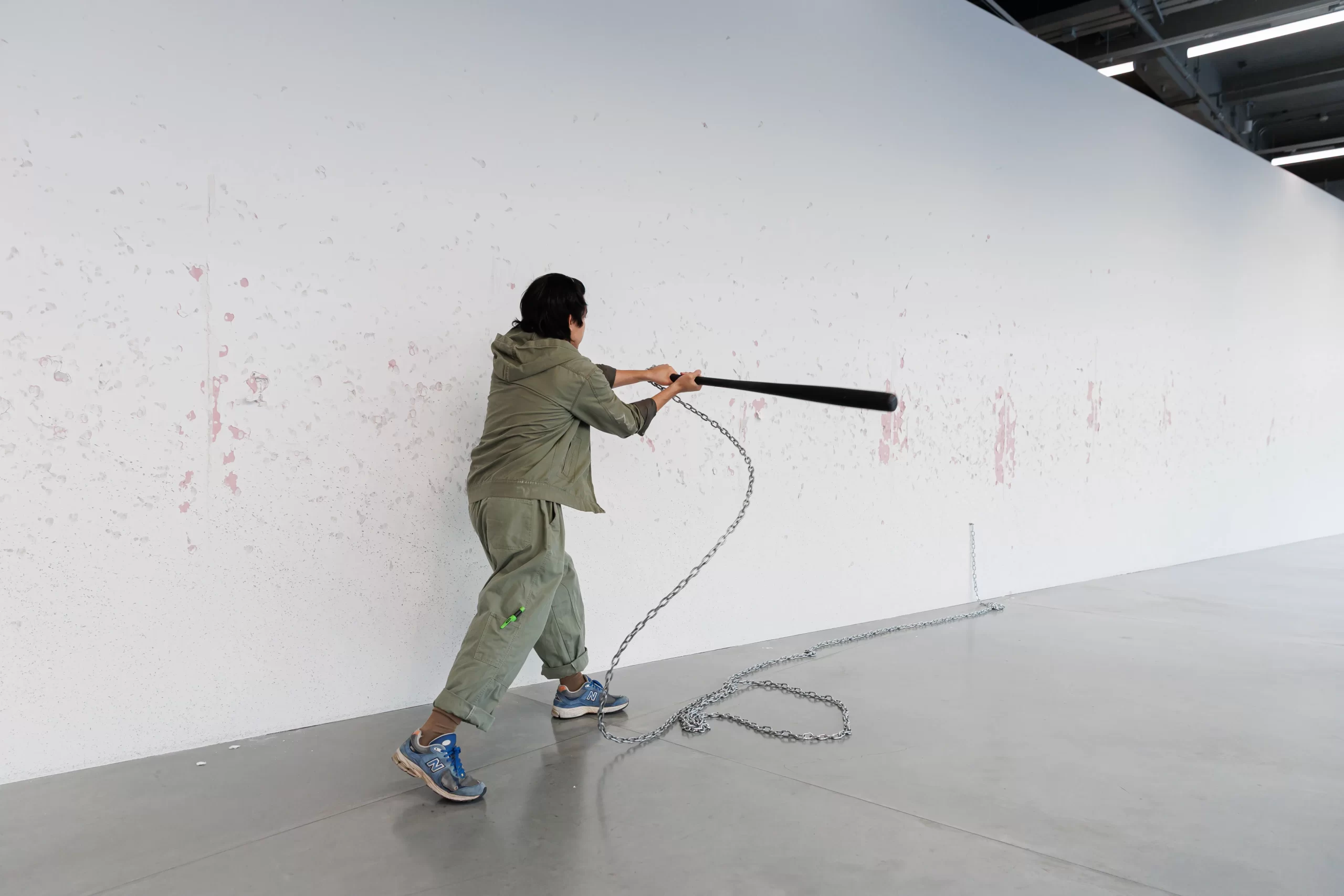
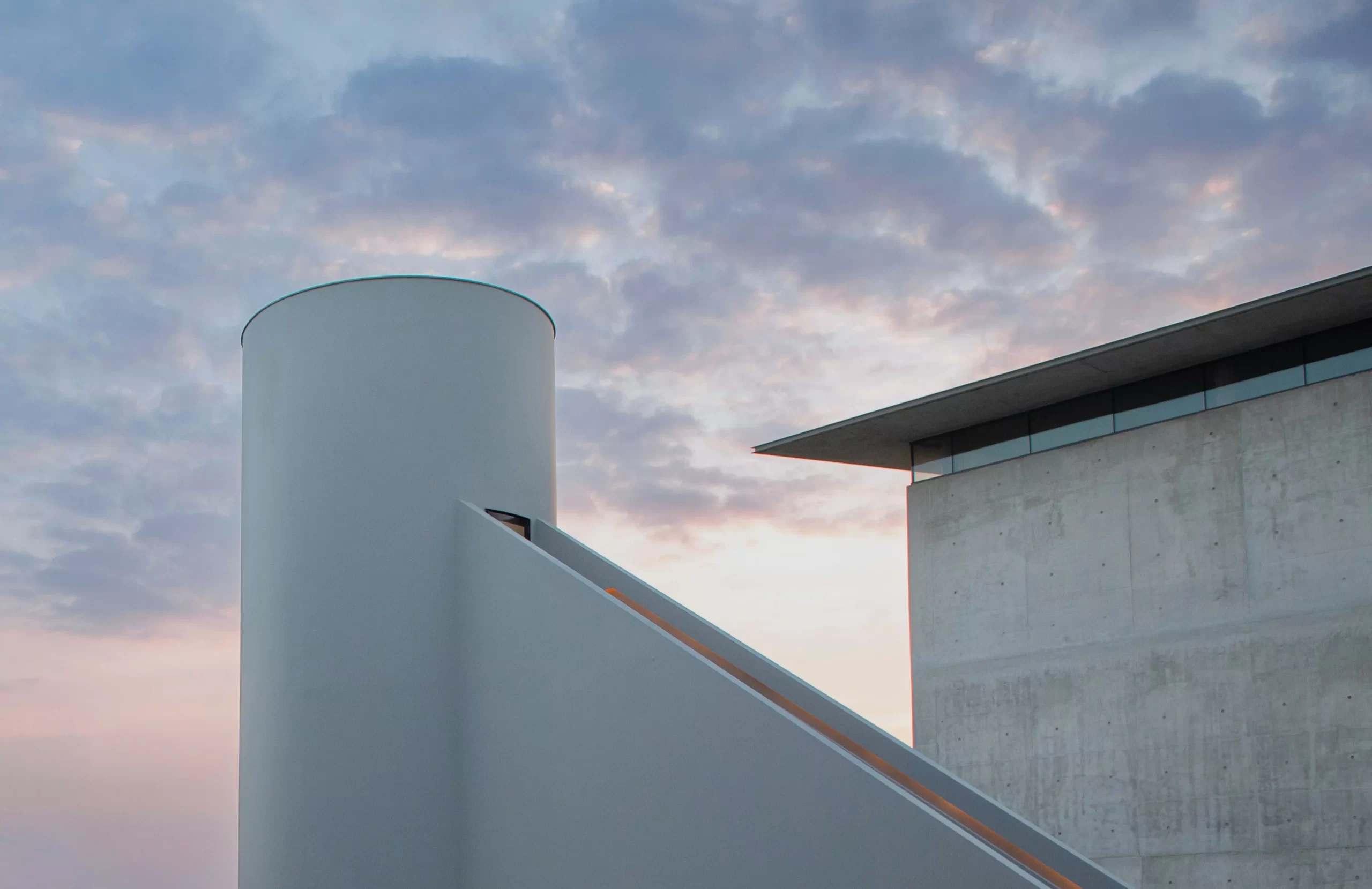
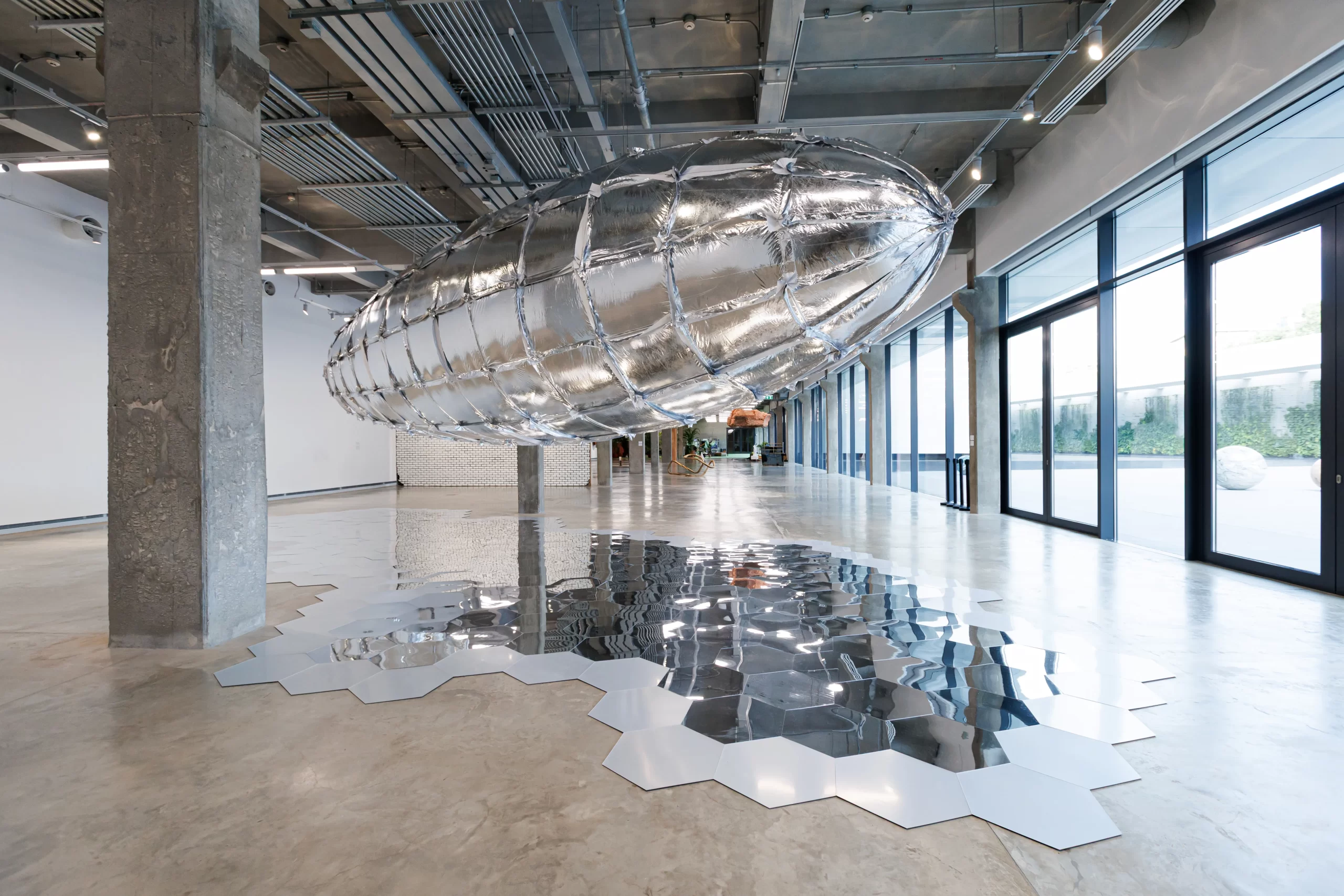
Our three exhibition floors echo a progression found in Buddhist thought, moving from worldly experience towards reflection and, ultimately, awakening. The ground floor, the first visual touchpoint, presents large-scale installations that anchor visitors in the physical world through playfulness, spectacle, and immediacy. Marco Fusinato’s “Constellations”, for example, is originally a static wall that becomes active only when a visitor strikes it with a baseball bat, making the theme of “invisible presence” tangible through vibration and sound.
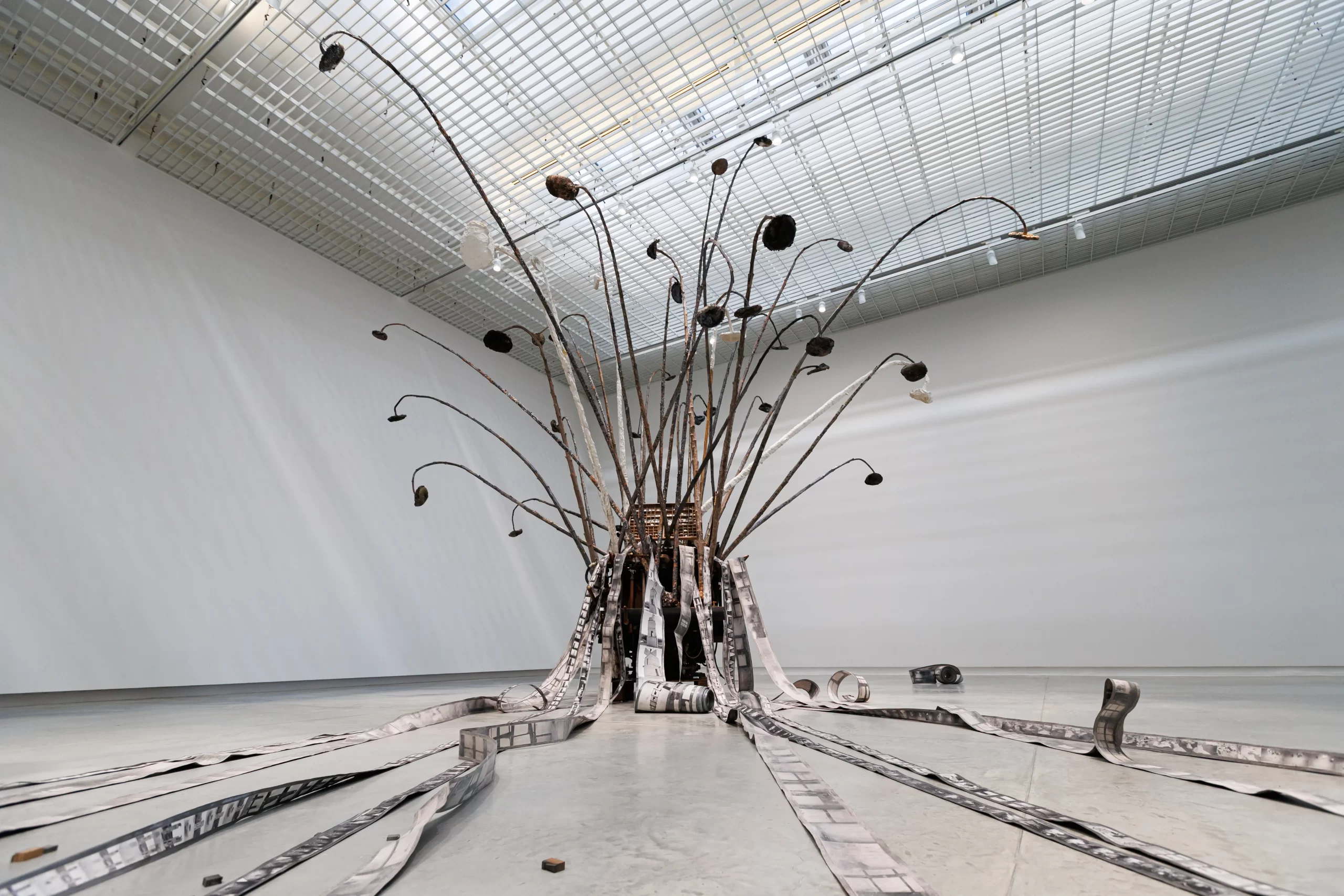
The second floor shifts towards contemplation, inviting reflection on memory and time. Nobuyoshi Araki’s “Future, 2015.11.14–2040.5.25”, composed of hundreds of 35mm-film images, manipulates date stamps to blur distinctions between past, present, and future. The work unsettles our usual sense of time, raising questions about where memory truly begins or ends.
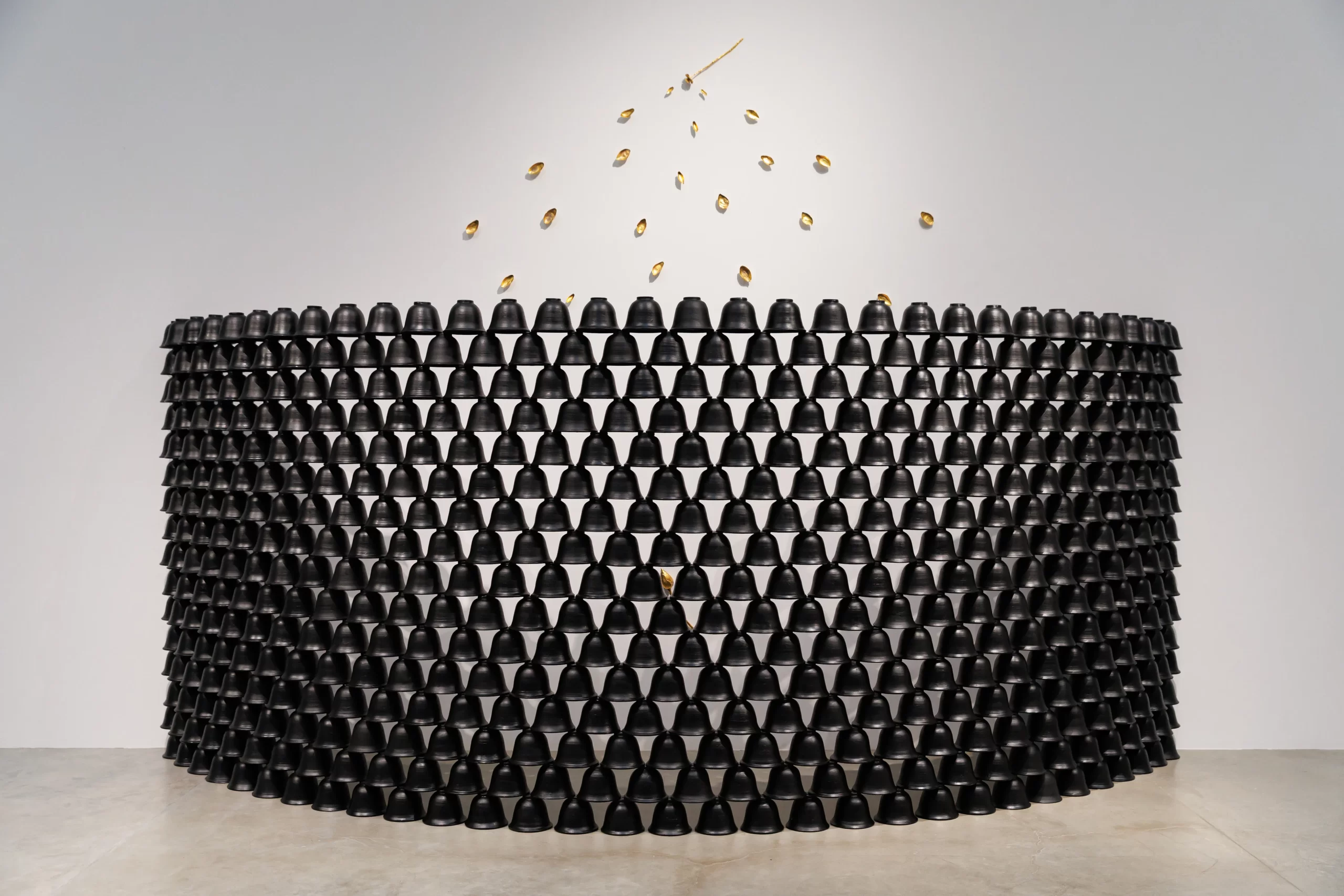
The third floor opens into a luminous space shaped by filtered natural light. Here, works by the late artist Montien Boonma, including the deeply resonant “Lotus Sound”, draw on Buddhist spiritual traditions while remaining broadly human in their reach. Rather than expressing specific doctrine, they point towards healing, introspection, and the possibility of transcendence.
At its core, Dib’s narrative is rooted in the belief that the idea of shared humanity endures, despite conflict, loss, and uncertainty. As a public-facing institution, Dib Bangkok now carries the responsibility of bridging this invisible presence with the present moment, and sharing it with the world.
The museum has chosen the Thai word “Dib (ดิบ)” as its name. Could you share with our readers about the meaning behind this name?
PO: In Thai, “Dib” means raw, natural, and unpolished – an authentic entity before it is refined. We chose it intentionally to avoid feeling distant or institutional. I definitely did not want the museum to be a monument to a founder or a family name. Dib is not a static monument; it is a living space. We want every Thai person to feel a connection, to feel that Dib is truly Bangkok’s museum. There is also a personal layer, as it was the only name both my father and I genuinely liked.
How does the ”rawness” in Dib’s philosophy translate to the curatorial rigour and the visitor experience? Are there any notable artists or artworks that align with this philosophy in the collection?
PO: My father was a long-time supporter of Thai artists, including Montien Boonma, a name that I always return to. Boonma himself approached art with a deep awareness of preserving locally grounded formations of modernism while contributing meaningfully to global contemporary discourses. My father spoke of him with deep admiration, often describing him as a founding figure of Thai contemporary art and a lasting source of inspiration for many of today’s leading artists. His works feel like the very heart of our collection.
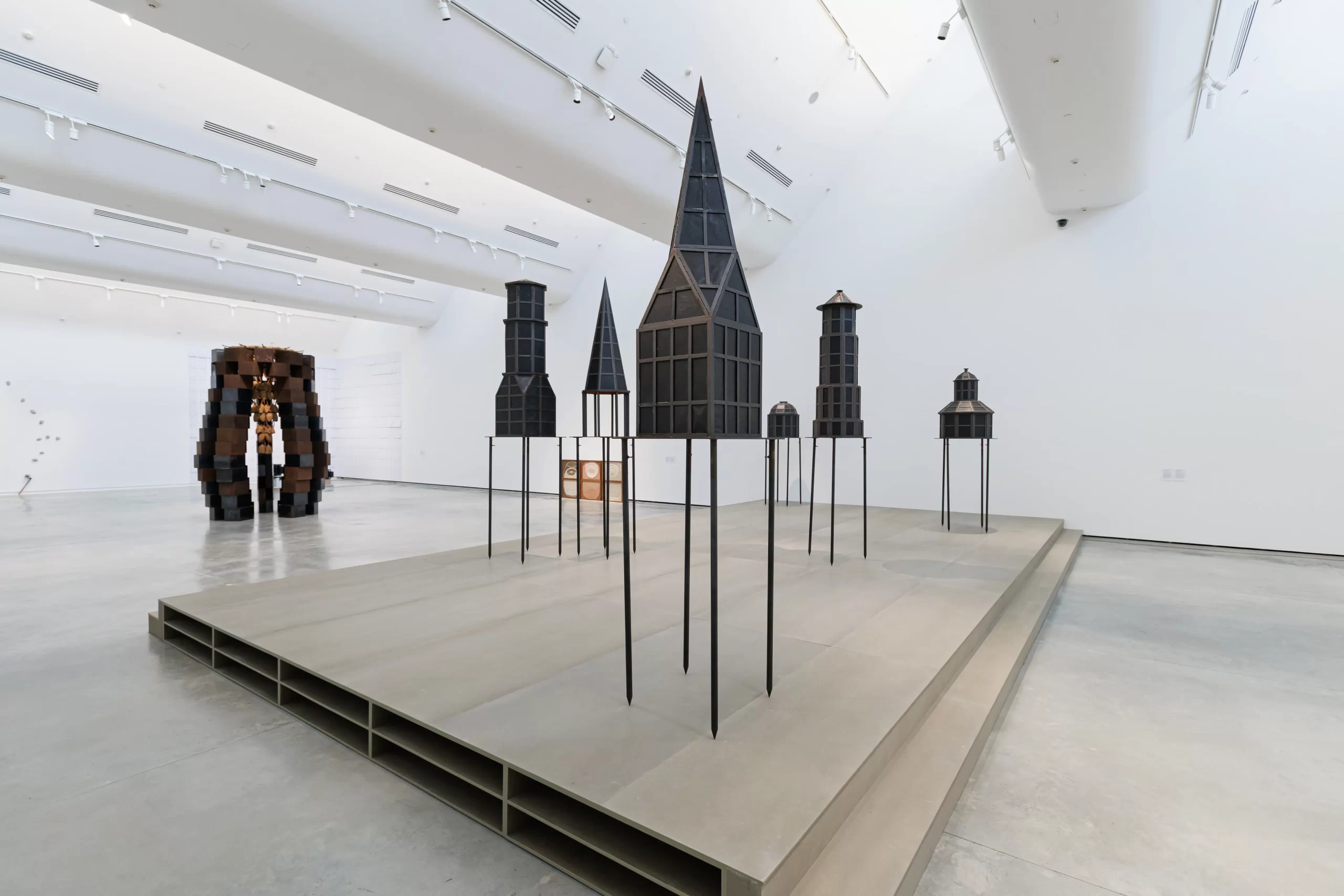
What moved me most, even as a child, was hearing how Boonma transformed the loss of his wife to lung cancer into a profound artistic expression by drawing from Thai spirituality and tradition to reconcile grief through art. Those stories stayed with me. They taught me that art is not simply something to look at, but something that helps us process life, loss, and meaning.
Here at Dib, we looked closely at his careful selection of materials, methods, and underlying ideas, and at how these were translated into works that communicate powerfully in both physical and experiential terms.
MT: Apart from Moontien Boonma’s collection, our permanent installation – James Turrell’s “Straight Up” is also a perpetual statement of this raw, direct experience. This work reminds us of the value of being fully present: an opportunity for each visitor to encounter perception in their own authentic way, as expectations gradually dissolve and the act of seeing itself opens into new ways of sensing the present moment.
The completion of this work was made possible through the utmost dedication of the artist’s studio, the museum’s entire team, and the many local contractors who elevated their craftsmanship to a new level for this project. It was a process that involved not only complex technical demands but also ongoing communication challenges, requiring patience, flexibility, and close collaboration across curatorial, operations, facilities, and external partners. The project included multiple site visits, extensive testing, and iterative refinements over more than two years.
The Osathanugrah family has been a patron for Thai contemporary art for decades, as Mr Petch’s relationship with the artists was deeply rooted in mutual trust and shared dedication towards the ecosystem’s long-term growth. This commitment extends beyond mere collecting, embedding itself into art education and reaching new generations of creatives through collaborative programmes with Bangkok University. How does this patronage model shape the way Dib supports, commissions and acquires new works today?
PO: For decades, my father’s relationship with Thai contemporary artists was built on closeness, dialogue, and long-term belief. What began as personal passion has now evolved into an institution with a clear non-profit mission.
We’ve carried that spirit forward but expanded it beyond what any one individual could achieve. Dib is meant to be a cultural landmark for all: open, enduring, and grounded in the belief that creativity thrives when a whole community stands behind it. Passion remains the rocket fuel of our museum and cultural platform. As we continuously support artists, commission new works, and build the collection, we are widening the circle of art lovers and building curiosity around contemporary practice.
MT: Bangkok University partners with Dib Bangkok in the artistic learning and talent development for the region. We aim to nurture the entire art career ecosystem and cultivate new audiences beyond the traditional art circle. Just as importantly, we hope to inspire a new generation of art patrons and collectors – people who see supporting artists not as a private act, but as part of building cultural infrastructure altogether.
One thing that has struck me consistently in Thailand is the strong sense within the local art community that a museum like Dib can serve as an important constant as the ecosystem moves into its next phase of development. There is a shared awareness that sustainability, both institutional and cultural, depends on long-term commitment from all parts of the community, including artists, audiences, educators, and the art market as well.
Looking forward, how do you see Dib evolving as a space for experimentation and cultural transformation, one that helps shape Thailand’s contemporary art landscape? What can we expect from the Thai art market and from Dib’s future projects in the near future?
PO: For us, Dib Bangkok is evolving into a place where works are not only conserved, but continuously reinterpreted to speak to the present. We aim to create experiences that encourage audiences to slow down, to encounter art intuitively, while remaining grounded in curatorial rigour and thoughtful scholarship. Commissioning new works is central to this approach. By placing contemporary voices in dialogue with the collection, we recontextualise what already exists and allow meaning to evolve over time. In this sense, Dib is no longer viewed as a family collection. It has become part of the city itself, a museum that belongs to Bangkok, serving as a steady beacon and point of constancy for the city and the region as Thailand’s contemporary art landscape continues to take shape.
MT: Our direction is grounded in creating meaningful points of connection – between art and people, and between local and global art histories. We aim to present the diverse ways in which modern and contemporary art have taken shape across different cultural, social, and historical contexts. This perspective informs both our exhibitions and public programmes.
As a museum with a strong collection of major works by significant Thai contemporary artists, we are keenly aware of our responsibility as an educational institution. We see strong potential in the near future for partnerships with institutions that may have different focus areas. Such exchanges allow us to broaden perspectives, challenge assumptions, and develop more rigorous and nuanced narratives, both regionally and internationally.
Looking ahead, both the Thai art market and Dib’s future projects will likely reflect this growing maturity: deeper engagement with regional perspectives, stronger educational infrastructure, and a continued emphasis on sustainability. Our goal is to contribute to that momentum while remaining grounded in the community that makes it possible.
Words & Translation: Mary Lê