Curated by Sarnt Utamachote, Ferdiansyah Thajib, Hai Nam Nguyen, Thao Ho, and Ragil Huda, this is the first community-based exhibition in Berlin to explore gender and sexuality in Southeast Asia. Beginning with the question, “What does it mean to be a Southeast Asian queer person living far from home?”, the curators expanded the exhibition’s scope to include the broader Southeast Asian queer diaspora, engaging and collaborating with multiple archives such as directly from Schwules Museum (Berlin), A Queer Museum (Hanoi) and Queer Indonesia Archive.
In recent years, queer communities across Southeast Asia have received increasing support from allies, just as their representations in film and media have gradually become more nuanced and diverse. While challenges remain in advocating for and protecting their rights, progress has been made, demonstrating that the presence of queer communities is not a Western import that contradicts Asian traditions. Especially at a time when Thailand has just legalized same-sex marriage not long ago in June 2024, this exhibition can be seen as an inclusive effort to reflect the diversity within the queer communites, particularly in its transnationality between those in the diaspora and the homeland.
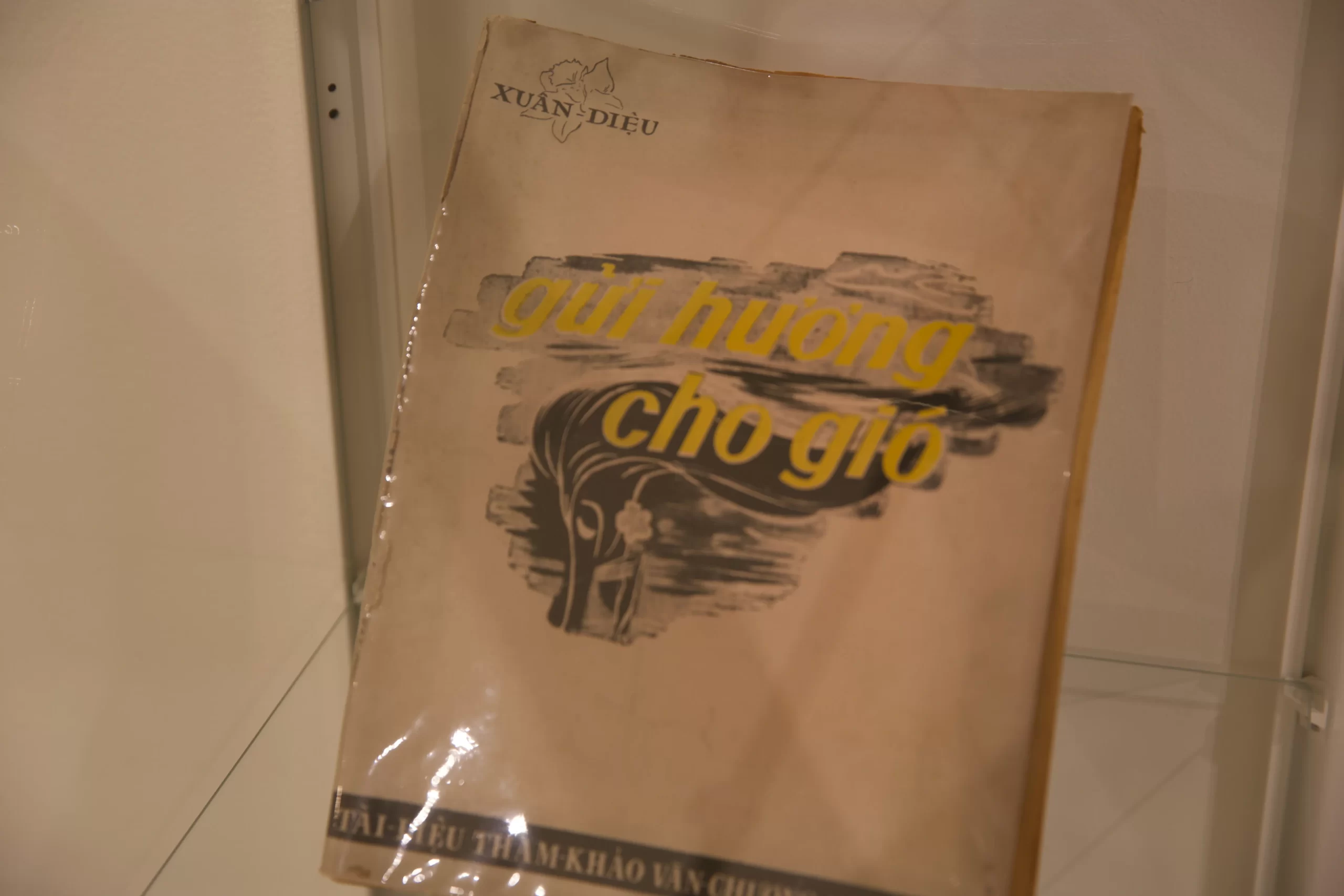
The exhibition venue, Schwules Museum, is the only museum dedicated entirely to queer discussions, exhibitions, culture and art in Germany. Founded in 1985, the museum houses an archive of around 1,500,000 items on the history of the LGBTQIA+ community in Germany. The title “Young birds from strange mountains” is taken from the foreword of the poetry collection “Sending Fragrance to the Wind” (1945) by the “king of love poetry” Xuan Dieu (1916–1985), a correspondent member at the Academy of Arts (Akademie der Künste) under the German Democratic Republic (East Germany). His tender poetry, which is drenched in passion, the lust for youth and love, is the opening force of five exhibition chapters entitled “Strange mountains archive”, “Embodied promises”, “Spiritual paths”, “Ancestral knowledge” and “Tropical technologies”.
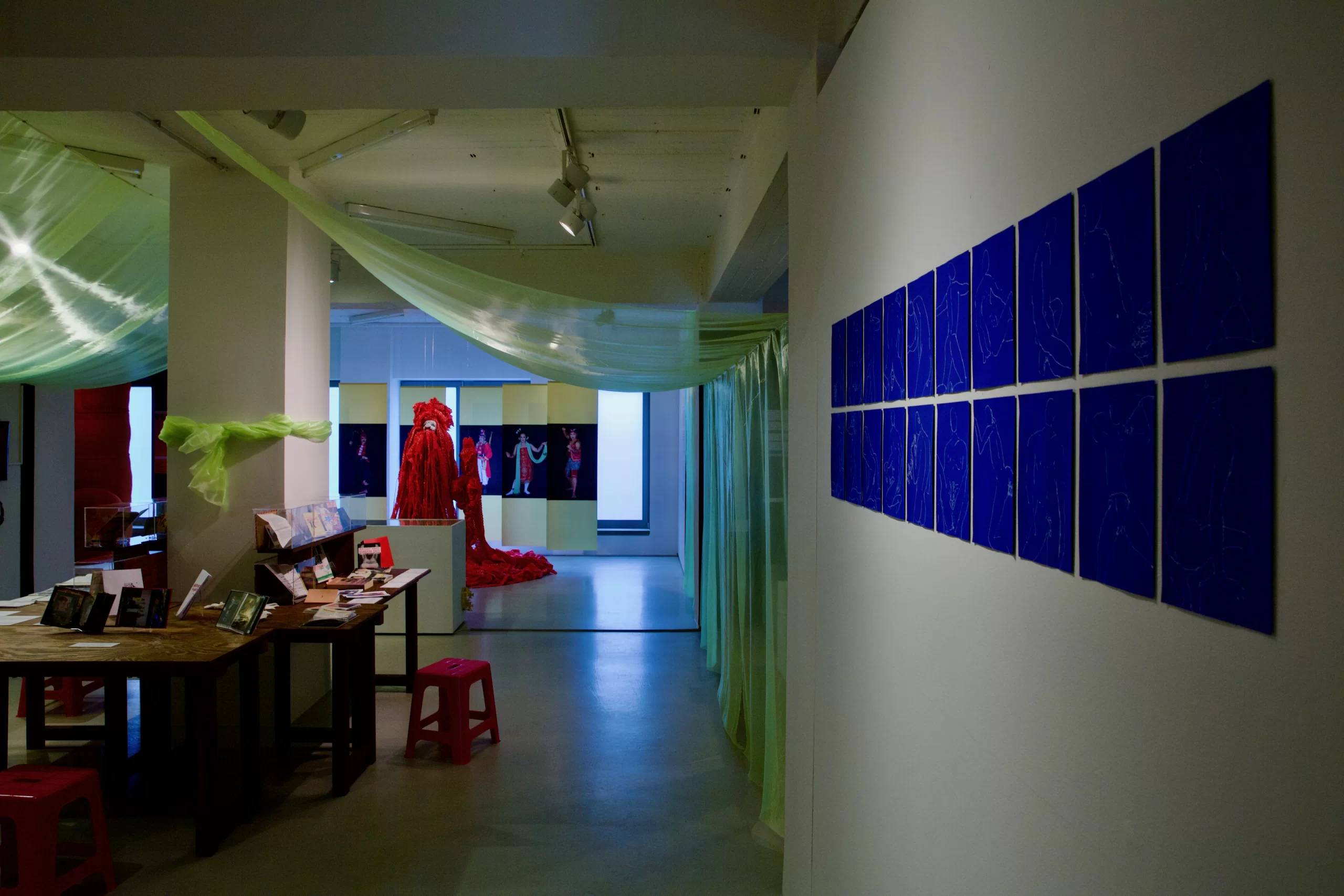
Upon entering the exhibition, visitors are immersed in the sounds of queer culture in Southeast Asia through the soundscape installation “I Dreamed of Sounds and Saw Us Intertwined” (2024) by DJ-artist shasti (Indonesia). Blending the pulsating energy of a dance club with the ethereal presence of spirits, the piece is both sacred and dreamlike, evoking a sense of entanglement between worlds. The exhibition design draws inspiration from the mandala, a symbol of cosmic order and harmony that has existed in the region since pre-colonial times. Exhibition texts are available in English, German, Thai and Vietnamese, inviting visitors to explore “Young birds from strange mountains” from multiple perspectives. The display follows a fluid, non-linear path, reflecting the interconnected themes of the artworks.
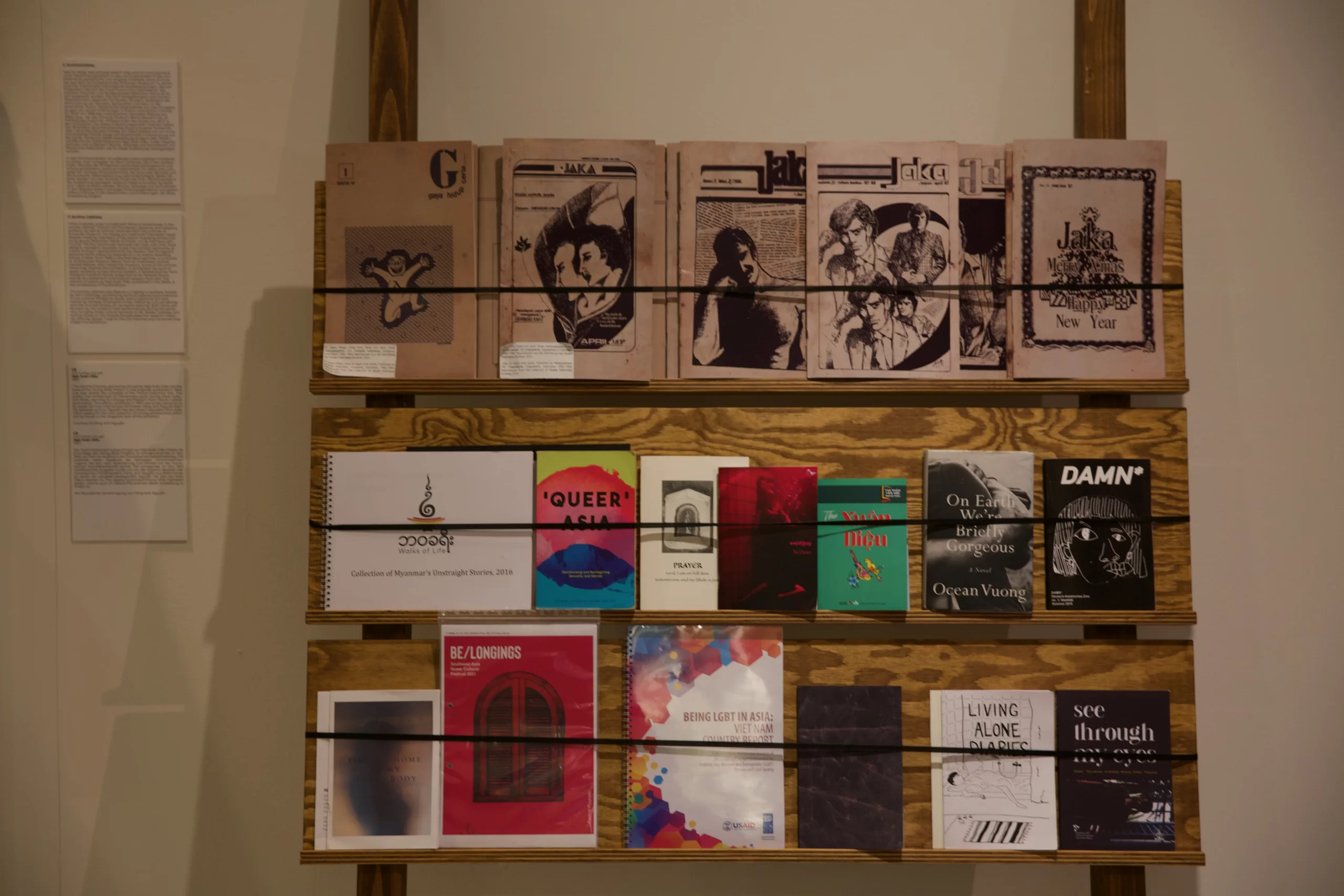
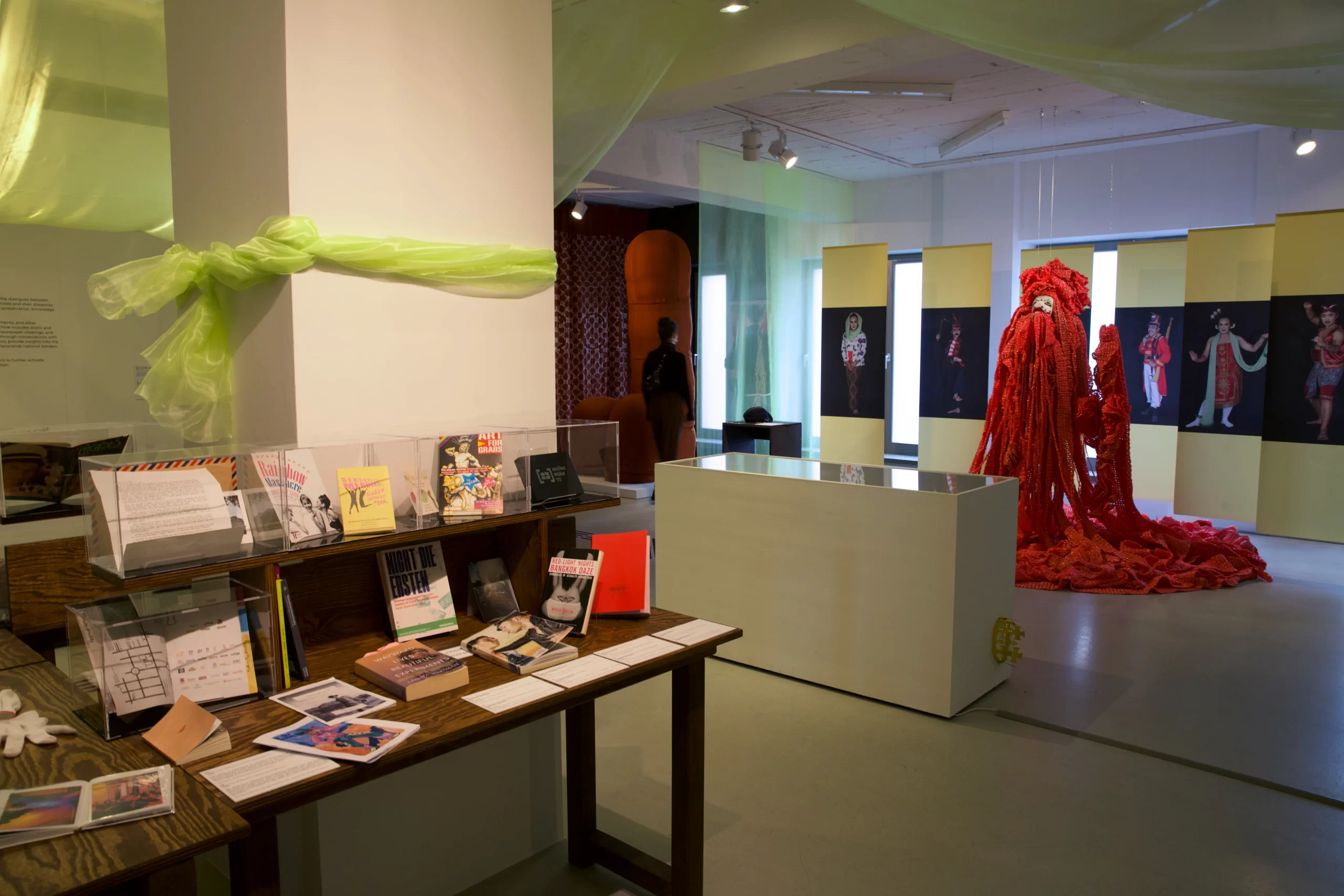
At the heart of the exhibition, “Strange mountains archive” serves as a growing repository of knowledge, including photographs, projects, documents, and other materials contributed by activists and NGOs working on gender and sexuality in the region. This evolving collection examines how diverse queer communities across Southeast Asia and their diasporas document their own histories, — and how they are documented by others. There are queer films portraying LGBTIQ* communities, a magazine rack, archive cabinets displaying artefacts and objects, and an audio station. Among them lie “Chi Ban Lon: Queer & Sexuality Lexicon” (2018), a collection of Vietnamese queer and sexuality slang collected by Dinh Nhung (A Queer Museum, Hanoi), or Vănguard, an underground, transnational zine promoting LGBTQ+ and femme Vietnamese artists. Visitors can also find photographs from “Gap Vietnam”, a 1999 exhibition that brought together artists from different countries to Berlin, the “No Cai Bum” travelling contemporary art festival, and Hanoi’s first queer party in the 1990s. As an archive-in-exhibition, the “Strange Mountains Archive” is pulsing with lived experiences, stories and perspectives of queer Southeast Asian and diaspora communities, while also offering a place of encounter to further activate multi-layered storytelling and dialogues on community archiving.
“The “Strange Mountains Archive” is pulsing with lived experiences, stories and perspectives of queer Southeast Asian and diaspora communities, while also offering a place of encounter to further activate multi-layered storytelling and dialogues on community archiving.”
In “Embodied promises”, the queer body, as an archive of fluid and complex natures, challenges social norms on gender and sexuality. Reconstructing the lived experiences of queer individuals navigating the boundary between visibility and taboo, the mixed-media collage “Making love with ghosts (เสียวกับผี)” (2014) by Thai artist Natthapong Samakkaew, draws inspiration from stories of gay men in 1990s Thai magazines. Meanwhile, the sculpture and video installation “Unglorious worship booth” (2022) by Australian-based Indra Liusuari employs exaggeration as a lens to examine the experiences of Asian gay communities in Australia, their journey toward stability in the West but also the existing internalized racism in gay culture.
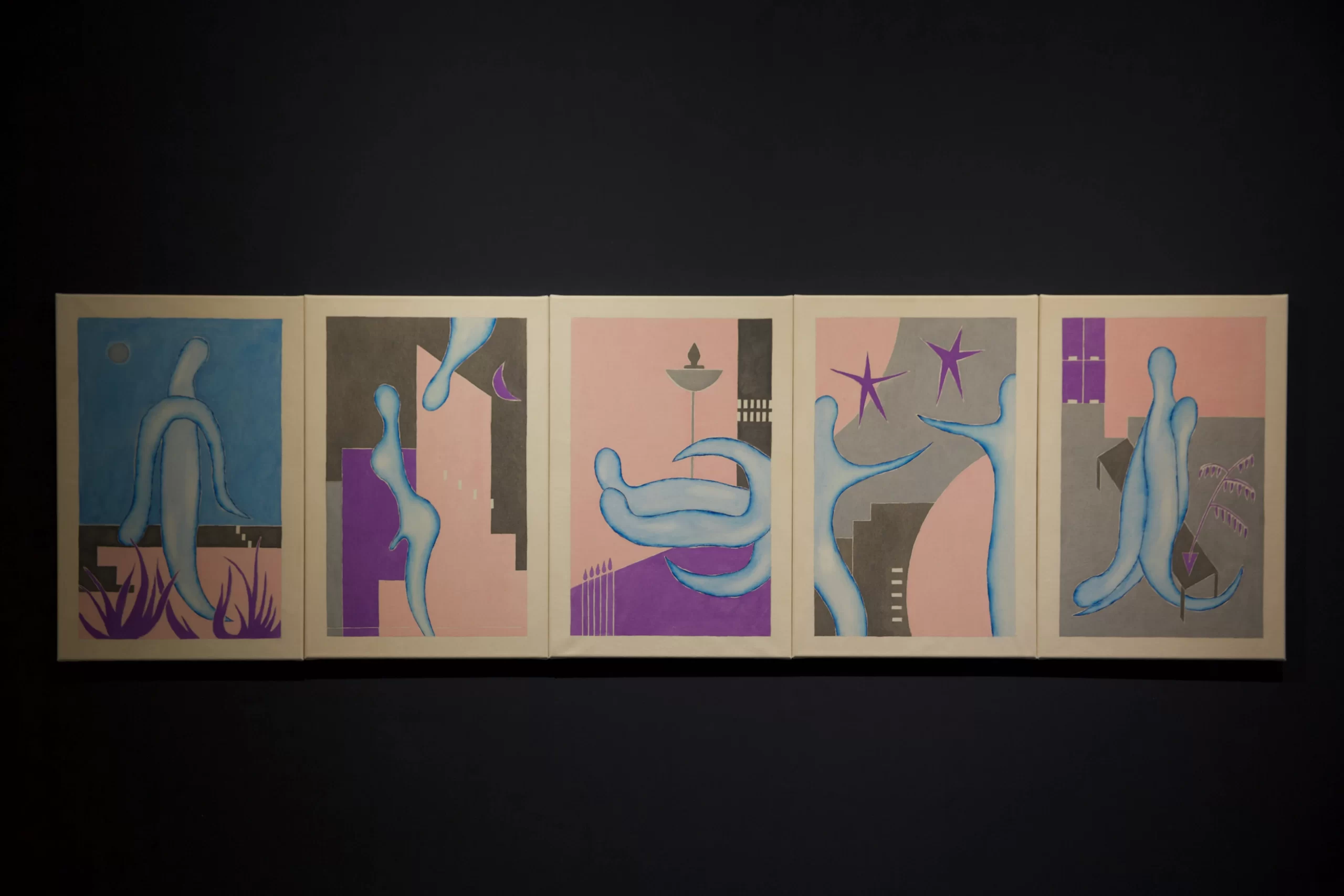
Grieving the death of his father, Oat Montien (Bangkok) created the multimedia installations “American dream revisited“ (2024) and “Untie (Death Valley)” by which consist of a rope tied to his father’s cowboy vetements, a video of Asian cowboys in the middle of a desert, and a farewell letter the artist wrote to his father, “So I did all of this, just to be able to say goodbye to you, Pa.”
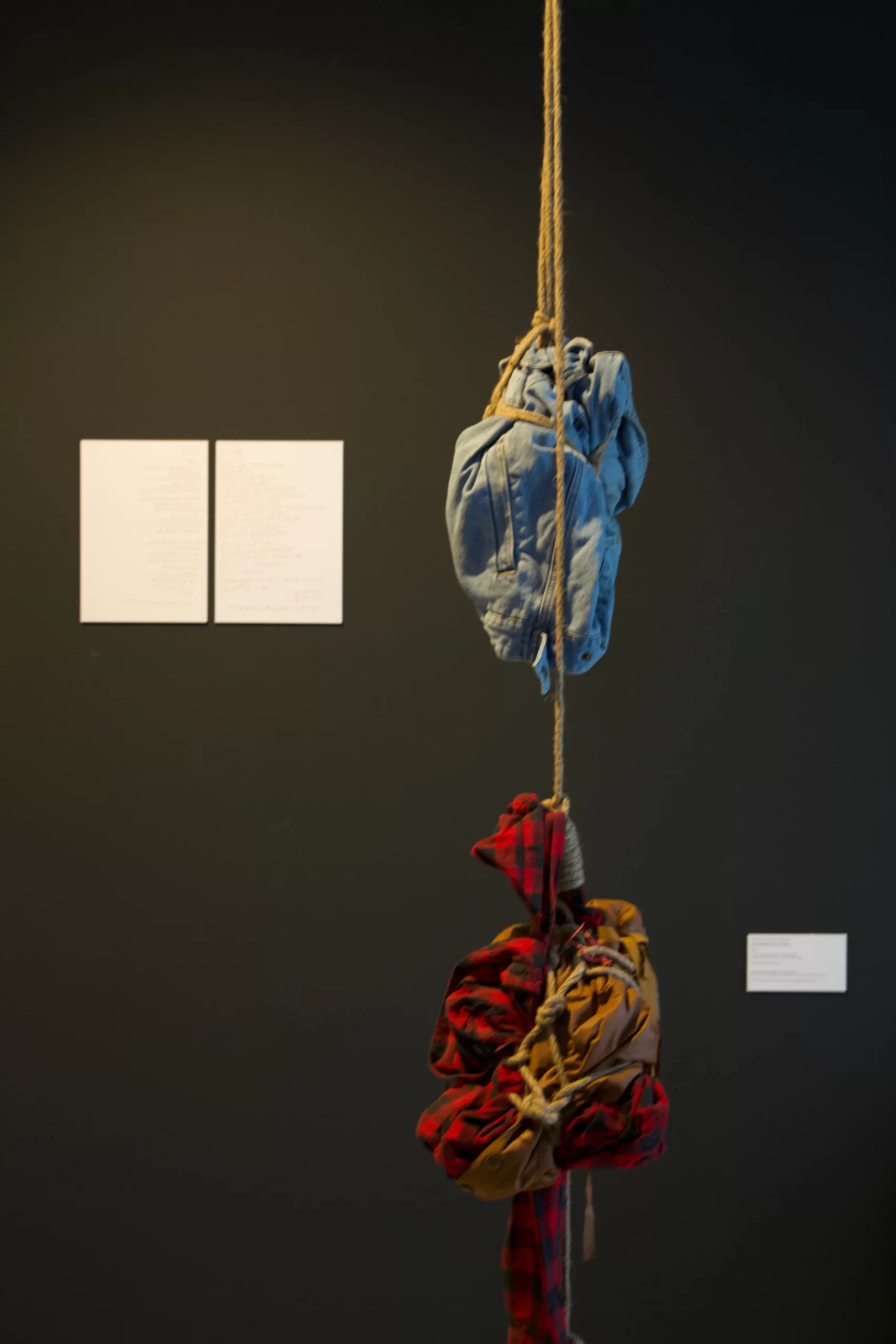
The series “Formless and just be” (2020–2024) by Nu (they/he/Nu), a photographer, community organiser and queer advocator currently based in Hue, was created over years of close companionship with his queer and trans friends. Also documenting the divinity of his physical and spiritual transitioning process, the poses reenact the Buddhist deity Avalokiteśvara Bodhisattva, who appears in different forms and genders in Asia and Southeast Asia.
Similarly, in traditional Southeast Asian cultures, expressions of gender diversity are primarily manifested through certain forms of spirituality and religion, such as the “Mother Goddess worship” in Vietnam, transgender spirit mediums in Myanmar and Thailand, or Bissu in Indonesia – those who embody both male and female energies. These spiritual practices often serve as spaces for gender fluidity; however, queer individuals continue to face discrimination in everyday life. In contrast, queer Southeast Asian spirituality and practices are also frequently overlooked or misinterpreted in Western contexts. In “Spiritual paths”, the artworks shed light on mythology, spiritual knowledge, and cosmological beliefs from queer perspectives. Drawing from themes of historical trauma, collective memory and modernisation through Southeast Asian popular culture, Viet Le’s video installation “Love Bang!” (2011–2016) playfully employs the tunes of Vietnamese, Cambodian and Western popular songs. The Vietnamese-American artist also presents his latest work flags embroidered with the written words “Vietnamaste”, which engages with Vietnamese Mother Goddess worshipping practices and symbolises the artist’s journey to becoming a shaman himself.
Re-interpreting the traditional practice of Ziwei Doushu (Purple Star Astrology), a Chinese fortune-telling system widely used in (East) Asian societies influenced by Confucianism, Tran Thao Mien’s interactive installation “Happening Happiness” expands the traditional gendered astrological system to explore the intersection of long-established beliefs with contemporary LGBTQAI+ identities. Rooted in biological gender and heteronormative norms on intimacy, sexuality, and relationships, Ziwei Doushu predictions often overlook gender identity by assuming that a person’s future partner will be of the opposite biological gender. For queer individuals in Vietnam, this rigid framework reinforces familial pressures surrounding marriage and social conformity. Tran Thao Mien takes this as a starting point, particularly with the symbol of Yin and Yang, to challenge and reinterpret these traditions. Her embroidered tapestry, set against a striking neon pink background, features mythical creatures, floral pairings, and queer human figures, all celebrating the spectrum of love and identity. Accompanying the tapestry is Astroqueer, a matchmaking booklet that the artist has reimagined specifically for queer individuals. By transforming a centuries-old tool conventionally used to predict personality traits, relationships, and life paths, Astroqueer offers alternative readings of Ziwei Doushu and fosters greater understanding and acceptance within Vietnamese families with queer members.
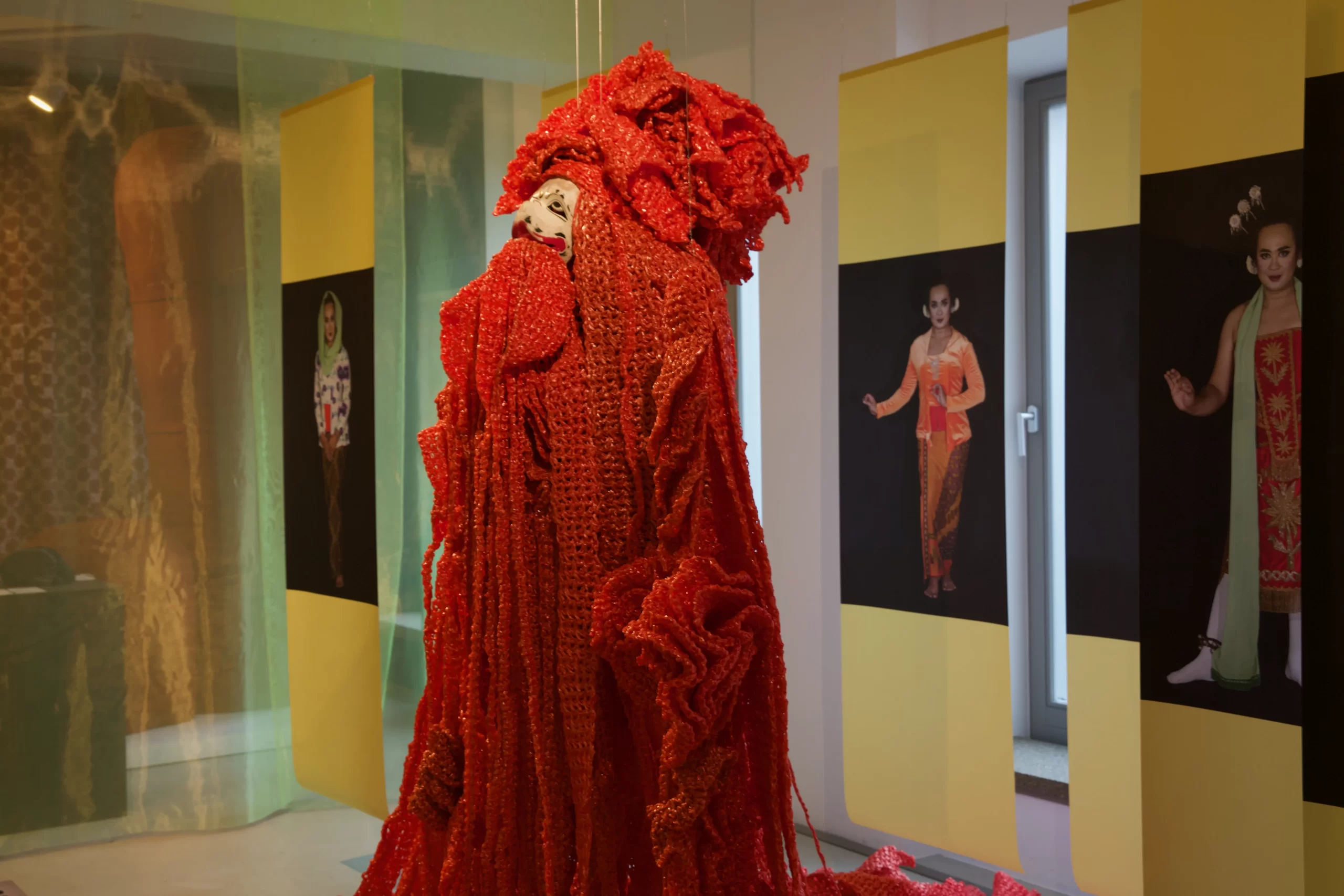
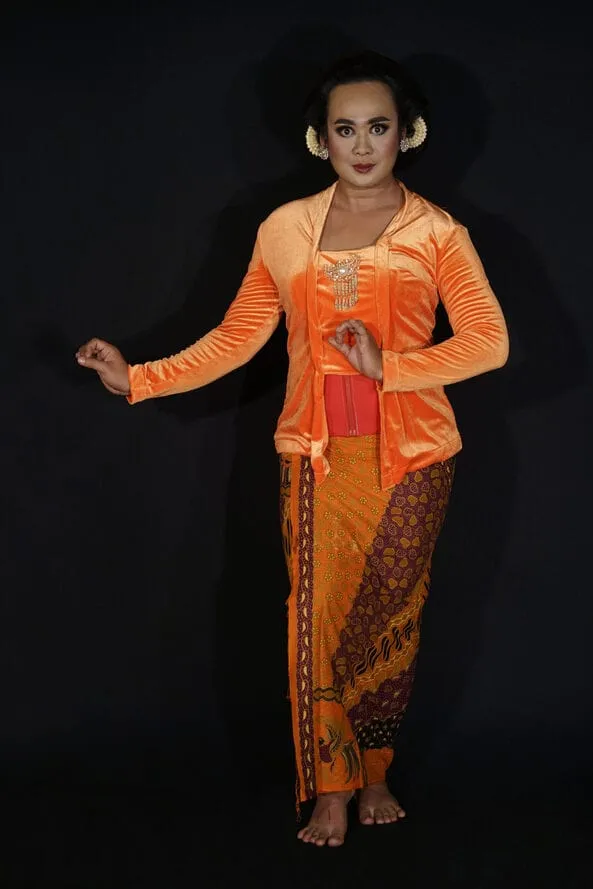
The exhibition reminds us that gender diversity and queer ways of life in Southeast Asia are not recent imports from the West; in fact, they have long existed in the region. “Ancestral Knowledge” delves into how queer histories and heritages are retold through contemporary perspectives. Indonesian artist Tamarra (Yogyakarta) presents “Bongkar Pasang (Overhaul)” (2024), an impressive large-scale textile sculpture made of crocheted raffia (plastic rope). Originally introduced through a performance, the piece embodies an exploration of gender identity in response to shifting social landscapes. Tamarra later expanded this work by engaging with non-binary histories in Indonesian performance art, particularly Ludruk, a folk theater tradition from East Java that is historically performed exclusively by men, including in female roles, and known for its anti-colonial themes. In the self-portrait series “Uri-uri Ludruk” (“Preserving Ludruk”), Tamarra embodies a range of characters that highlight the enduring presence of cross-gender expressions in both performance and daily life, tracing their lineage back to Indonesia’s pre-colonial past.
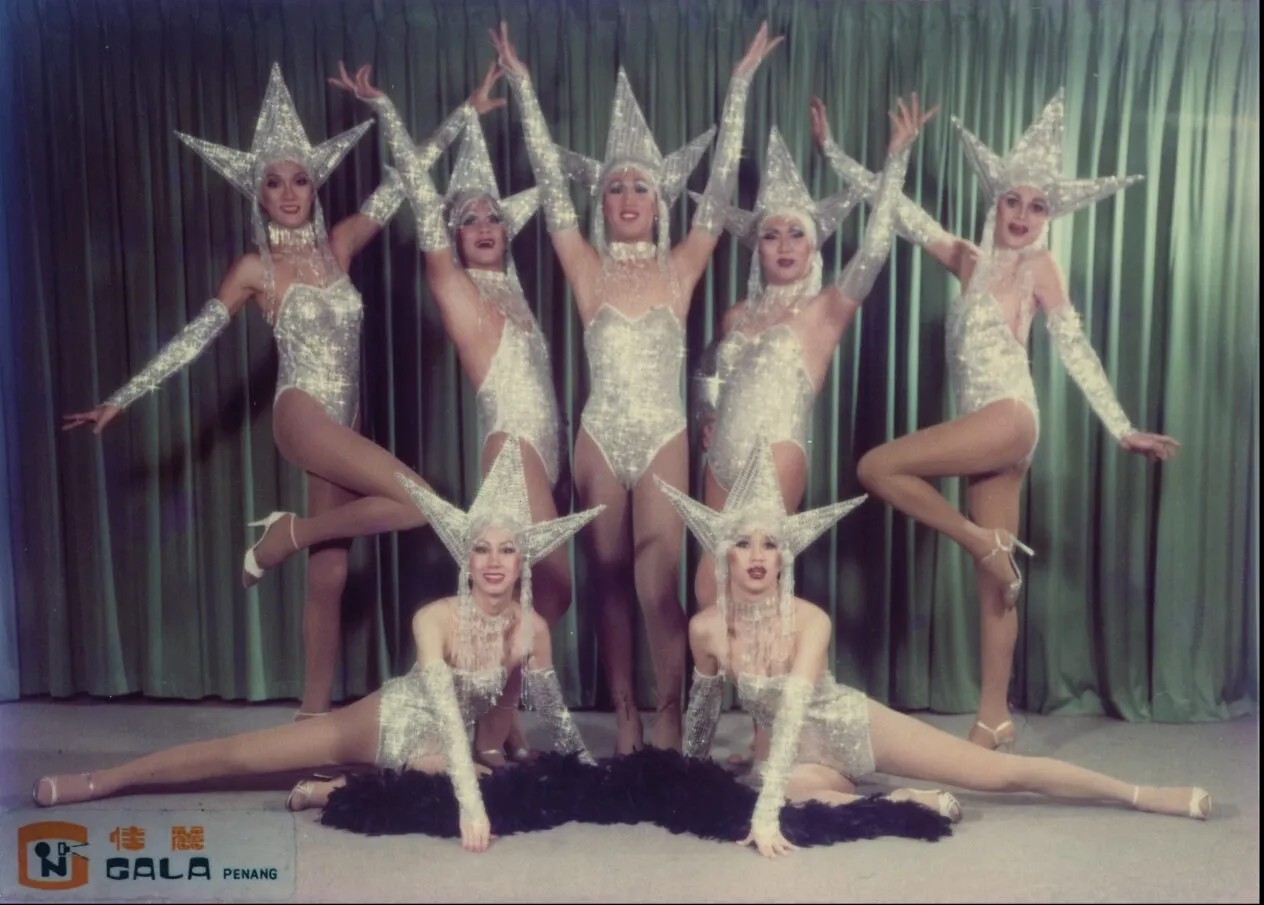
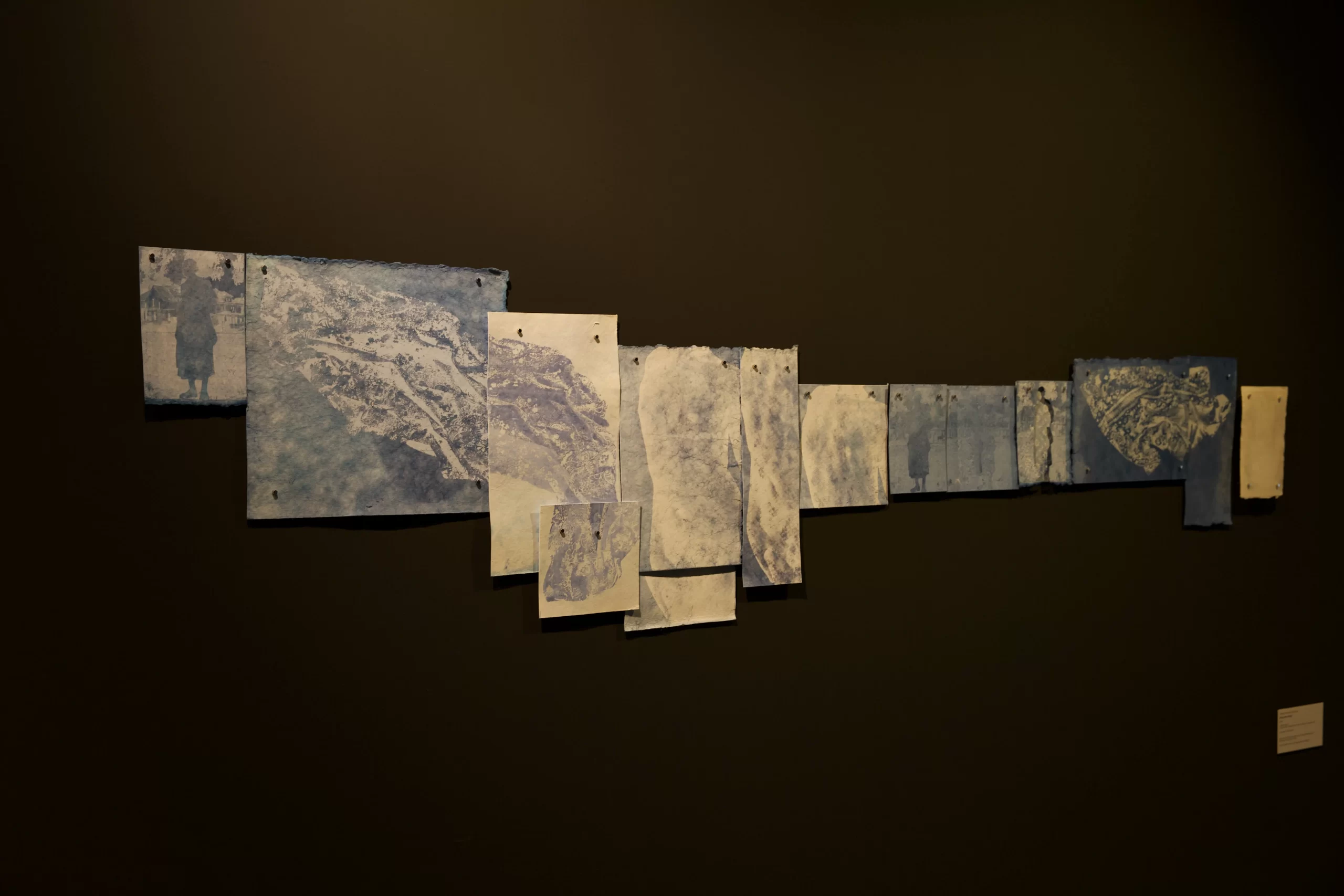
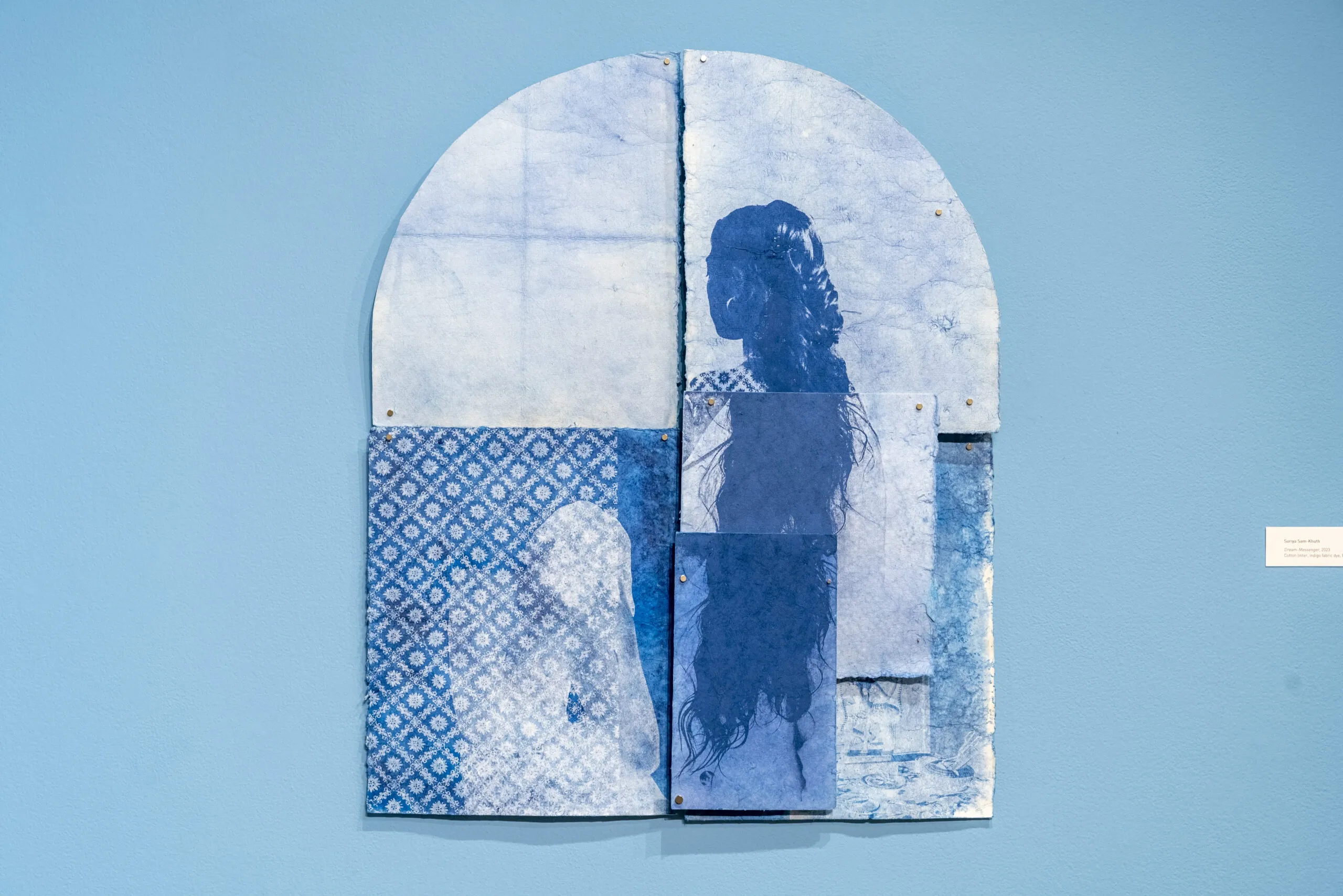
Sam Suriya Khuth’s “Dream-Messenger” (2023) and “Notes on Body-Wandering” (2023) combine collages and language to trace the Cambodian-American artist’s journey of shapeshifting and dreams of her Khmer ancestors. The photo-video essay “I Enjoy Being a Girl” by Hoo Fan Chon (Penang) offers insight into the intertwined history of Malaysia’s transgender community life in the 1950s and 1960s. The film stemmed from his hobby of collecting old photographs from antique shops, which led him to a box of photos that belonged to a deceased Malaysian transgender woman. He tracked down her close friend, who is also transgender, and interviewed them. Thus, the film tells a moving story of queer friendship, which did not experience discrimination despite attracting curiosity, and its connection to the postcolonial history of urban Malaysia.
Last but not least, “Tropical Technologies” stands at the crossroads of tradition and innovation, between technology and local cultures of Southeast Asian societies. The work “Playboil” – an interactive loving phallic talisman (“Palad-Kik” in Thai) – by Thai artist Eda Phanlert Sriprom (Berlin) reflects the complex negotiations of identity for Thai queers as they navigate tradition and modernity, spirituality and sexuality. As a transgender artist, Eda re-uses religious clothing as a non-linear medium for storytelling as the type of textile in the work, Buddhist monk robe fabrics, are exclusively reserved for cis-male monks. Alongside the exhibited works, the satellite program of the exhibition opens up the narratives of Southeast Asian queer identities through a diverse range of activities. Film screenings at Sinema Transtopia feature short films from Vietnam, Thailand (on marriage equality), and Indonesia (on transgender communities). Additionally, creative workshops on archiving with Southeast Asian (diasporic) queers explore self-documentation and collaborative archiving methods. At a time when cultural funding in Berlin is being heavily reduced, this polyphonic exhibition highlights the importance of public funding for such an exhibition that explores the rich cultural and artistic lives of Southeast Asian queer communities, both within the region and in the diaspora. Beyond their relatively playful and vibrant aspects, more importantly, the artworks emphasise care and healing, helping to transform past and present violences into sources of nourishment and hopes for a better future. At the same time, “Young Birds from Strange Mountains” reinforces the vital role of archives for queer communities – those who continue to fight daily for equality and recognition. In the current social climate, where trans and LGBTQIA+ rights remain under duress globally, an exhibition like this is more necessary than ever.
“In the current social climate, where trans and LGBTQIA+ rights remain under duress globally, an exhibition like this is more necessary than ever.”
From strange mountains, the young birds will continue to reimagine new ways of living, with the knowledge that others like them have existed throughout history, and that they all belong to a connection that transcends time.
Words & Translation: Lưu Bích Ngọc