The vision of travel
Everything started with a book, a book full of images. Specialised in photography and visual media, I am also a collector of archives, especially old photos from the Indochine period. Last year, I acquired a small photo album from the early twentieth century narrating the trip from France to Vietnam by a French tea producer, Mr Barbet. These vivid and personal snapshots, in contrast to the then-popular style of the formatted postcards, brought me on the ocean liner Messageries Maritimes from Marseilles (France) to Port-Said (Egypt), Aden (Yemen), Colombo (Sri Lanka), Singapore and then Vietnam’s harbours. For many times, I myself have flown this route once named the ”Far East” or “Extrême Orient”, but it has been a long time since I had this feeling of an actual traveller.
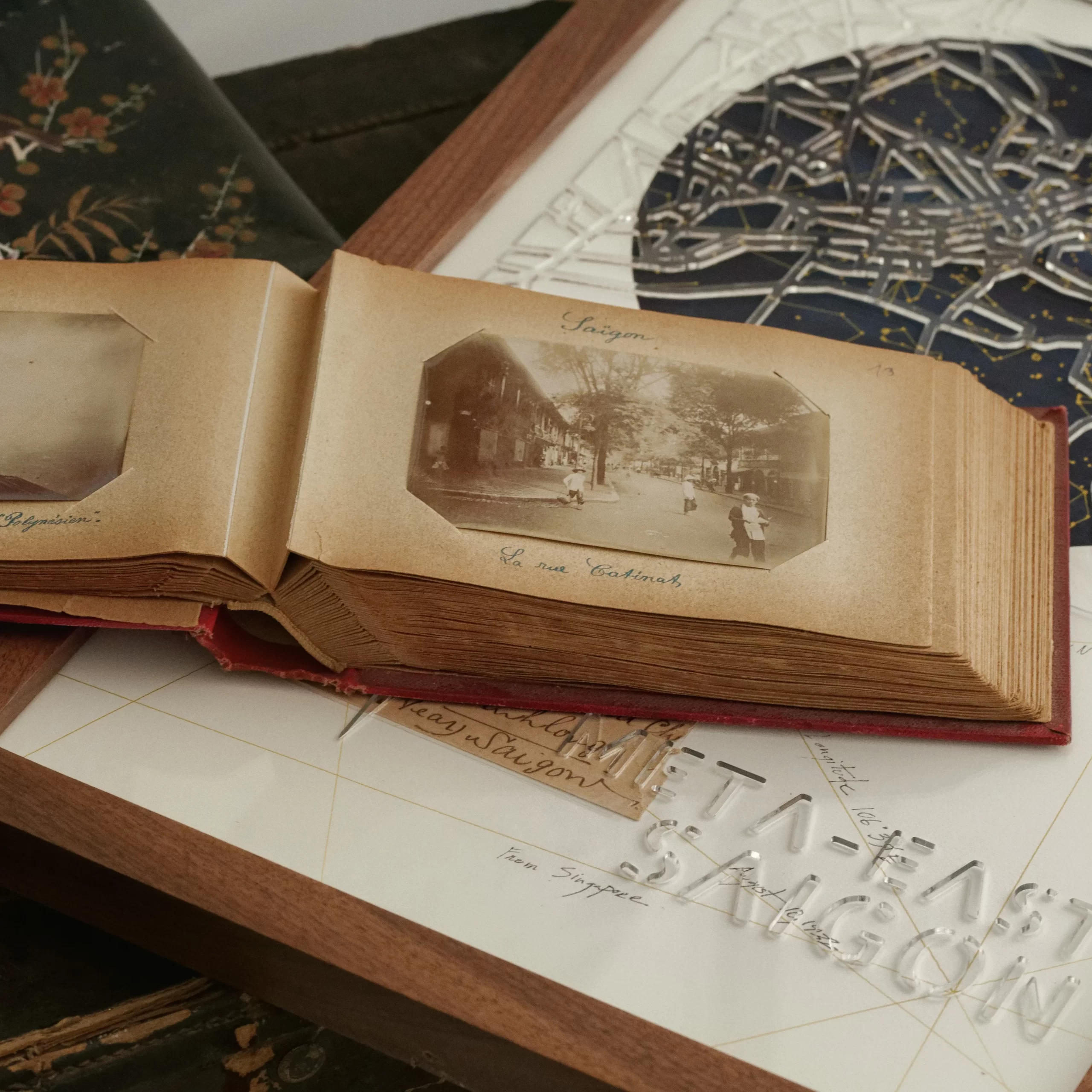
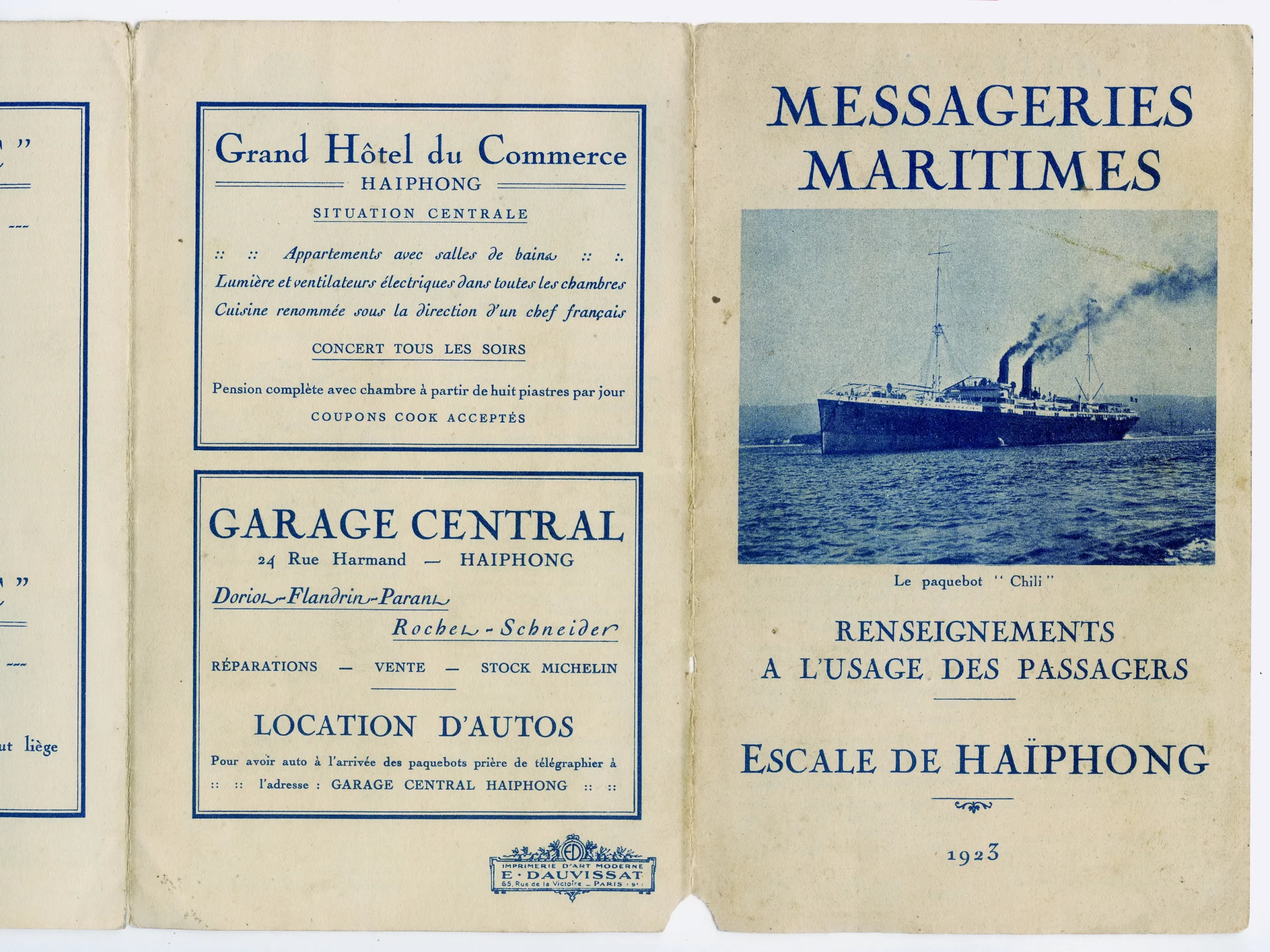
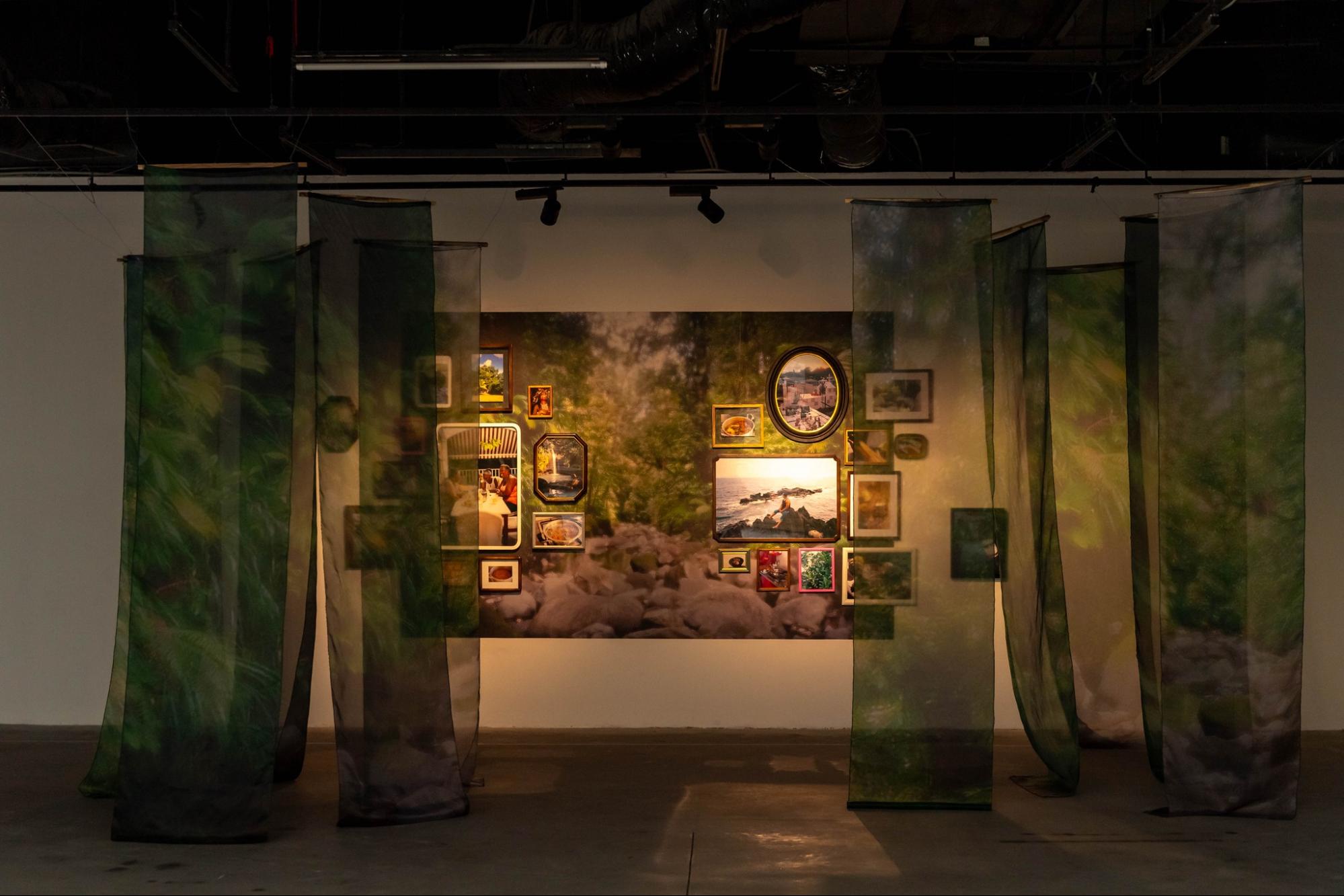
In the exhibition with XEM, the album was displayed in Singapore among my personal travel pictures. Dr. Bridget Tracy Tan, Director of the Institute of Southeast Asia Arts said about “Dusty Road”, a photo taken in the 1990s: “‘Dusty Road’ is the personification of seeingness, as the truth, a correspondence of our seeing, a seeing of how the world is allowed to see”. Did I lose my vision because of the routine of air travel? There must be a new way to discover the “Far East”, in particular Vietnam, to resuscitate the excitement and sensation “exactly like a youthful dream”, as told by Goethe in his “Italian Journey” (1786), the first ever written travelogue.
Geography constructed by stories
Among the many aspects of a journey, stories of/during such can be both diffusive and elusive but they are always a permanent substance that act as prompts to provoke our mind. Common ideas about travel still take their roots from Goethe’s diary from the age of Romanticism, where life experiences and authentic feelings mattered more than the settings in fictional novels. In a mid-life crisis, Goethe impulsively decided to be reborn in Italy. And it all started with the words told by his father during his youth.
Marco Polo was not the first European to visit Asia, but he was the first to record his adventures in “Book of the Marvels of the World” (1460–1465), an immediate best-seller. Inspired by this collection of tales, the Age of Discovery was started in the fifteenth century to reach the “terra incognita” of the Far East.
On the cover of his 800-page pocketbook “L’Extrême-Orient” (2011), geographer Phillipe Pelletier added a subtitle, “the invention of a history and a geography” to underline the fascinating constructed concept of the Far East. “Firstly, because a large part of the future of the world is undoubtedly at stake there. But more in depth, because the Far East is very largely an invention of the West”.
The vogue of Orientalism
The Eurocentric vision catalysed tourism in the nineteenth century when transportation and technology advancements made travel more accessible to the public. The birth of mass tourism initiated by Thomas Cook coincided with the invention of photography by Nicéphore Niépce in 1839. These two events developed the new vogue of Orientalism along with colonisation which employed the media to explain and justify its politics.
Magazines such as “L’Illustration” in France placed pictures as the central attraction of their editorial: drawings were first printed using the technical process of photo etching. From 1907, colour images appeared to enhance the needed impression of reality.
Universal exhibitions were organised in the European metropoles to present native people and cultures of the colonies to the public, which were constantly looking for exotic extravaganza. In parallel, missions and studies were also conducted in geography, ethnology, medicine and other sciences, enhancing the knowledge of the Far East.
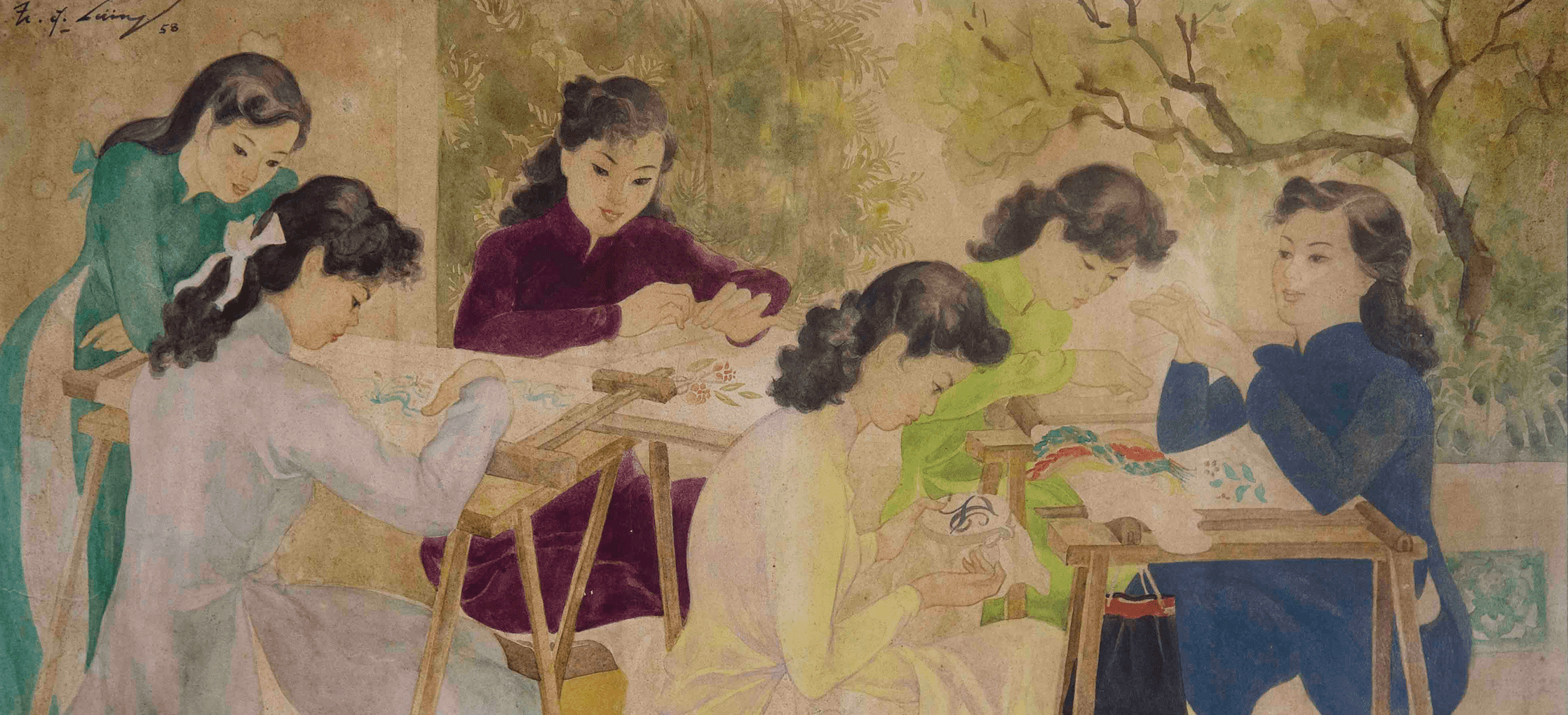
The colonised criticised and revolted against colonists, yet certain aspects of Western Influence have become a part of their country’s heritage. Such legacy weaved a dual identity, especially among the elite who went to study in Europe, eager to acquire modernities and technologies from there.
The cultural loopback with dual identity
Vietnamese migrants started to settle in France in 1850. Students and professionals picked Paris as their first choice. Labourers were also brought to help the metropole during the two world wars and the reconstruction period that followed.
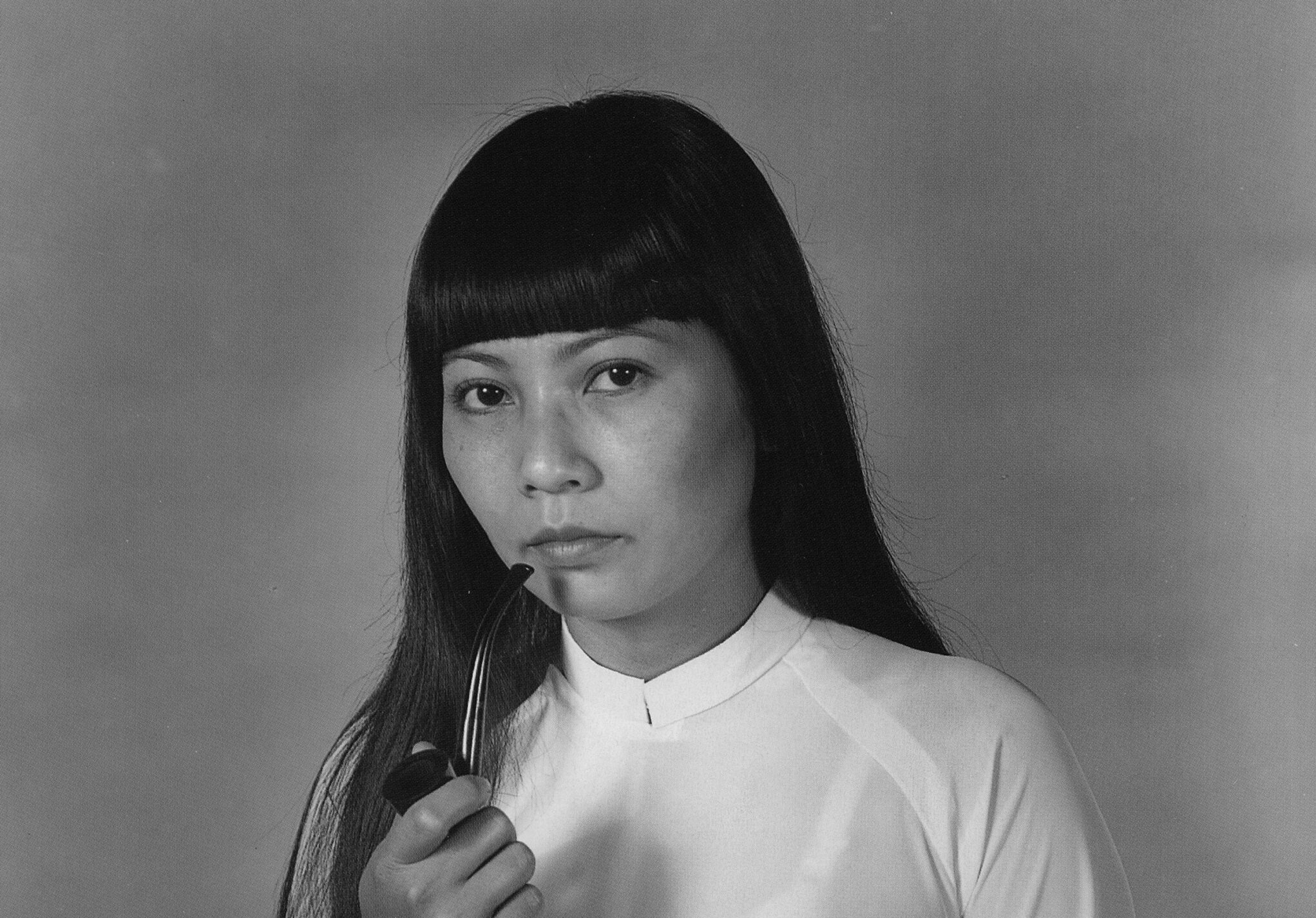
Identity is based on language. The Indochine literary and visual language gave the Vietnamese a new vocabulary for their art. This first generation of bi-cultural artists provided in return a different vision of their motherland to the French public, therefore changing the Western notion of the Far East. The terminology of “feedback” normally used in the context of biology or mechanics, is a regulation process in a system that aims to return it to a new stable state. This feedback requires their Vietnamese authors to be even more rigorous than their French peers.
“Identity is based on language. The Indochine literary and visual language gave the Vietnamese a new vocabulary for their art.”
The most notable representative of the new francophone literature is Pham Duy Khiem, who in 1931 was the first Vietnamese to attend the École normale supérieure, a prestigious literature school in Paris. He won several literature prizes, including the Prix Littéraire d’Indochine in 1943 for ”Légendes des terres sereines”, a collection of Vietnamese legends written directly in French. To quote Pham, “I also searched my distant memories. It was then that, from the depths of my memory, came up — among other images — some remains of a beautiful legend heard twenty or twenty-five years ago.” He came back to Vietnam to realise his project and learn long forgotten images and poetic stories he wanted to share with the French public. The “beautiful legend” he had in his memory was the tale “The Shadow and the Absent”: “I remembered that it was a shadow, the shadow of a woman on the wall… Her husband was absent, she was telling her child that the shadow was her father… The man returned, misunderstood and believed that his wife had been unfaithful to him… I had rediscovered, through the years, the essential”.
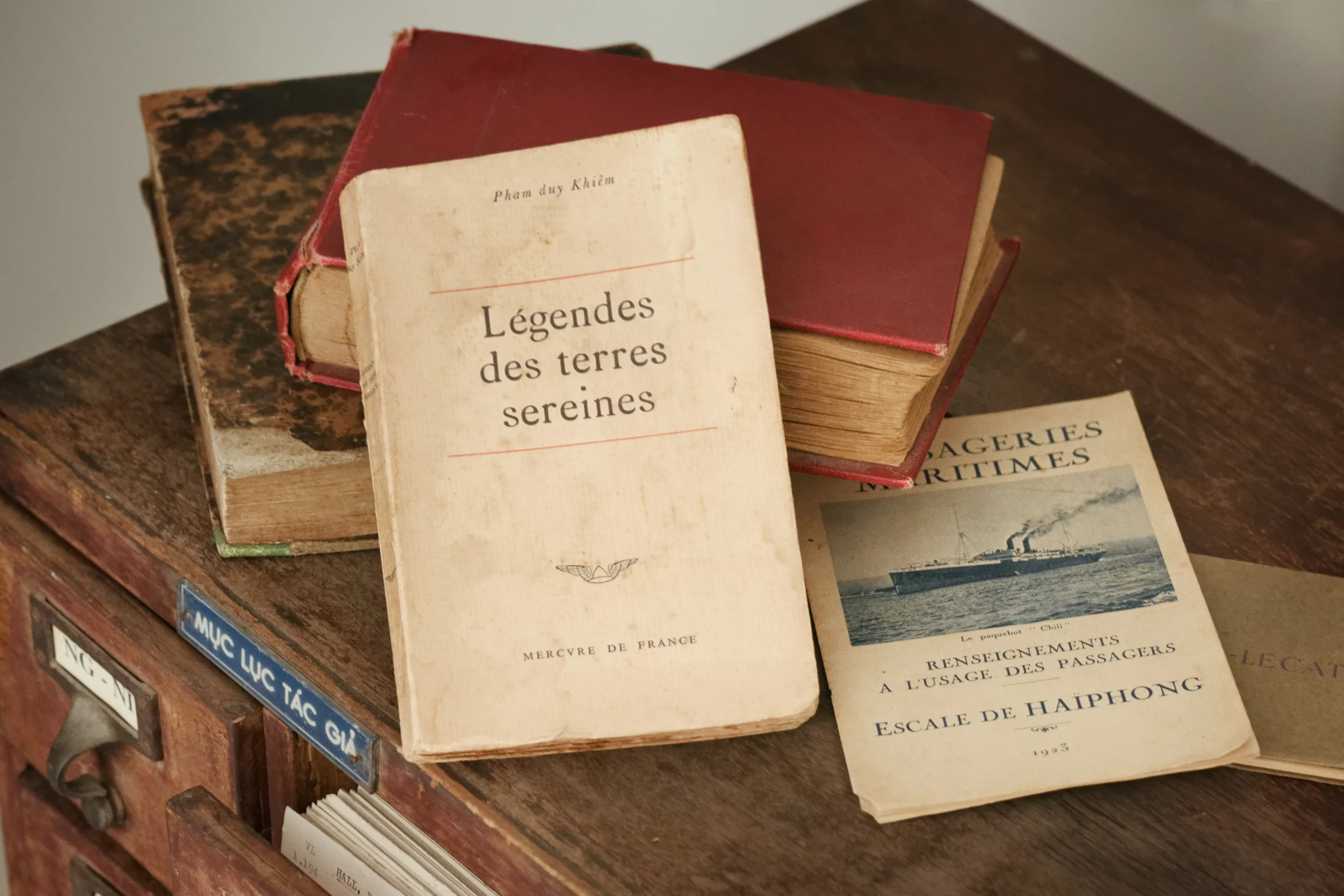
Archetypes defined by psychoanalyst Carl Jung are predefined psychic models and behaviours that influence our actions. They are part of our collective unconscious and are transferred through generations. Because the tale was still living inside Pham for so long, it is part of his identity which was always being questioned as contradictory, between Vietnam and France. By publishing the collection of tales, he provided some hints for his answer to that double culture, especially in the tale “The Shadow and the Absent” with the child’s character.
Another famous Vietnamese was Khanh Ky, considered as the precursor of Vietnamese photography and the first Vietnamese photo reporter to be published in a French magazine. In 1913, Raymond Poincarre was elected President of France. Among the hundreds of photographers capturing this victorious moment, Khanh Ky’s photo was chosen by L’Illustration to be on the cover. Before his definitive return to France where he remained till his end, his last reportage was published in L’Illustration, for the first visit of Emperor Bao Dai with Pasquier’s military team and French officials in the Tonkin region in 1933. Although his voice spoke through a visual language and used a mechanical recorder, Khanh Ky employed his belief and talent to give a Vietnamese mark on the top of a new competitive art. In 1946, President Ho Chi Minh went to pay his respects at the grave of Khanh Ky during the Fontainebleau Conference.
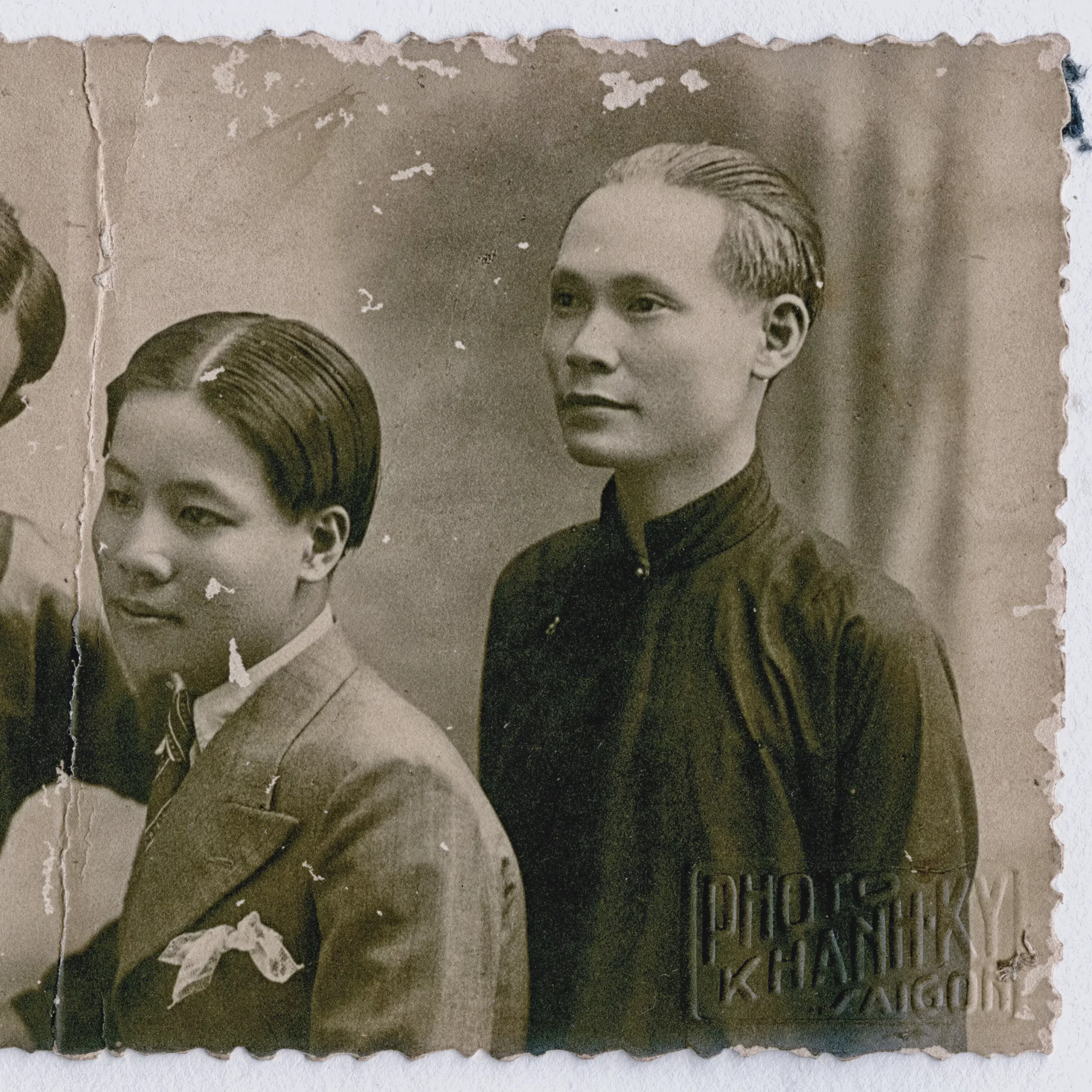
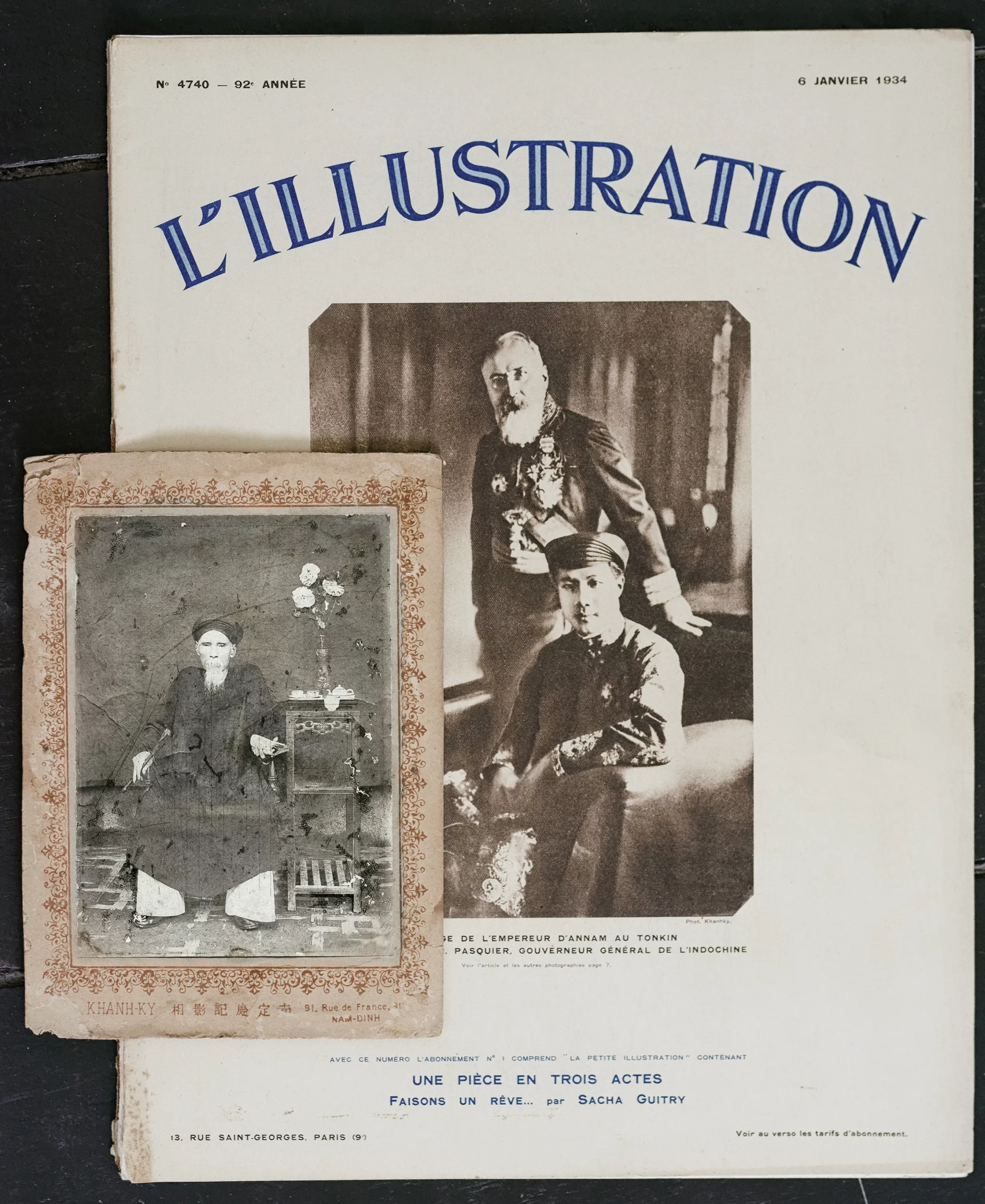
These 2 historical characters acted as a feedback for the French culture by maintaining their Vietnamese point of view and sharing their sensibility and knowledge about their roots away from a picturesque Orientalism or a frozen nostalgia. More than a feedback, this first generation of bi-cultural authors and the later generations to come created an original and loopback between Vietnam and France, integrated Vietnam into French history and vice versa.
The Meta Far East
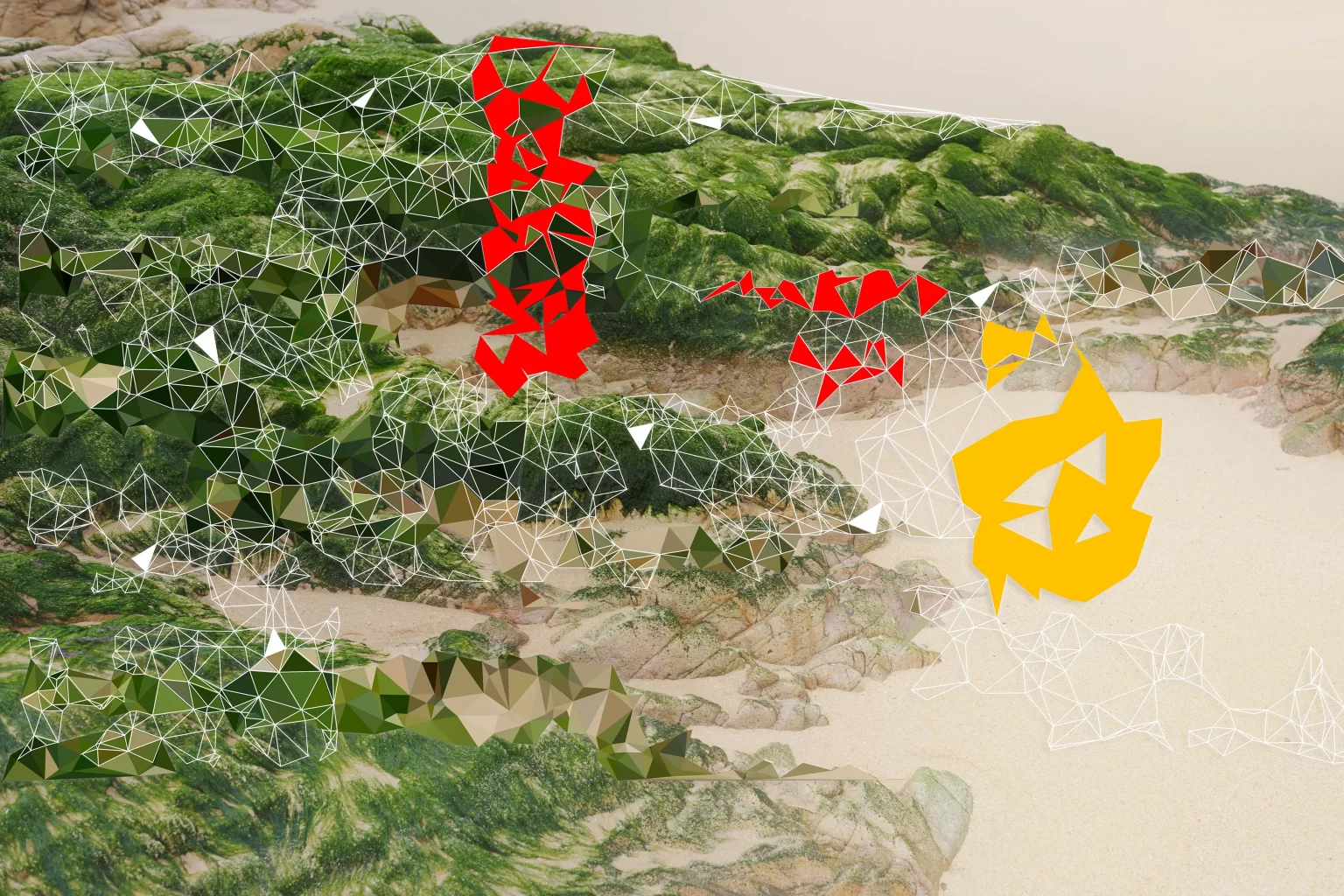
The Far East has transformed itself, a metamorphosis to a Meta Far East, with a growing scale of complexity and interconnections. For Vietnam, there are more than 5 million overseas Vietnamese with multiple geographic and historical characteristics with their own stories. On XEM collective’s exhibition in Singapore, Dr Tan wrote: “The fundamental premise that links Quang Lam’s myriad of work in this exhibition is one of the simultaneous”. To seize this simultaneity in the Meta Far East, our camera can no more be only the simplistic Brownie box introduced by Kodak in 1900 used by Mr Barbet for his travel album.
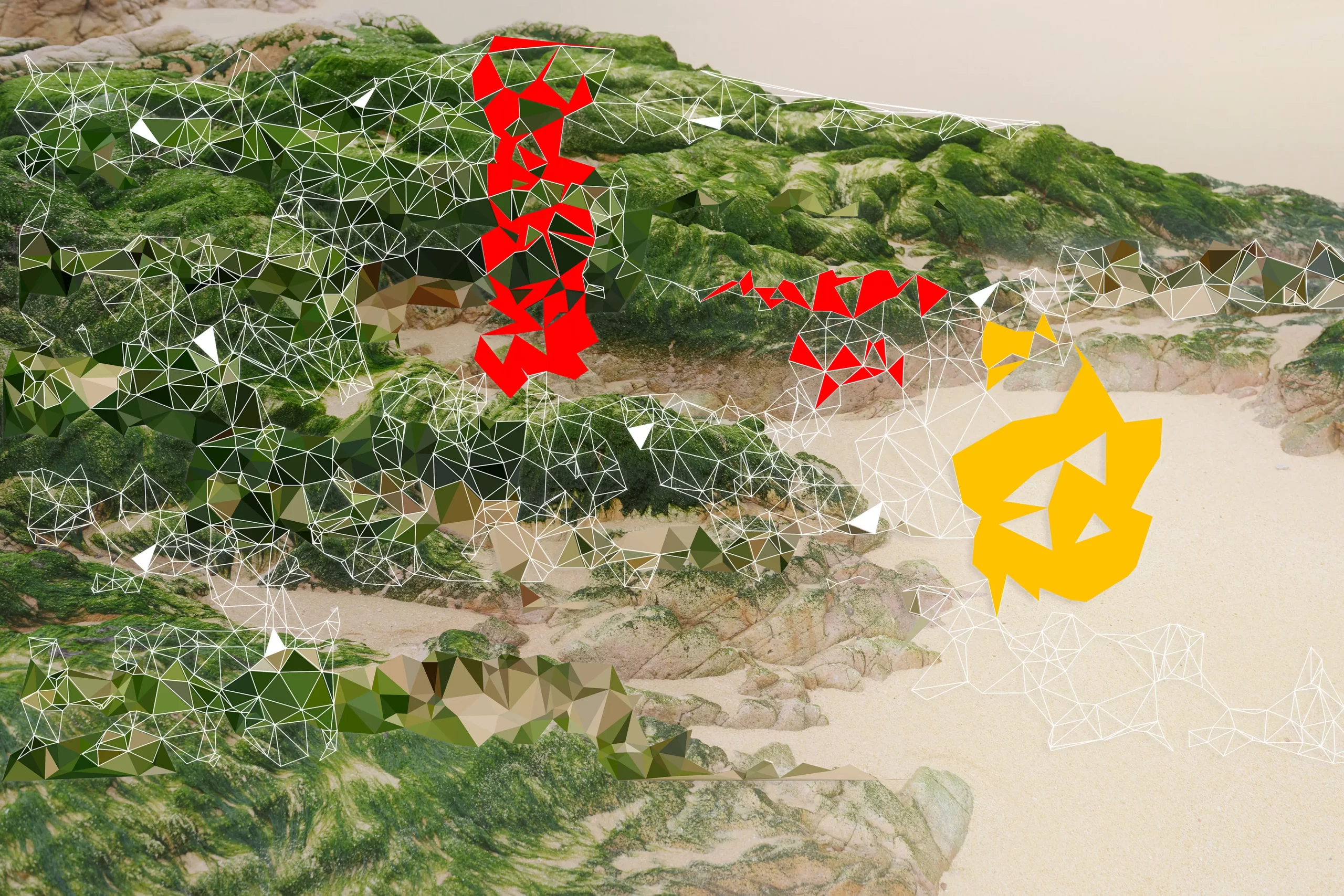
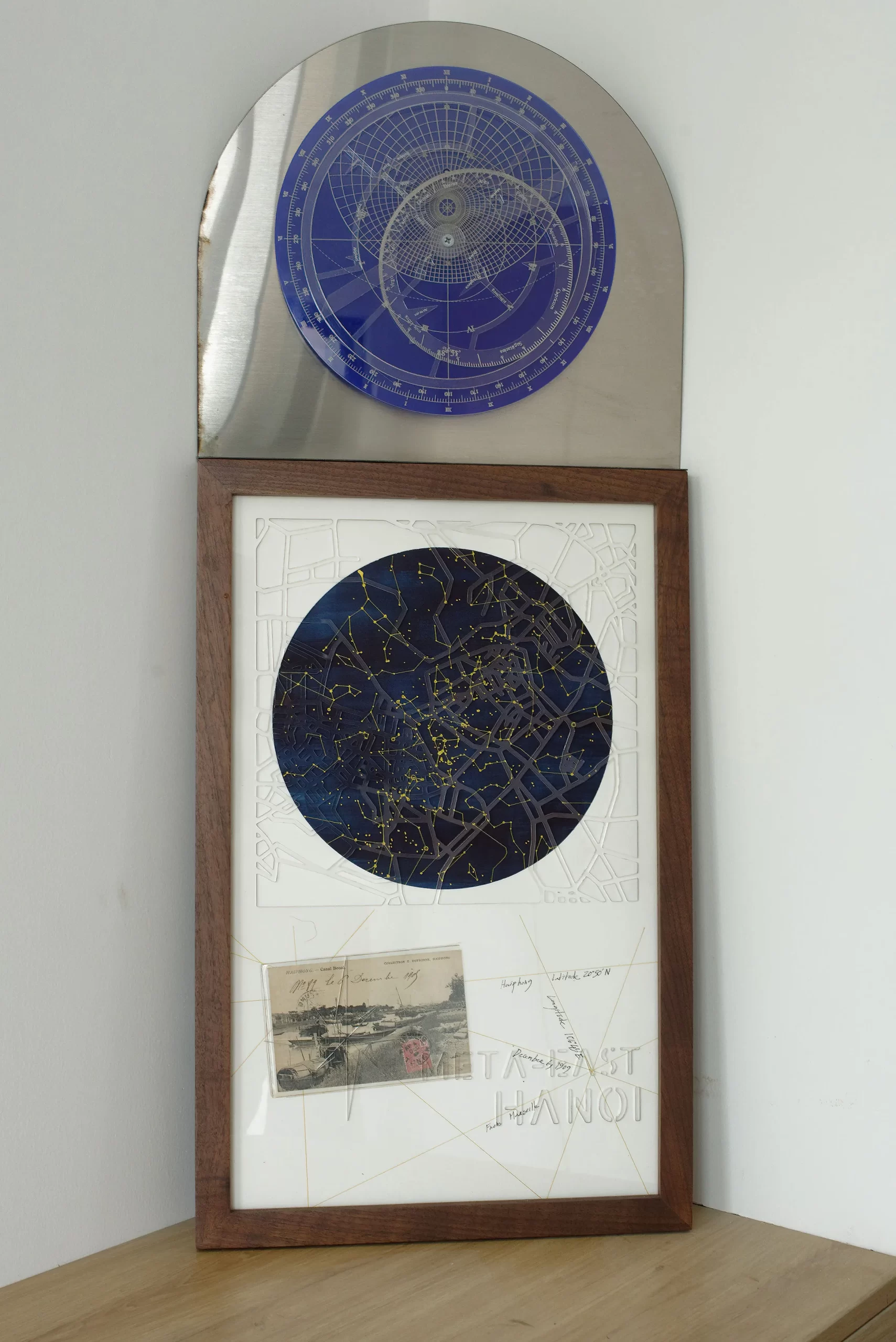
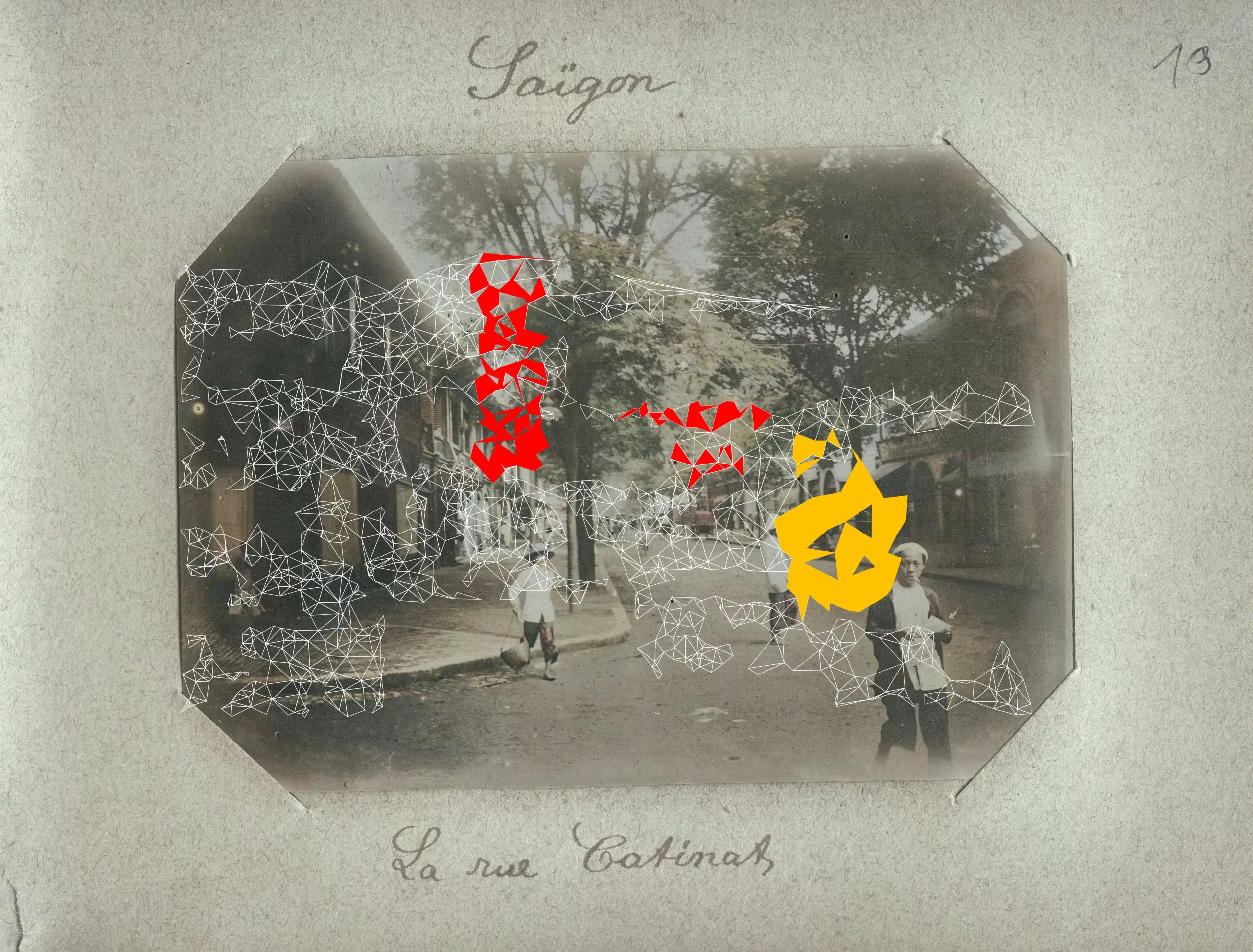
This concept is asking to look through a kind of prism which will reveal its structures and dynamics. Investigating archives and collecting them to have the first hand of information, reading and drawing maps to see with global perspectives definitely belong to the main structures of this new and original camera. Last but not least, it has to be constructed collectively as informal information can be understood only through dialogues and discussions, like these ones I have in XEM collective, composed of Vietnamese living in Vietnam, France and America, a multicultural entity working together for 10 years.
For most of us, travelling resumes as sanitised, time-sensitive trips. To retrieve the sensations of stretched time and distance “exactly like a youthful dream”, it is worthy to design a new luxury gear for endless and multi-dimensional travel.
Words & photos: Quang Lâm
Translation: Rylan Nguyễn
Quang Lam is a Vietnamese-French photography artist and part of Saigon-based visual art collective XEM alongside Nguyen Thanh Truc, UuDam Tran Nguyen, Hoang Duong Cam and Phan Quang. In 2023, XEM showcased their works in Singapore for the first time, held at Nanyang Academy of Fine Arts, before exhibiting them in Ho Chi Minh City in 2024 at Vin Gallery.