Read the Vietnamese version here.
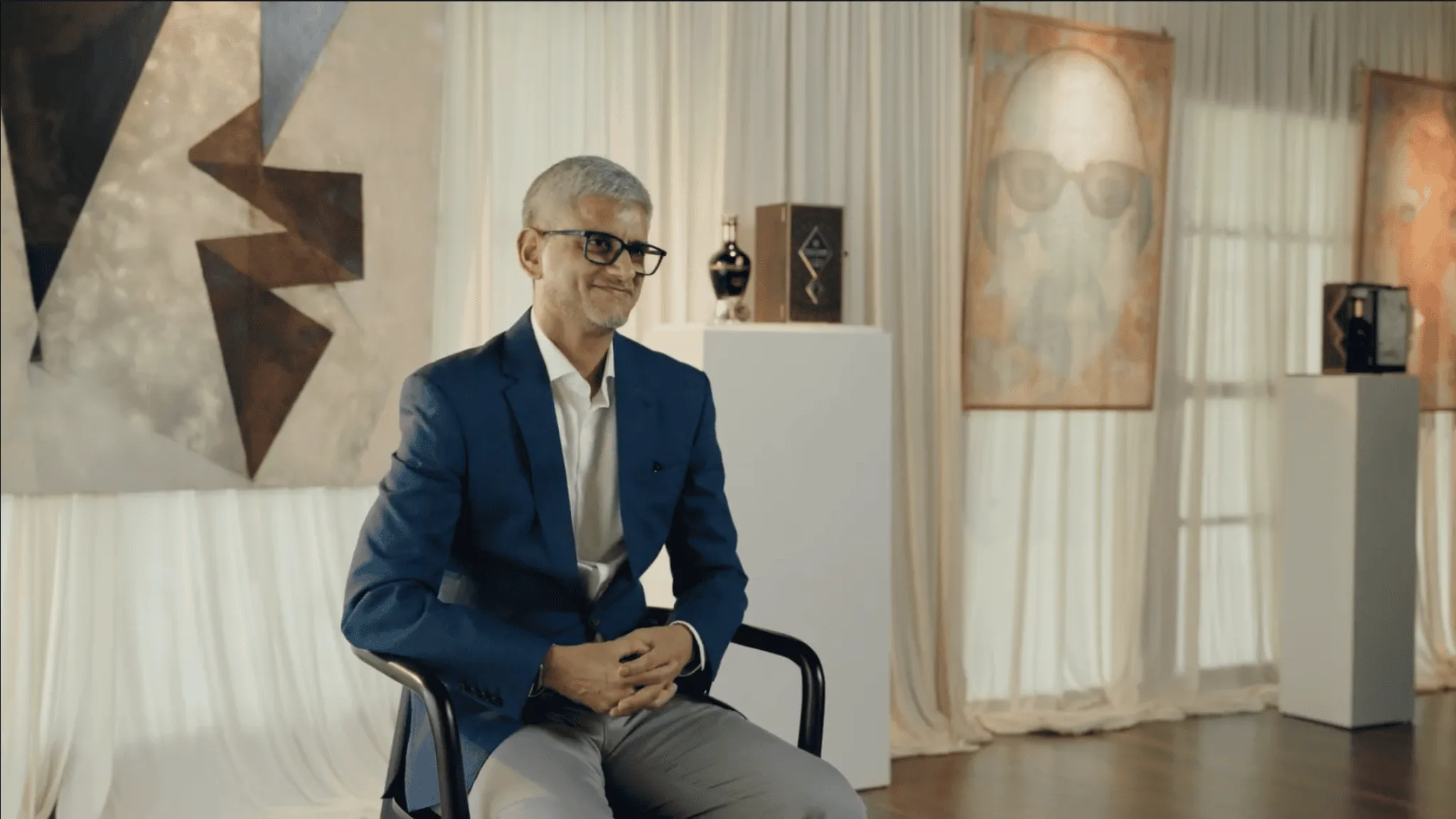
Greetings, Mr. Mohinder. Having worked with global brands for many years, what do you believe it takes for a brand to make a meaningful impact on art and culture?
I believe the most important thing is to have a long-term vision rather than approaching each campaign in isolation. When engaging with the arts, a brand should not simply give artists a specific brief, place their work on product packaging or feature it at events, and then quickly move on to the next project. To me, that approach is merely decorative. It is unlikely to generate any meaningful cultural impact or lasting value. The relationship between a brand and the arts only becomes a genuine partnership when we invest in the process rather than focus solely on the outcome. Culture evolves very slowly and is shaped by many different forces. Brands and artists are only small parts of a much larger movement. If a brand wants to participate in shaping culture, rather than merely consuming or exploiting it, it needs a vision it can sustain. Organisations inevitably go through cycles: people come and go, economies expand and contract, and crises may arise. An institutional framework is therefore essential to maintaining consistency through these changes.
A global brand needs a consistent value system and identity. Yet the culture of each market develops organically and has its own distinct character. How do you reconcile these two considerations?
That is not an easy balance to strike. We have an international perspective on art and culture, but that perspective must be adapted to each market and its particular cultural context. A brand may have a universal value system or symbolic language, yet the ways in which those values are interpreted locally can be entirely different.
For instance, artists were invited to design packaging for a Chivas project in India. Rather than drawing on global motifs, they chose traditional Indian imagery, including peacocks and native flowers. These symbols resonate with consumers because they are rooted in their cultural memory and value system. When establishing a partnership with an artist, a brand can explain what it stands for and what its core values are. It must then give the artist the freedom to interpret those values within their own world. The same guiding principles can give rise to entirely different artistic expressions across different markets. For me, that is precisely the beauty of a global brand.
Could you tell us about the collaboration between Royal Salute and artist Kate MccGwire, which began in 2022?
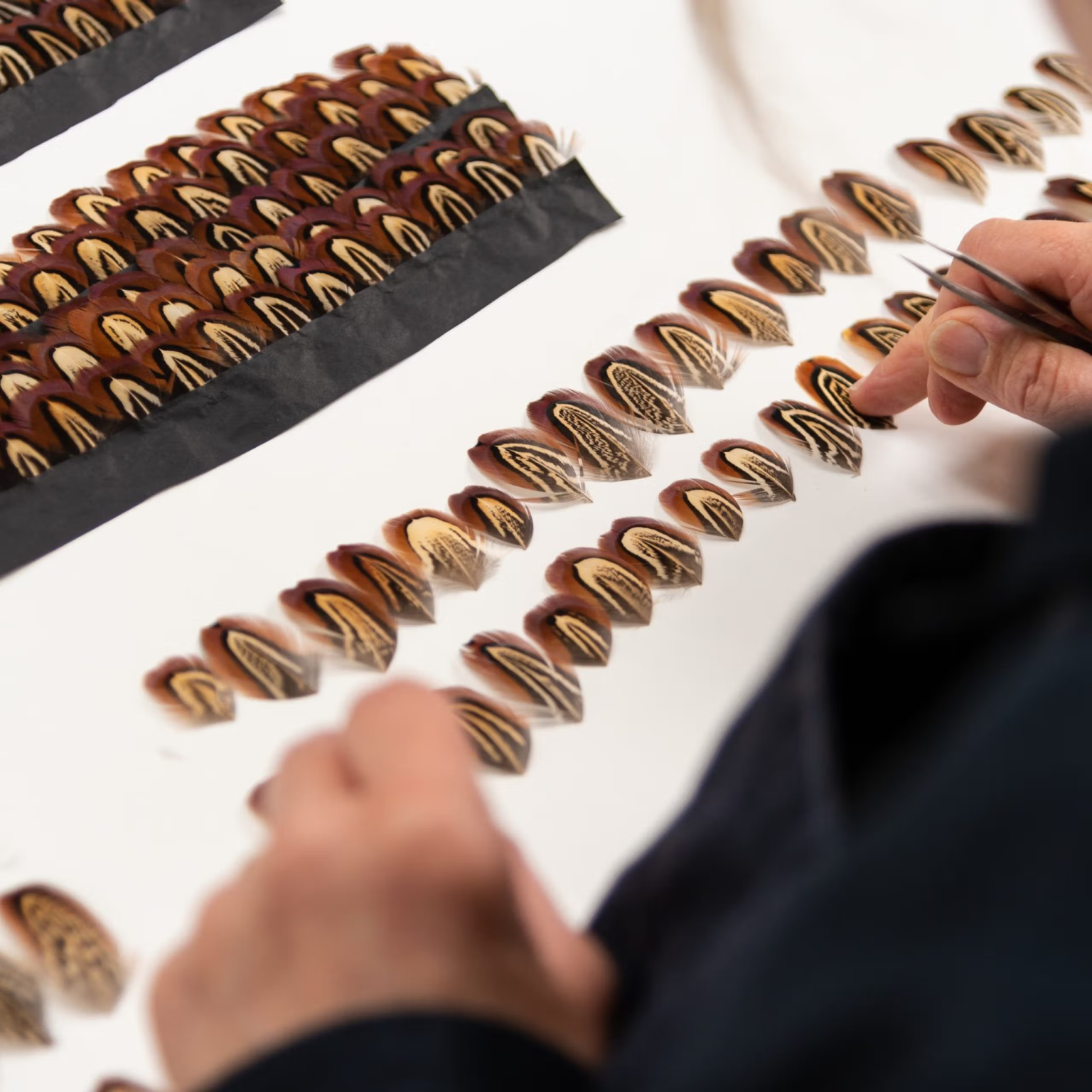
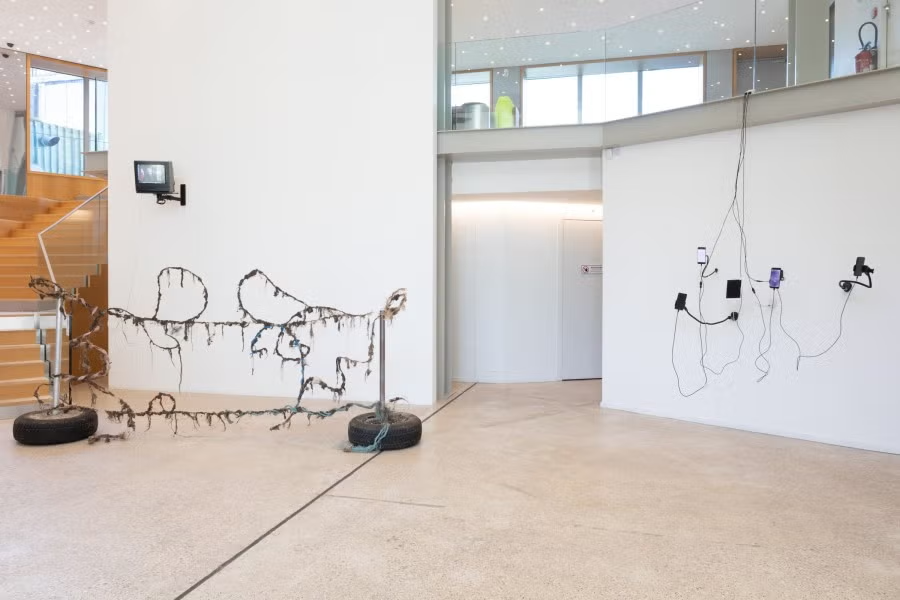
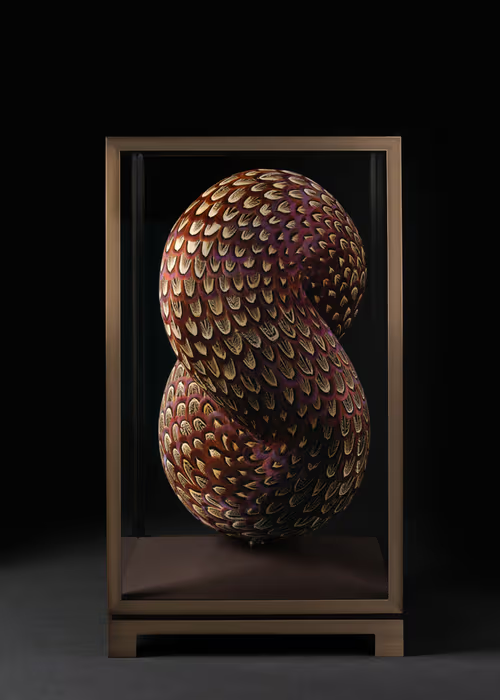
The most remarkable aspect of the project is that we did not tell Kate MccGwire what to do. Looking at the work, you can immediately recognise her distinctive artistic language, from her use of feathers and the structure of her installations to her exploration of rarity and timelessness. The project succeeded because Kate’s artistic practice had a natural affinity with the values of Royal Salute.
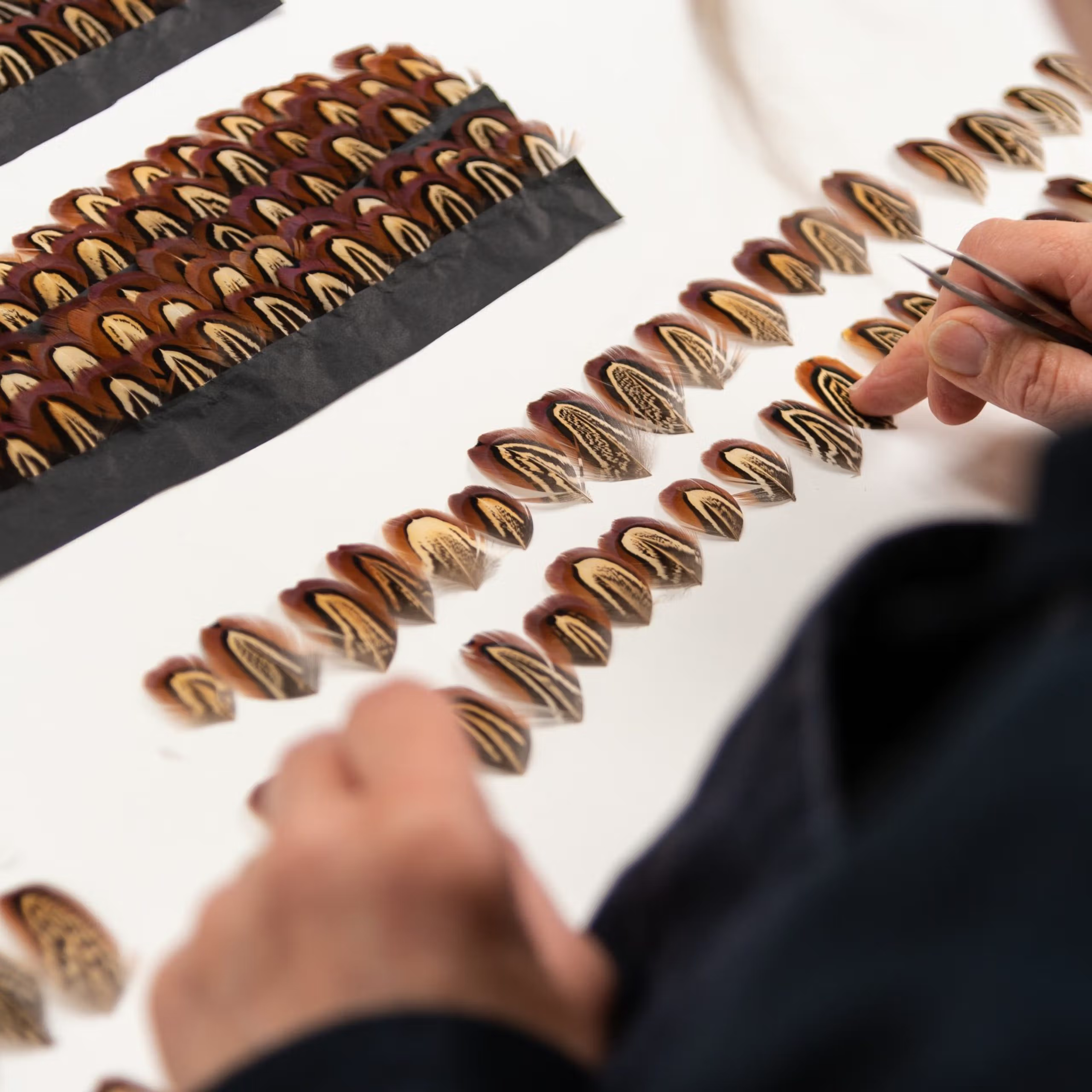
One of those values is patience, particularly when we are working with a 53-year-old whisky. Imagine a whisky resting in a wooden cask for more than half a century before finally seeing the light of day. Kate captured that sense of patience and the passage of time with great subtlety in the artwork accompanying the bottle. Only 21 such installation artworks were produced worldwide. The piece brought to Vietnam is numbered 14. To have such an exceptional and rare work here is a fortunate opportunity, and something we deeply appreciate.
The setting at Wiking Salon today also seems to reflect a desire to connect international art, craftsmanship and local culture. Why did Pernod Ricard choose this venue?
This is something we have wanted to do for quite some time, and the necessary elements have finally come together. Vietnam’s arts infrastructure is still developing. That makes it important for a brand to find the right partners – people who can connect us with artists, those who run art spaces, designers and the wider creative community, while also creating a place where everyone can meet and interact.
Such a space also needs to be open to the public so that people can experience art first-hand. Finding somewhere that meets these requirements is not easy. Here, however, art associated with the brand and Vietnamese art can be presented alongside one another in the same space. I hope visitors will take something of that experience away with them, sparking new conversations and a deeper interest in art.
This community-building work seems closely connected to Pernod Ricard’s philosophy of “Creators of Conviviality (Créateurs de convivialité)”. What does this idea mean to you personally?
“Créateurs de convivialité” is a global value of Pernod Ricard, and one that feels very close to me after nearly 19 years with the company. At its heart is the idea of creating spaces where people can share meaningful moments, build memories, meet new people and enjoy interesting conversations.
This has become especially important in today’s world. Vietnam is a dynamic market with a young population, but the contemporary media landscape is highly fragmented. In the past, when there were fewer choices, people tended to share more common experiences, and those experiences became the starting point for conversations. Today, each of us inhabits our own corner of the internet. We may find communities online, yet struggle to find shared experiences in the physical spaces around us. This contributes to a growing sense of isolation in everyday life.
That is where I believe brands and the arts can make a difference together. Art does not tell you what to feel. It allows an emotion to emerge, which you can then share with someone else. If we can create spaces where the public, particularly younger people, can experience artworks, encounter artists’ worldviews and bring their responses into conversations with others, we are helping to build a more connected culture.
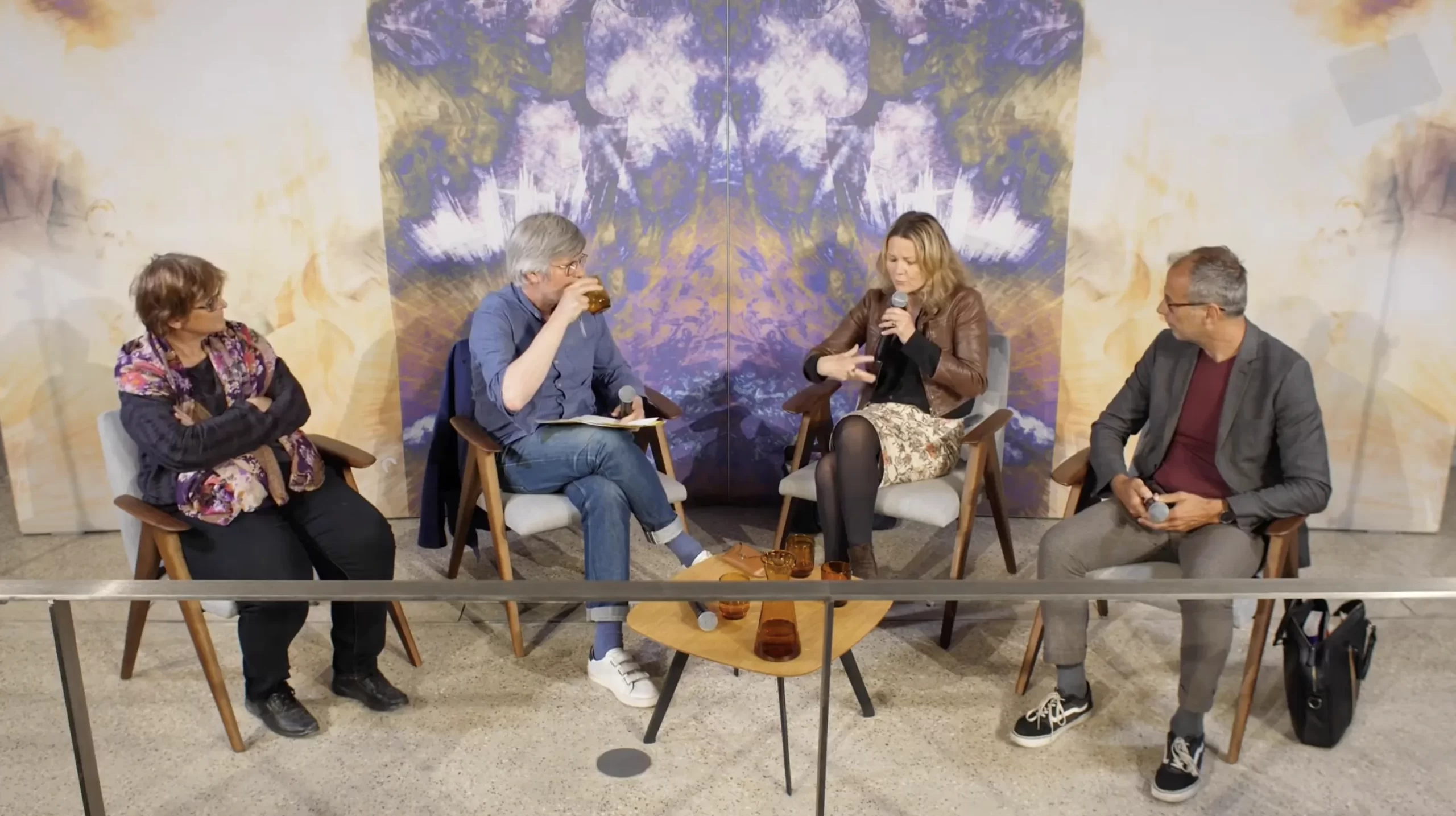
Fondation Pernod Ricard does not maintain a permanent collection. Instead, it creates opportunities for dialogue among artists, curators and writers. Why has this patronage model been able to endure and make an impact over such a long period?
Establishing an organisation such as Fondation Pernod Ricard requires, first and foremost, a shift in mindset. Throughout the history of collaborations between brands and the arts, artworks have sometimes been treated as little more than labels. A brand sponsors an artist or an award, organises a few events, gains a certain amount of prestige, and then the engagement ends. The artist returns to their practice, but the relationship has done little to deepen the work or create a space in which culture can develop.
Fondation Pernod Ricard has chosen a different approach. Rather than concentrating on outcomes, the organisation supports the process by bringing artists, curators and writers together in one place and giving them the space to express themselves on their own terms. The value it seeks is not the immediate value of any particular artwork, but long-term cultural value. This shift in thinking has enabled the Foundation to endure and make a significant impact.
The central concern is not which artworks the Foundation will produce. The more important question is how to nurture talent, sustain artists’ development and foster a generation with the space to build artistic practices of genuine depth.
Every artist needs to experiment. Sometimes they need the freedom, space and time to try something new rather than focus exclusively on commercial objectives. Those conditions allow artists to explore new dimensions of their practice and continue to grow.
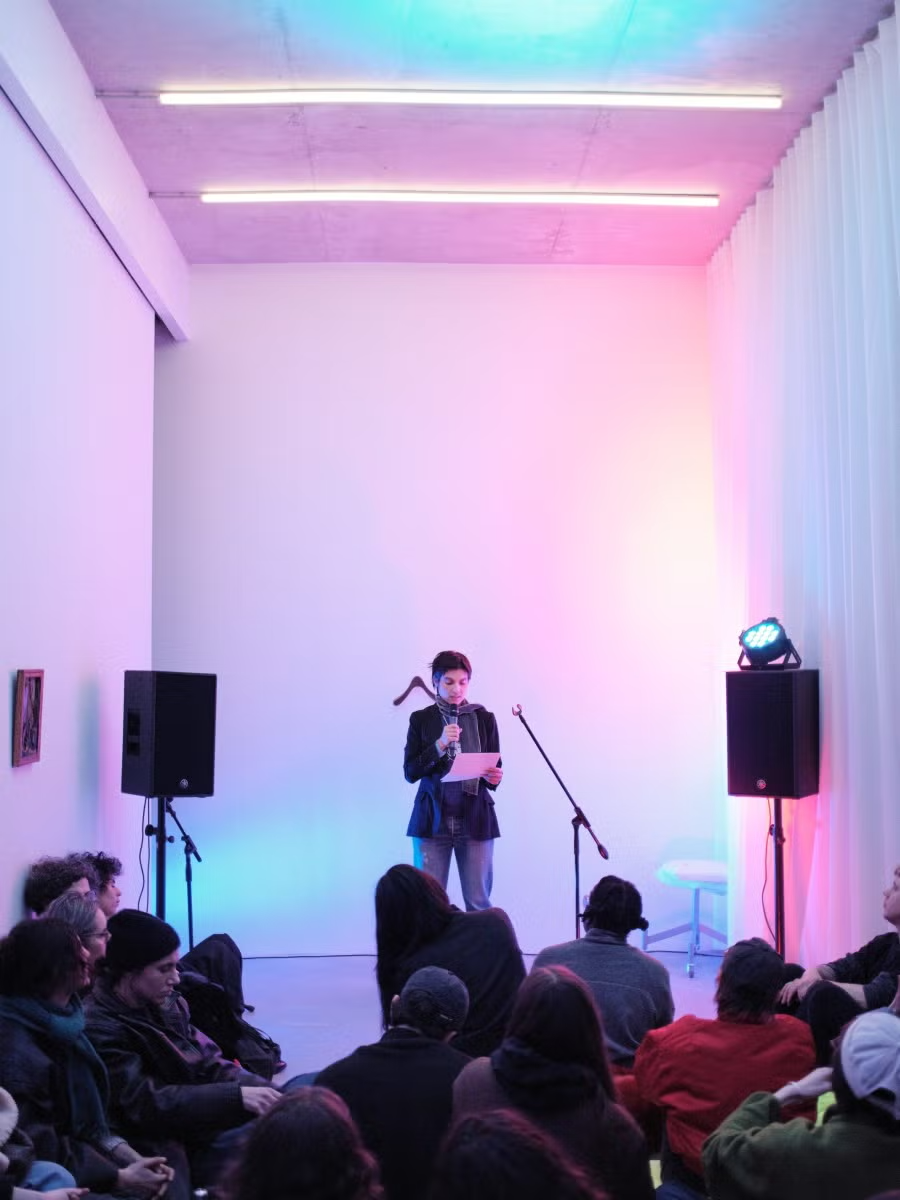
Many corporate arts patronage programmes remain largely symbolic, treated as an extension of corporate social responsibility. How can brands avoid compromising artistic autonomy?
Brands need to become sincere participants in that wider space for dialogue. When they do more than provide sponsorship and genuinely grow alongside artists, the relationship becomes more sustainable. This also explains why the Foundation’s operating model has continued to evolve over time. Recently, its prize moved away from an outcome-based award model towards a curator-led selection of three artists for long-term support.
When an organisation works within a particular field, it must also be willing to learn. That process of learning allows us to develop and adapt. Initially, the aim might simply be to recognise art and create opportunities for it. But as the journey continues, that perspective matures: rather than concentrating on outcomes, we focus on the process; rather than rewarding a finished work, we provide the space and freedom for artists to develop over time. The Foundation has also reached a level of maturity that allows it to make these commitments without being overly concerned with immediate commercial or cultural value. Culture unfolds over long periods, and its value is extremely difficult to quantify in the short term.
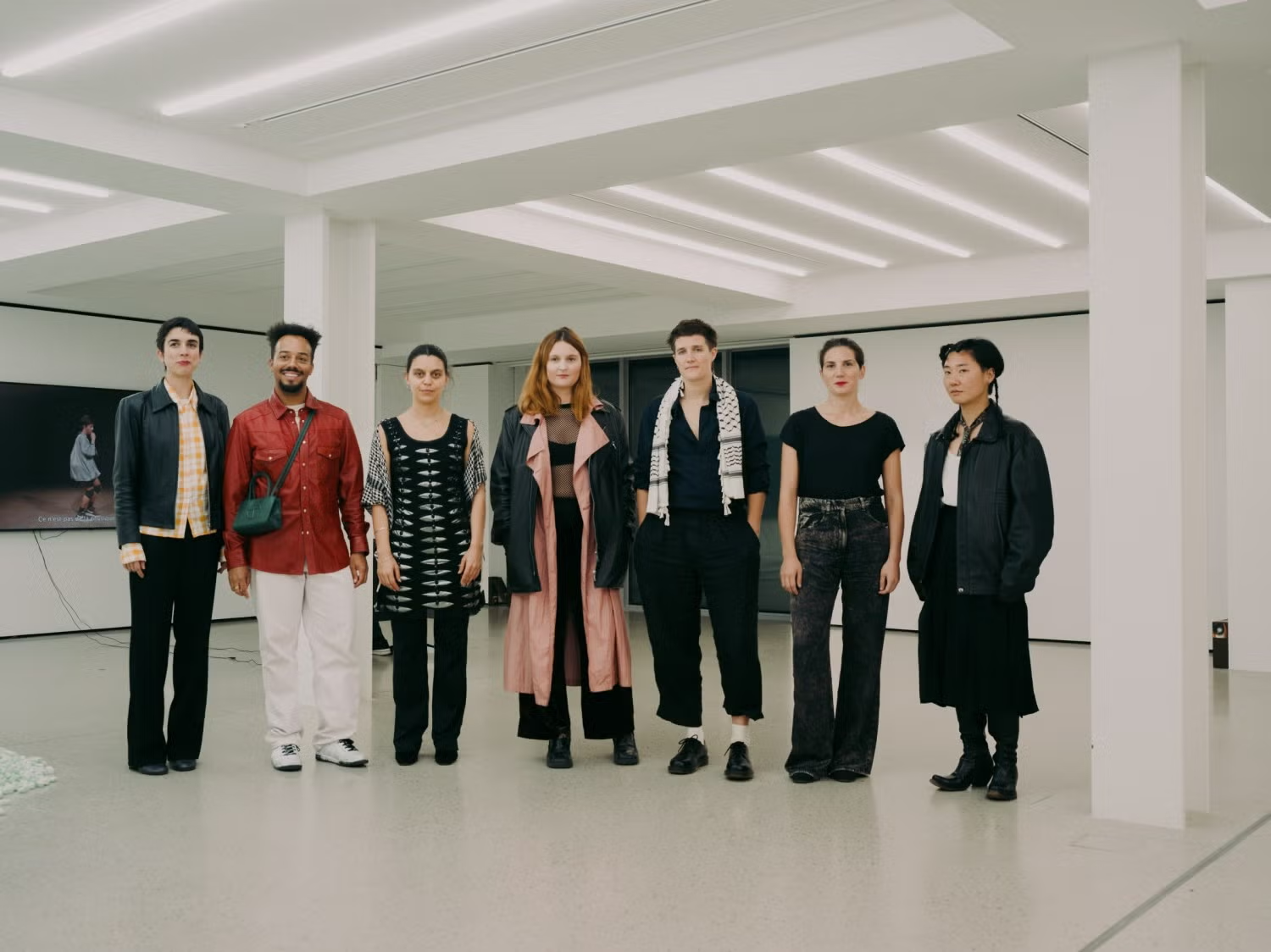
As the person responsible for marketing in Vietnam and the wider region, how do you envisage the localisation of the Foundation’s model in Vietnam in the future?
Vietnam has a fascinating arts scene and a strong foundation of artistic talent, but there are still significant gaps in its infrastructure. Pernod Ricard in Vietnam and the wider region is very interested in becoming part of this conversation: how can we support artists, help them develop, and give them the freedom and space they need.
At the same time, we have to understand the existing relationships between government bodies, artists and commercial sponsors. If a brand wants to contribute real value and become a meaningful partner, it needs to understand the particular character of the local cultural ecosystem. That is why we need good partners. Once we establish the right partnerships, we can begin a serious conversation about how to bring this model to Vietnam and sustain it over the long term.
During your time living in Vietnam, which encounters with local art and culture have left the deepest impression on you?
I am constantly surprised by the depth of Vietnamese art. At one exhibition, I saw works by Hoang Anh, in which small red plastic chairs appeared within landscapes and symbolic imagery. At first glance, I found the scenes rather dark. But when the works were explained to me in greater detail, they genuinely opened my eyes. I was also struck by the works of Nguyen Duc Huy, particularly their blue-toned figures. Learning that these works question a world in which individuality is gradually washed away gave me a great deal to reflect on.
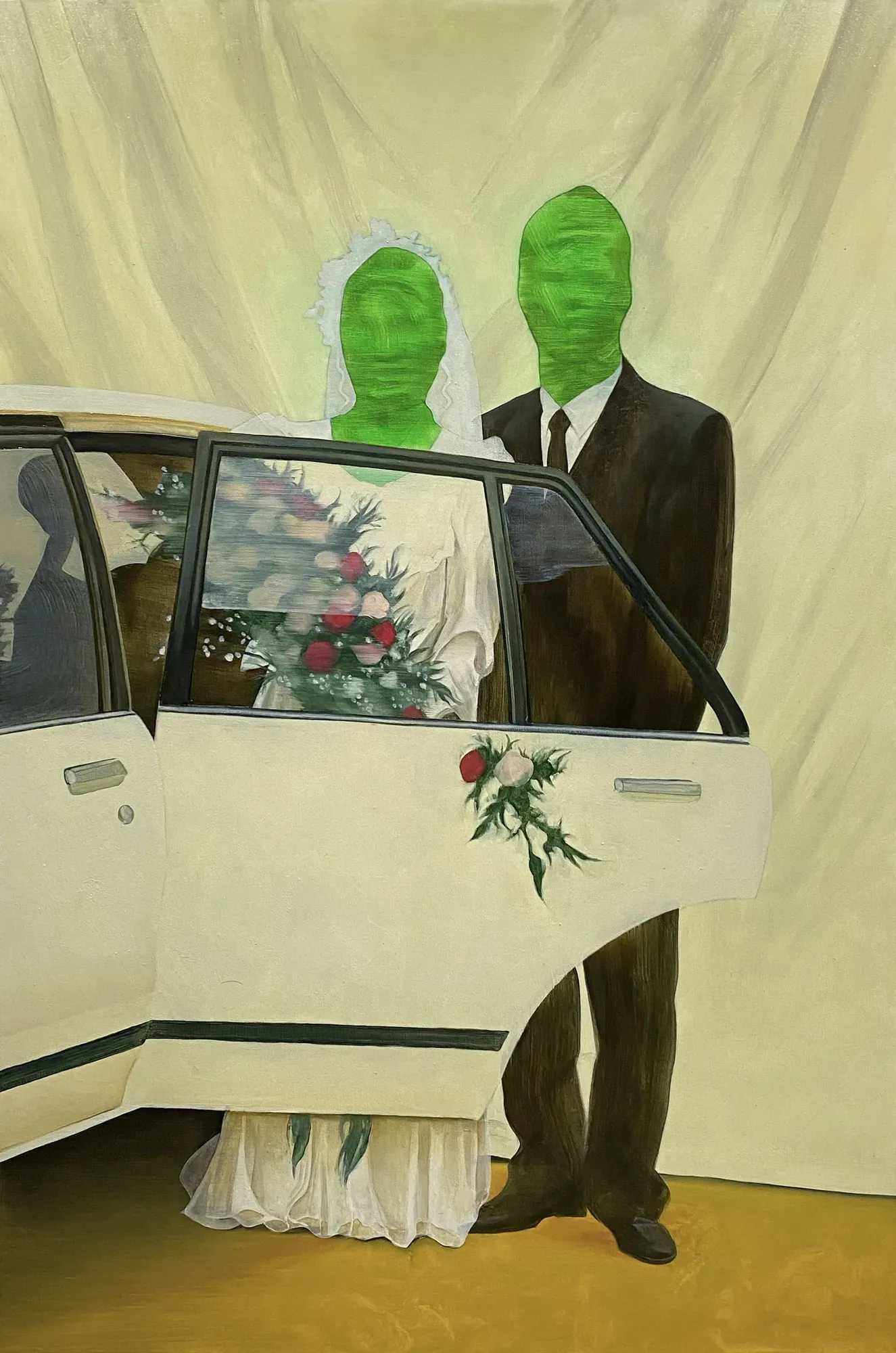
Thank you for sharing your thoughts. We wish you continued success in the journey ahead!
This interview is excerpted from the video “CẢM HỨNG BẢO TRỢ – Mohinder Jakhar | Ngồi Nghệ / [Art]Salon x Pernod Ricard EP.07”, August 2026.