Đọc phiên bản tiếng Việt tại đây.
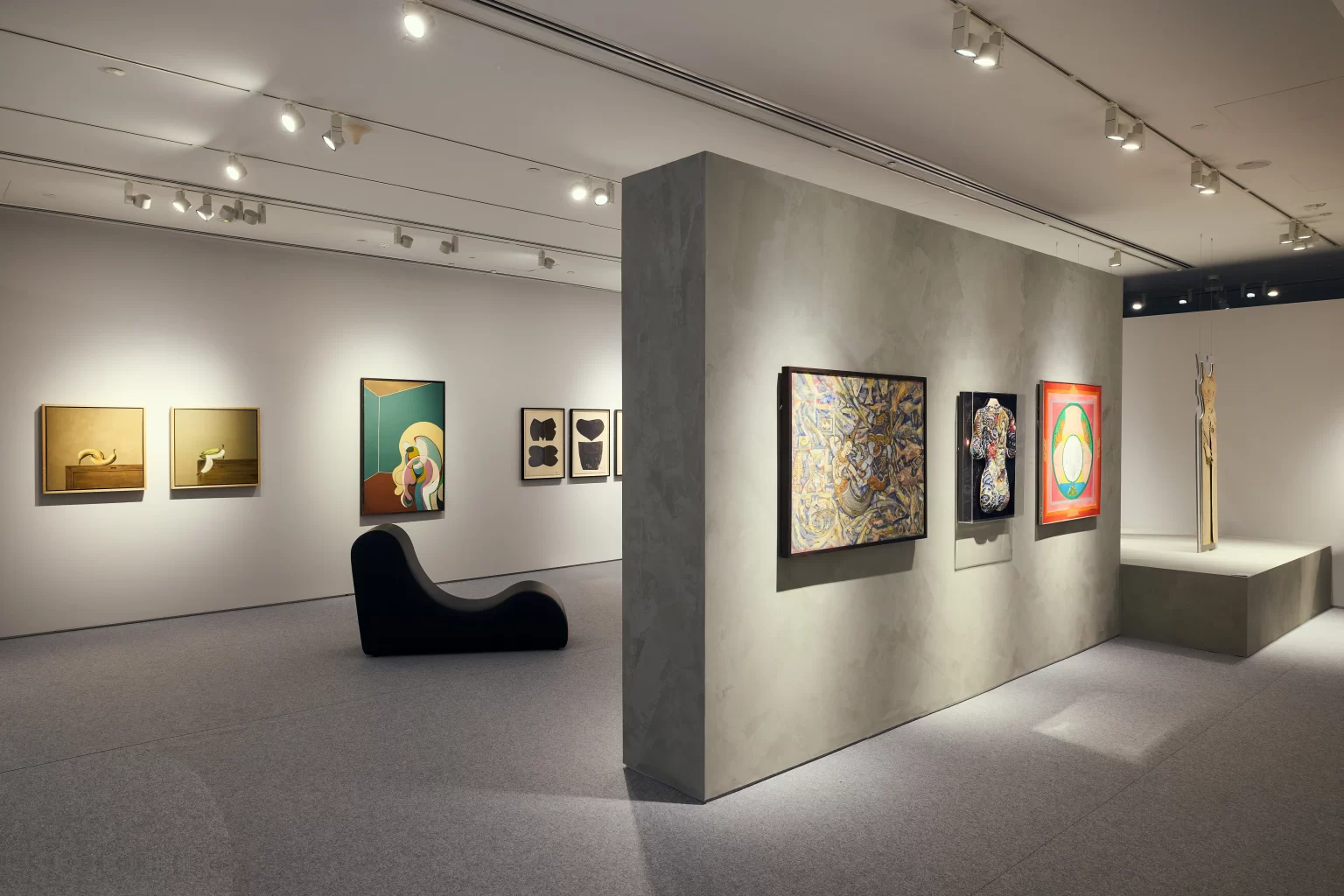
Inspired by pioneering artist Liu Kang’s 1953 essay Trip to Bali, on his 1952 journey through Java and Bali, Passion is Volcanic: Desire in Southeast Asian Art is National Gallery of Singapore (NGS)’s first ever R-18 exhibition. It invites us to look at the ways in which desire, sexuality and the body is mapped out artistically in Southeast Asia, featuring over seventy works and divided into three sections: “Asian Mythos and Ritual” presents how the human body and eroticism are very much interlaced with the spiritual realm; “Conventions of the Erotic” sketches out artistic imaginings of the body and outlines the contours of eroticism experimentally throughout time within Southeast Asia; and lastly, “Public Arenas / Private Interiors” defies the sexual conventions instilled in us while expanding the narratives to include queer identities. The exhibition is accompanied by an intimate behind-the-scenes conversation with curators Adele Tan and Kathleen Ditzig, and a personal fanfiction zine workshop that showcases fanfiction as a realm for desire and expression of the self.
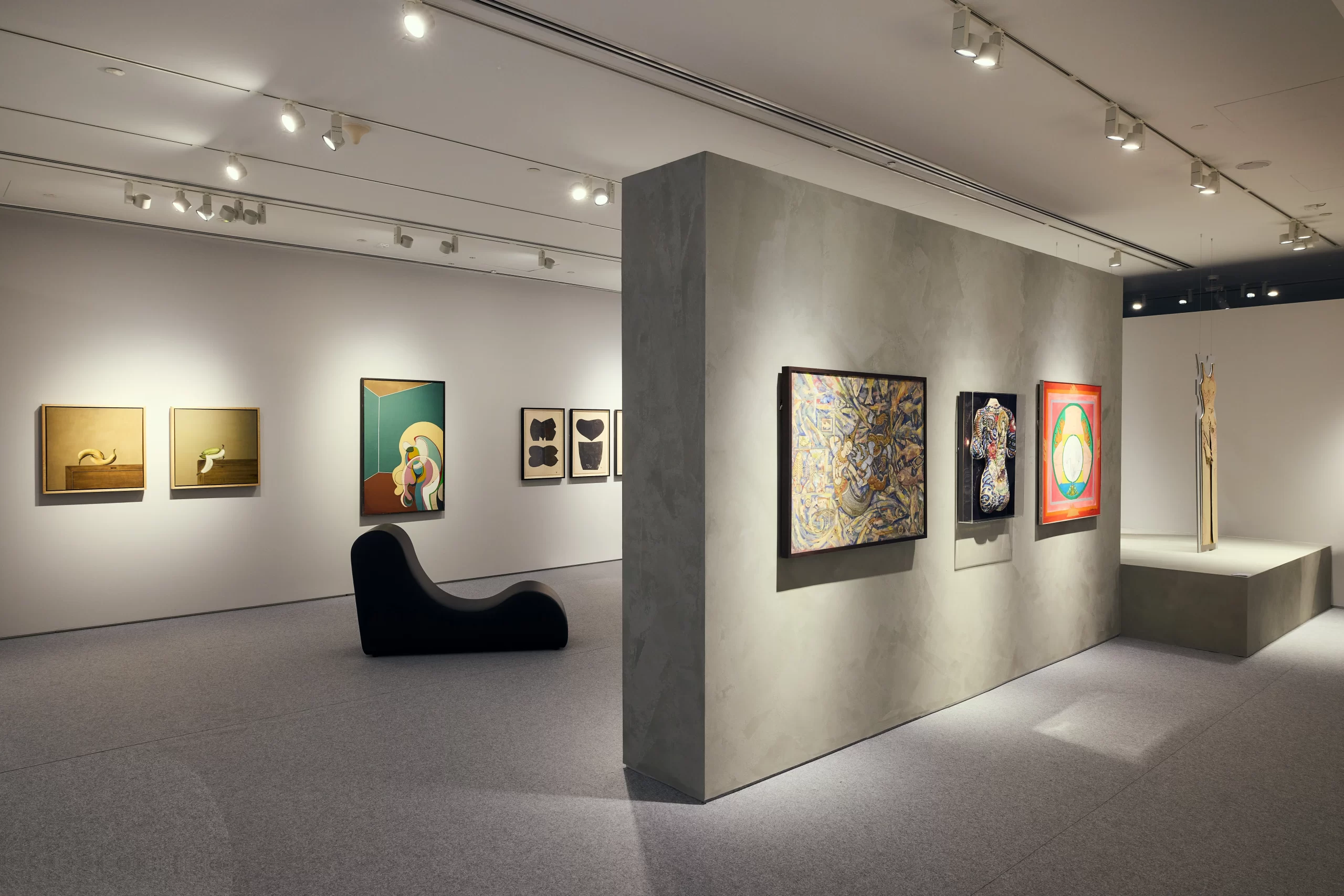
Upon first impression, as one ambles through the exhibition, it lands the self in a somewhat odd liminal space, heightened by the warm, gentle and dim lighting. The works holistically showcase a sort of tenderness that feels so delicate to the corporeal – a muted and subdued veil that blankets the entire exhibition. There is nothing that explicitly assaults the senses. In a Singaporean context, the shadows of censorship loom over every artistic endeavour. One cannot help but feel a tinge of intrigue when a national museum attempts to carve out a space to house the provocative. At the mention of transgressive exhibitions, Josef Ng’s highly controversial performance work, Brother Cane (1994) comes to mind – imprinted, even, in the psyche of the arts scene in Singapore. Not only did it clearly scuffle with the stance on the criminalisation of sex between men, its treatment also reflected a long-standing institutional consistency in scrutinising acceptable topics and expressions in the arts. Situated against this backdrop, Passion is Volcanic becomes particularly compelling for the way it selects, contains and frames its provocations.
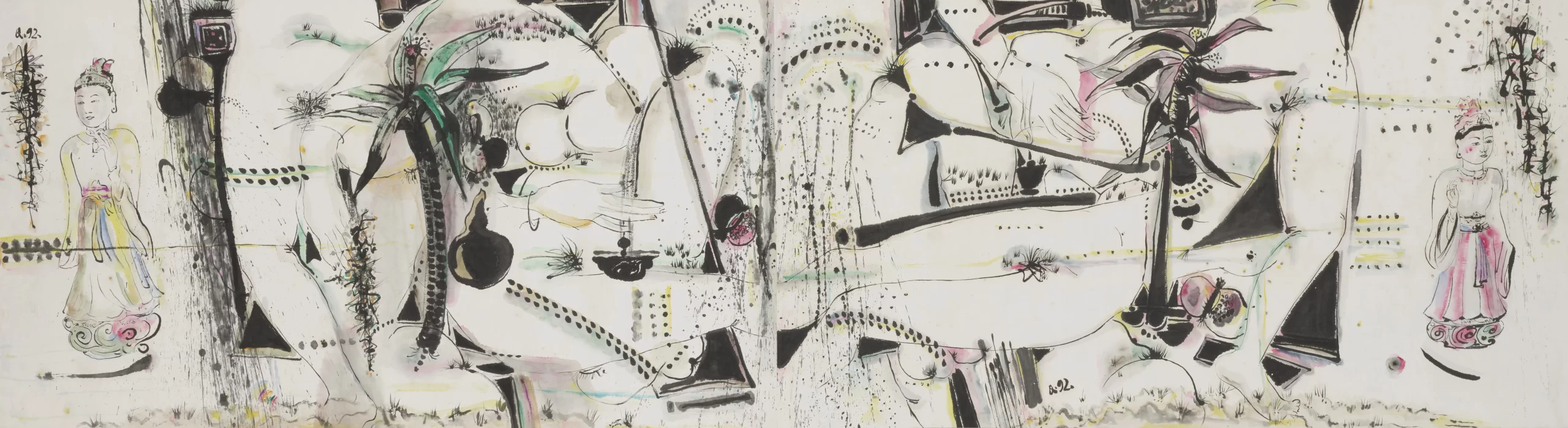
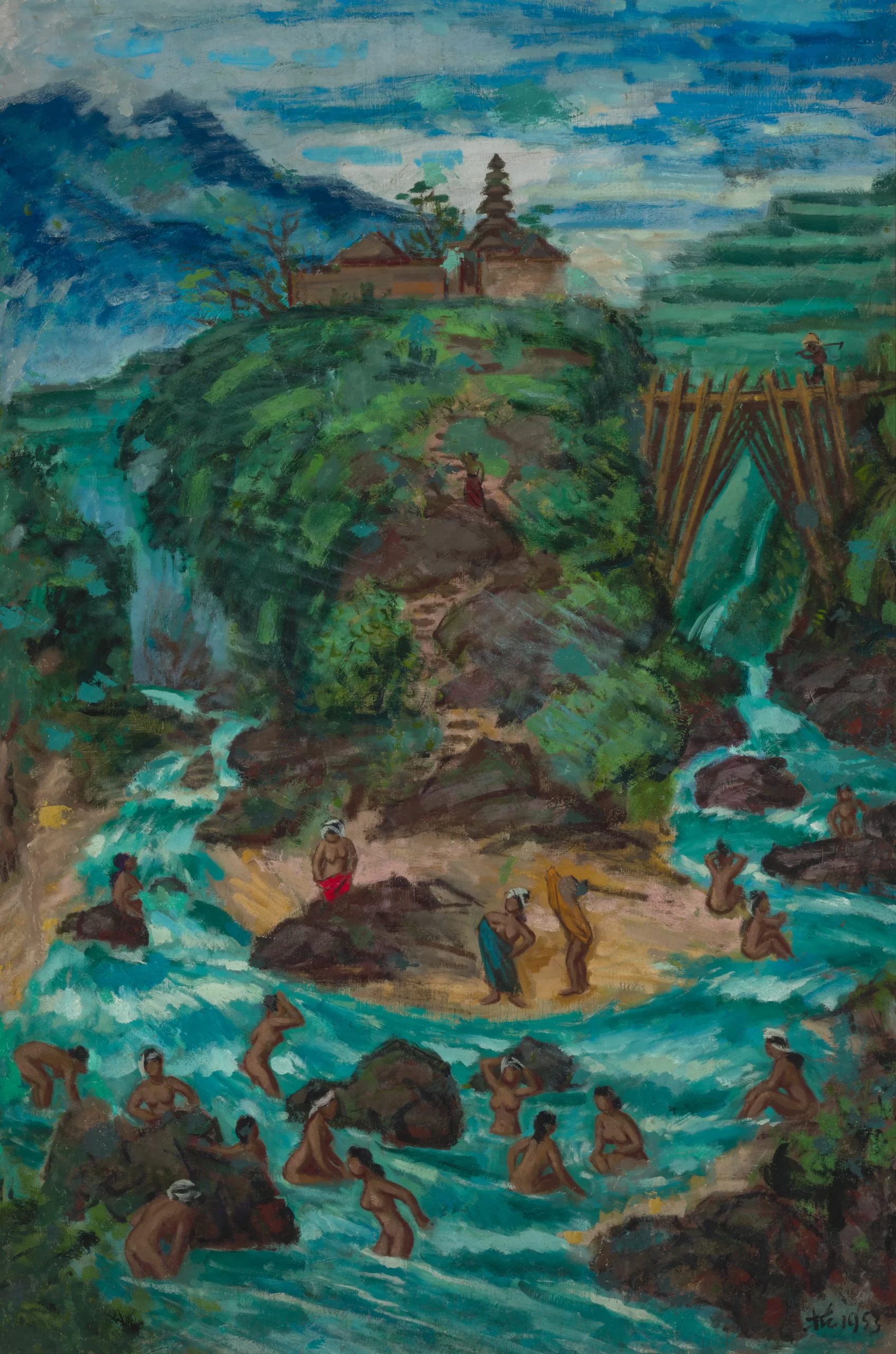
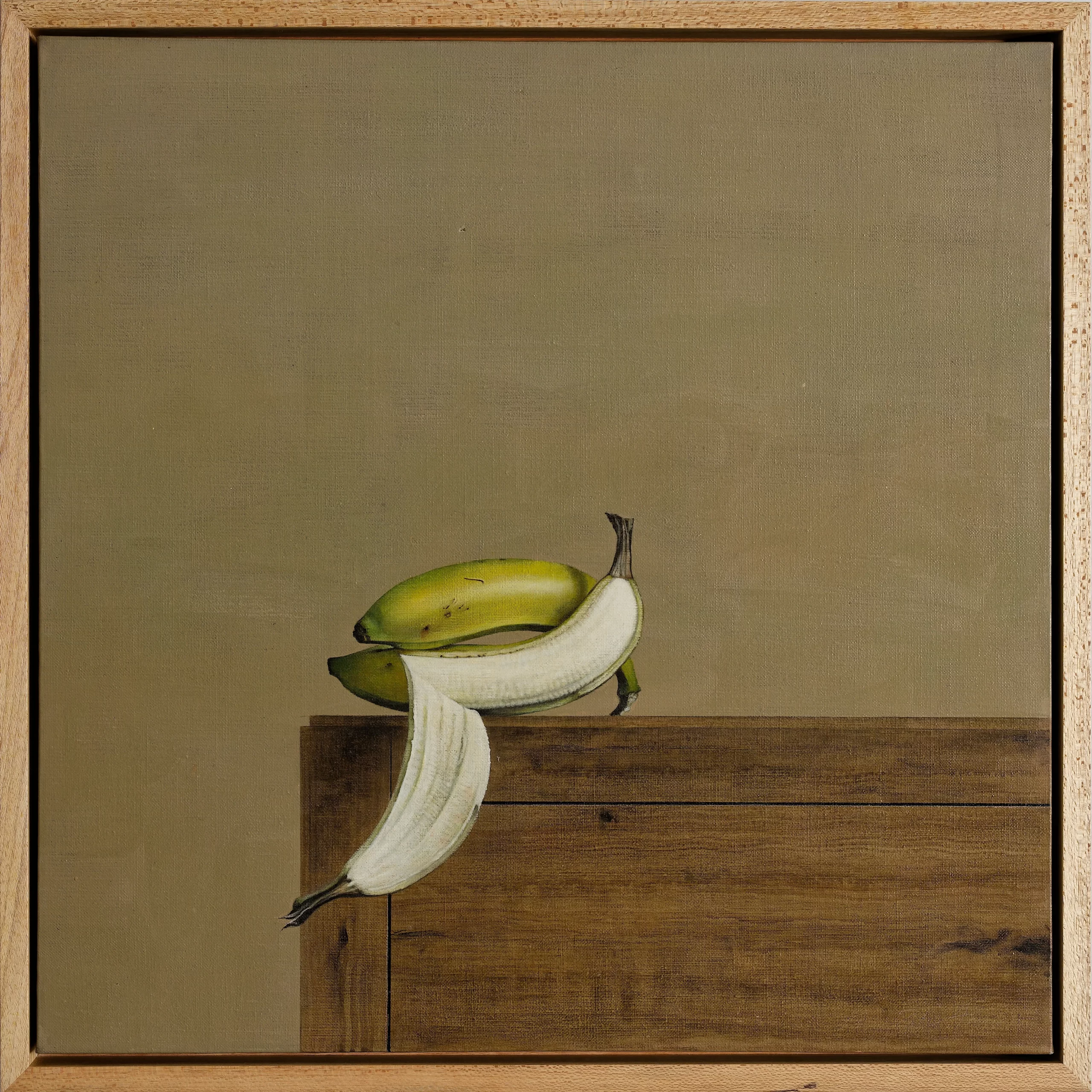
Nguyen Quan’s large-scale work titled Altar (1992) is a surrealist reinterpretation of the Vietnamese spiritual and ancestral altar; the female body, of porcelain white complexion, is intertwined with fruits and flowers in hues of pinks, yellows and greens. The female body here is projected as a divine and beautiful source of life. Meanwhile, Ahmad Zakii Anwar’s Sixtynine 1 and Sixtynine 3 (2000) are realistic paintings of evocatively positioned bananas, a humorous euphemism for the male anatomy, exhibition context and title being what bestows its supposed sexual vulgarity. And we have the artist behind the exhibition’s conceptual anchor, Liu Kang, whose work titled Scene in Bali (1953) captures Balinese women bathing in a stream from a vantage point.
These various expressions and framings of sex, desire and the body come together to read as strategically didactic, culminating in subdued and sanitised forms that eschew the explicit. Speaking with Plural Art Mag, Adele Tan – one of the two curators of the show – corroborated this deliberate curatorial direction and stated that the works of Teng Nee Cheong and Tan Peng, in particular, will remain buried unless they “have a very specific exhibition framing”.¹
I was pleasantly surprised to find the feature of Annabel Chong – another key controversial figure that brought forth female desire and hypersexuality. Her section resided at the rear end of the exhibition, consisting of various paraphernalia from the documentary film Sex: The Annabel Chong Story, ranging from merchandise, a podcast inspired by her persona, to the bedazzling dresses she wore. Even then, it felt like a rather factual recount of this contentious role played by Grace Quek while supporting the reframing of her as someone reclaiming her own sexuality, with the controversies surrounding the persona glossed over and the nuance lacking.
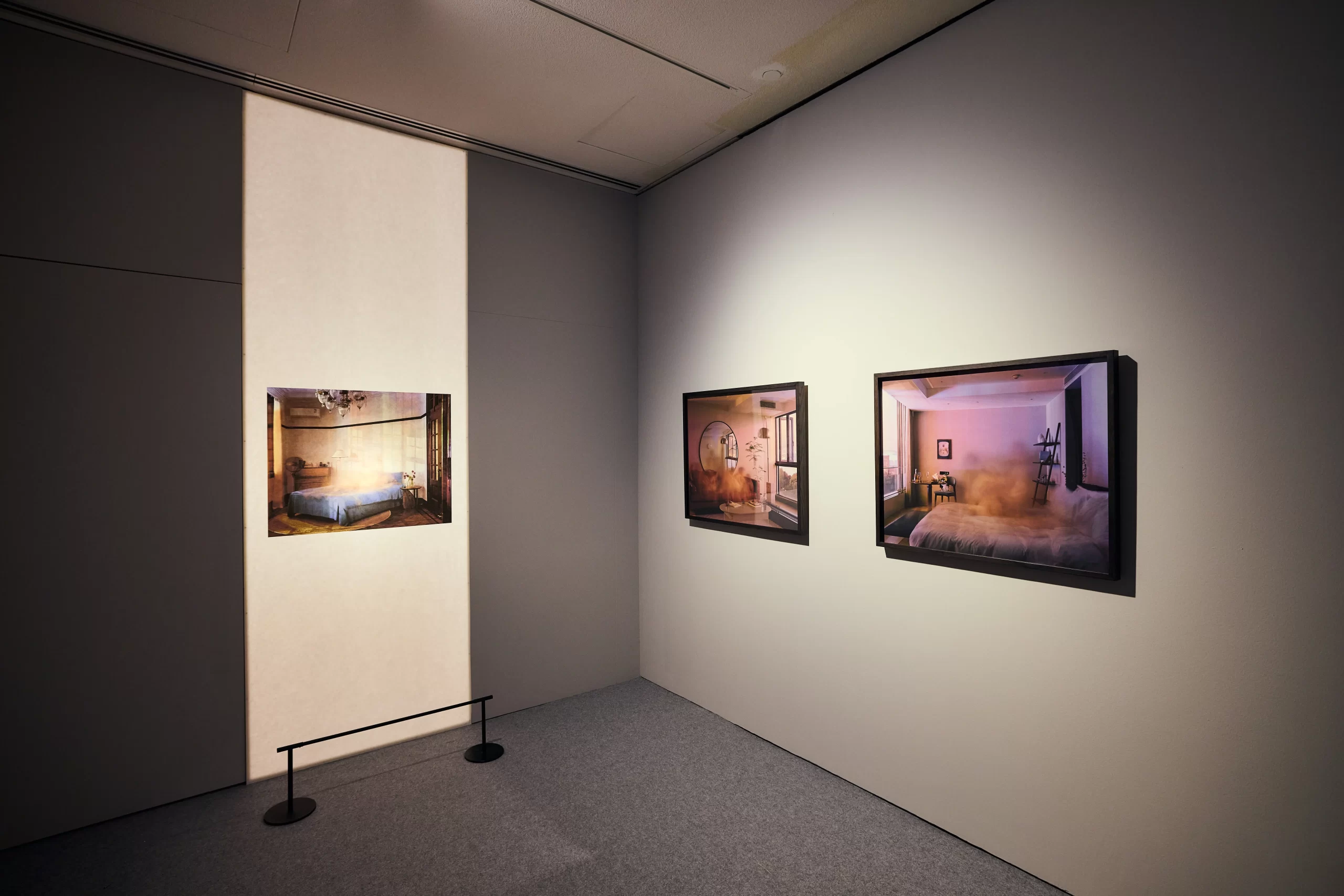
If the point is to be lewd, transgressive and to possess an unrefined vulgarity, then how should one question and work with that arena? What kind of picture do we want to, or can, paint about erotic ventures, desires and our bodies? For now, maybe the ability to even publicly showcase such works is enough, and the answer should be to celebrate such advances. A small step forward is a step nonetheless. Though funnily enough, despite this very sentiment, we as viewers still contend with the tension in trying to reconcile the fact this restrained form is still deemed as teetering on the boundary of what is acceptable. It is further exacerbated and reinforced by the fact that photography of the artworks are prohibited and strictly policed. We can only gaze at these expressions of desire and of one’s sexuality (far from being obscene) from afar as an outsider; to only appreciate but not partake, and best, if kept that way.
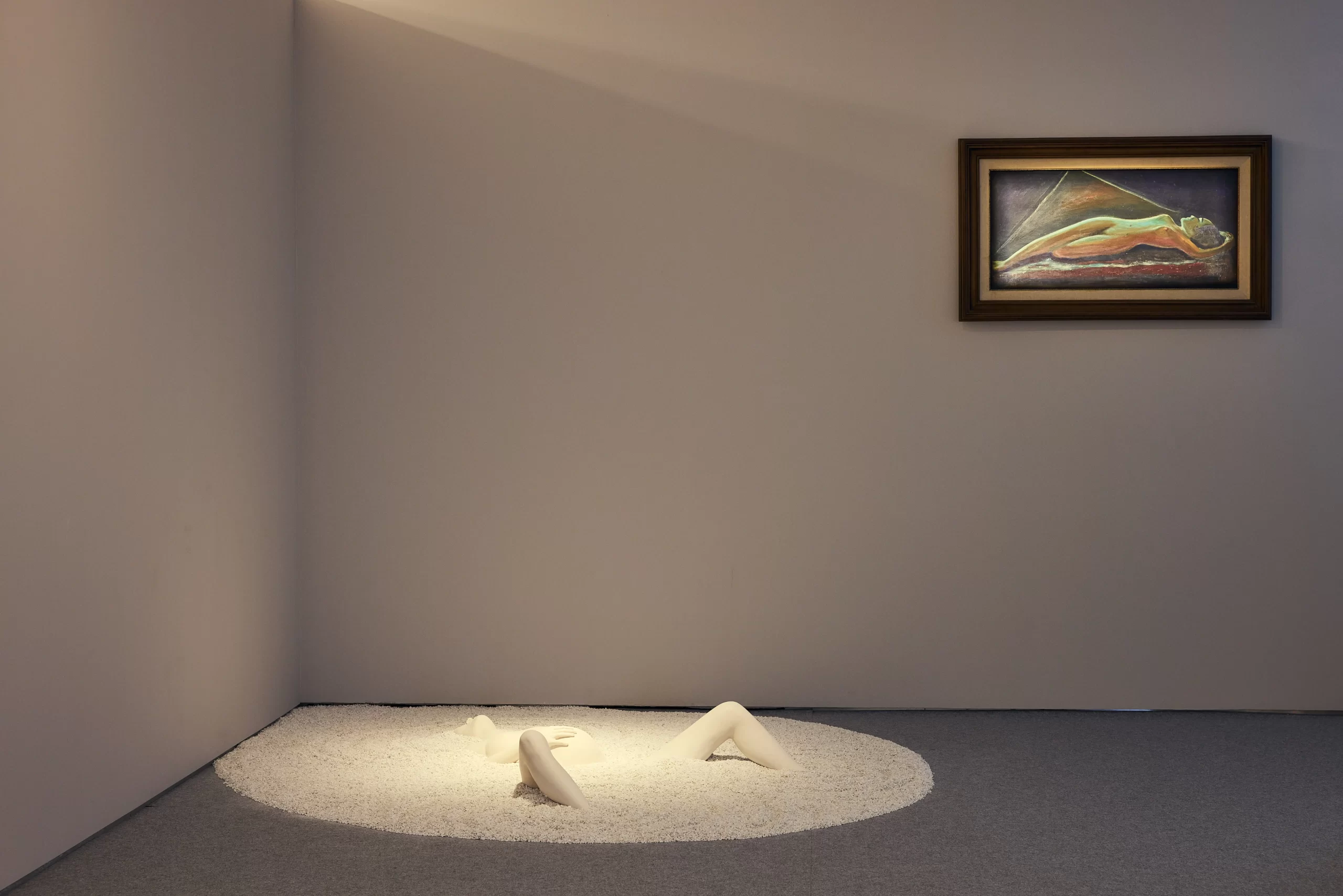
In conversation with our bodies, perhaps the most profoundly visceral experience for me transpired at the end. Coincidentally or not, the exhibition begins with Araya Rasdjarmrearnsook’s video installation I’m Living (2002), in which the artist dresses a female corpse in various pieces of clothing. Chilling, yet deeply intimate, the work probes into the continuity between the living and the dead, and the body caught in that interval. The exhibition then ends with Pinaree Sanpitak’s Noom-nom (2016), a participatory installation of breast-shaped beanbags that also resemble Buddhist stupas. The act of lying in a sea of them is reminiscent of a very primal experience: the reach and embrace of a mother’s warmth. I, along with many other strangers, nestled comfortably among the cushions, reverting to the child-like self and slumbering in a mother’s embrace. Passion is Volcanic, in hindsight, begins with an examination of death and ends with the promise of life: we come as we go, and we go as we come, for the life of the body is ultimately circular.
Words: Erika Chandra
Translation: Art Nation
[1] Usha Chandradas, “National Gallery Singapore’s First R18-Rated Exhibition Is Less about Sex Than You Think,” Plural Arg Mag (2026).