Cultural diversity
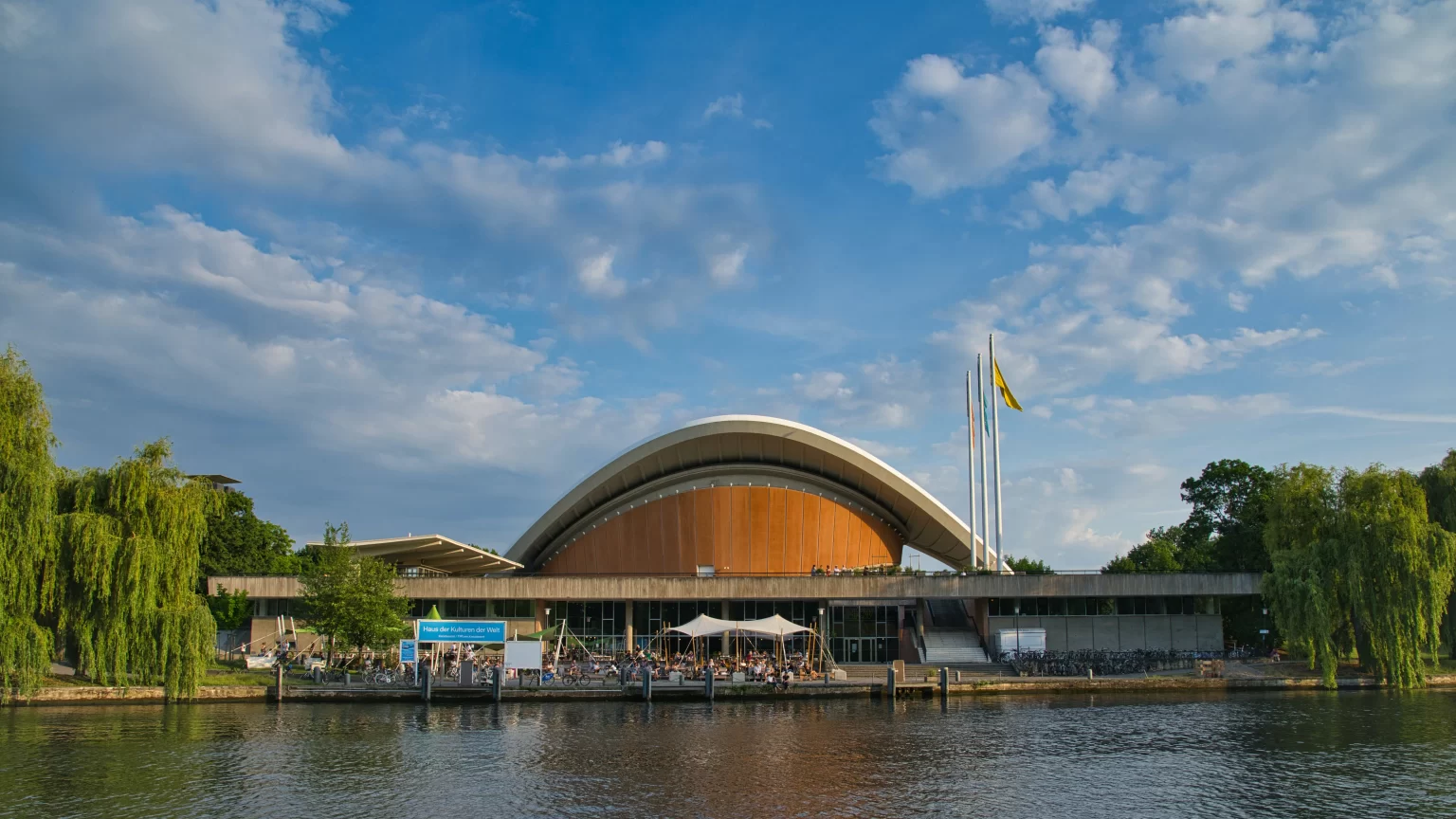
One of Berlin’s most significant cultural milestones took place during the summer of 2023 when, for the first time, a German-Cameroon curator assumed the role of Artistic Director at the House of World Cultures (Haus der Kulturen der Welt – HKW). HKW, established in 1987, has been a pivotal national platform for contemporary art, discussions, and critical discourse. The appointment of Bonaventure Soh Bejeng Ndikung as the institution’s leader was hailed by the communities of artists and cultural workers as: a historic moment, previously unimaginable on this scale in Germany, reflecting the demographics of contemporary German society.
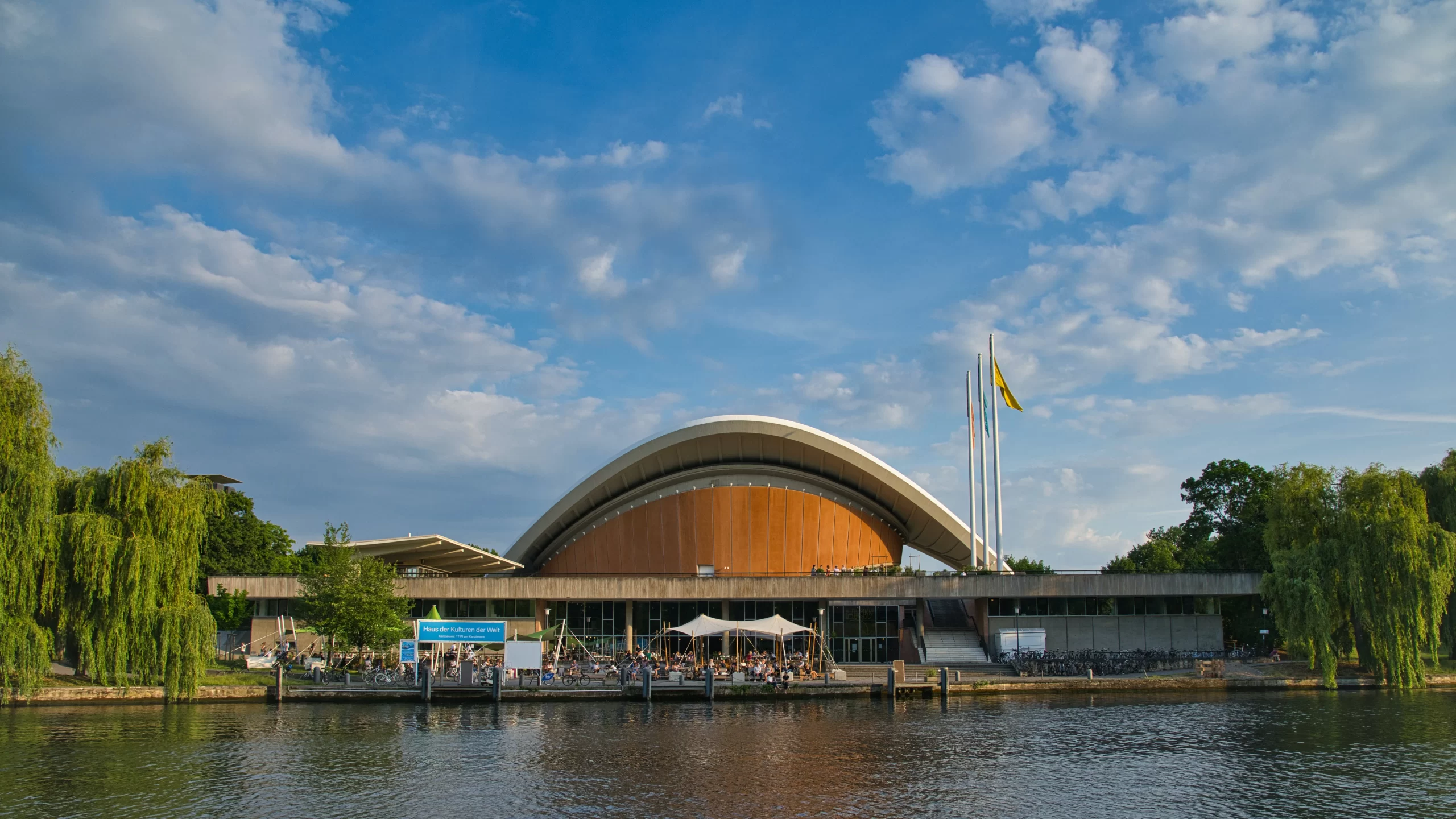
In 2008, Ndikung founded SAVVY Contemporary I The Laboratory of Form-Ideas in Berlin. Located in the Wedding district of northern Berlin, SAVVY Contemporary is an independent, non-commercial space dedicated to decolonial practices and aesthetics. It ardently promotes experimentation and specifically honours knowledge originating from Africa, the African diaspora, Asia-Pacific and Latin America. Over the past decade, the presence of SAVVY Contemporary has been strengthened with diverse programs, encompassing discourses, community outreach, and international curatorial initiatives.
The inspirational spirit that defines SAVVY Contemporary is nurtured by its founder, curator Ndikung, and his colleagues, including 24 members from 14 countries. Ndikung’s subsequent appointment as the leader of HKW and the succession of SAVVY Contemporary by the Philippines curator Renan Laru reveal much about the changes in the contemporary art world, especially after documenta 15 (2022) which was curated by the Southeast Asian collective ruangrupa from Jakarta (Indonesia).
In 2023, the German government allocated a budget of 2.39 billion euros for arts and culture, marking a 4% increase from the previous year. In the backdrop of rising inflation and a growing cost of living crisis in Europe, the government introduced the Cultural Card program, known as “Kulturpass”. Individuals aged 18 and above are offered 200 euros to spend on cultural experiences. This program aims to rekindle the interest of young people in culture after years of being confined to their homes due to the Covid-19 pandemic.
However, despite the new Berlin government’s commitment, outlined in the coalition agreement, to “create, secure, renovate, and modernise spaces for artistic production and presentation”, many funding sources have been cancelled alongside the change in government in Berlin. The existence of several independent cultural and artistic spaces in Berlin is threatened, including Sinema Transtopia. This is a platform for cinema experiments, challenging the Eurocentric view and reimagining cinema as a space for social discourse, exchange, and solidarity. Since its inception, Sinema Transtopia has given space for BIPOC and diasporic artists and cultural workers, with recent screenings such as: Indie Chinese Cinema Week, “unthaitled x KAUM Film+++festival 2023: Wandering Salon” project, “Fiktionsbescheinigung” (meaning “temporary residence permit”) – a selection of films that provide insights into German migrant society, among others. These films, often overlooked or little-known, amplify the voices of the migrant and marginalised groups in Germany. In the face of imminent funding cuts, Sinema Transtopia published an open letter to the government on its website on 8 September 2023, and has so far gathered thousands of signatures from artists and cultural workers, both within Germany and internationally.
Differences are embraced
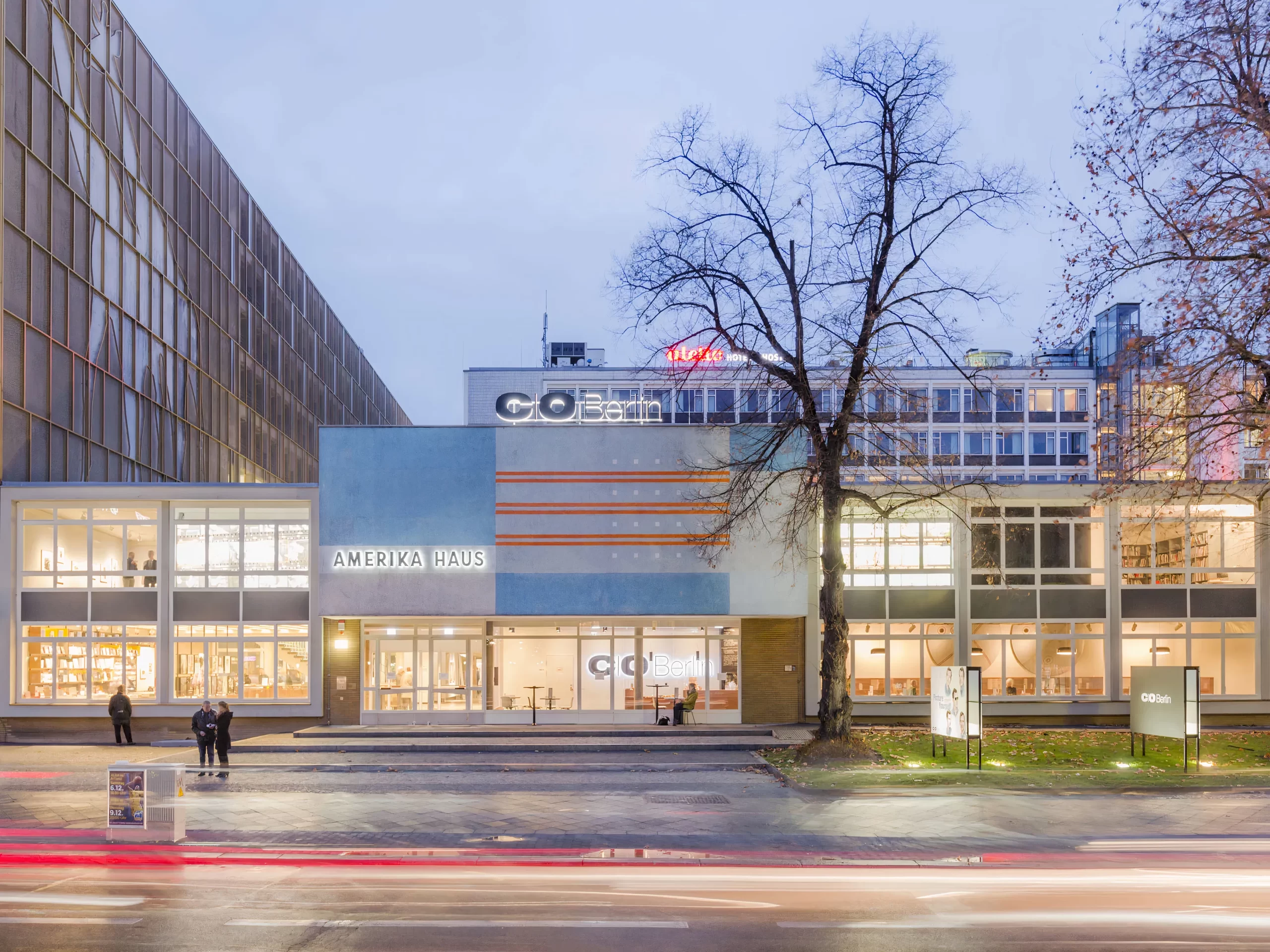
Berlin is a city renowned for its diversity. As mentioned above, there are promising signs that institutions and organisations are increasingly embracing diversity and inclusivity, providing equal opportunities to different groups whether as audiences or as workers (internships, artistic and curatorial practices, exhibition spaces, residency programs, etc.). For instance: every year, C/O Berlin presents a Talent Award to support the next generation of photographers and theorists. As C/O Berlin is a vibrant exhibition space for photography and contemporary visual culture, this is the only award in Europe that recognizes individuals under the age of thirty-five. Beyond displaying famous works by artists such as William Eggleston, Nan Goldin, Sebastião Salgado, Daido Moriyama, Ren Hang, and Nobuyoshi Araki, C/O Berlin also actively promotes emerging talents by offering exhibition opportunities.
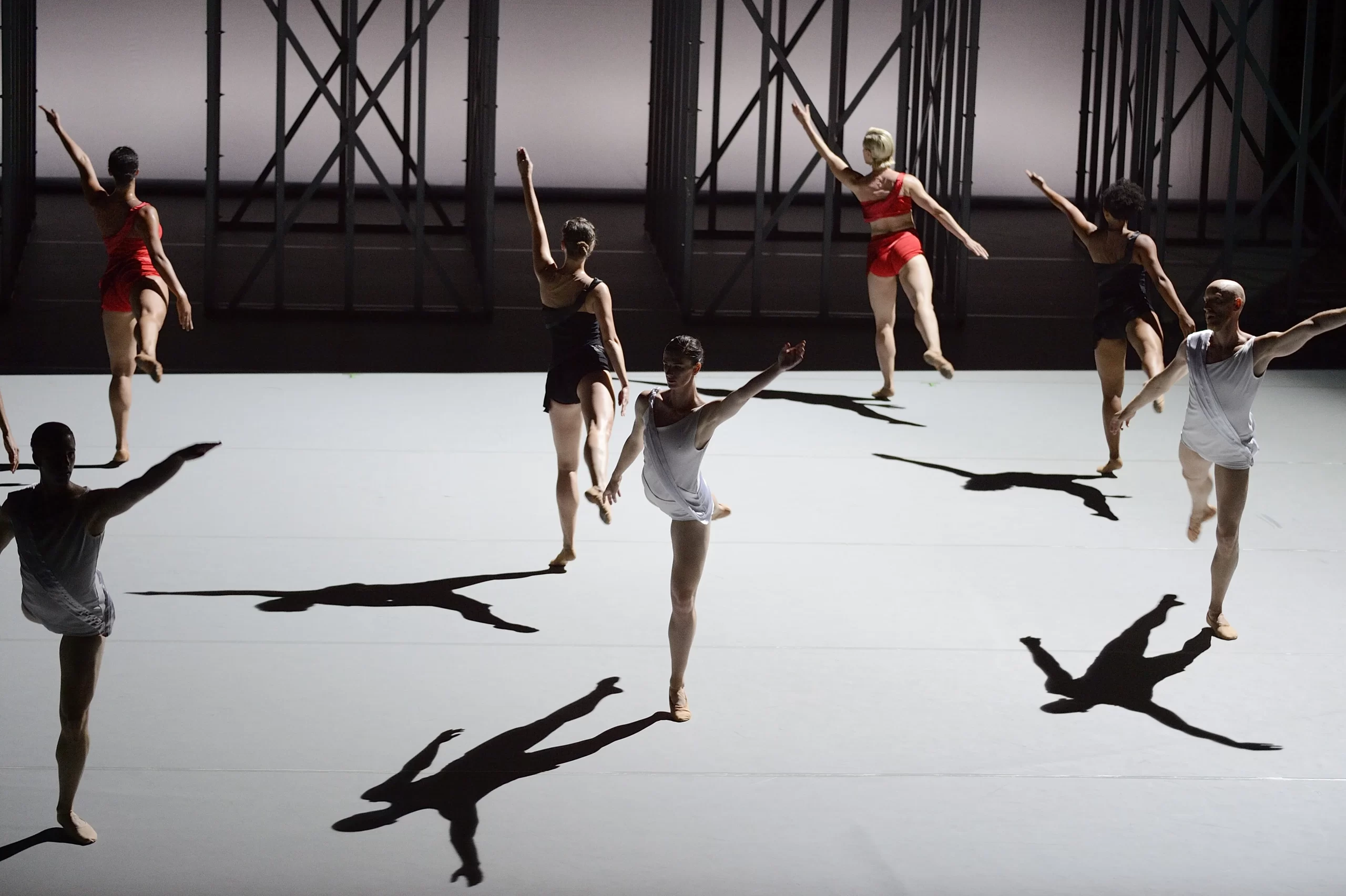
Moreover, it is worth mentioning institutions that commit to becoming “learning institutions”, such as Hebbel am Ufer, commonly referred to as HAU, an international theatre and performance centre. Recognising the ethical challenges inherent in cultural and artistic programs, HAU is working towards becoming an ecologically, socially, and economically sustainable, accessible, transparent, and responsible institution. Notable recent events hosted at HAU in the last years include the contemporary dance festival Tanz im August, the No Limits – Disability & Performing Arts Festivals, and “¡PROTAGONISTAS! Resistance • Feminisms • Revolution” – a festival on feminist movements. HAU strives to create a safe and inclusive environment for all participants, whether they are artists or audience members, regardless of their backgrounds.
Many cultural organisations and art universities in Berlin have also adopted their own codes of conduct. This demonstrates that the contemporary scene in Berlin is not all about experimentation, but also about a sense of accountability, respect for diversity, and a culture of feedback within a multifaceted society.
According to the Federal Government, the German Ministry of Culture and Media plans to use the funds primarily for ecology, sustainability, and culture of remembrance. This is reflected in recent programs, such as C/O Berlin’s exhibition “Image Ecology”, which explores the impact of technology and globalisation on climate; Tanz im August 2023 at HAU examined the intricate relationship between dance and ecology; or the festival “Time to Listen: The Ecological Crisis in Sound and Music” hosted by the Academy of Arts Hanseatenweg (Akademie der Künste Hanseatenweg). The discourse on ecology has been broadened over the years, becoming more and more interdisciplinary and intersectional. One could still remember Berlin Biennale 12 with its focus on the concept of “Healing”, addressing both post-colonial wounds and individual traumas. Or, in a wider context of health and health politics, a large-scale exhibition titled “On Caring, Repairing and Healing” took place at Gropius Bau after the Covid-19 pandemic, reimagining the human body as an ecosystem. In October 2023, the Academy of Arts Hanseatenweg presented “The Great Repair”, a project delving into the contradictions between growth and ecology based on architecture’s material culture.
After the pandemic, Berlin’s cultural and arts scene experienced a resurgence, thanks to sustained financial support from the government, non-governmental organisations, local funds, private individuals, and revenue from ticket sales and cultural products. However, the creative industry and cultural ecosystems remain susceptible to economic fluctuations, market demands, and gentrification. There are many cases where artists have breathed life into urban spaces for the communities, only for these spaces to be acquired by investors, ultimately displacing the very artists who fostered them.
With the growing emergence of self-organised collectives, activities like reading groups, film screenings, and discussions have evolved beyond traditional venues like galleries, institutions, and official organisations. As long as Berlin continues to embrace a diverse tapestry of coexisting cultures and histories, providing a haven for individuals to explore their own artistic languages; and as long as differences are appreciated in the face of global forces, Berlin will retain its charm, just as its famous slogan: “poor, but sexy”.
Words & Translation: Lưu Bích Ngọc