Greetings! Please share with our readers how the VAC came to be and the organisation’s current goals and objectives.
Sophie Huang (SH): VAC was founded by Mr Muchun Niu, an Asian American art collector whose passion for Vietnamese modern and contemporary art grew from his family’s tradition of collecting and his cross-cultural experiences. Officially established in Hanoi in early 2023, VAC is a non-profit, research-driven organisation dedicated to supporting, honouring, and showcasing Vietnamese art within a global context. Our “LAUNCH” programme is a key part of a broader initiative that also includes “ARTIFACT”, an archival research project, and a curated collection spanning from modern masters to emerging artists.
Muchun Niu (MN): VAC’s current goals focus on building a healthy and sustainable ecosystem where artists, curators, writers, and creatives can thrive. The “ARTIFACT” initiative plays a crucial role to amplify Vietnamese voices, preserve intangible heritages, and spark dialogues across borders and generations. As part of this, we launched the “ARTIFACT” Journal – a biannual print publication in Vietnamese, English, and Chinese, brought to life by Vietnamese creators and their global circles. The inaugural issue debuted at the Venice Biennale of Architecture in 2025, and Issue #2, themed “Migration, Fluidity, Resilience,” will be launched at West Bund Shanghai in November 2025. Simultaneously, “LAUNCH” also supports emerging artists through residencies and programming, while the collection itself bridges historical and contemporary art. Together, these efforts aim to position Vietnamese art prominently on the global stage, fostering greater recognition and dialogue.
Let’s talk about VAC’s “LAUNCH” residency programme. Your selections span fine arts, visual arts, to performance art. How does this program differ from other artist residencies or workshop programmes in Vietnam?
MN: We prioritise works that create unique artistic languages and microcosms, possessing the potential for meaningful cultural impact, and contributing to the ongoing development of Vietnamese art. Projects that align with our mission to amplify Vietnamese voices globally and foster community engagement are especially valued.
Unlike many traditional residencies, “LAUNCH” offers a multifaceted platform that integrates residencies with exhibitions, workshops, talks, screenings, and fellowships. This creates a collaborative and interdisciplinary environment where artists can experiment freely, engage in meaningful dialogue, and connect with both local and international communities.
SH: VAC is uniquely positioned to support artists by providing a research-driven, community-oriented platform that encourages both experimentation and collaboration. Our residencies offer artists not only dedicated time and space to develop their works, but also opportunities to engage with peers, curators, and the public through exhibitions, talks, and workshops. Moreover, VAC’s commitment to long-term relationships allows us to support artists across different stages of their careers, collecting works that document their evolving practices.
Could you share a memory or idea(s) that the curatorial team exchanged with artists that had helped them significantly in their creative process or in the final presentation of their works?
SH: Our approach is fundamentally about organic, ongoing dialogues. We prioritise close, informal conversations where artists can seek feedback whenever they feel the need. It’s not about structured, predetermined critiques, but rather creating a supportive environment where ideas can naturally evolve and develop. We believe the process itself is equally important as the final outcome.
A prime example is Mai Ta‘s project: she didn’t simply invite collaborators like Nhi Le, Mr.Bambii, and Lien Pham but approached the entire project curatorially. Notably, she incorporated Lien Pham’s work into the exhibition because their conceptual frameworks were deeply interconnected, treating the exhibition as a holistic artistic statement.
Our curatorial team emphasises on letting artists take the lead in their creative journey. We’re here to support, not to direct. The artists we’ve worked with so far have been wonderfully open to exchanging ideas, welcoming suggestions while maintaining the autonomy to decide what resonates with their vision.
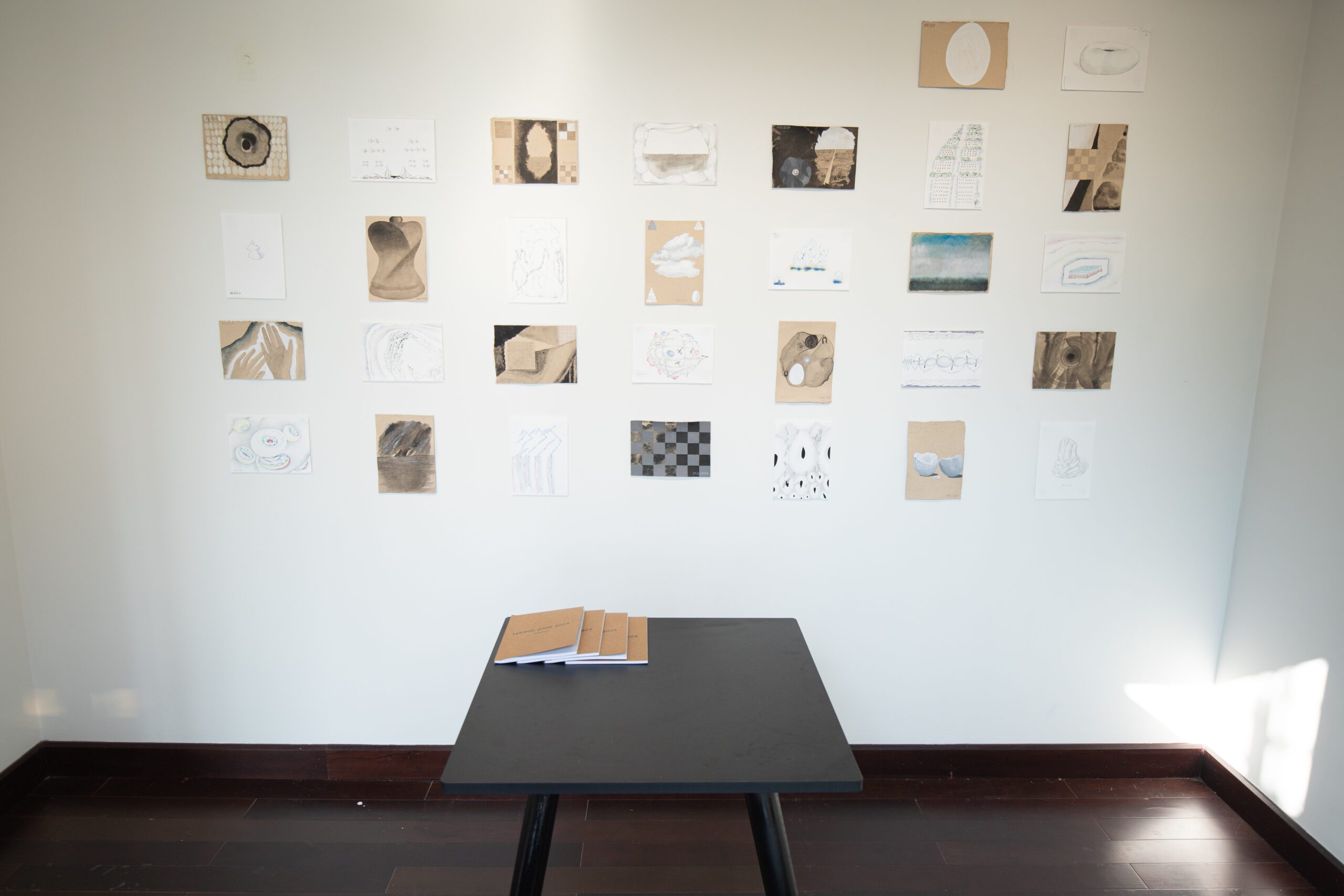
I was particularly impressed with VAC’s inaugural residency, featuring Trinh Cam Nhi and guest Ha Ninh Pham. The final exhibition showcased 30 paintings and two journals documenting the artists’ daily responses to each other over 30 consecutive days. When VAC experiments with the model of a resident artist working alongside a guest artist, what are some of the most significant outcomes or achievements emerging from this process?
MN: Our collaborative model is intentionally flexible and artist-driven. Artists have the freedom to invite guest artists, who may or may not stay on-site but can actively engage in the creative process, work alongside the resident artist, and propose projects that meaningfully intersect with the primary artist’s work.
The inaugural residency featuring Trinh Cam Nhi and Ha Ninh Pham demonstrated how collaboration can deepen artistic practice and generate dynamic, layered works. They had long shared a creative concept but never found the right opportunity until a conversation with Sophie when Nhi brought up their idea, and Ha Ninh recognised that it was the perfect moment to bring their collaborative vision to life. This demonstrates how our approach prioritises artists’ readiness and mutual creative alignment.
VAC has also supported independent projects by researchers such as Do Tuong Linh and Mai Hung Trung. How does the communication process between VAC and these art practitioners unfold?
SH: Communication with curators and creative partners such as Do Tuong Linh and architect Trung Mai is grounded in mutual respect, shared visions, and ongoing dialogues. VAC values these collaborations as essential to nurturing and sustaining the Vietnamese art ecosystem. We believe that building a collection is not merely about acquiring artworks but rather engaging deeply with the community and contributing to a healthy, supportive ecosystem where artists, curators, writers, and creatives can grow and thrive together.
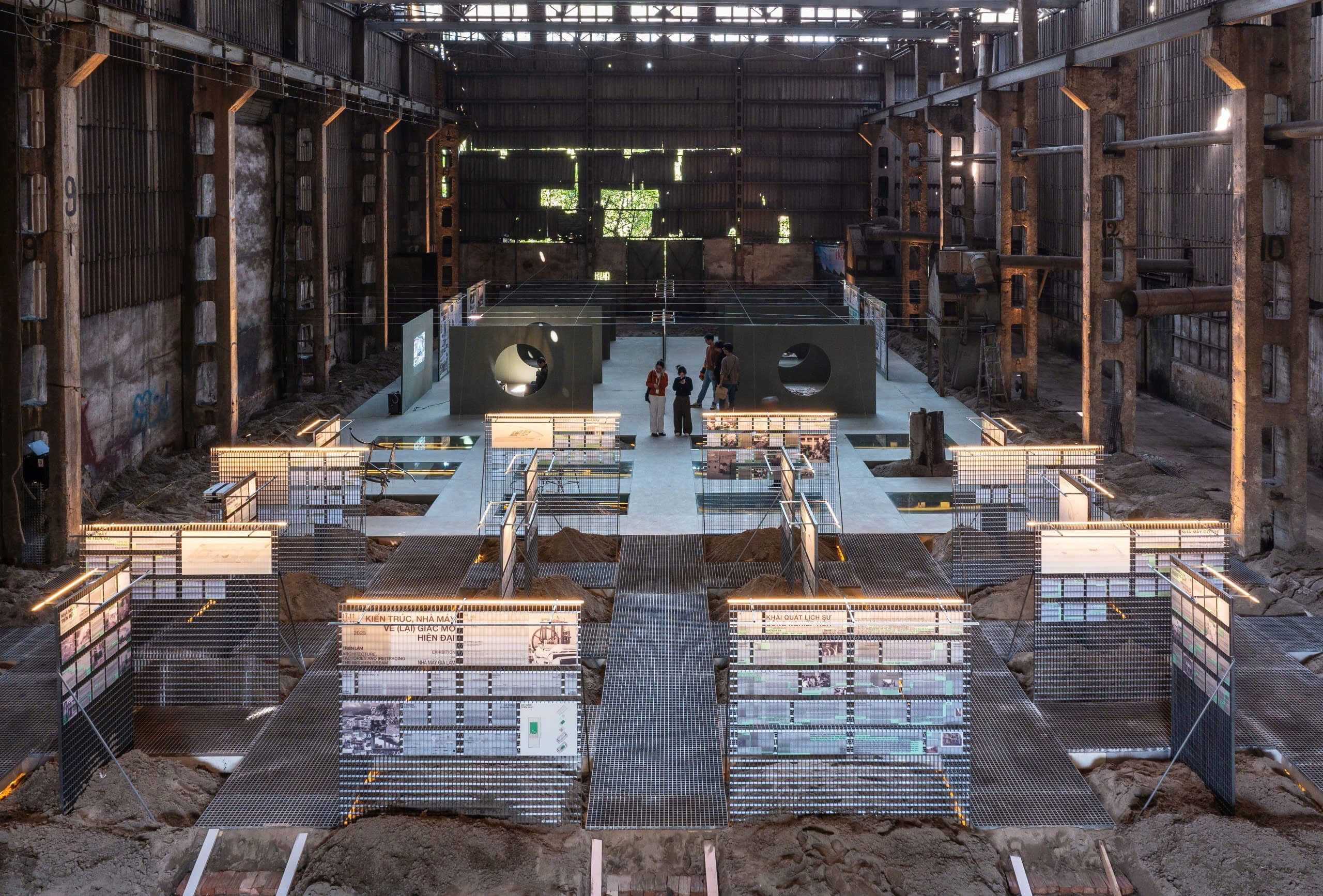
During the Hanoi Creative Design Festival in 2023, we collaborated with architect Trung Mai for the project “Hanoi Adhoc: Grid” at the former Gia Lam train factory. This project emerged from a shared philosophical approach to research and cultural preservation. At the time, we recognised a profound synergy with Hanoi Adhoc‘s work, particularly in exploring the intersections of art and architecture.
The Gia Lam train factory became a living artifact – a space that defies traditional museum conventions. Unlike typical historical landmarks, this was a functioning industrial space with layers of historical and contemporary significance. We saw an opportunity to create an archive-based exhibition that would allow visitors to engage with research materials while simultaneously experiencing the factory’s living, breathing environment. The project exemplified our belief that artifacts are not static objects but dynamic spaces of memory, functions, and ongoing cultural dialogues.
In addition to site-specific projects like this, we have designed the Fellowship initiative to create opportunities for artists and curators from diverse regions to expand research, discourse, and cross-cultural understanding. The core of our approach is simple: we believe Vietnamese art deserves robust, thoughtful representation on the global stage. By supporting curators conducting research in Vietnam and developing overseas exhibitions, we’re actively contributing to a more dynamic, globally connected artistic discourse.
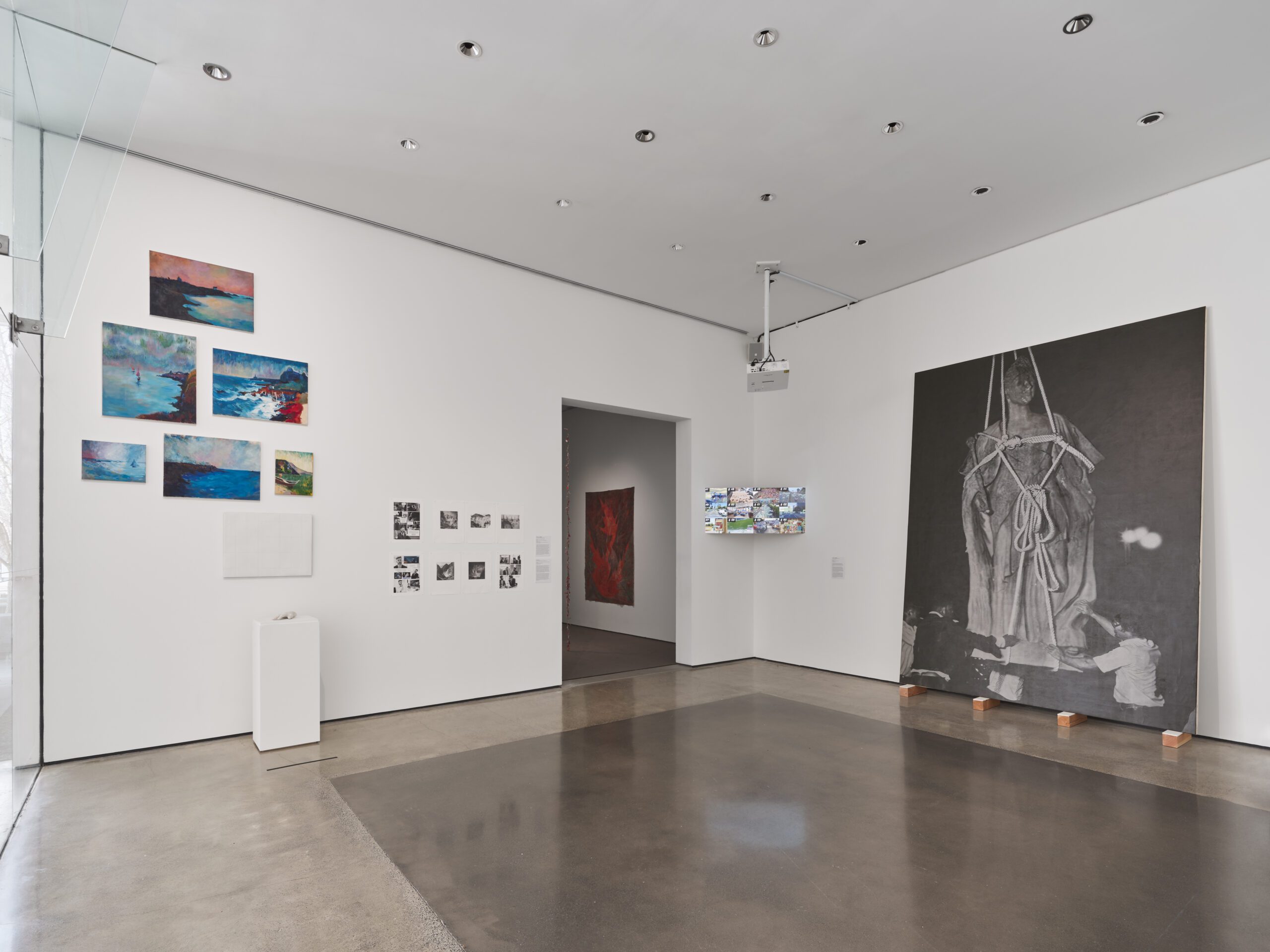
Do Tuong Linh’s curatorial projects exemplify this approach nicely. Her work focuses on providing critical exposure for Vietnamese artists on the international stage, particularly in New York. We have had the opportunity to support her research work and offer a platform that aligns with her curatorial vision through the “Seven up Three down” exhibition at Hessel Museum of Art, Bard College, Annandale-on-Hudson, New York. Our support for curators like Tuong Linh goes beyond a single project. We consider their broader curatorial history, professional trajectory, and potential to create nuanced, contextual presentations of Vietnamese art. This isn’t just about creating exhibitions, but about developing meaningful cultural exchanges and providing visibility for Vietnamese artistic practices in a global context.
Collaboration usually goes both ways. Curators and researchers like Tuong Linh and Trung Mai have provided us with tremendous help. I, myself, and the whole team have always been very grateful for their support along the way.
From before your official launch till now, what observations has VAC made about the Vietnamese art scene, and what are your future plans for branches in Shanghai and New York?
SH: Through extensive studio visits, interviews, and research, we’ve observed a vibrant and dynamic Vietnamese art scene, rich with creative energy and young artists eager to innovate while deeply engaging with their cultural heritage and global contemporary practices. We see immense potential for further growth and connections, particularly in fostering more structured support systems and expanding platforms for cross-regional and international exchanges, as well as enhancing accessible documentation and critical discourse.
MN: For now, VAC Shanghai and New York have been serving as liaison offices to facilitate cross-cultural exchanges and expand the reach of Vietnamese art. These branches will help connect Vietnamese artists with global audiences, markets, and institutions, fostering dialogue and collaboration from Vietnam and beyond. Through these initiatives, VAC aims to contribute to building a global platform for Vietnamese modern and contemporary art. We are currently working on a new series of programmes to kick off in North America in 2026. Stay tuned for our future announcements for more details!
Thank you very much and we look forward to your future projects!
Words: Trao.