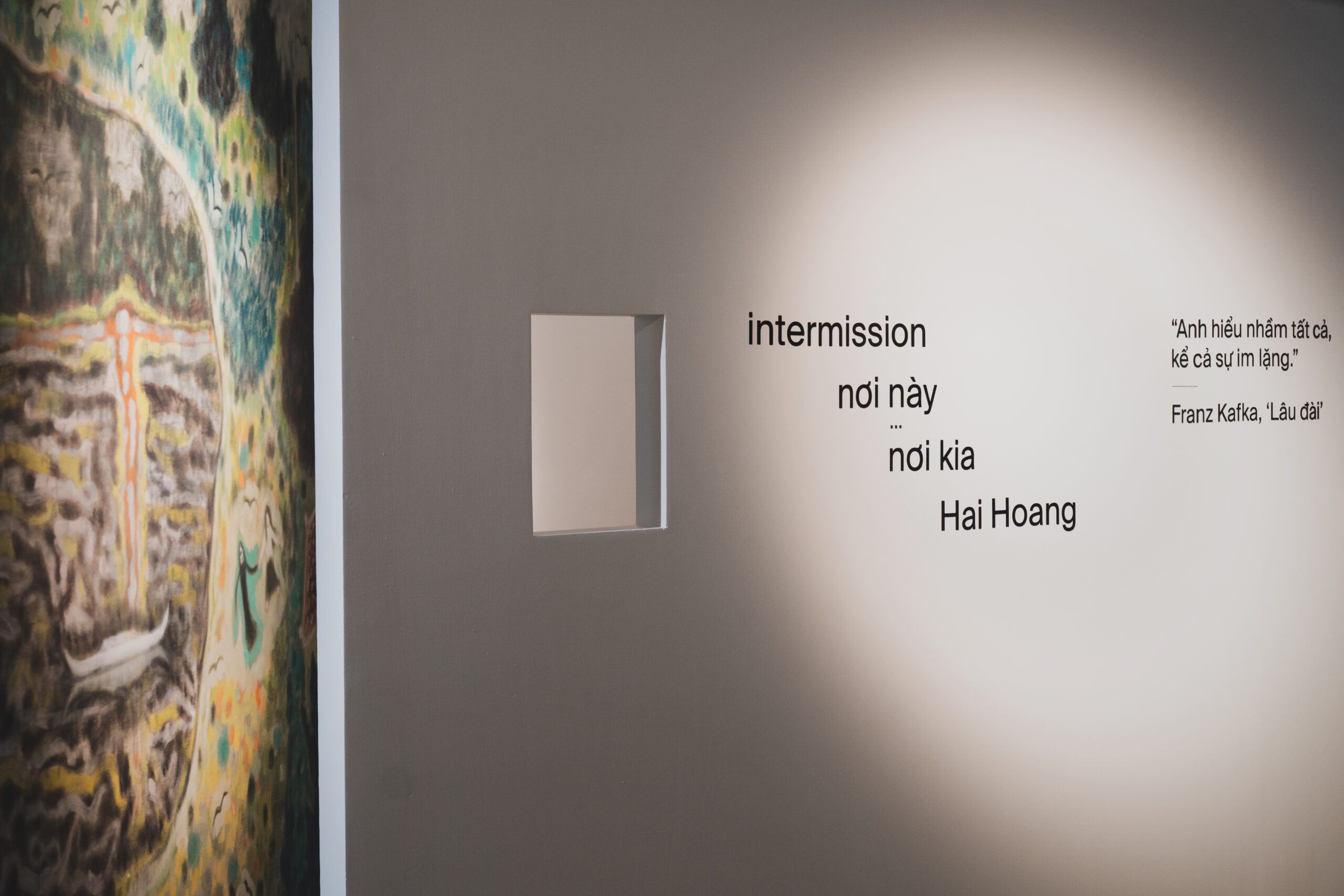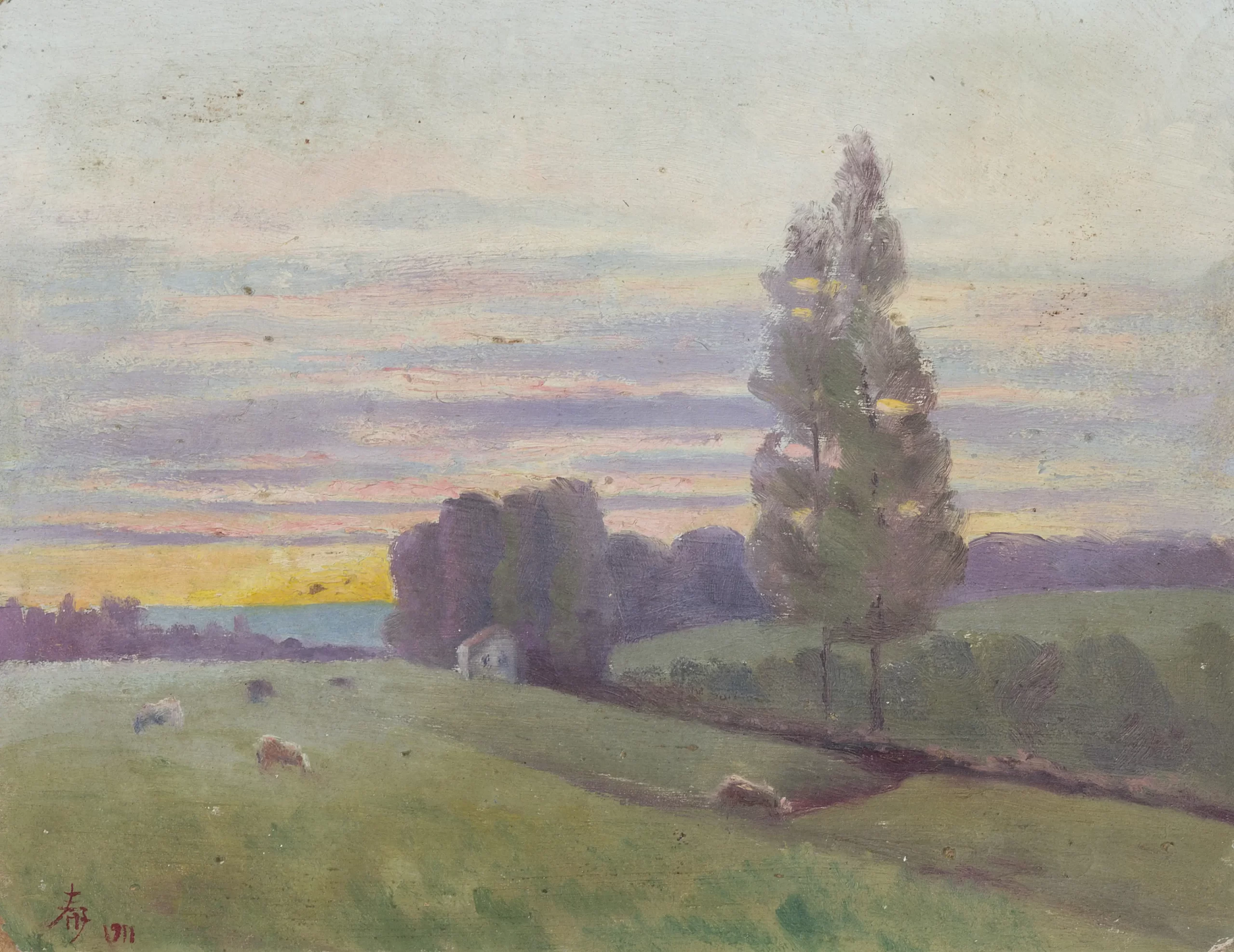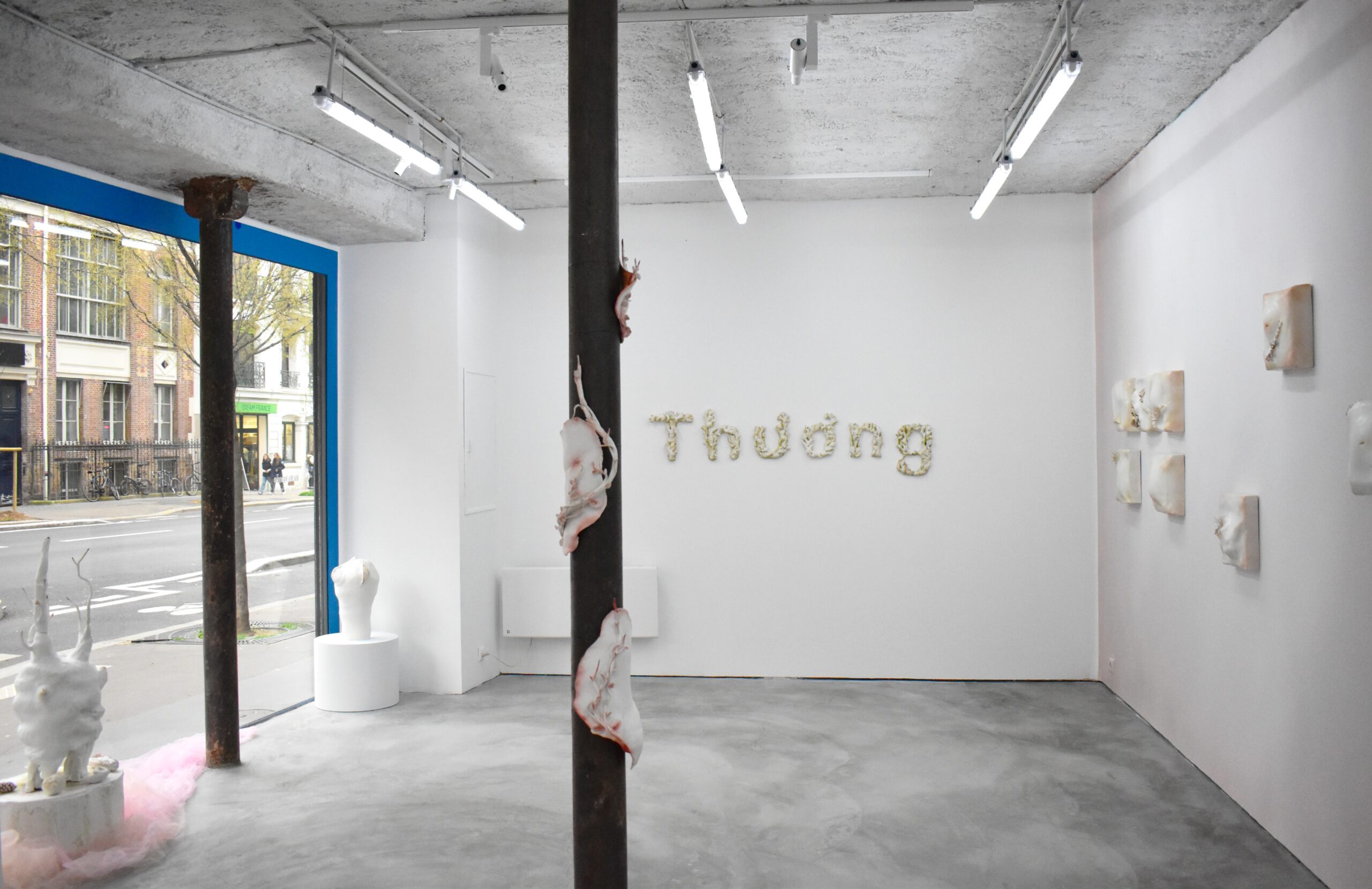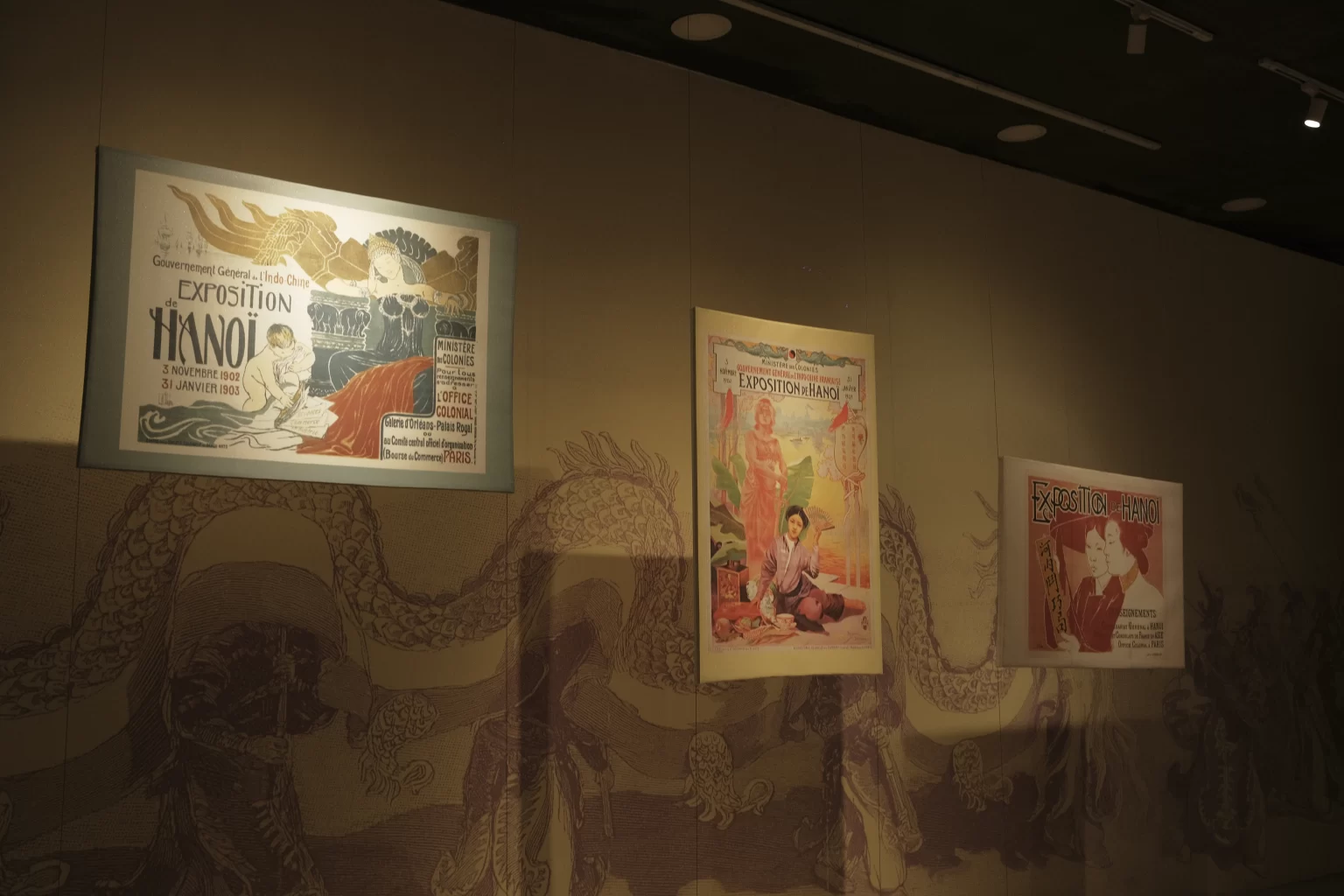
Recreating the atmosphere of both domestic and international expositions, the exhibition “Fairs and exhibitions – Indochina at its best” evokes a significant part of the collective memory of Indochina. With a coherent layout divided into two sections: the expositions in Hanoi, and international ones involving Indochina. The exhibition hall was modelled after the Annam sections in such expositions, displaying a large collection of rare documents and images.
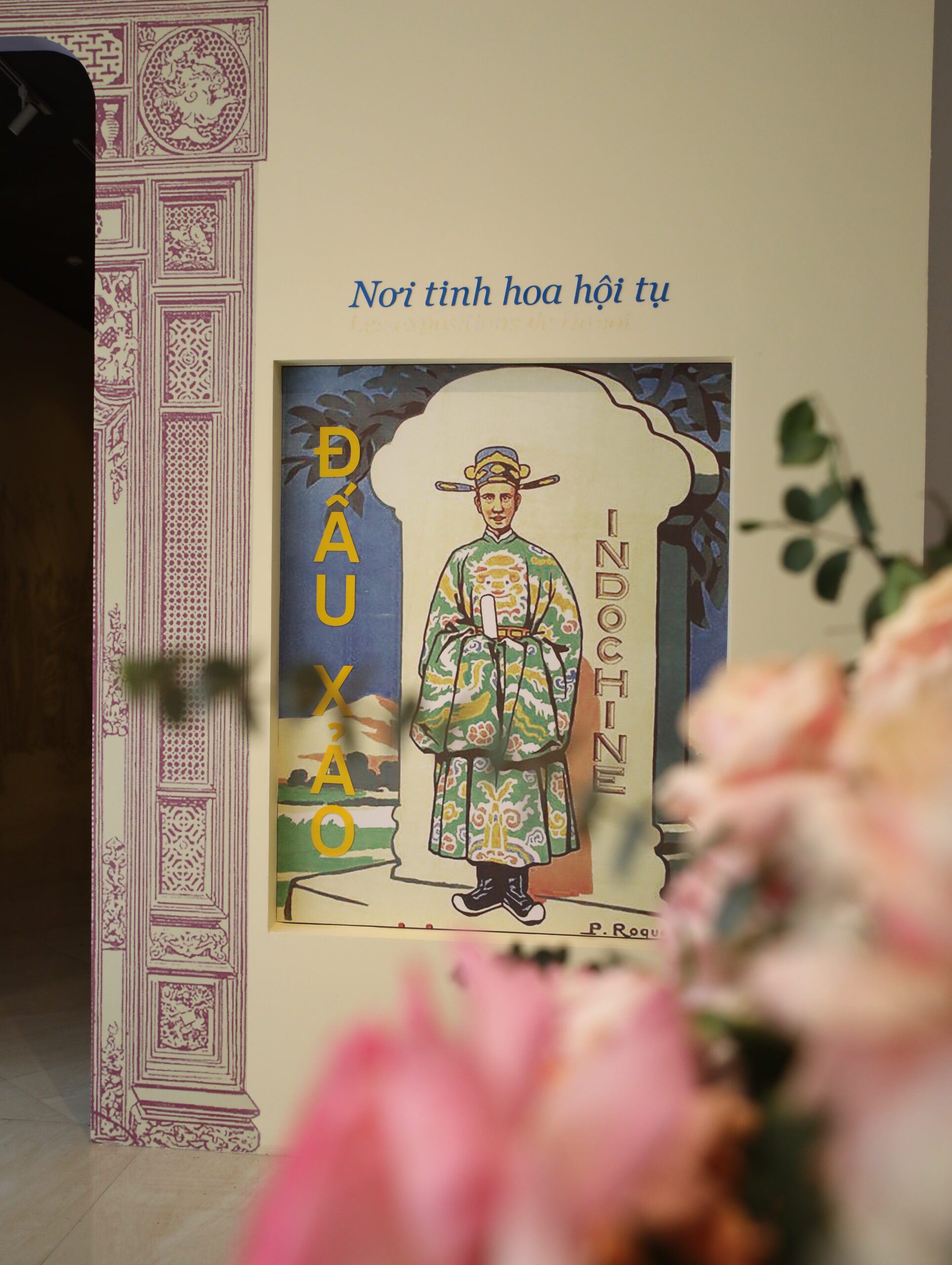
A competition of skills and sophistication
The term “đấu xảo”, in Sino-Vietnamese, refers to a competition of skills and sophistication. The term was invented to denote fairs and exhibitions organised to display and promote artworks and products. These events provided market opportunities, stimulated trade, and contributed to economic development at various scales. Worldwide, expositions have existed for a long time in a myriad of forms.
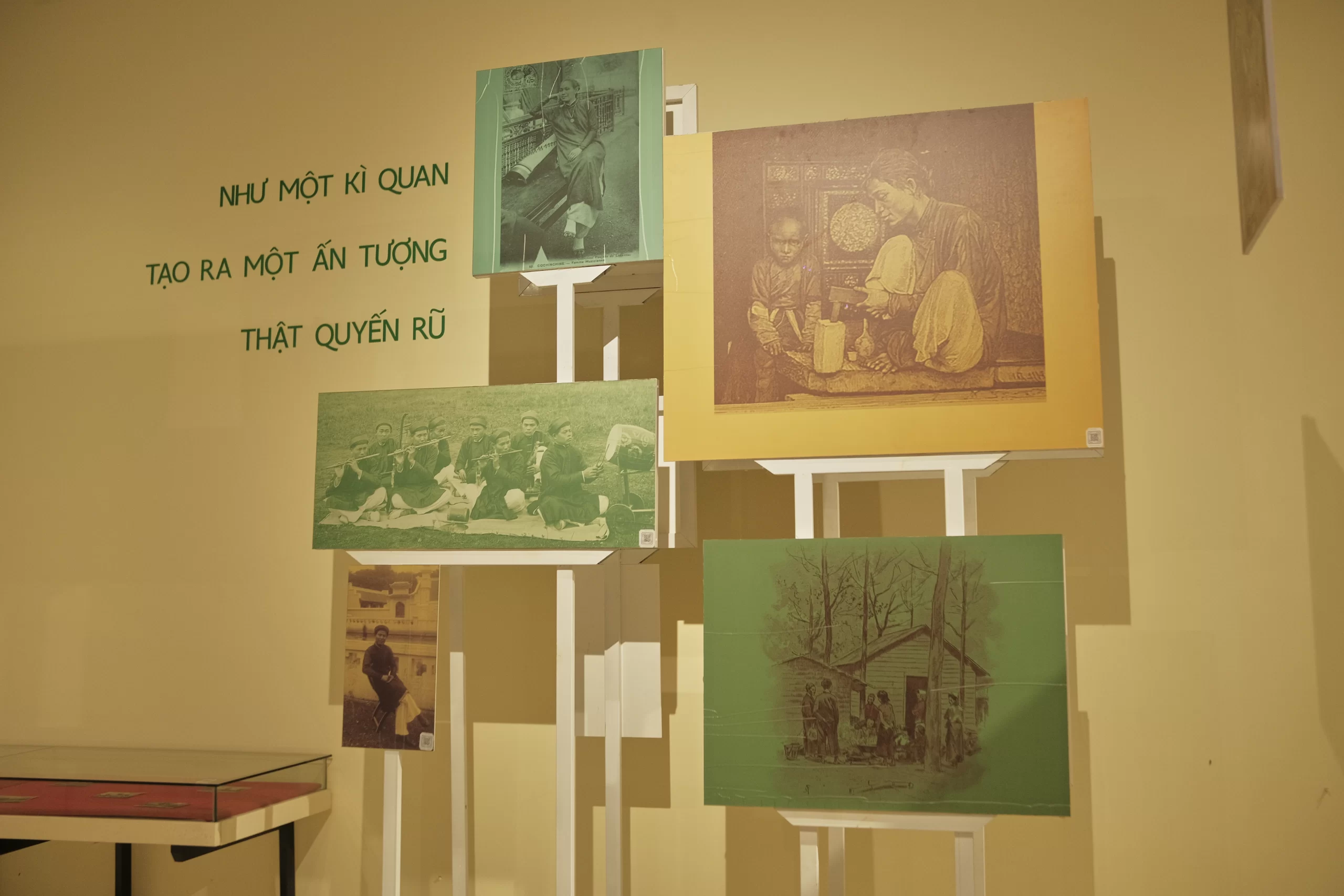
In Vietnam, domestic expositions were held to primarily showcase and exchange goods. During the French colonial period, these activities frequently took place in Hanoi, Saigon, and several other provinces. With the Industrial Revolution in Europe in the late nineteenth century, international expositions flourished. Many colonial or international expositions were held in major cities in France, Belgium, and the United States, with the participation of the Union of Indochina, including Vietnam. These were opportunities for Vietnam to showcase its best achievements in diverse fields to the world.
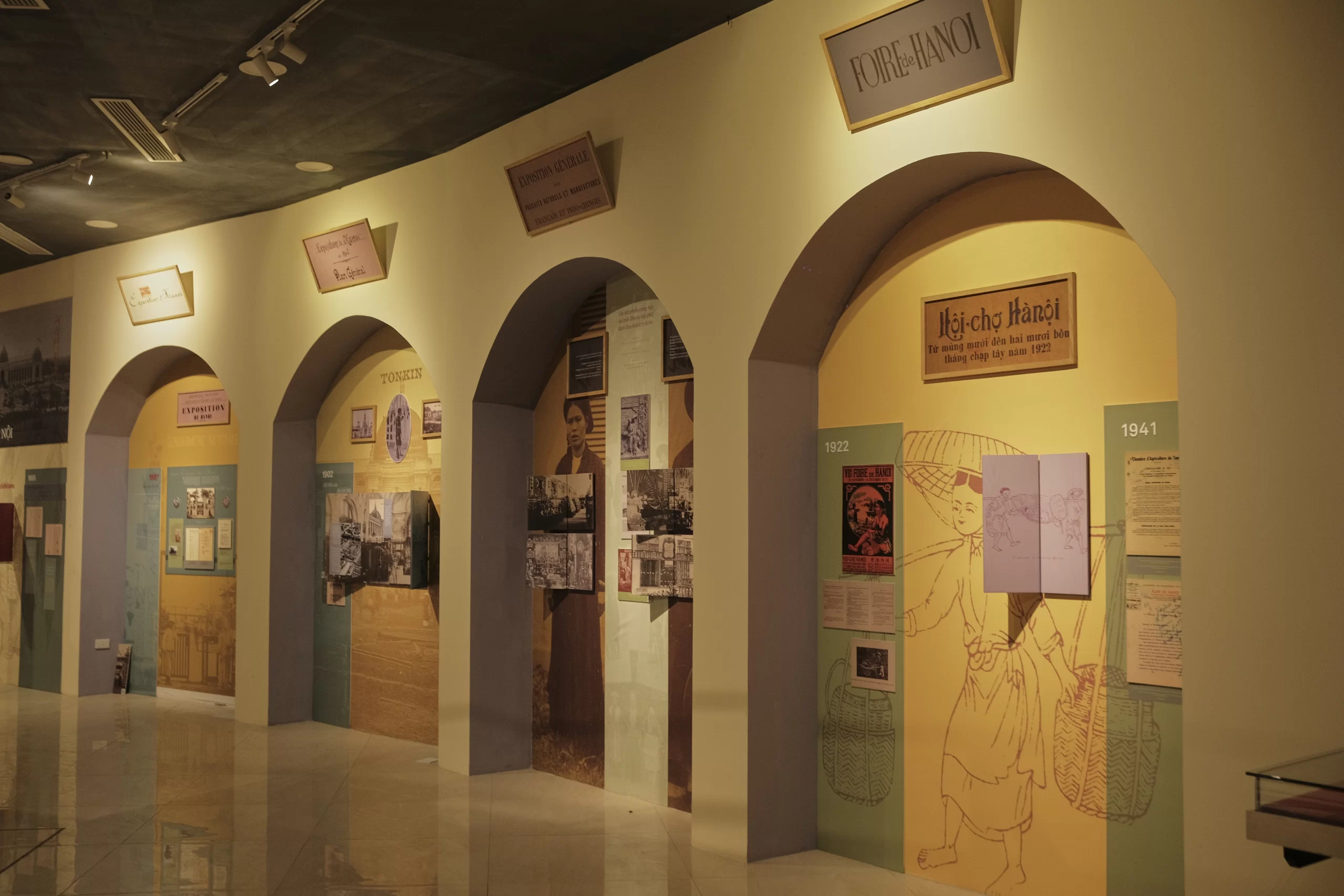
Expositions in Hanoi
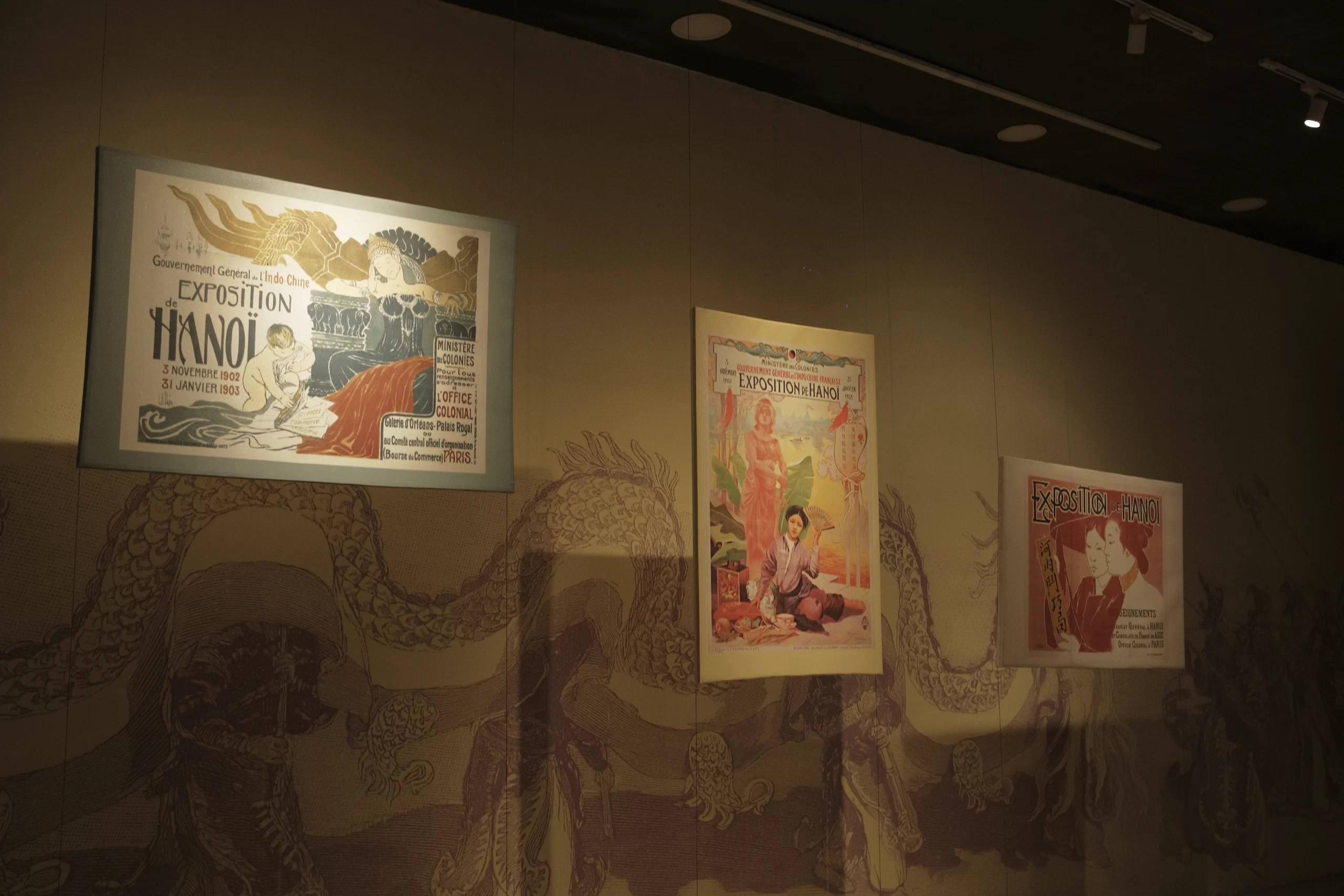
Since the late nineteenth century, Indochine expositions were primarily held in Hanoi and Saigon. Notably, in the nineteenth year of Emperor Tu Duc’s reign (1865), Gia Dinh exposition was the first large-scale event held in Cochinchina during the French colonial period. In 1887, under Resident General of Tonkin Paul Bert, the first major exposition was held at the former site of the Huong (Provincial) examinations in Hanoi. On 5 May 1899, Governor General Doumer decided to open an exposition on 1 December 1901 to showcase the colonial developments and achievements in commerce, industry, architecture and construction. Additionally, it also aimed to promote Indochina’s resources and geopolitical position to foster beneficial relations between French manufacturers and consumers in the Far East. However, the event was postponed to 3 November 1902, as the Grand Palais was not completed by the end of 1901.
Hanoi Grand Palais, inaugurated in 1902 at the intersection of Quan Su and Tran Hung Dao streets in Hoan Kiem district, became the regular venue for Indochinese colonial exhibitions. This grand and magnificent architectural structure, with its vast space, could accommodate thousands of people and was a testament to the progress of the colonial nations across industry, agriculture, culture, and art. There, a series of Hanoi expositions would take place, becoming a significant international industrial platform to introduce products from France, the French colonies and some Asian countries. Such events enabled Vietnamese producers to introduce and promote their products, and develop trade relations while continuously affirming the uniqueness and excellence in their craft.
This section also provided an interactive setup to introduce documents and images from several important expositions held in Hanoi such as the “Application to participate in Hanoi fair”, “The division of industries at the annual fair”, newspapers, posters, participation certificates, as well as images of architectural works, products, scenes of people “from distant rural areas coming to see the fair” or “bringing tin toys to sell at the fair”, etc.
Indochina in international expositions
In the second section, viewers could learn about notable colonial and world expositions in which Indochina participated, such as those in Marseille, Lyon, and Paris (France), San Francisco and New York (USA), or Brussels and Liège (Belgium) along a chronological timeline. Among them, special attention was given to the Paris exposition, where Vietnamese products were first exhibited and attracted significant interests from the Western public.
Specifically, at the 1878 world exposition held for the third time in Paris, some products from Cochinchina won medals and were praised by the French President, the Minister of Water Resources, the Minister of Agriculture, the Minister of Commerce, and the envoys from various countries. Visitors were also drawn to many Vietnamese goods and images showcased in various forms.
Among the expositions in which Vietnam participated at that time, the 1931 Colonial Exhibition stood out for its diverse and extensive portrayal of Indochina’s images, potential, and products. The image of Indochina drew visitors’ attention because of the distinct architecture of each location. Aside from Cambodia’s spectacular Angkor Wat temple, the audience was particularly interested in the architectural works representing Vietnam’s three regions of Tonkin, Annam, and Cochinchina.
Overall, the archival display “Fairs and exhibitions – Indochina at its best” on the one hand provided a rich repository of documentation regarding important expositions in Vietnam and abroad for the public to explore the heritage of societal memory. On the other hand, it served as an opportunity to appreciate the commercial and design excellence that many generations of Vietnamese have preserved and developed continuously.
Words & Translation: Tâm Phạm