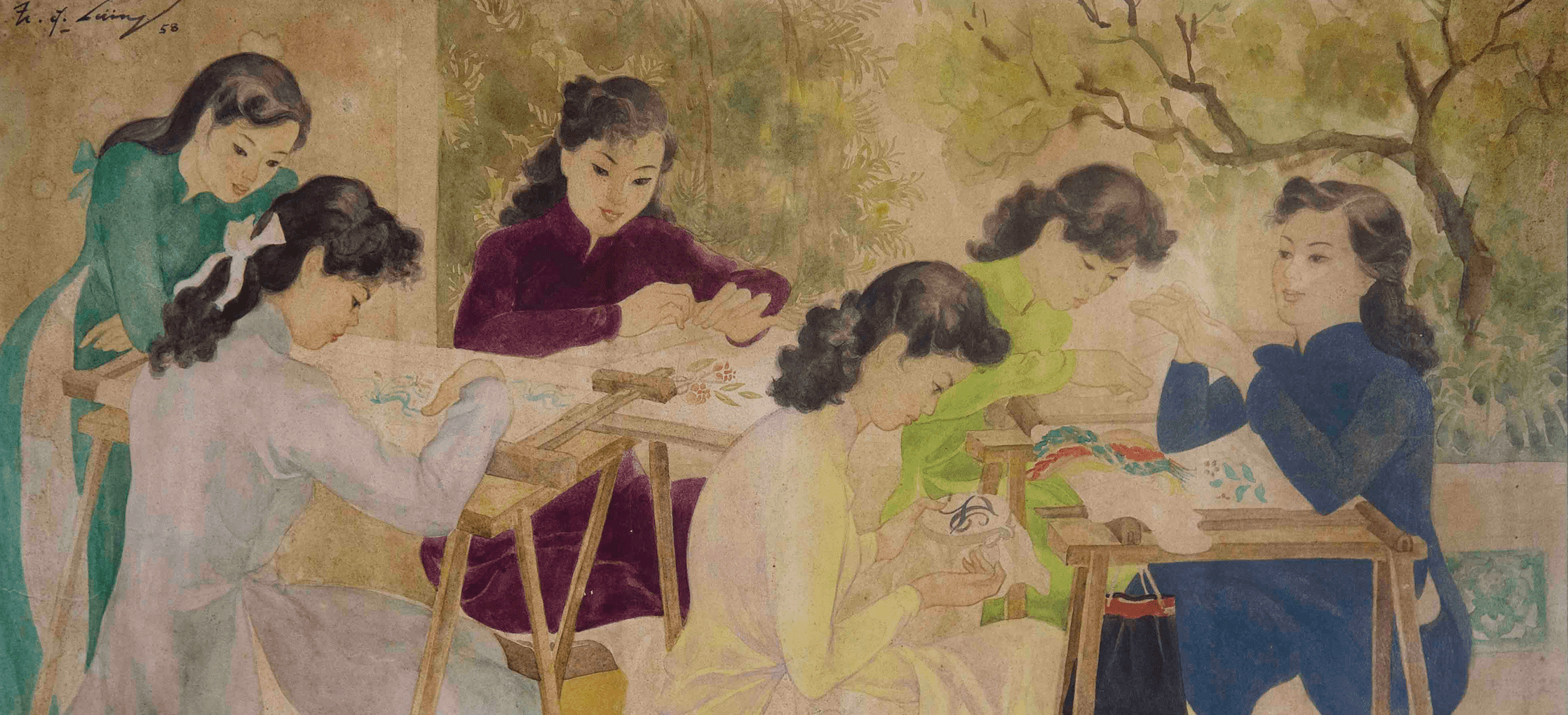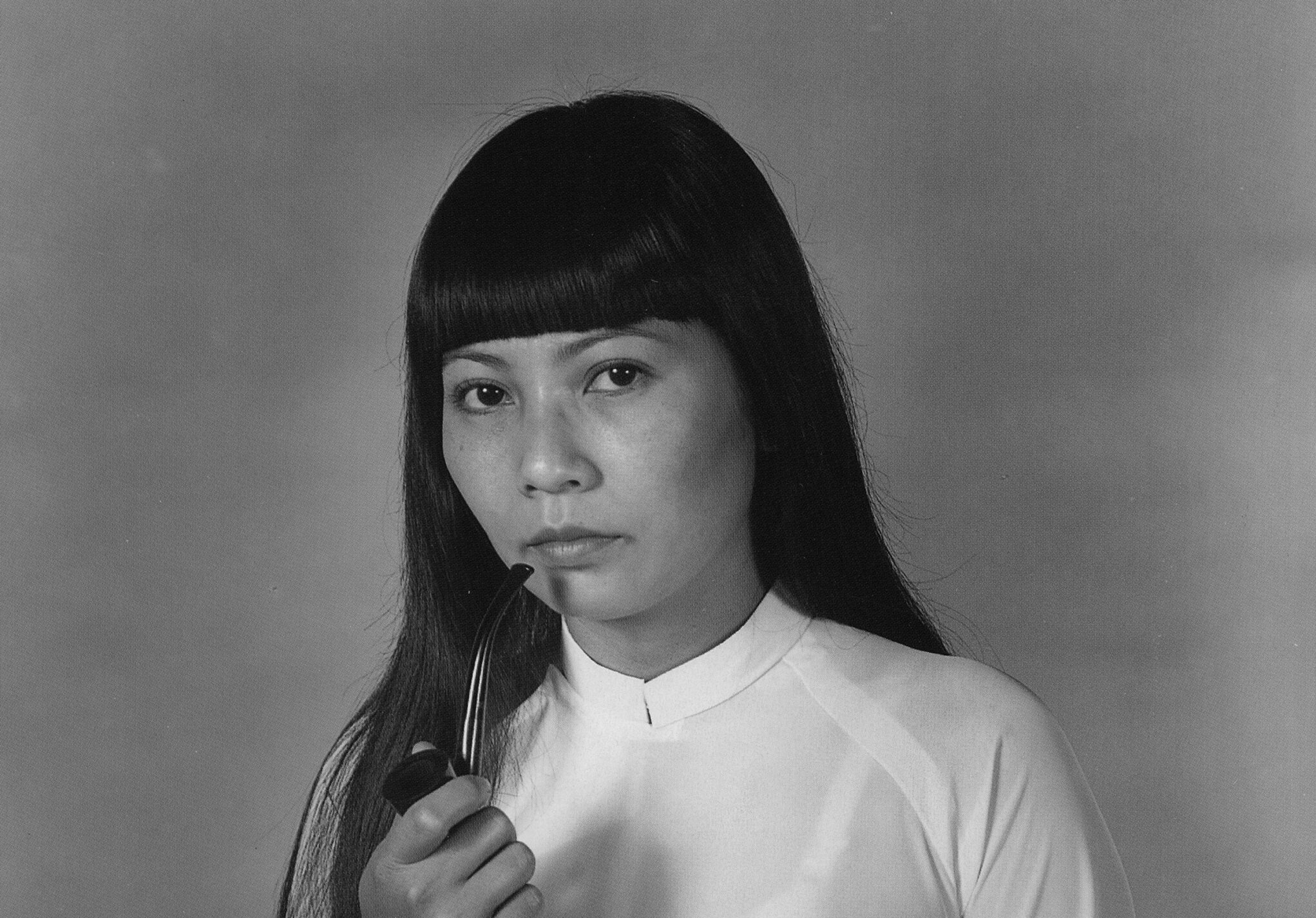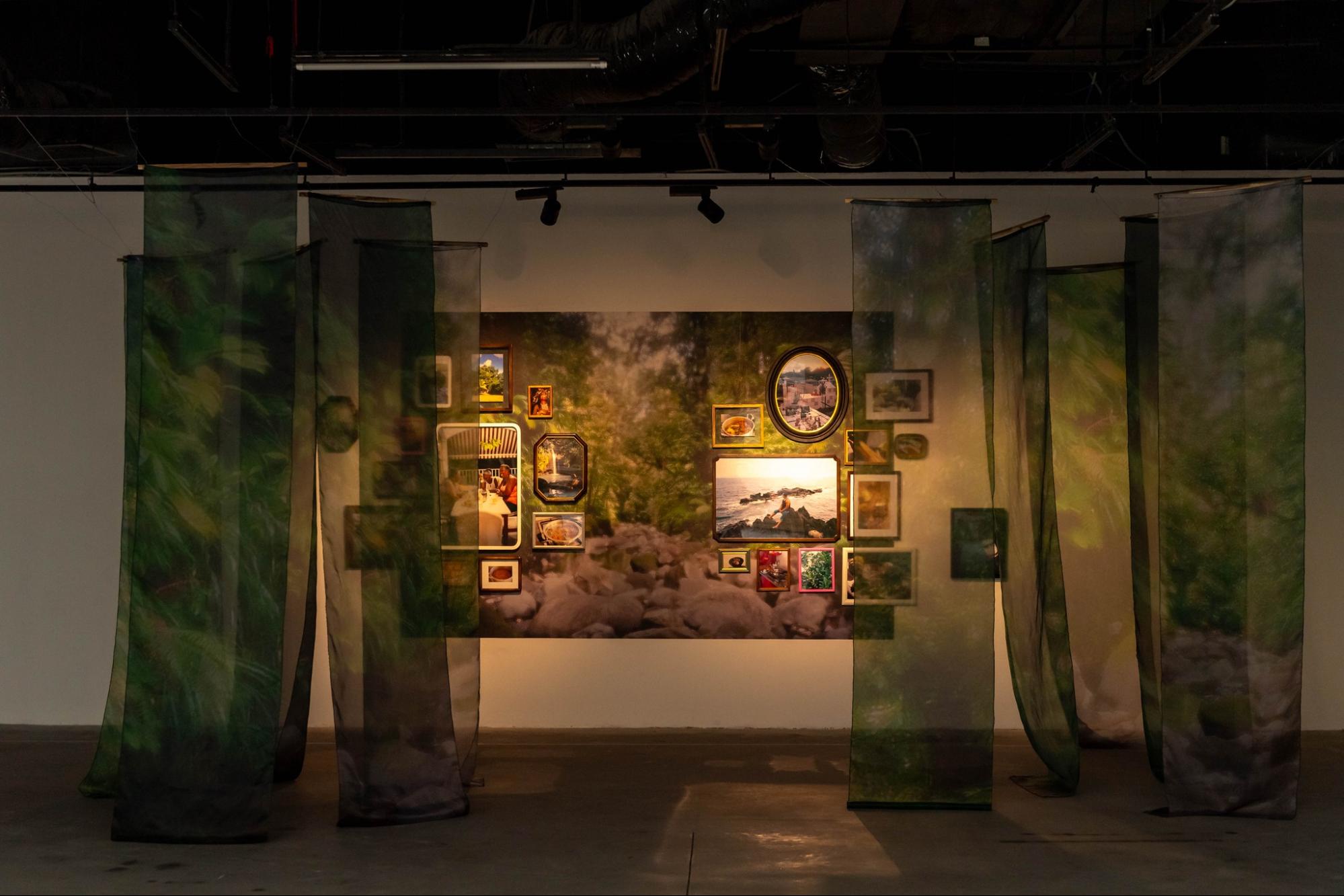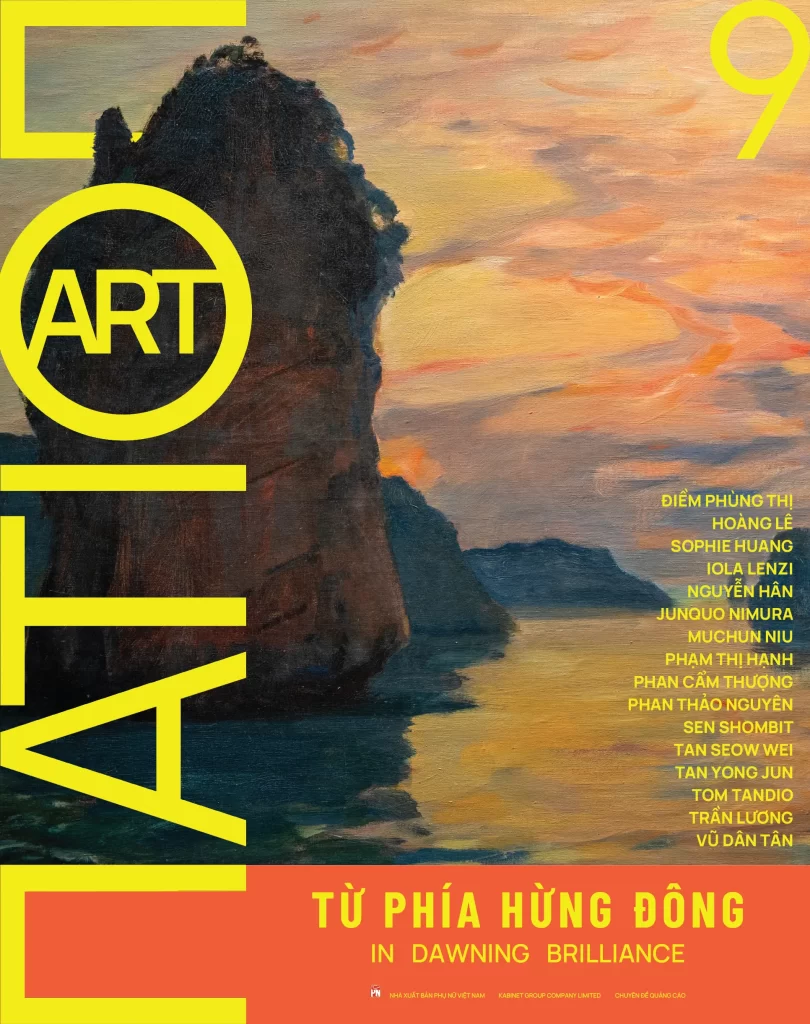
Formed at the same time as the establishment of the École des Beaux-arts de l’Indochine (1924), Vietnam modern art has unfolded over nearly 100 years through historical ups and downs, through severe wars, amidst cultural transformations, and within the shifts of aesthetic and artistic perceptions. To script its chapters and move towards integration with human civilisation, Vietnam’s modern art has gone through periods of effort, navigated twists and turns in aesthetic responses.
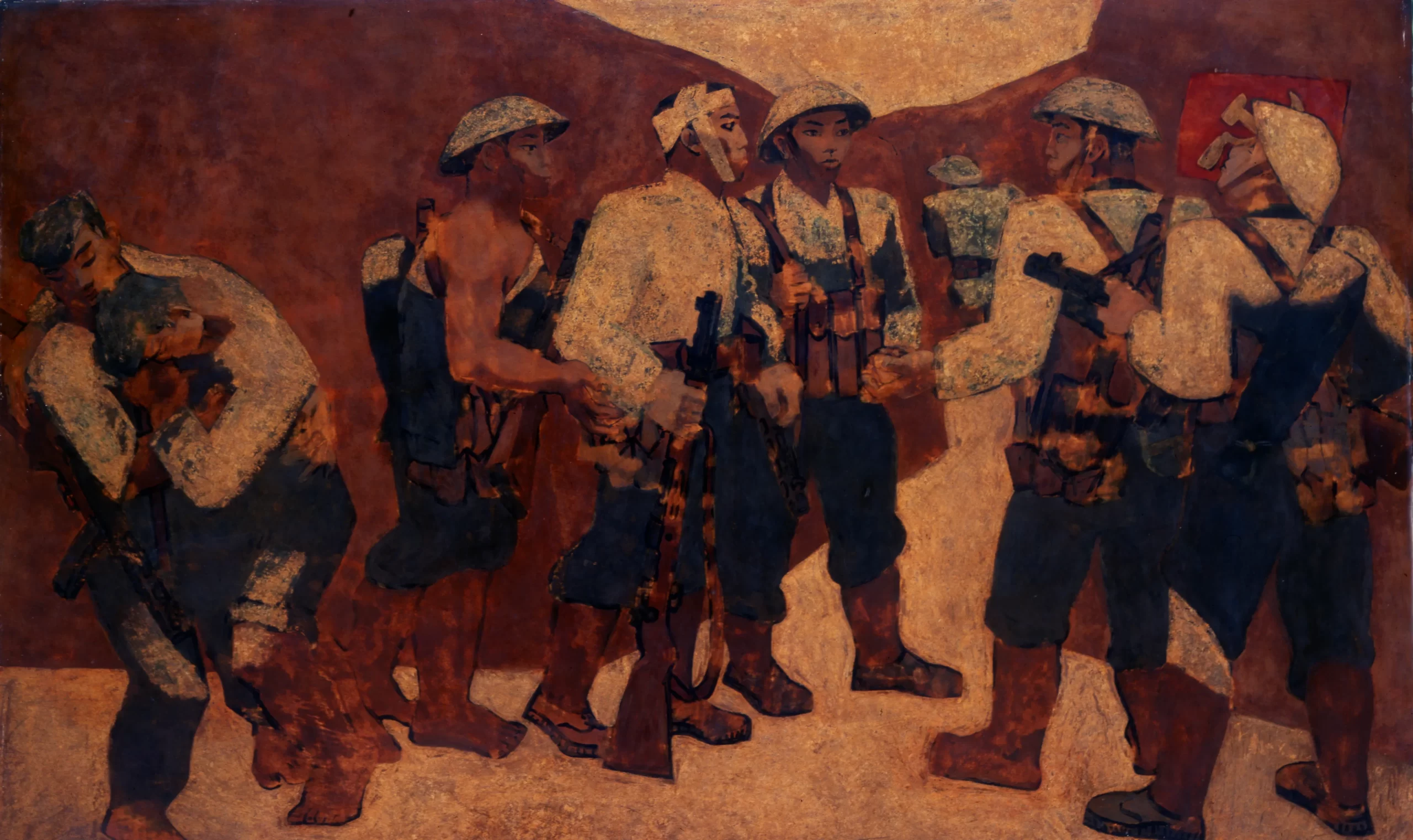
Many generations of artists have contributed to the collective accomplishment of Vietnam’s modern art. It started with the first generation who, since their college days, had initiated an early breakthrough in lacquer painting, thereby laying the foundation for modern art by marking the initial pivotal moment for Vietnamese art to reconnect with its aesthetic roots. Historical records have also recognised other pioneer artists in exploring modern painting techniques inspired by Fauvism, Cubism, and Expressionism. Such endeavors revealed their intellectual capacity, creative desires as well as concerns about the destiny of the nation’s art landscape. Their determination formed a legacy, an undercurrent ready to be carried forward by its succession.
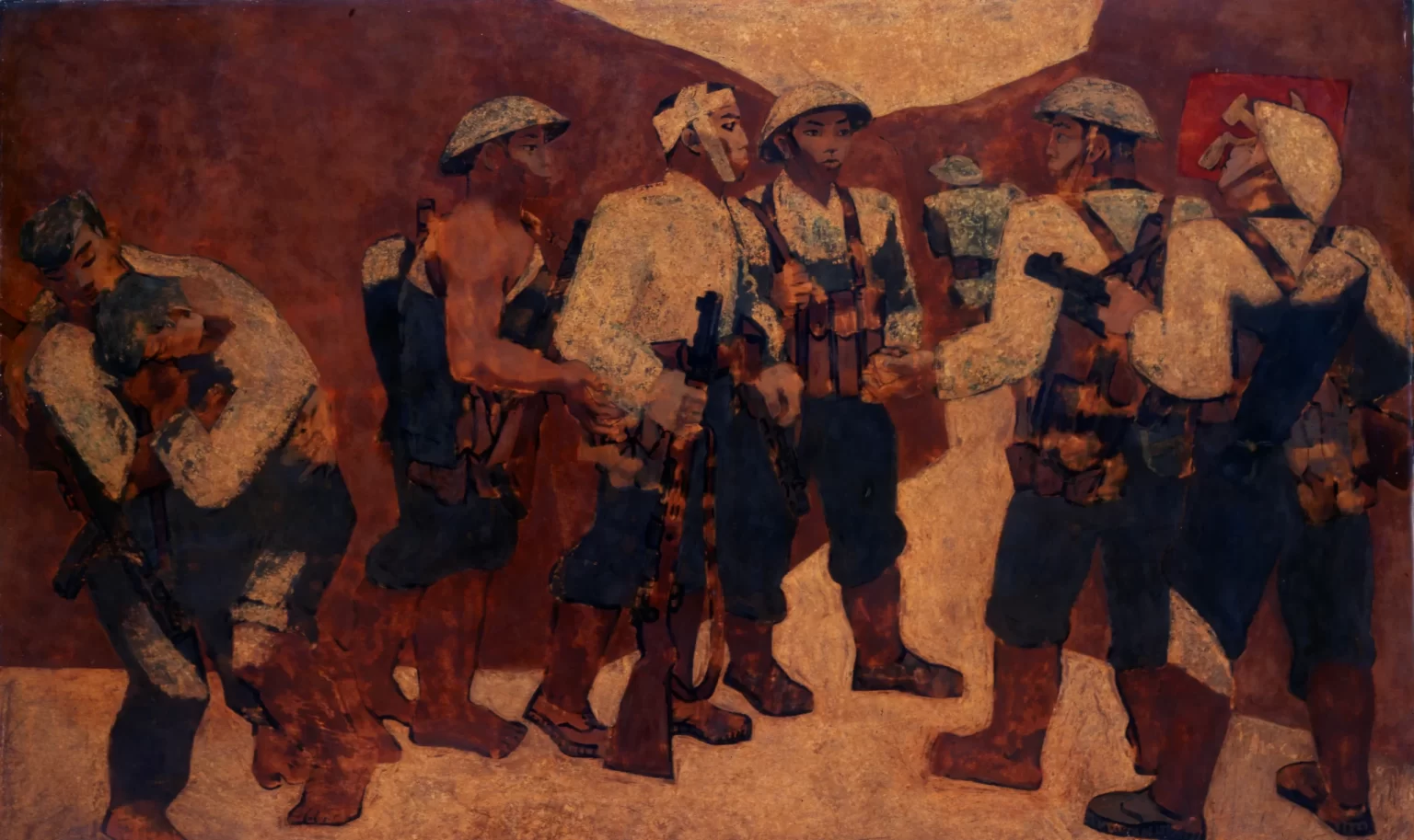
Accompanying the 20th century of art, painter Nguyen Sang (1923–1988) and his contemporaries made significant contributions at pivotal turning points. Members of the last cohort (1940–1945) of the École des Beaux-arts de l’Indochine, they also belonged to the first generation of Revolutionary Artists of the Democratic Republic of Vietnam. As citizens-artists-soldiers, they directly participated in the resistance war, and dedicated themselves to the revolution and the art, carrying the great historical mission. Amidst the challenging circumstances of the war, the artists still managed to create works of art that were both propagandistic and profoundly humane. Their precious notes and documents accumulated through their resistance journey became the most valuable resources for their excellent creations during the two decades later, after the reunification of Vietnam.
The contributions of Nguyen Sang and his contemporaries occurred mainly during the period of realism, through an encounter with the methodology of Socialist Realism, a movement that significantly influenced Vietnam’s art from the mid-20th century for many decades thereafter. The encounter with Socialist Realism marked the second engagement of Vietnam’s modern art with the outside world of art (the first was with French art). It can be considered the second time that Vietnam’s modern art has encountered “academic values”, which share an identical concept, similar aesthetics, and a method of creation based on the value of description.
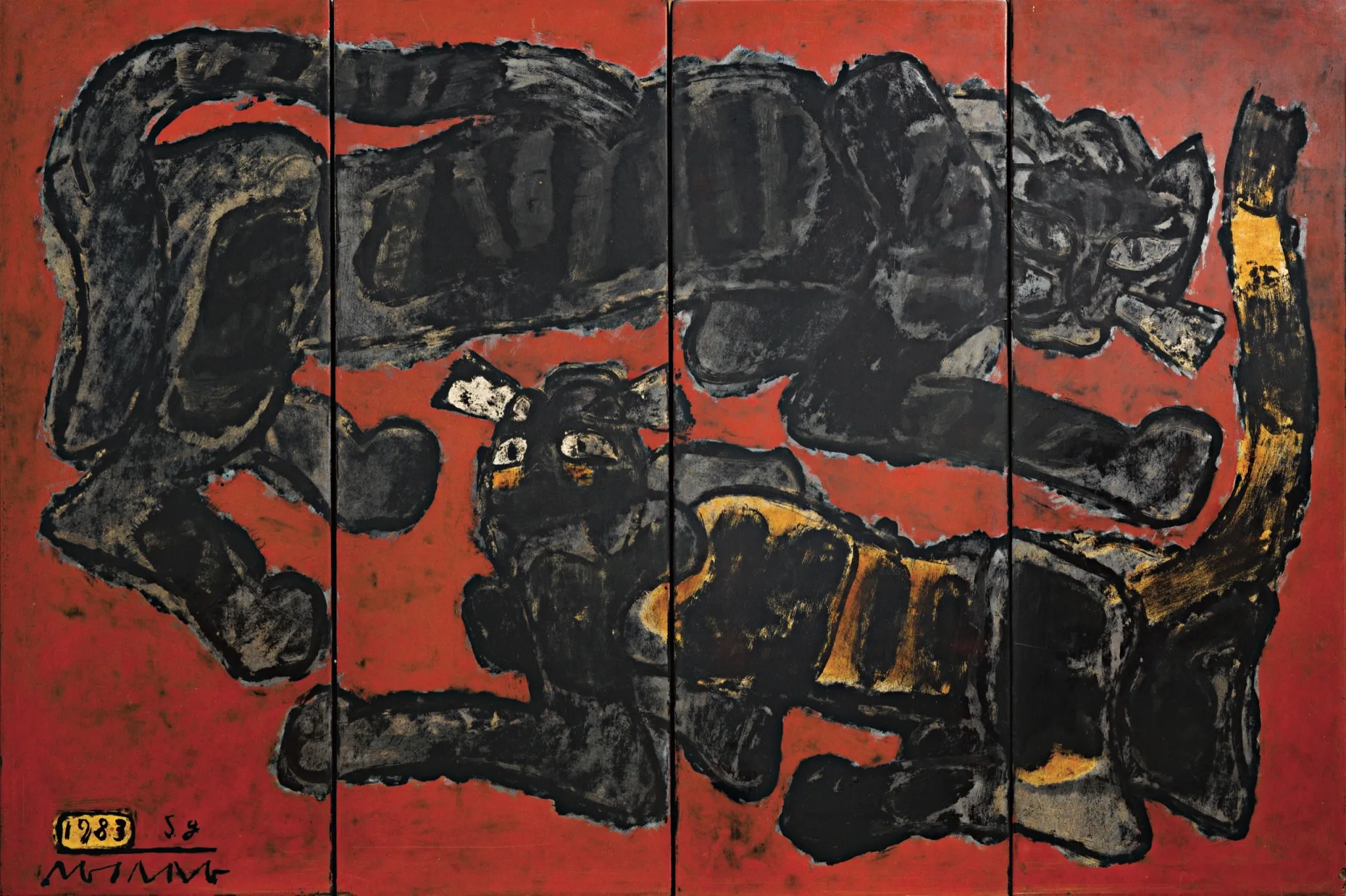
Not unfamiliar with scholastic values and directly inheriting knowledge from their predecessors, Nguyen Sang and his contemporaries quickly recognised the limitations and shortcomings of such aesthetic frameworks. When the old forms could no longer carry the new content, the “minor revolution in form” (as termed by painter and art critic Nguyen Quan) took place inevitably among the last generation of the École des Beaux-arts de l’Indochine alumni, culminating the quintessence of Socialist Realism. They greatly influenced the next generations, not only by their modern visual languages but also their artistic dignity.
Their achievements represent breakthroughs in the pathfinding of aesthetic visions, the attitude of innovating languages, approaches to and expressions of art. Such awareness governed the entire experimentation process for each artist, with consistency and fortitude spanning over decades.
Nguyen Sang chose to revisit the rustic charm and genuine beauty of Vietnamese folk art, discovering within such a sense of purity and simplicity that resonated with his soul. He also found in Picasso’s paintings a similarity in powerful emotions. He combined both sources of energy in his works to come up with a unique artistic personality.
One of Nguyen Sang’s contemporaries, Nguyen Tu Nghiem (1918–2016) returned to the original aesthetic principles of Vietnam, adopting a relaxed and self-assured stance in his new perspective of the past, positioning his art within the marvel of the East. He once said: “I am not attached to anything from the arts outside of Vietnam. I only seek within our nation and find in our people both humanity and modernity”. Bui Xuan Phai (1920–1988) found harmony with his hometown nostalgia in the Parisian school of painting. Meanwhile, Duong Bich Lien (1924–1988) stood out as an exception. He remained steadfast in his visual perspective in all of its elegance and solemnity, embracing such to express the philosophies of life in his solitary monologue in and with art..
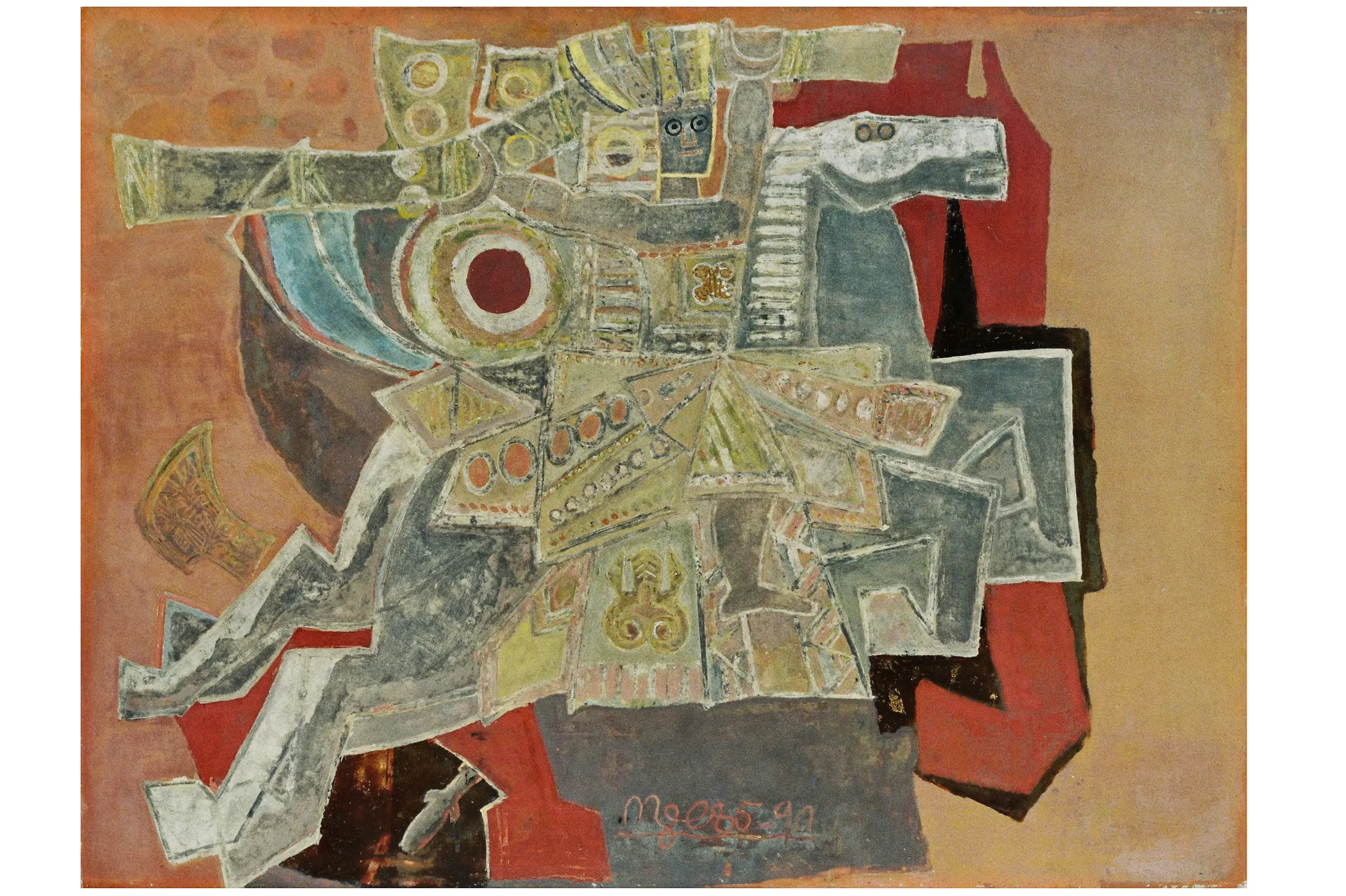
Thanks to them and their groundbreaking discoveries, many prejudices in Vietnam’s modern art had been gradually dismantled. Humanity’s intrinsic values of heritage and tradition were reevaluated. Reality was genuinely appreciated, and the role of the individual artist was defined more clearly.
The accomplishments of those Vietnamese painters were affirmed through their first solo exhibitions, announced by the Vietnam Association of Visual Artists (now the Vietnam Fine Arts Association) before the Renovation policy in 1986: Nguyen Sang’s and Bui Xuan Phai’s in 1984, followed by Nguyen Tu Nghiem’s in 1985. Those exhibitions became prominent cultural milestones at the time, making an impact beyond the boundaries of art, and marking the inaugural phase of artistic renovation.
Seizing this opportunity, in 1986, the Vietnam Association of Visual Artists organised for the first time a painting symposium in Dai Lai House for artistic and literary creation under the Ministry of Culture and Information of Vietnam (now The Ministry of Culture, Sports and Tourism of Vietnam). 40 artists of three generations participated in the symposium and their experimental success stirred up the art community. Then, without waiting for the support of the Association, 16 other member artists independently held their first solo exhibitions, paying all expenses themselves, including renting an exhibition space inside the Vietnam Museum of Fine Arts, followed by a series of activities organised by the Vietnam Association of Visual Artists…. All of these happenings sparked a wave of new experiments in the language of aesthetics as well as the execution of artistic activities, propelling Vietnam’s art into a new era and a new trajectory of artistic movement. It served as the bridge between two periods – modern and contemporary – of Vietnamese art; in other words, the 1980s is considered a pivotal turning point in art innovation in Vietnam.

The roles and contributions of those outstanding artists have been recognised through national awards: Nguyen Sang, Nguyen Tu Nghiem, Bui Xuan Phai, and Duong Bich Lien were awarded the Ho Chi Minh Prize for Literature and Art. They have become a part of art history. Many of their works are listed as National Treasures. The spiritual values they embodied will live on in art for many years to come.
Looking back at history with a new perspective, we can gather enduring values and lessons in terms of both gains and losses. No matter how much changes occurred and in which era, art remains the reflection of human presence in social interactions. So long as artistic existences persist, there will be conflicts arising in the development process, as well as the inferiorities and misconceptions regarding art.
That very meaning encapsulates the contributions of Nguyen Sang and his contemporaries.
Words: Đặng Thị Khuê
Translation: Hương Trà