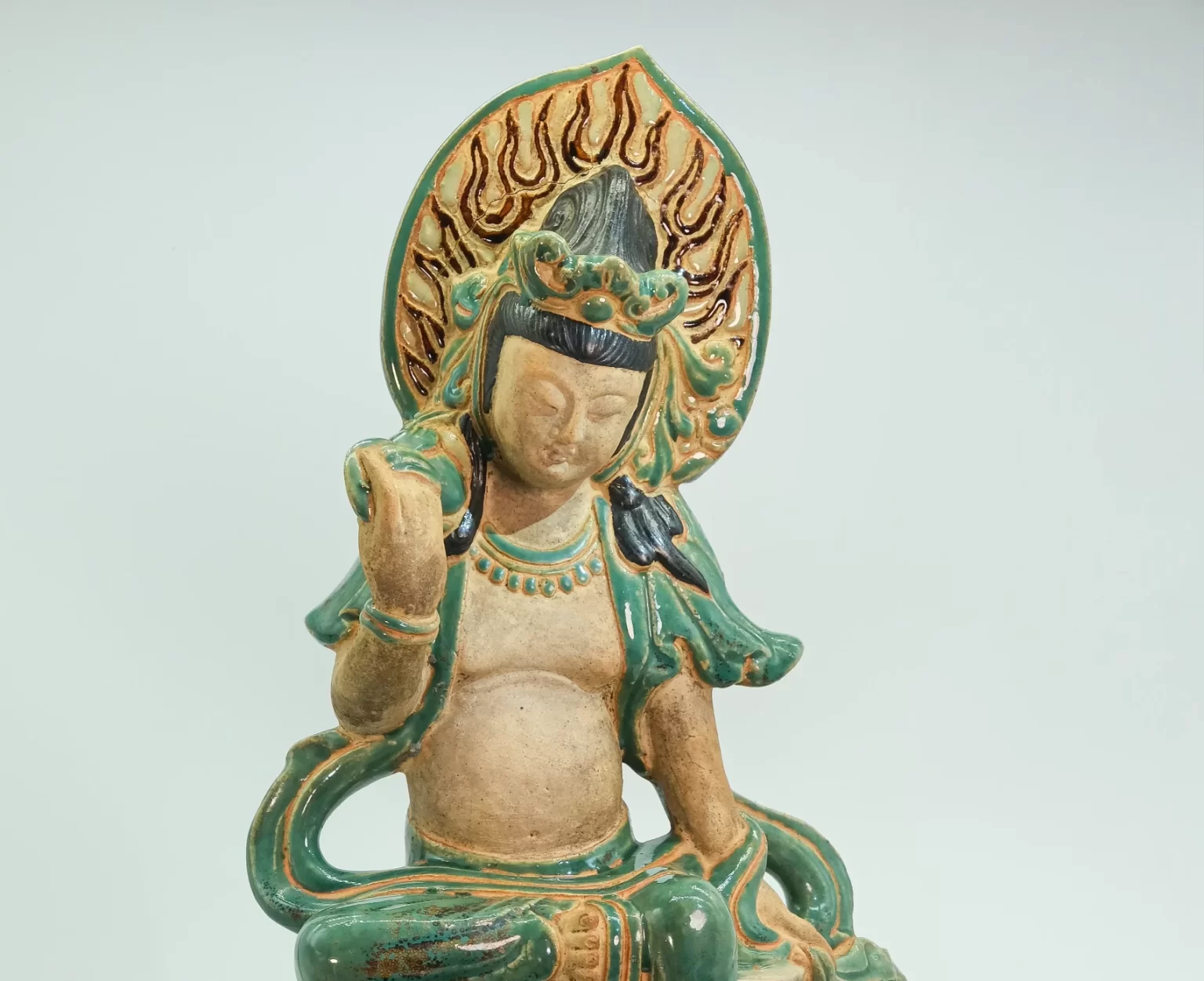
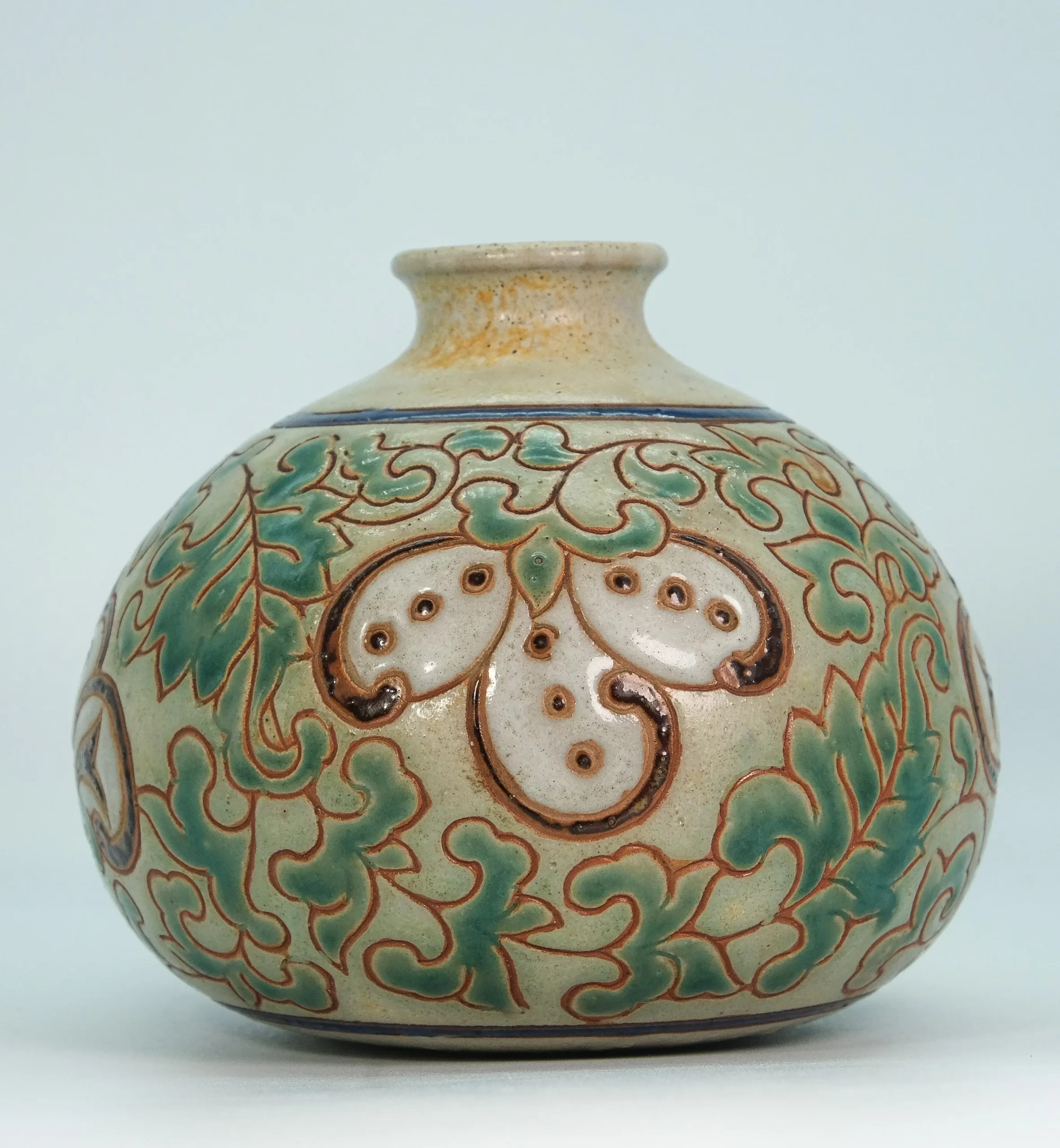
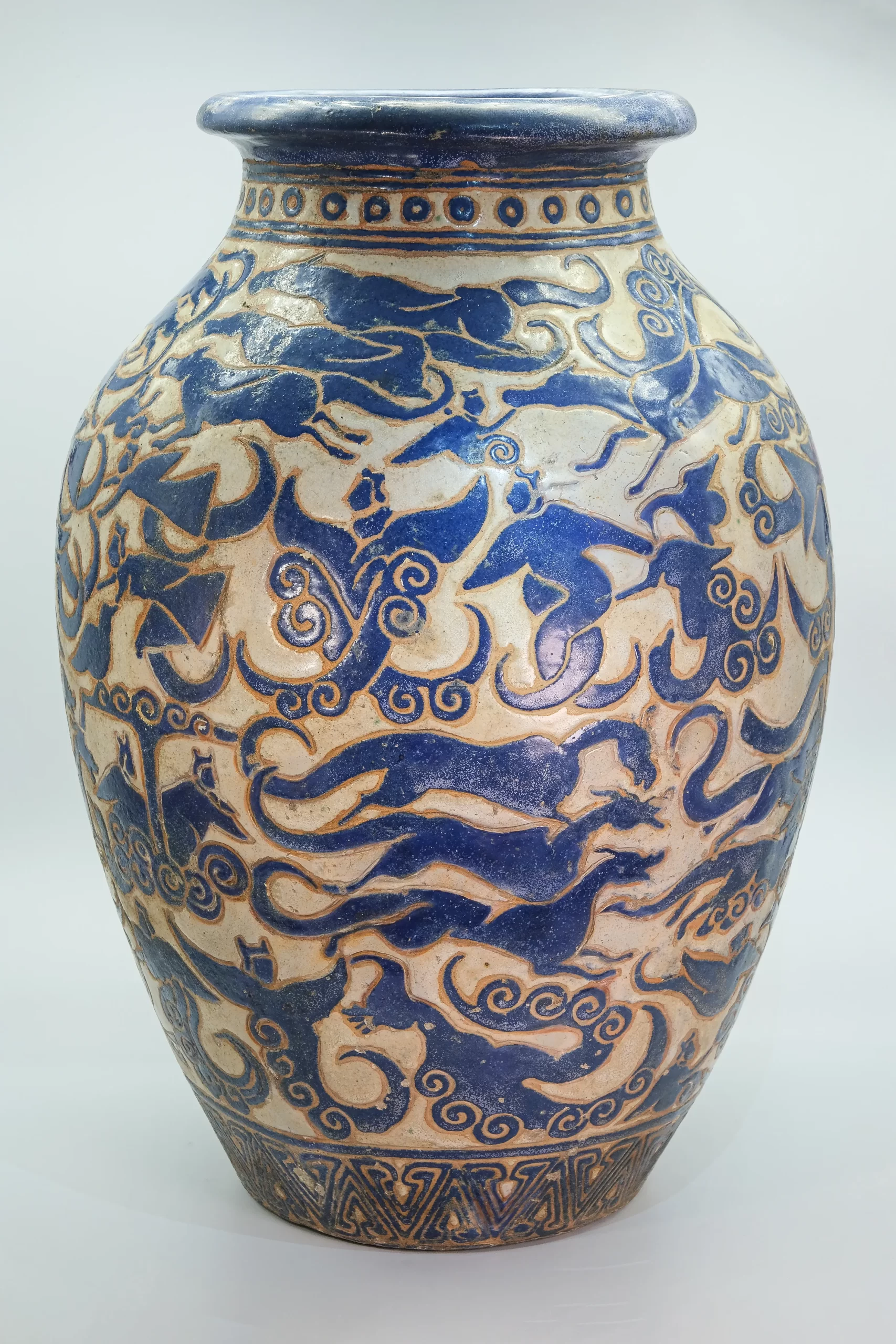
The short and simple name “Bien Hoa ceramics” refers to a ceramics line made by the Ceramics Department of the Bien Hoa School of Fine Arts, established by the French in the former Bien Hoa province. Within the scope of this essay, I will skip a rather long section on the history of the formation and development of the school and its Ceramics Department. Instead, I will repeat the rallying call to Vietnamese students: “Look at your own traditions”, made by French couple Robert and Mariette Balick, the school’s superintendent and teacher from 1923 to 1950. They were the ones who laid the groundwork for Bien Hoa ceramics’ glorious path. In particular, they emphasised the spirit of drawing from tradition – reviving, modifying, and perfecting it to suit new concepts, in the context of the Western art revolution which saw the rise of movements including Art Nouveau, Art Deco, as well as Japonisme and Chinoiserie influences. This modernisation process seemed to have been a driving force, encouraging the school’s administrators to produce a larger number of artistic ceramic products, participate in international exhibits, and sell to various markets. True to its former name, École d’Art Indigène de Bienhoa – The School of Bien Hoa Indigenous Arts, the Vietnamese locals were trained and subsequently brought profits back to the so-called Motherland thanks to their craftsmanship and labour. (The school adopted this name in September 1913).
As a collector dedicated to ancient Southeast Asian religious artefacts, antique and medieval jewellery, and Bien Hoa ceramics, I hold Bien Hoa ceramics in high regard. Having sourced and owned multiple artefacts from this line, I have come to realise that collecting Biên Hòa ceramics is not only about preserving and appreciating past generations’ endeavours or discovering with pleasure the art and techniques of the old Bien Hoa school, it also means establishing a promising investment channel. Most Bien Hoa ceramic pieces are still considered antiques (under 100 years old); however, many have passed the centennial mark, with others approaching the 100-year threshold for becoming classified as antiquities. Collecting antiques that eventually become true relics adds an extra element of thrill to the work.
“As a collector dedicated to ancient Southeast Asian religious artefacts, antique and medieval jewellery, and Bien Hoa ceramics, I hold Bien Hoa ceramics in high regard.”
In terms of commercial value, Bien Hoa ceramics have steadily increased in price over time as more people engage in collecting and exchanging them, although there have been periods of reaching a plateau, not unlike other collectible items. The greatest advantage of collecting Bien Hoa ceramics is their high authenticity. Thanks to this factor, this ceramics line is among the safest choices for those who love to collect and are about to start building a collection of antiques.
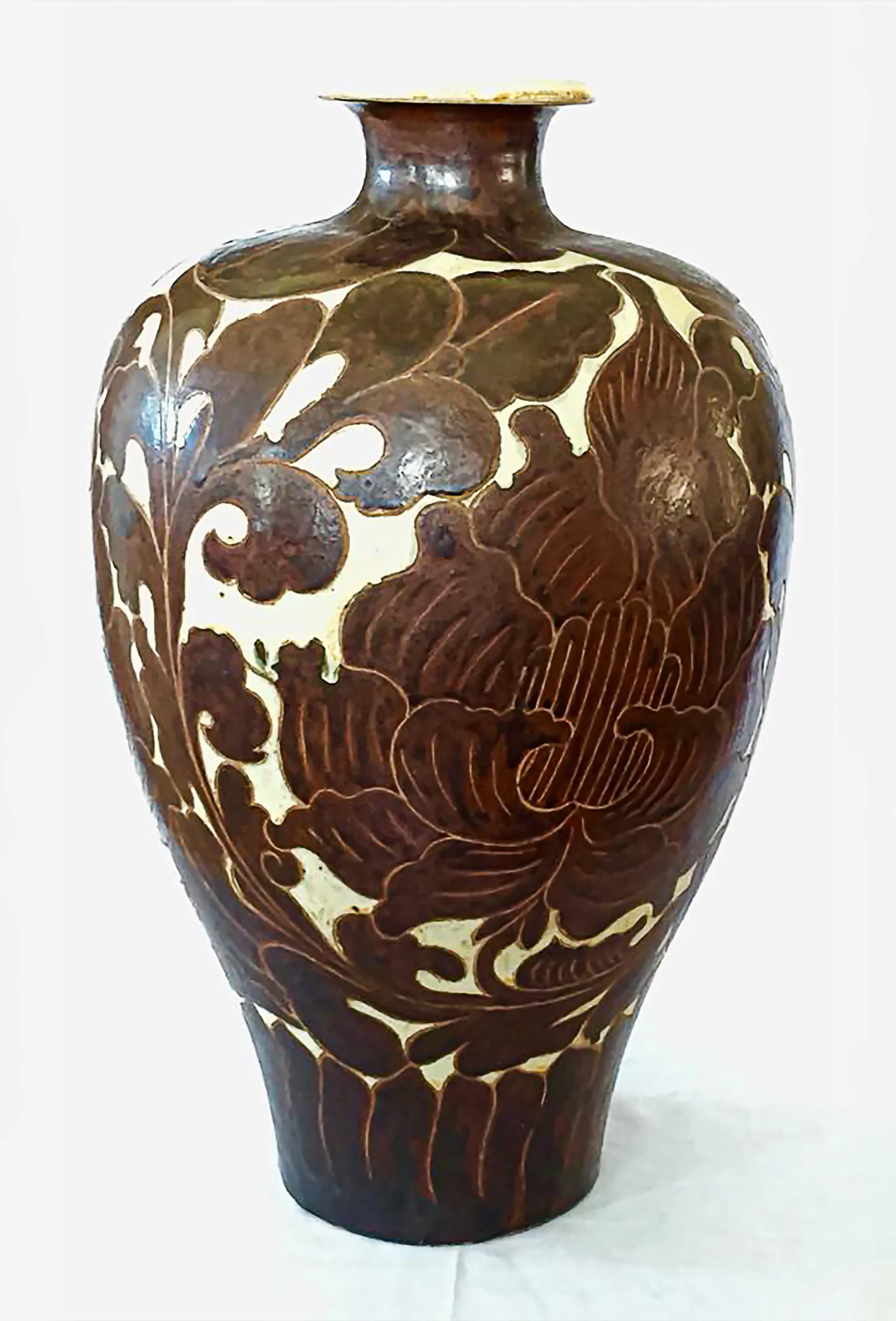
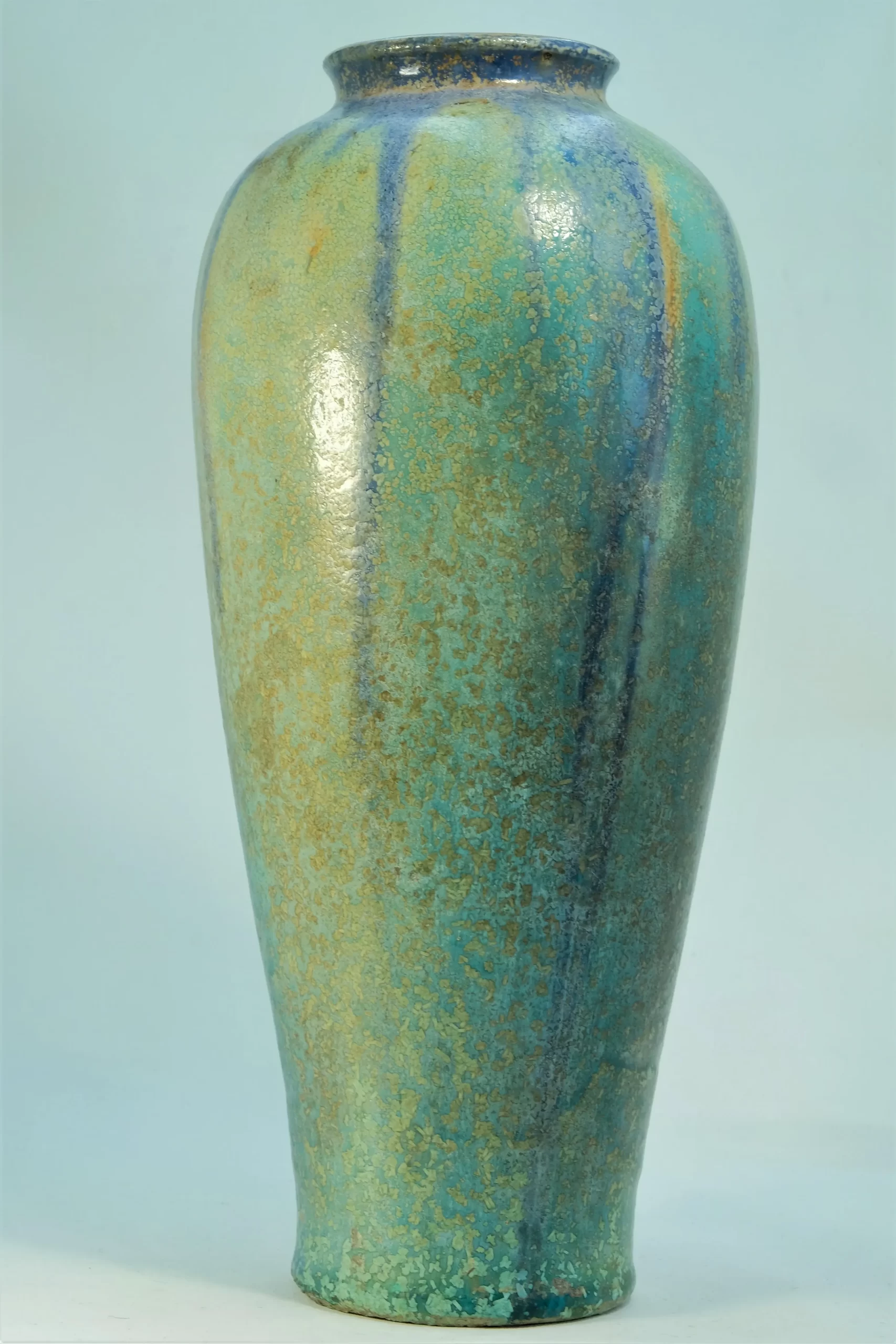
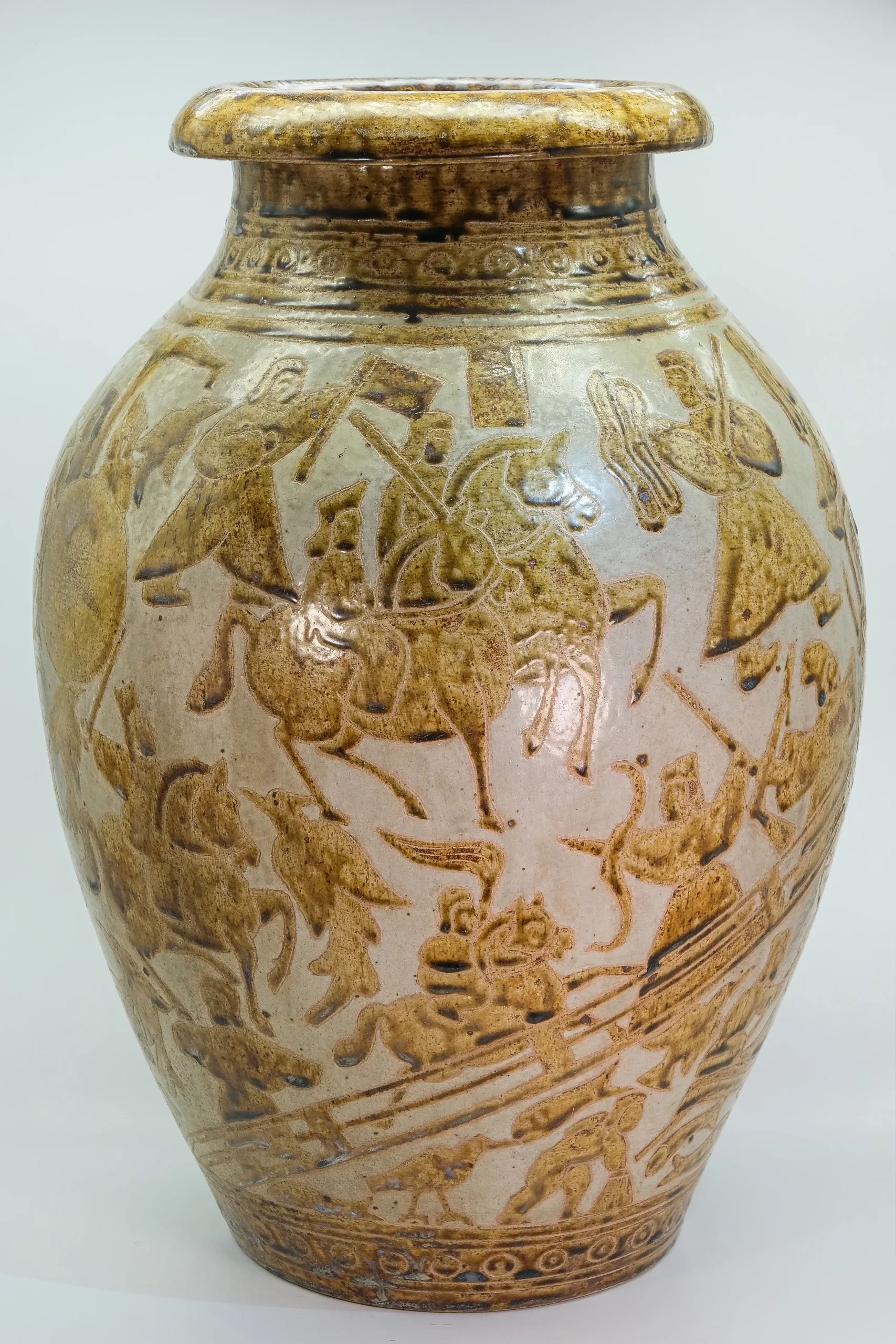
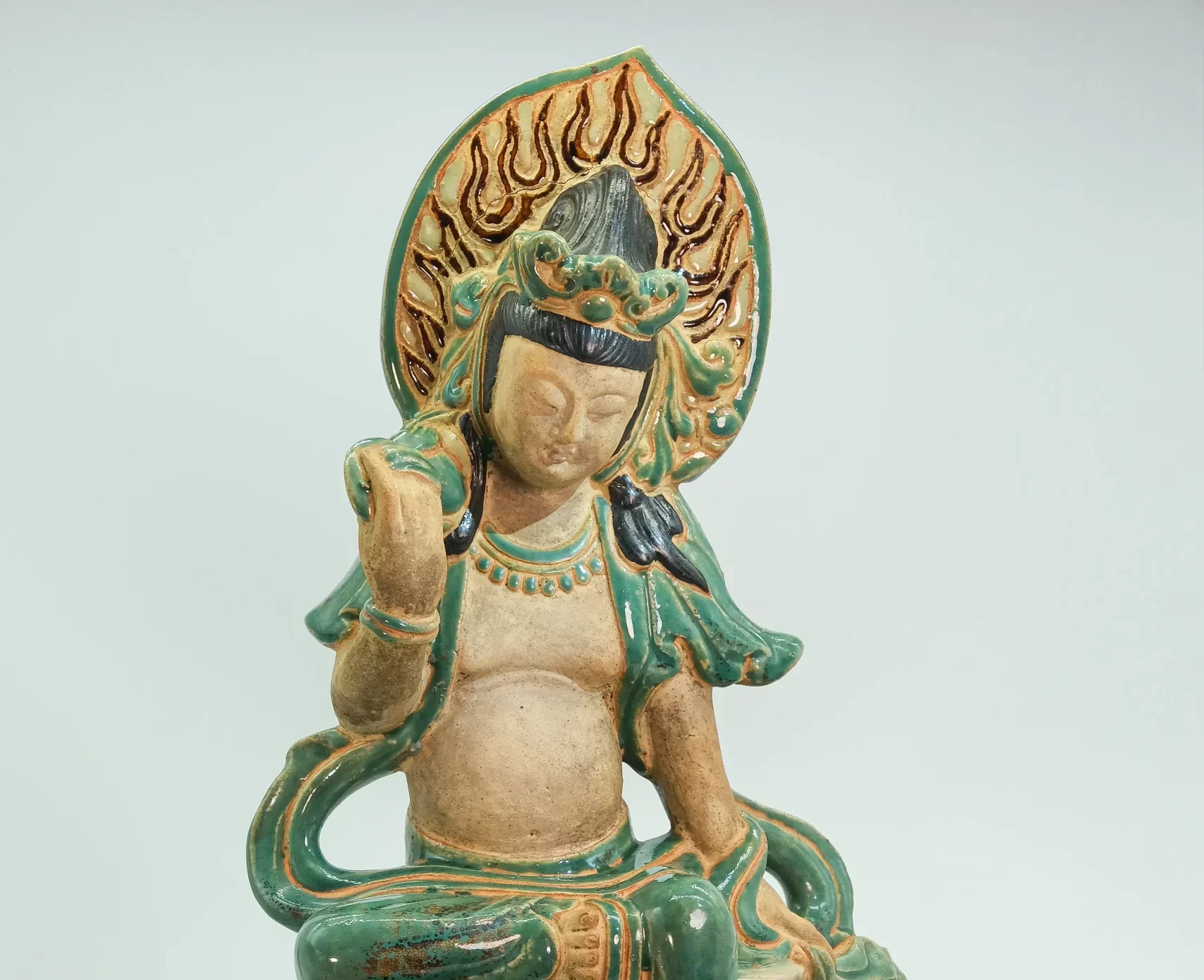
As for artistic value, Bien Hoa ceramics have established a strong reputation during their development. In France, Bien Hoa ceramics are carefully preserved in museums such as the National Ceramics Museum of Sèvres and Musée du Quai Branly – Jacques Chirac. In Vietnam, they are displayed in prestigious interior spaces, including historical residences like Emperor Bao Dai’s Third Palace in Da Lat and the Independence Palace in Saigon. They are also held in collections at the Vietnam Fine Arts Museum and the Ho Chi Minh City Museum of Fine Arts. Presently, certain pieces are also present in the private homes of collectors. Here, Bien Hoa ceramics serve their original purpose as envisioned by the school’s founders: to decorate, aestheticise, and add elegance to interior spaces.
Instead, I would like to share several insights on how to identify and authenticate the stamps found on ceramics from the Bien Hoa School of Fine Arts, which could be helpful for collectors and researchers of this ceramic line.
The stamps are the most easily recognisable feature of a Bien Hoa ceramic, typically found on the base of the product. In the vernacular of enthusiasts, this base is called the “bottom.” However, there are exceptions where some pieces may be stamped in other locations (as commonly seen in statues), or they may not carry any stamp at all. In such cases, authenticating the piece requires more experience to assess the object based on other qualities.
Most Bien Hoa ceramics have a stamp on the base with two Chinese characters “Biên Hòa” written in simplified Chinese: 边和. Some may wonder whether Bien Hoa ceramics only date from after 1955, as simplified Chinese characters were used post-1955. However, this is not the case. Many sources state that simplified Chinese characters first appeared as early as 420 AD. Around 1955, to eradicate illiteracy and improve general education, the People’s Republic of China launched a writing reform that used simple characters passed down among the populace, resulting in the official simplified Chinese character set in 1964, which has been in wide use until today.
“Most Bien Hoa ceramics have a stamp on the base with two Chinese characters “Biên Hòa” written in simplified Chinese: 边和.”
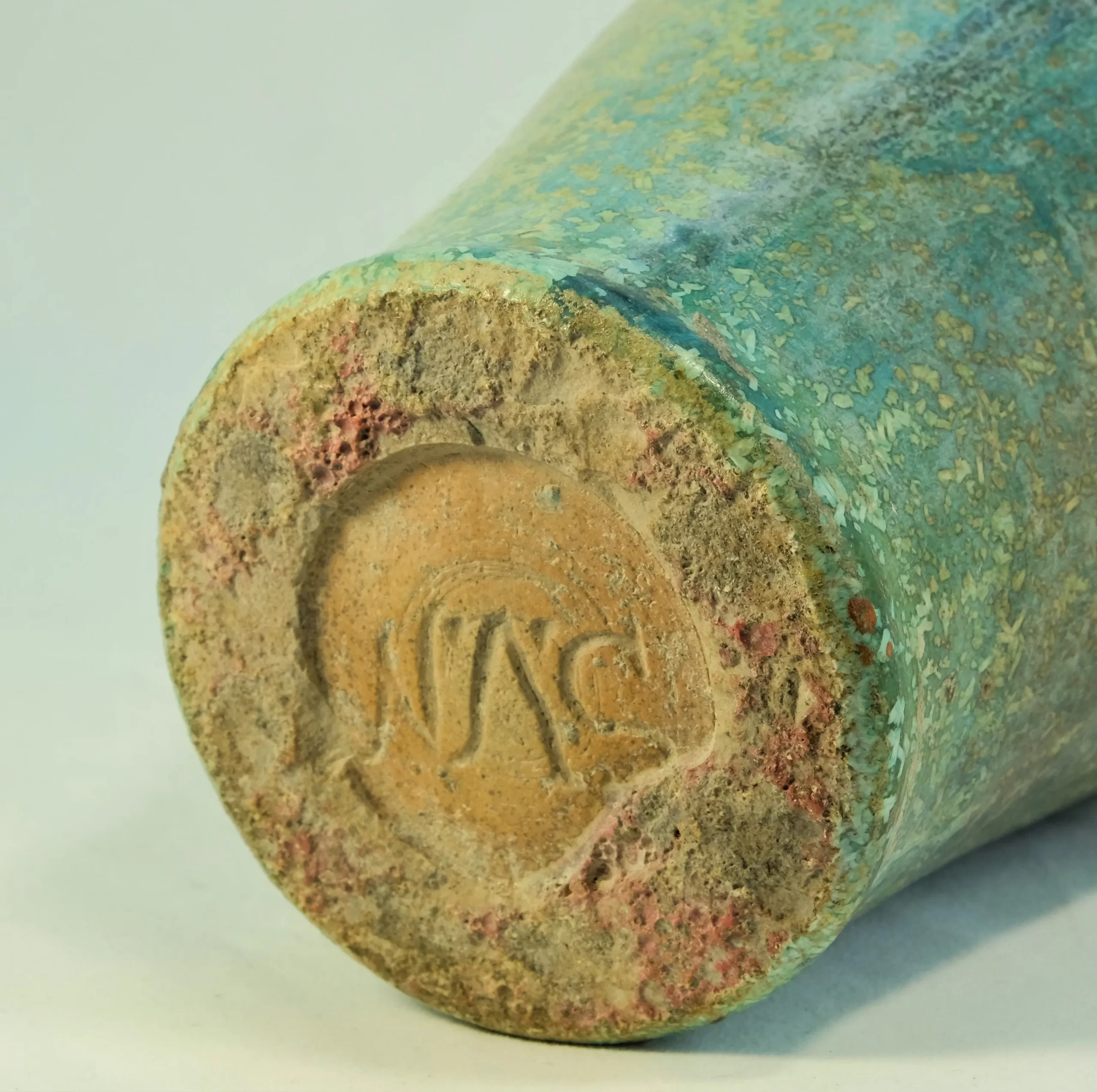
The stamp with the alternative characters 边和 is the most commonly found. It features the character “Biên” (边) on top and “Hòa” (和) on the bottom. Bien Hoa ceramic collectors and traders often refer to this stamp as the “AXE” stamp, pronounced “a-xe.” This colloquial name arises from the easiest identifying feature: the “Mouth” radical (口) in the character Hòa (和) has a shape that resembles the letter “A” from the alphabet when viewed upside down.


Other strokes of the Chinese characters in this stamp resemble the letters “X” and “E,” which leads collectors to use the name “AXE” to describe Bien Hoa ceramics with this stamp, which are estimated to have been produced from the 1940s to the 1960s. The AXE stamp has a few similar variations, but it is still easily recognised by the “Mouth” radical (口) resembling the letter “A”.
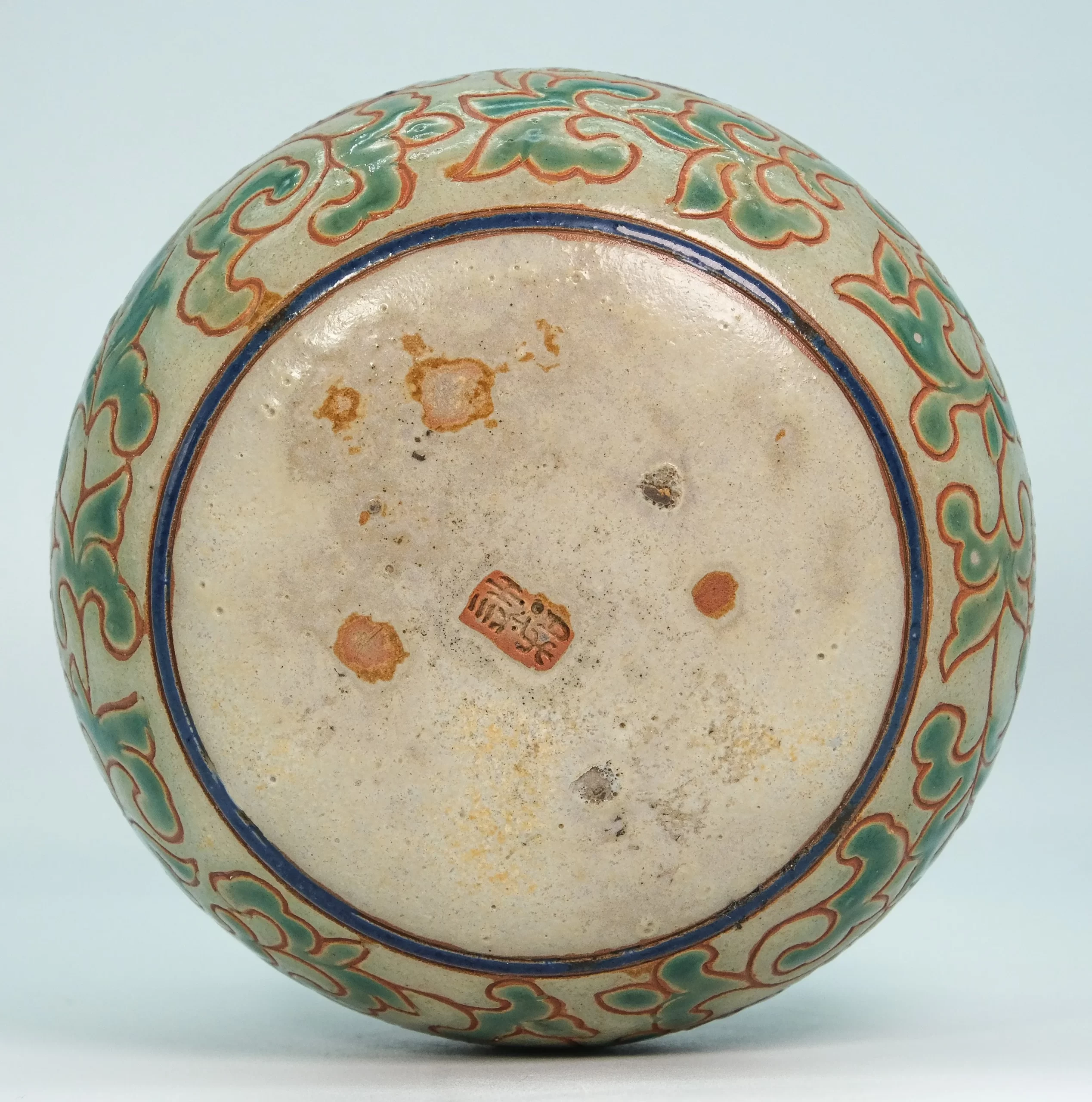
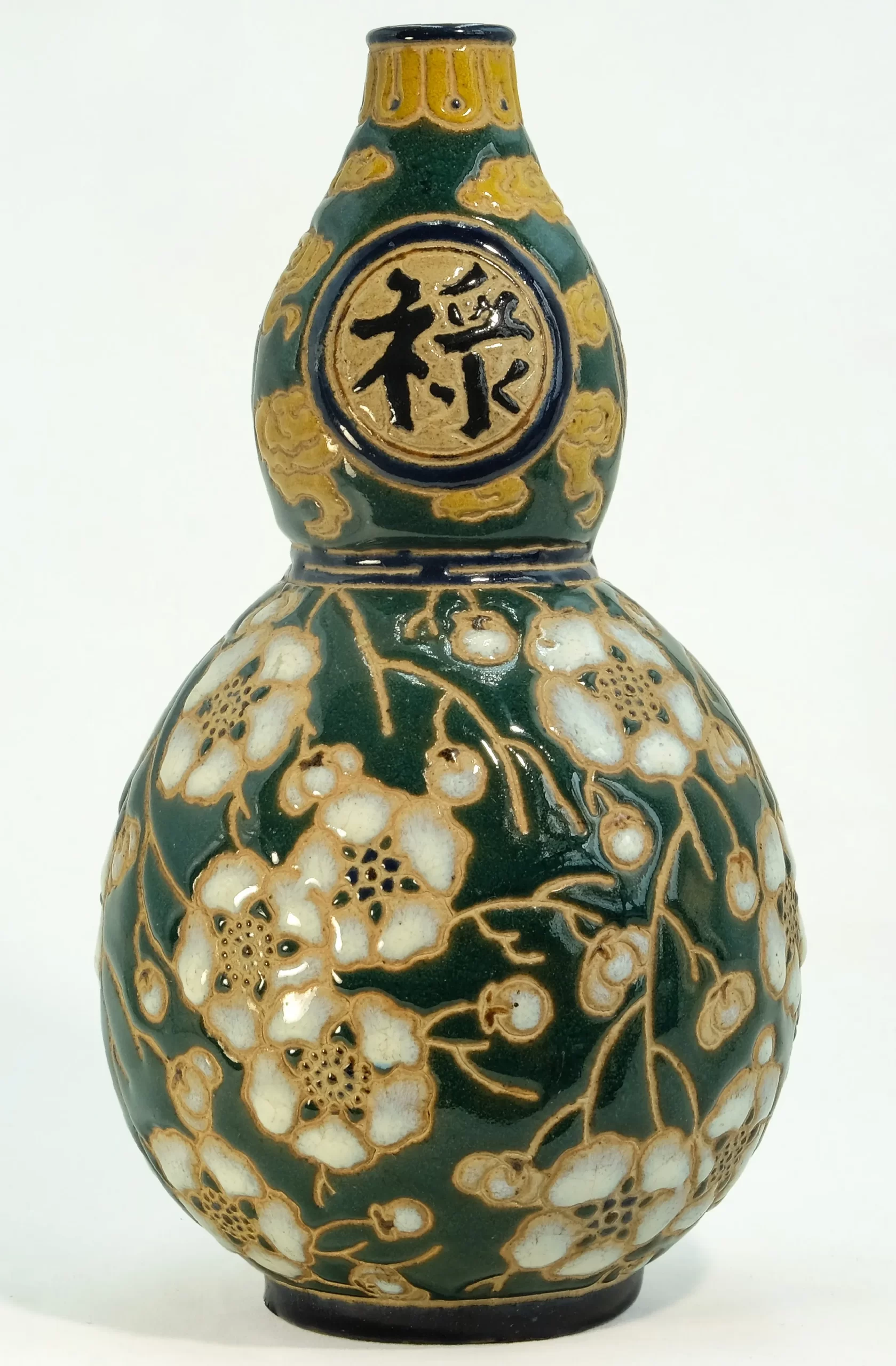
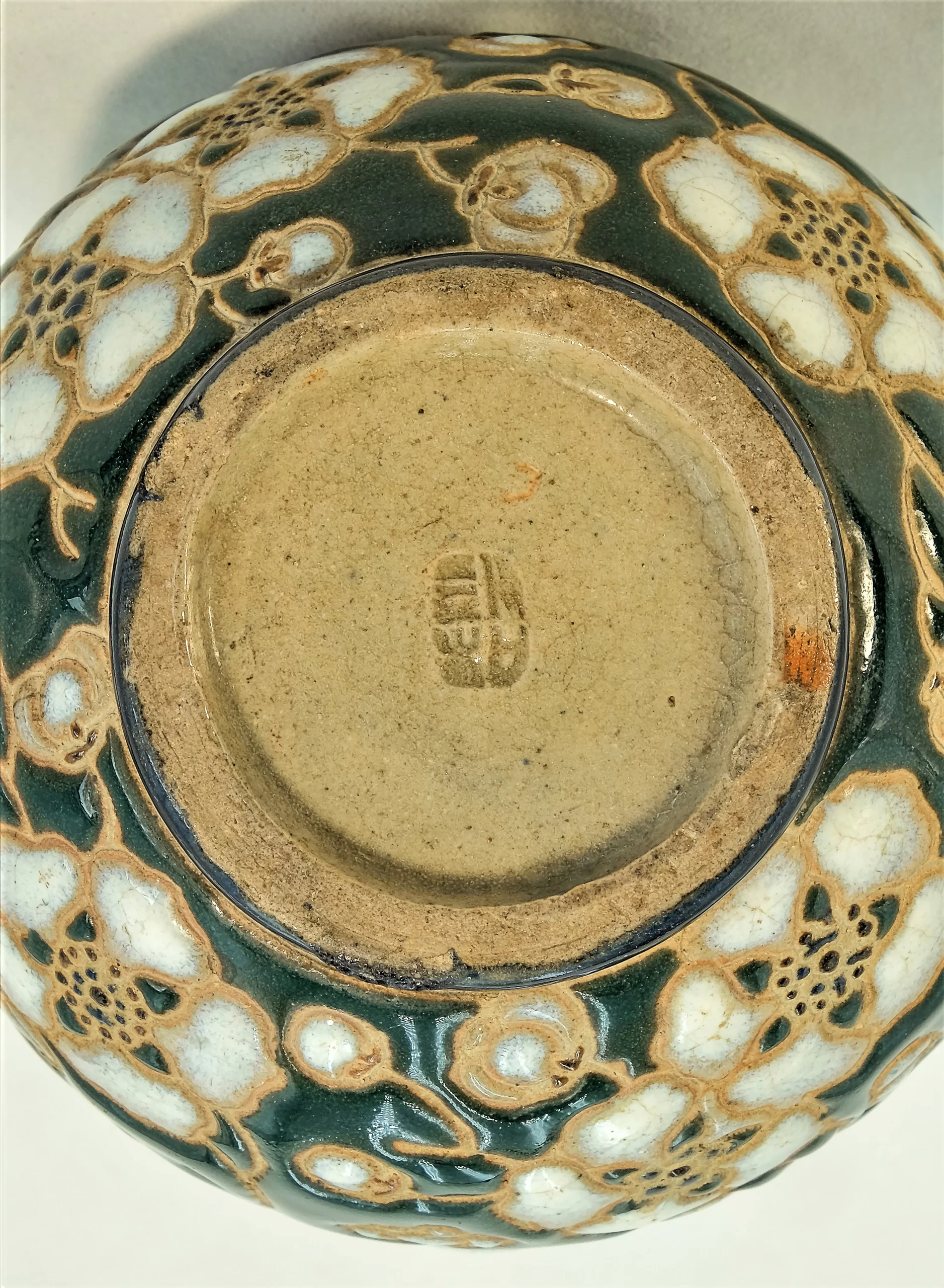
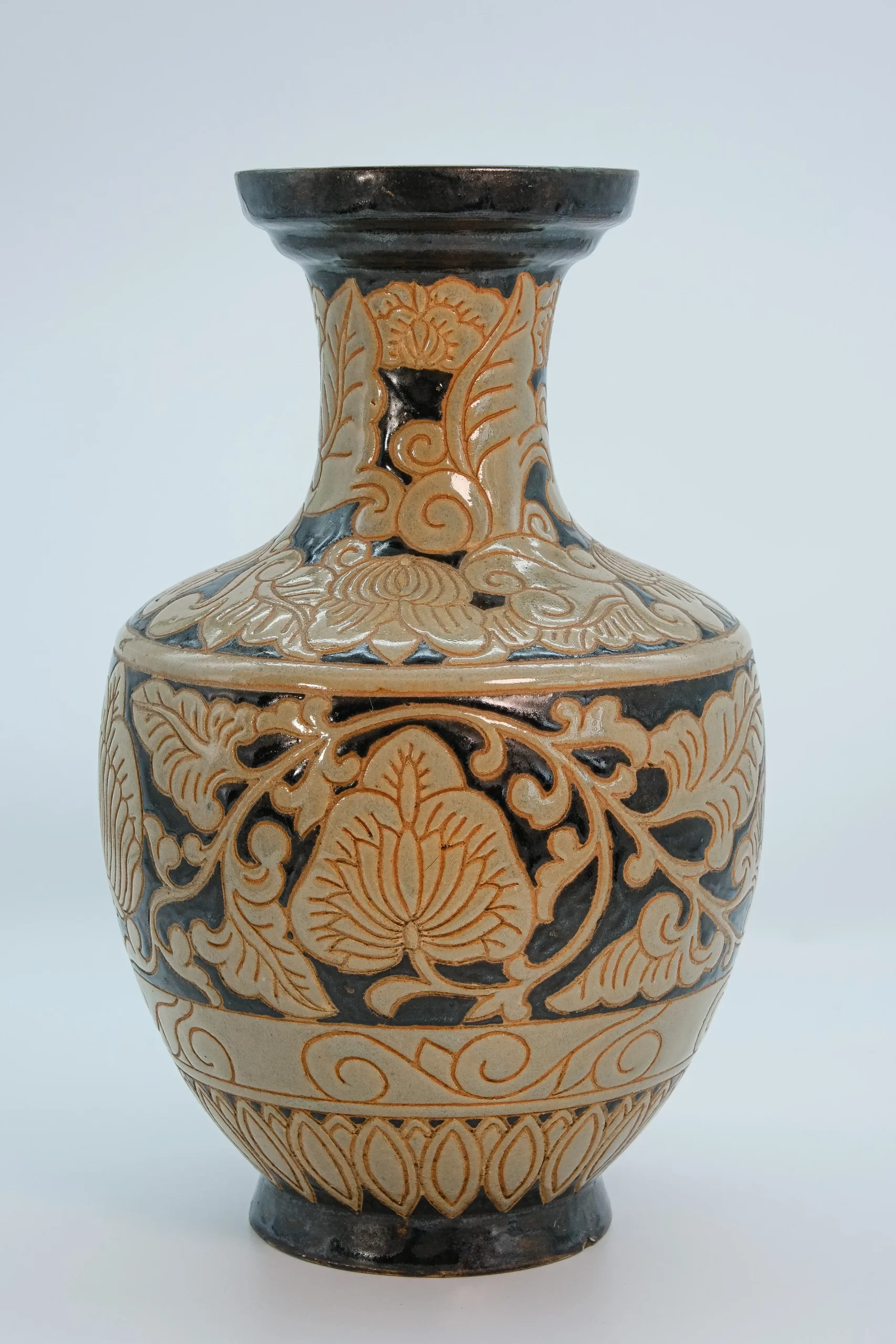
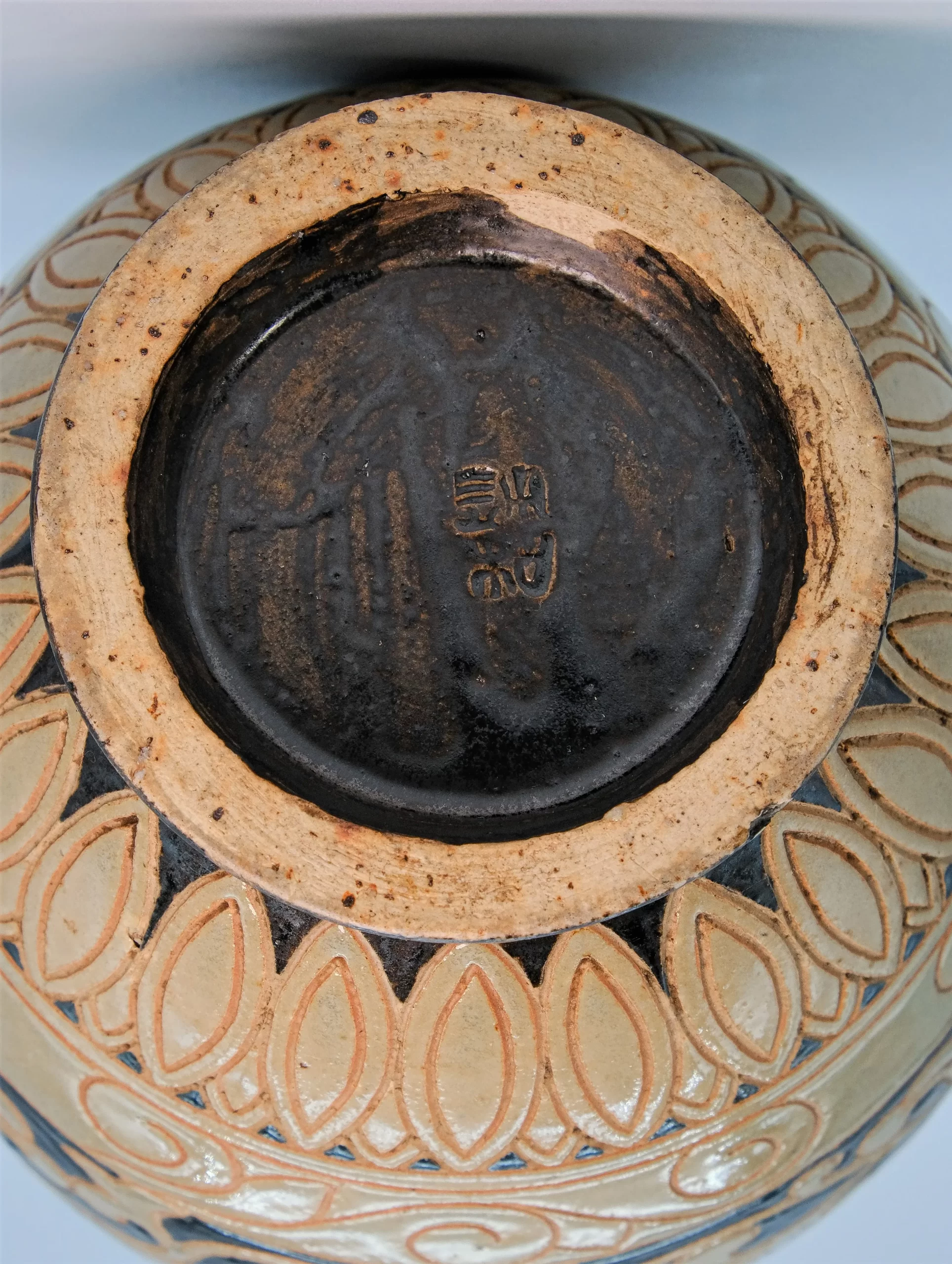
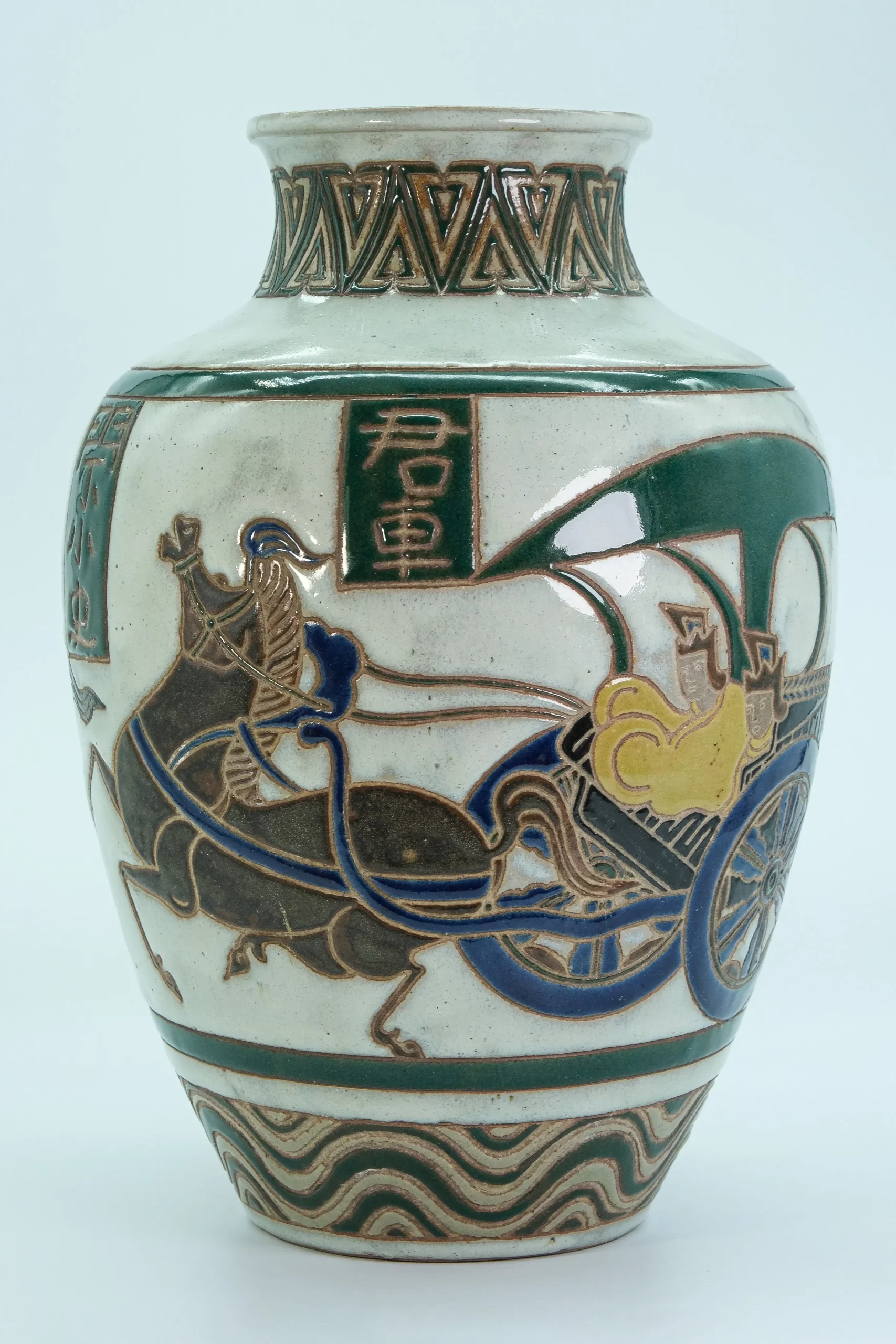
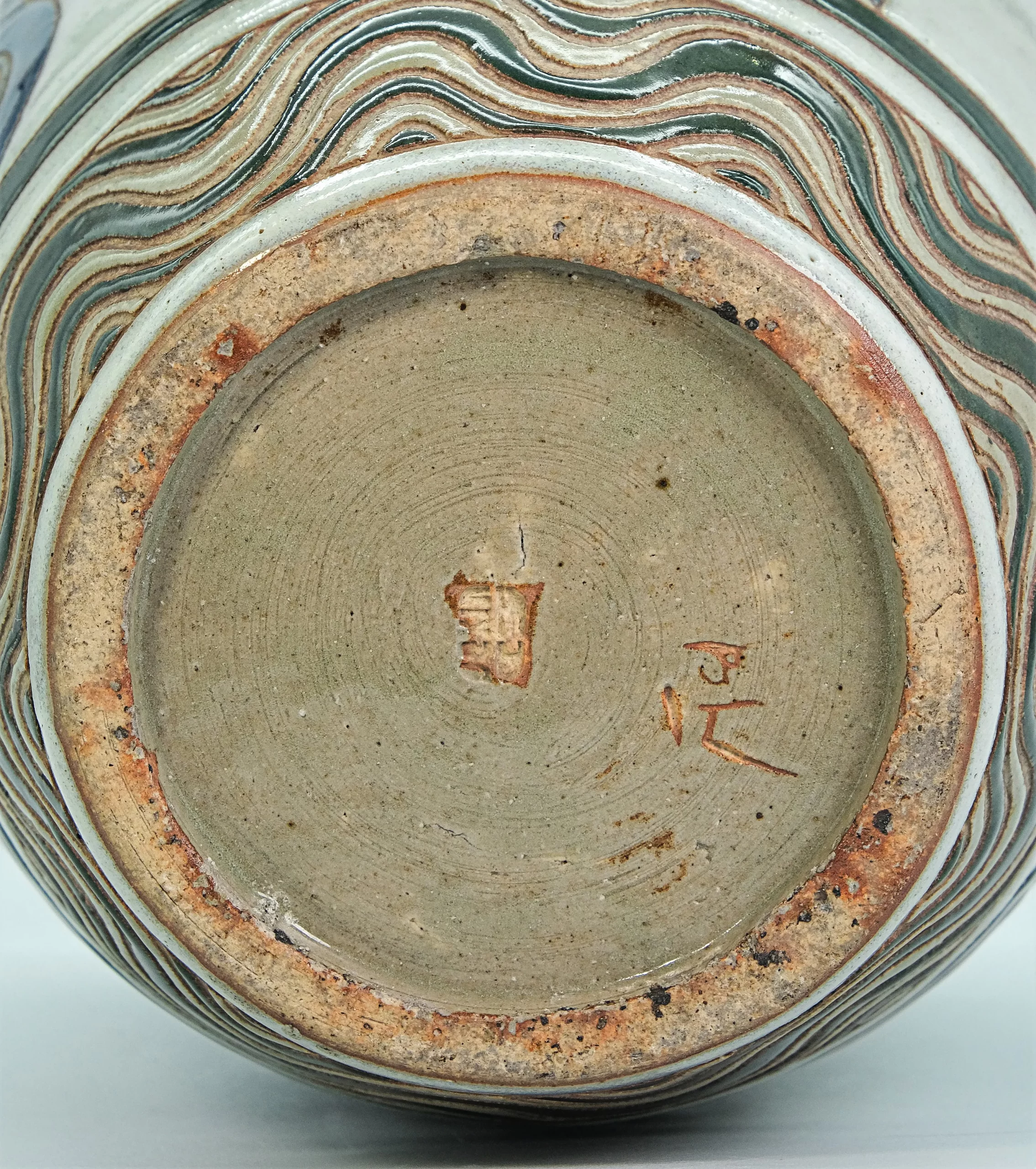
Bien Hoa ceramics bear the 边和 stamp, commonly referred to as the AXE stamp.
The above examples showcase variations in the Bien Hoa – AXE stamp. Additionally, for items with a circular base like vases, plates, or jars, the AXE stamp is usually positioned in the very centre. The central area of the circular base is often coated with a layer of glaze, and the rim of the base is carefully trimmed, having sharply defined edges. The signature clay body often features distinguishing marks such as black or rust-brown specks, impurities, and brick-red streaks caused by the heat during firing. Inside the base of some items, there may still be signs like the initials of the potter, dates, names, or even the signatures of two individuals, likely the one who shaped the piece and the other who glazed it.
The analysis above covers the AXE stamp, the most common one of Bien Hoa ceramics. Apart from that, throughout its production and trading history, the Bien Hoa School of Fine Arts used several other types of stamps, some older and some newer than the AXE stamp. There are no documents detailing the exact production years corresponding to each type of stamp. Still, based on experience from collecting, along with sharing and discussing pieces within the collector community, people have compiled and matched certain stamps with production periods thanks to the glaze colours and clay bodies. For example, the flower pot with a ruffled rim, raised floral motifs and scrolls, and inscribed in French with the name of the school ÉCOLE D’ART INDIGÈNE DE BIENHOA, belonging to the collection of Nguyen Nu Thien Huong, is linked to the year 1913 when the school was renamed, according to the decision made on 11 September 1913 by Chief Commissioner Krautheimer and approved by the Governor of Cochinchina on 22 September 1913 (as referenced in the book “Bien Hoa Ceramics”, published by Dong Nai General Publishing House, by authors Phan Dinh Dung, Nguyen Van Thong, Nguyen Yen Tri). This item was not stamped, making it one of the clearest examples of early Bien Hoa ceramics that were not yet branded with a trademark stamp and carried artistic influences from the antique Cay Mai ceramic line from Saigon made by the Chinese community.

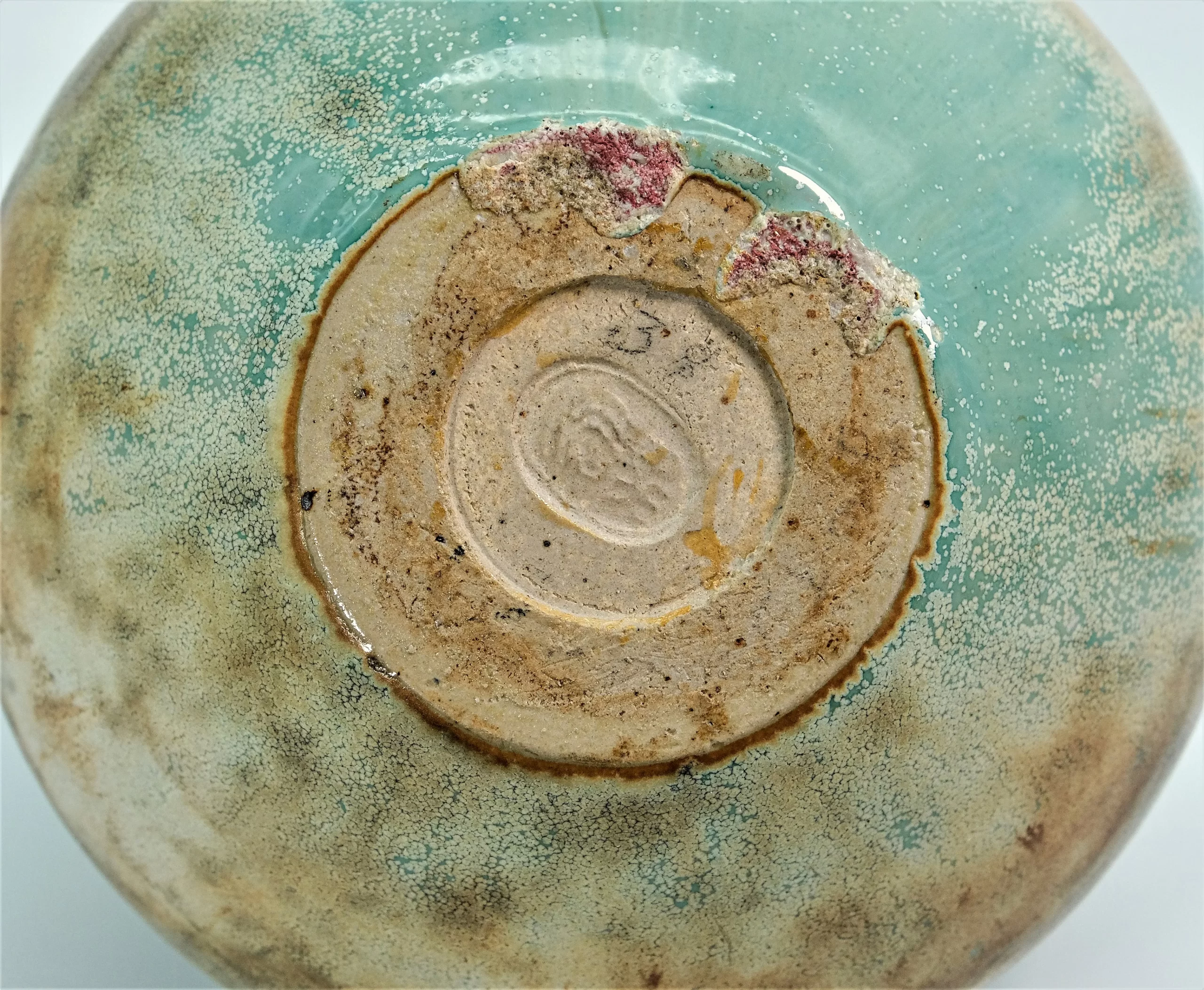
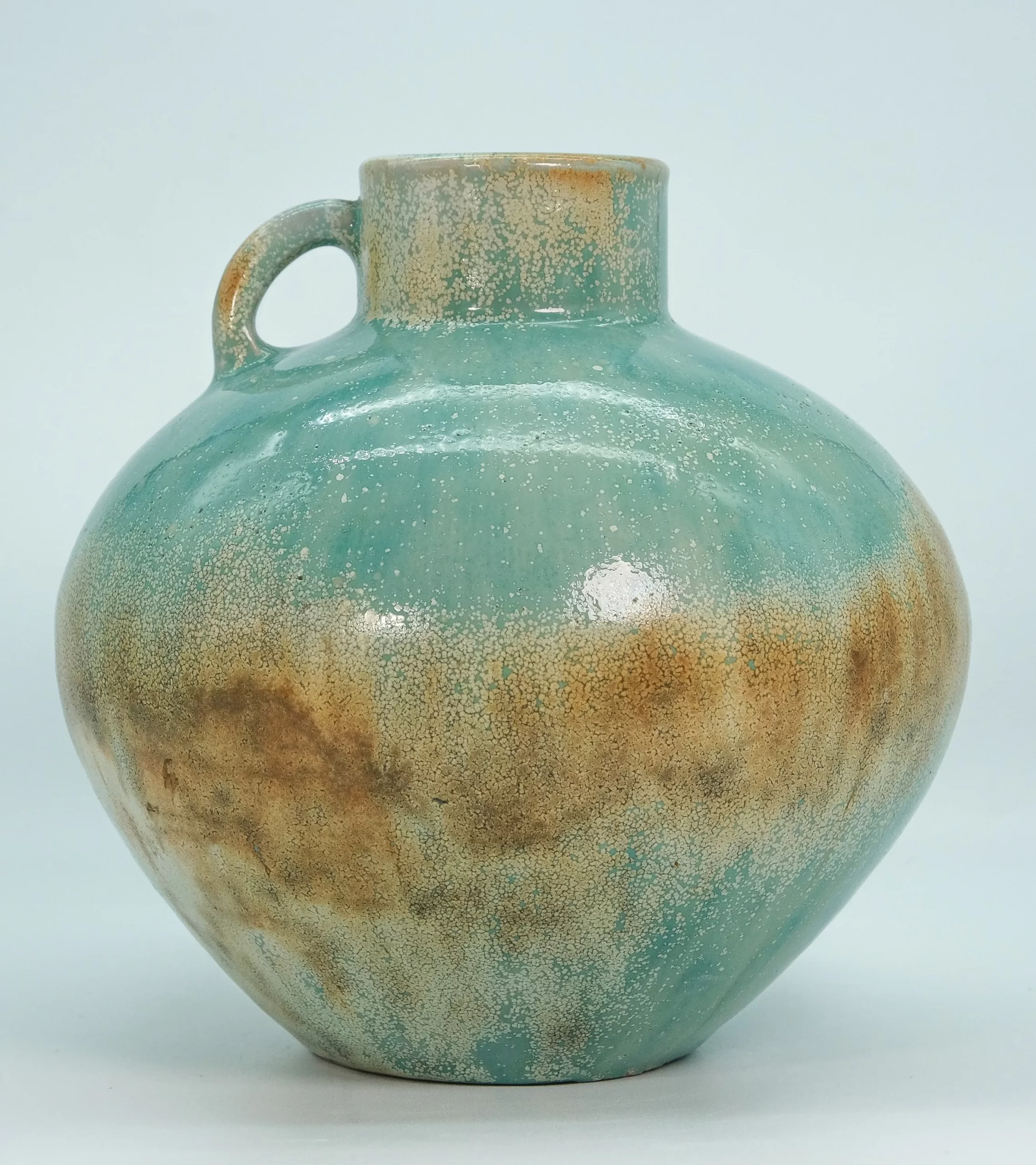
Some early Bien Hoa ceramics bases do not have stamps, or they may only bear the initials of the artisan.
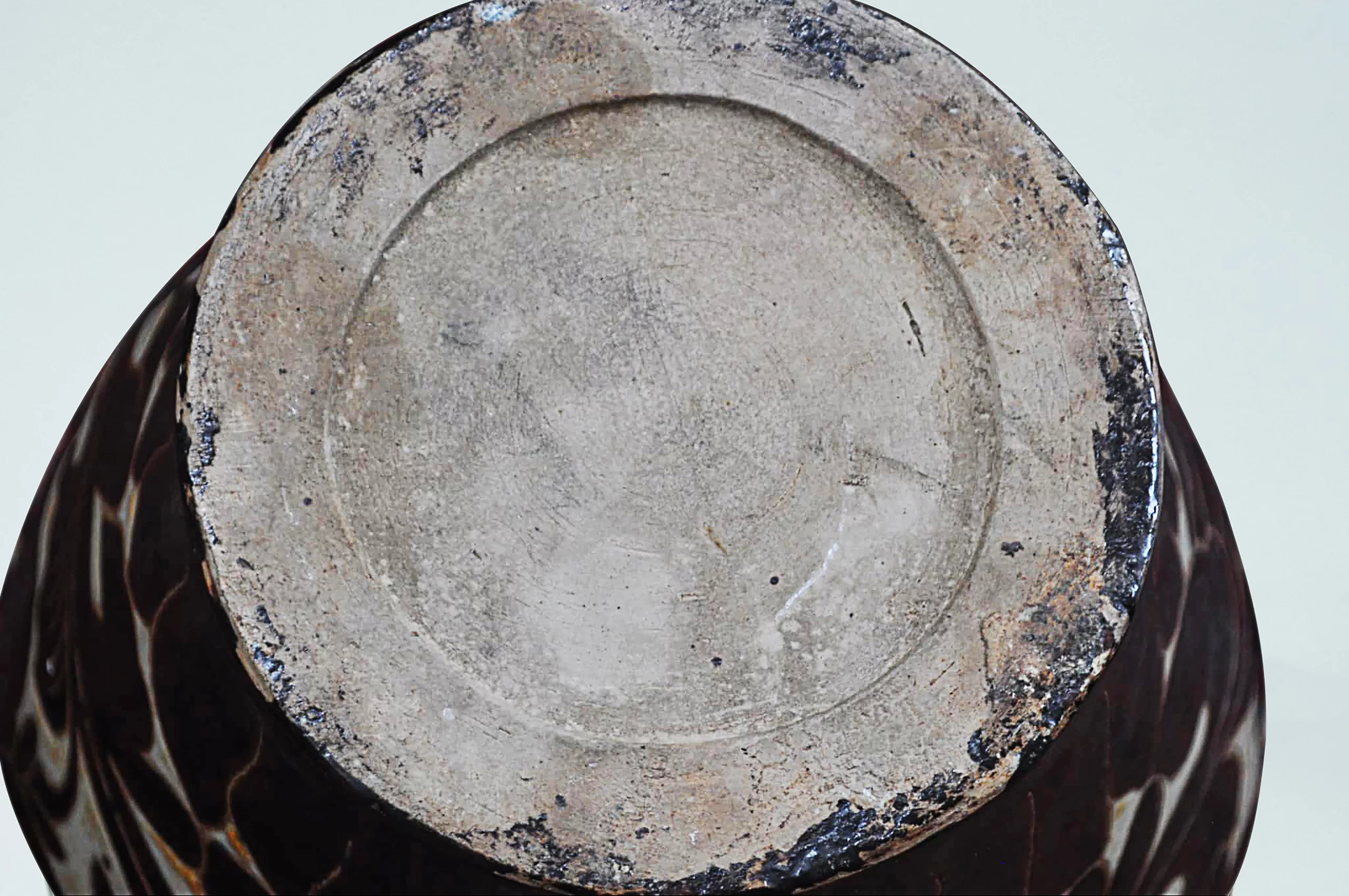
Bien Hoa ceramics without a stamp.
Some stamps from the next period, around the 1920s–1940s:
– The stamp with the two Chinese characters 边和 inside an oval frame with a raised rim. One can easily notice the “Mouth” radical (口) in the character Hòa (和), with its shape resembling an upside-down letter “A.” The characters in this stamp are written in an ancient seal script. This stamp may be placed centrally or slightly off-centre on the circular base. A common feature of items with this stamp is a flat base, either without a rim or with a large surrounding rim.
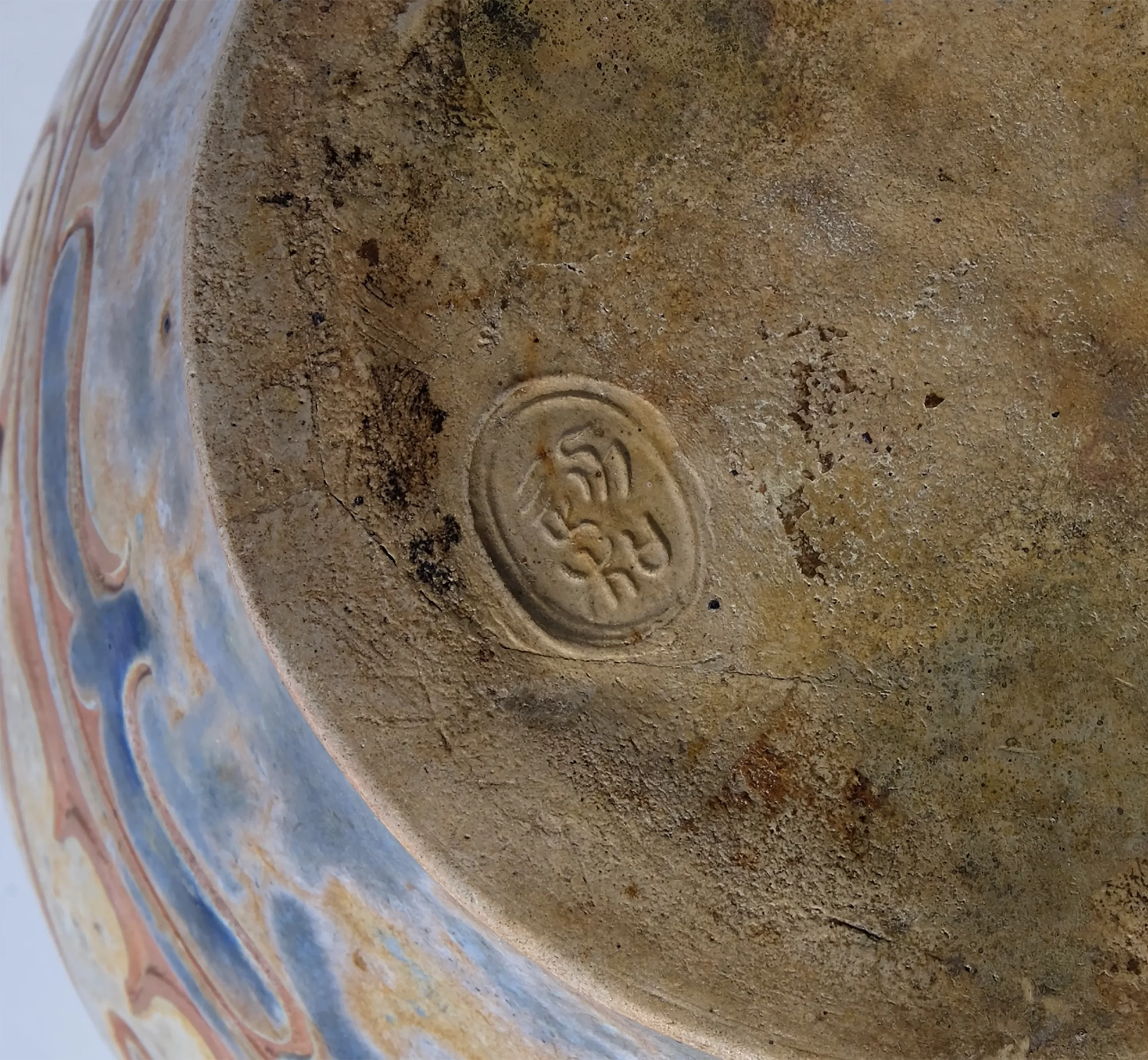
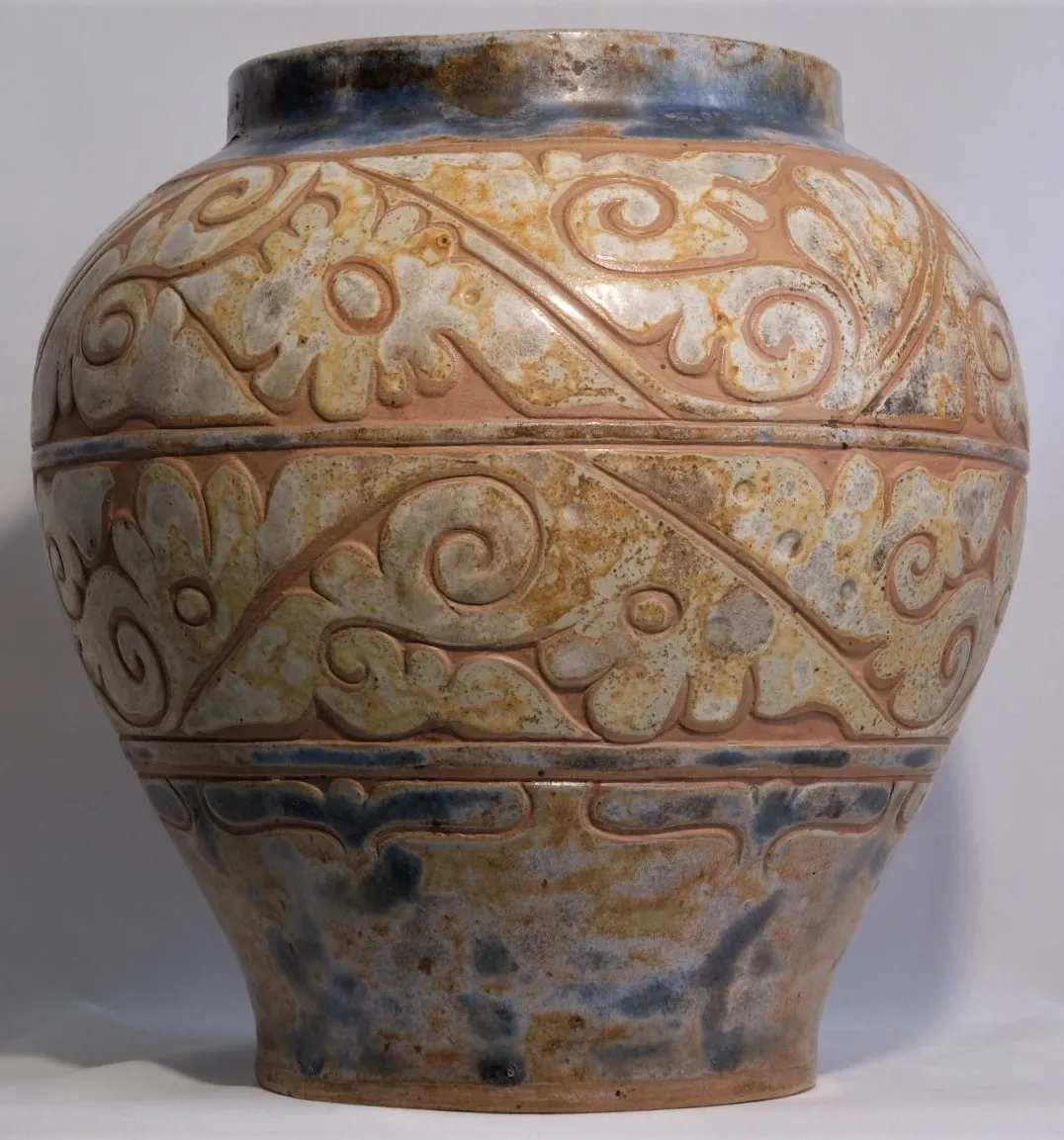
Bien Hoa ceramics with a stamp of the two Chinese characters 边和 in an oval frame with a raised border.
– The stamp with the two Chinese characters 边和 in an oval frame with an indented border. The characters are written in an ancient seal script. Most items have a large rim on the base, and occasionally, some have two stamps on the base.
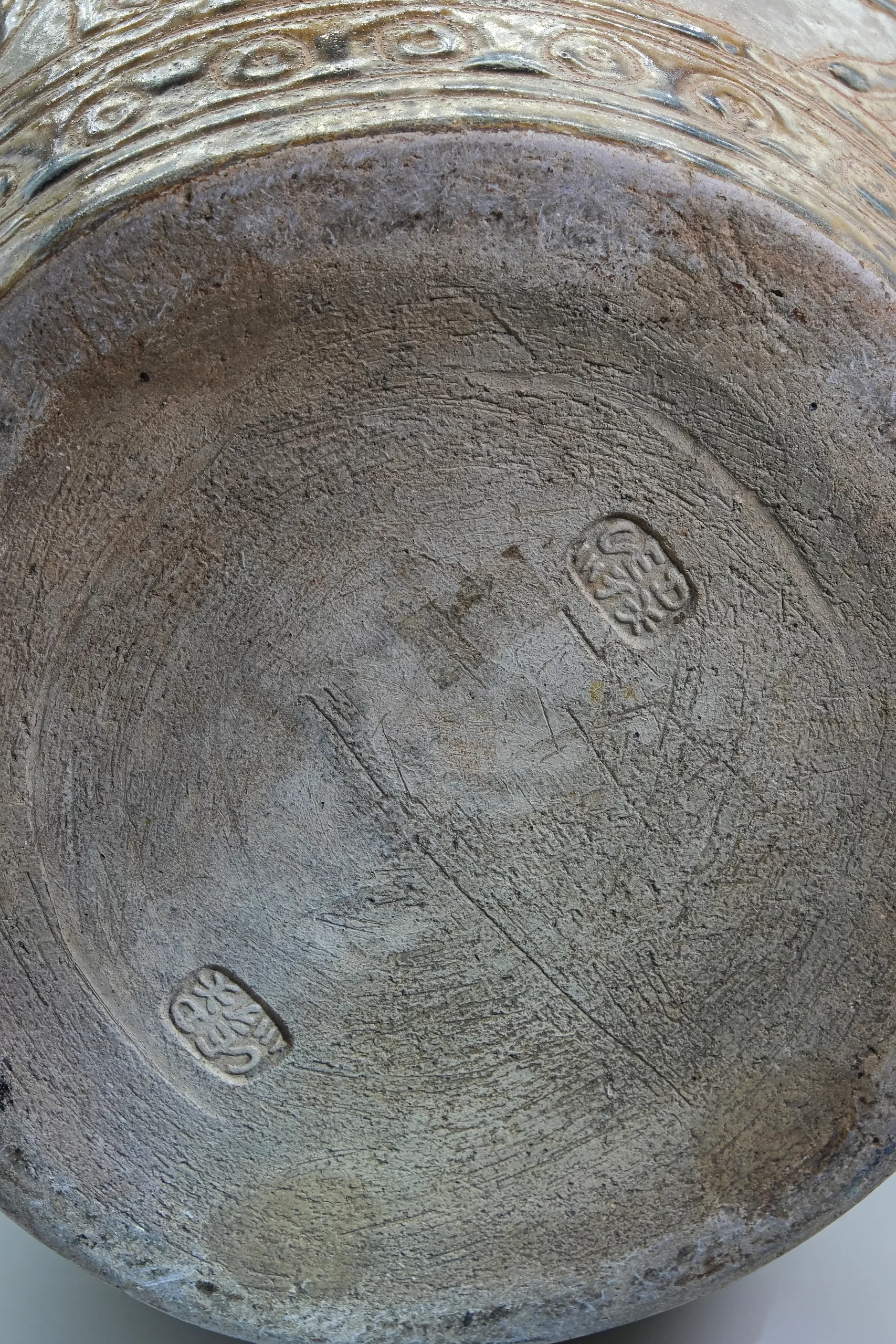
Bien Hoa ceramics with a stamp of the two Chinese characters 边和 in an oval frame with an indented border.
– The stamp with the two Chinese characters 边和 inside a rectangular frame with a raised border, with the characters written in a simplified and straightforward script. Most of the bases with this stamp also have a large rim.
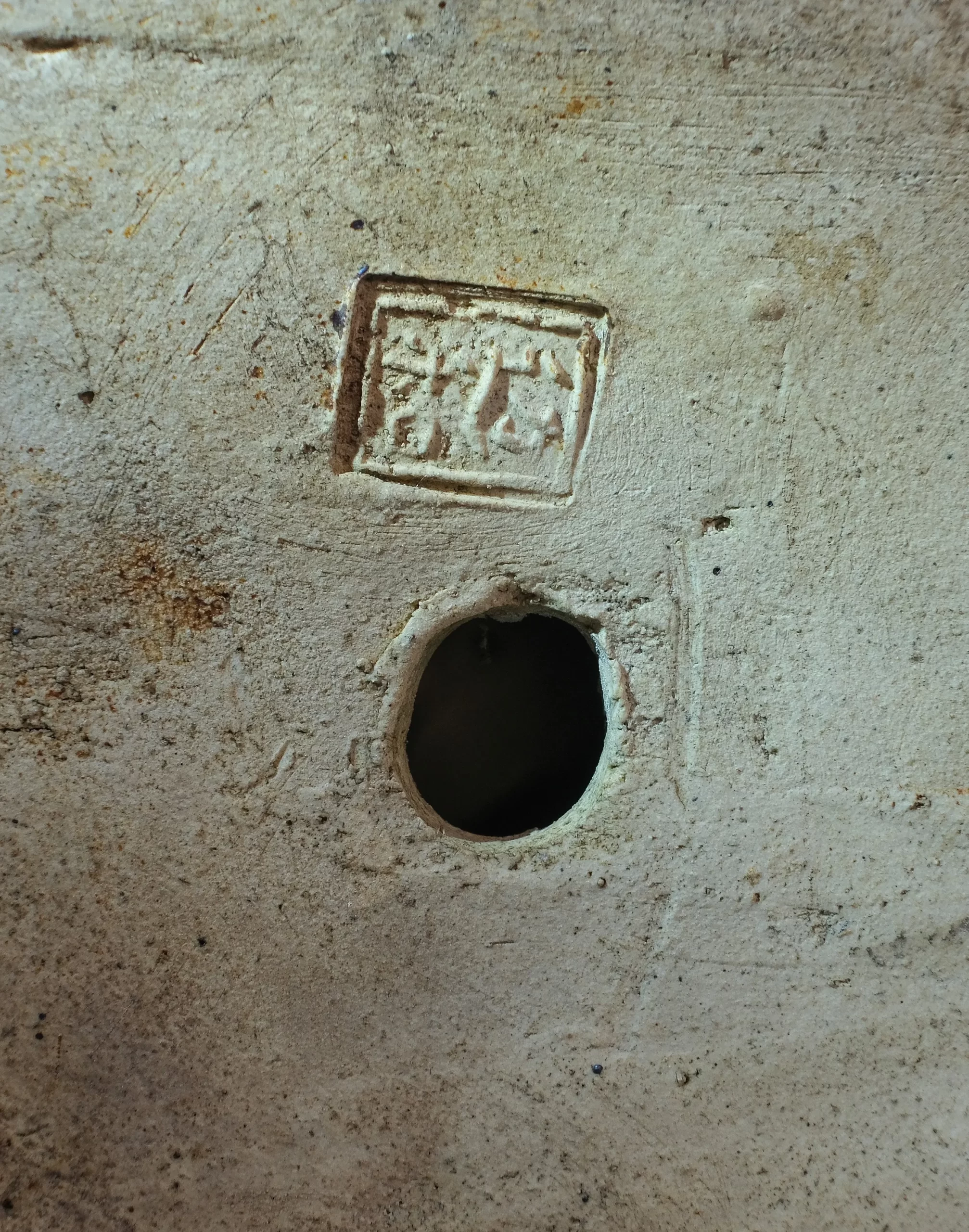
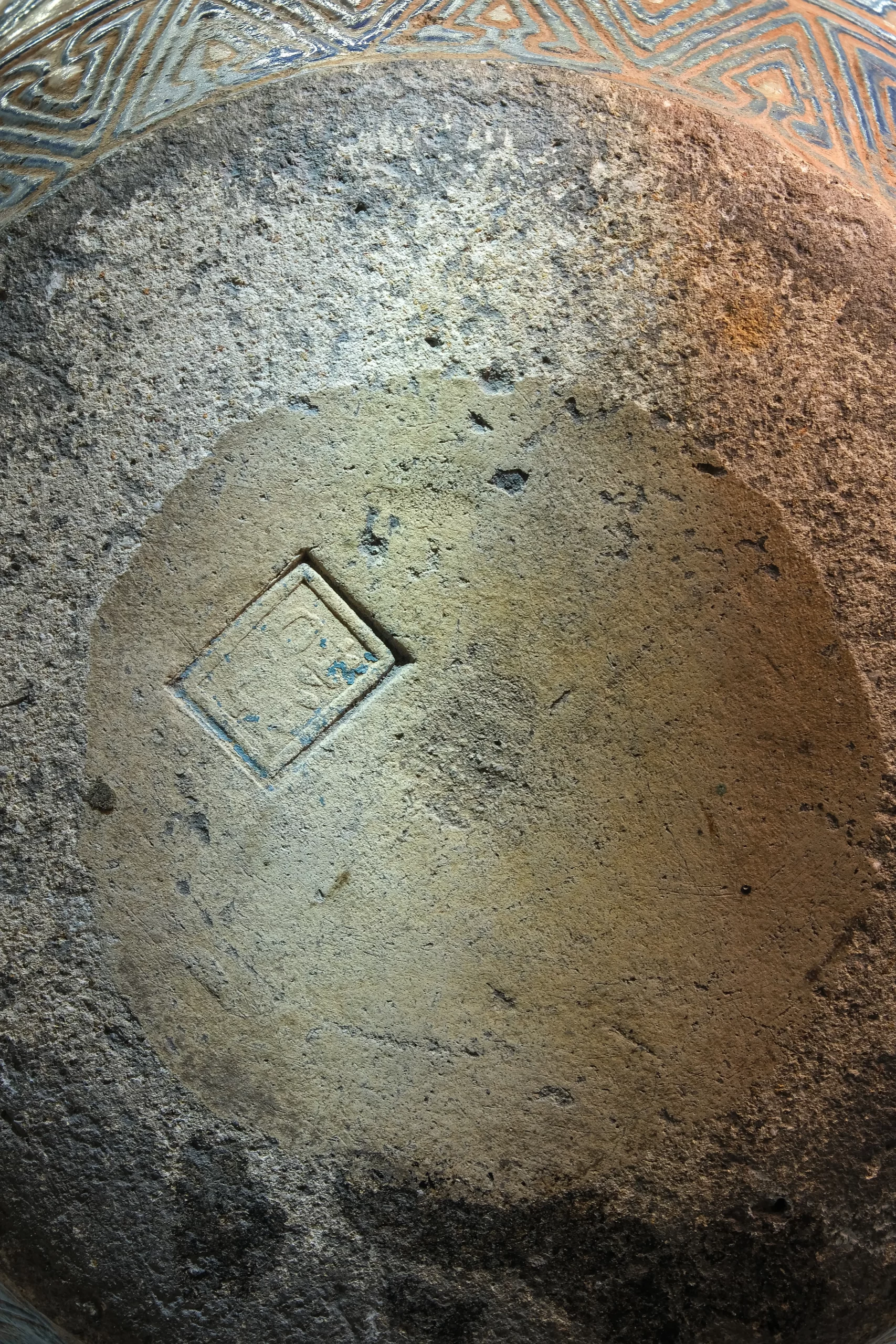
Bien Hoa ceramics with a stamp of the two Chinese characters 边和 inside a rectangular frame with a raised border.
– The stamp with the two Chinese characters 边和 without a frame, handwritten in ink or glaze.
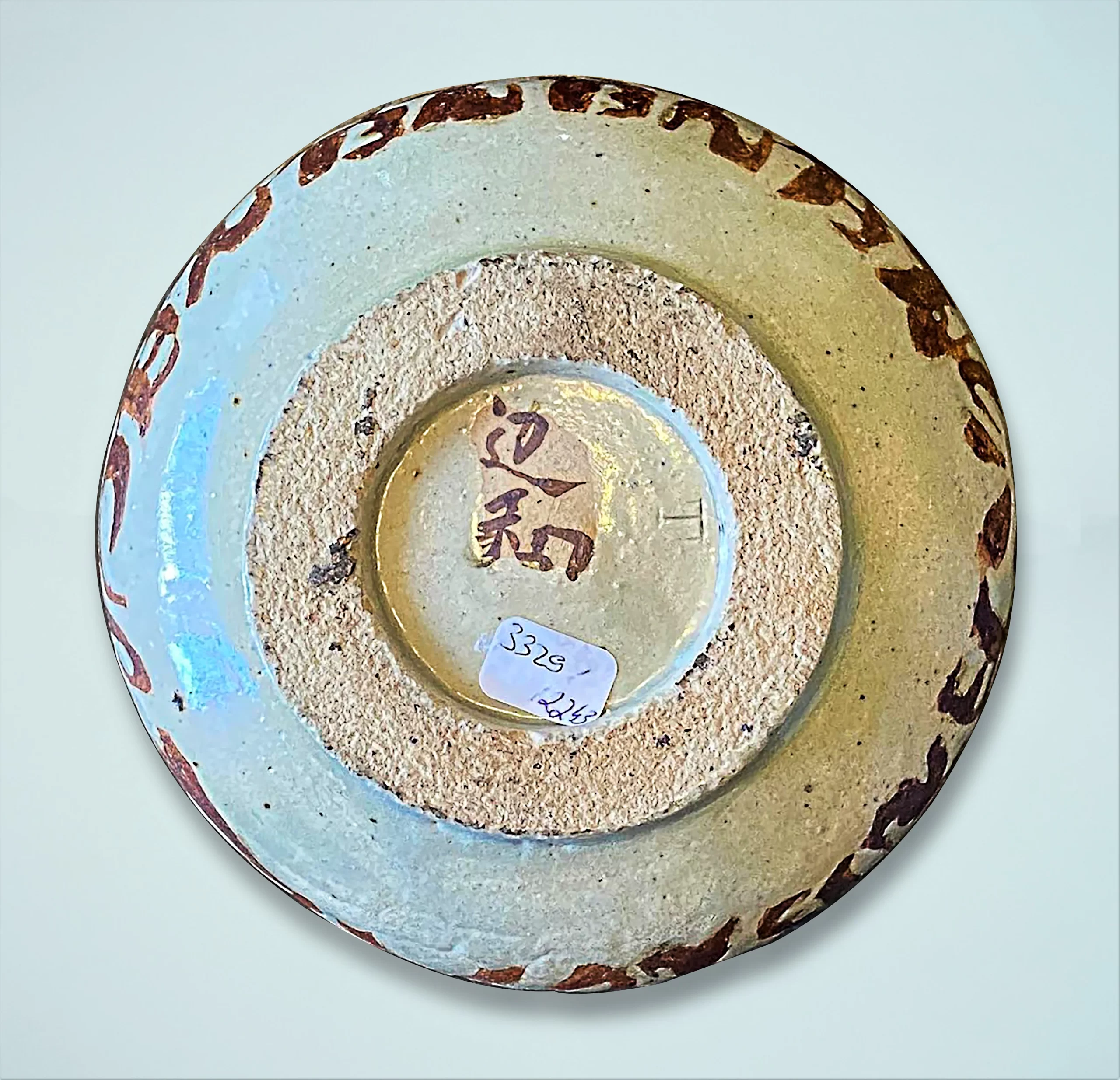
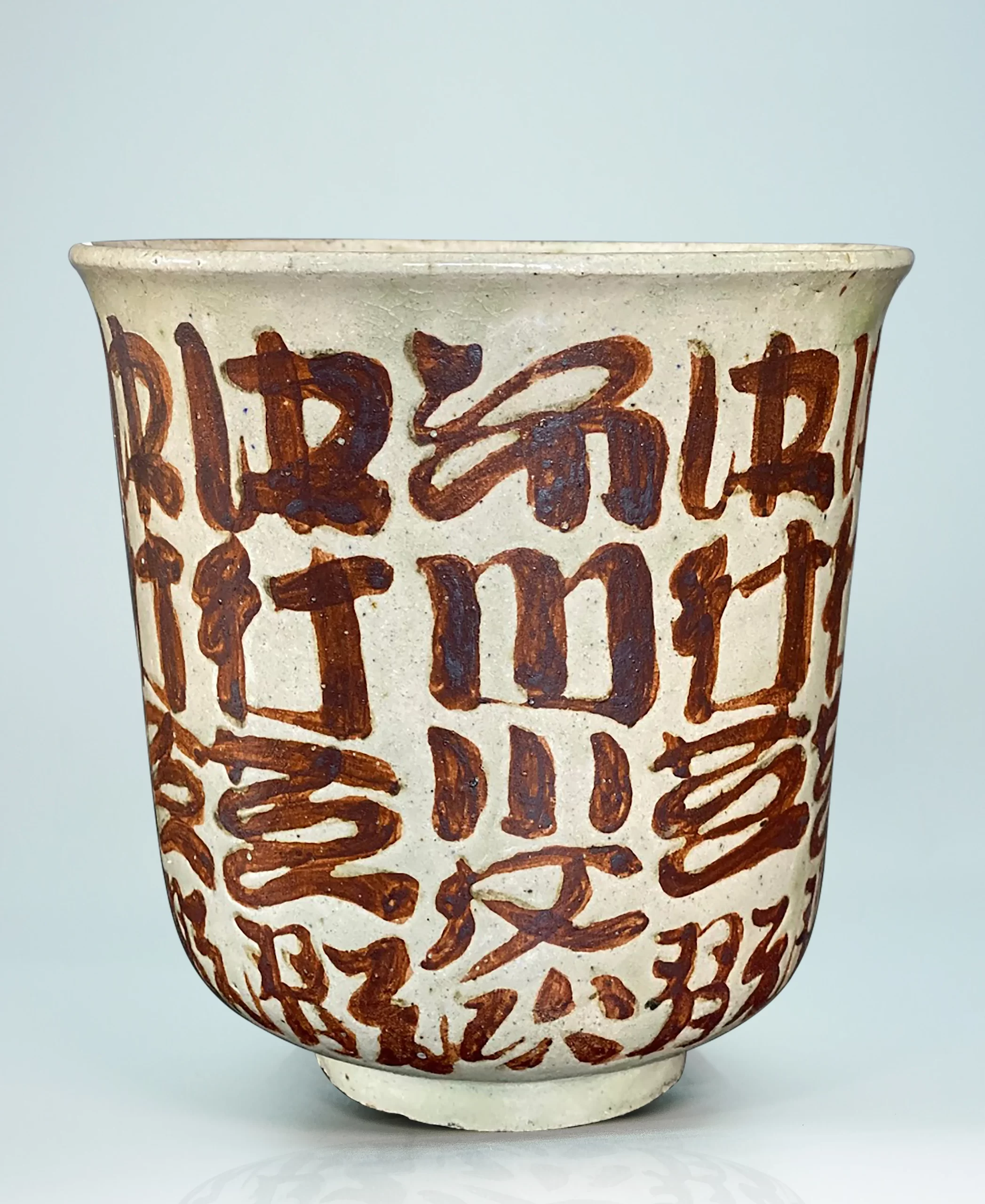
Bien Hoa ceramics with a stamp of the two Chinese characters 边和 without a frame, handwritten in ink or glaze
– The stamp with the two Chinese characters 边和 without a frame applied using a seal.
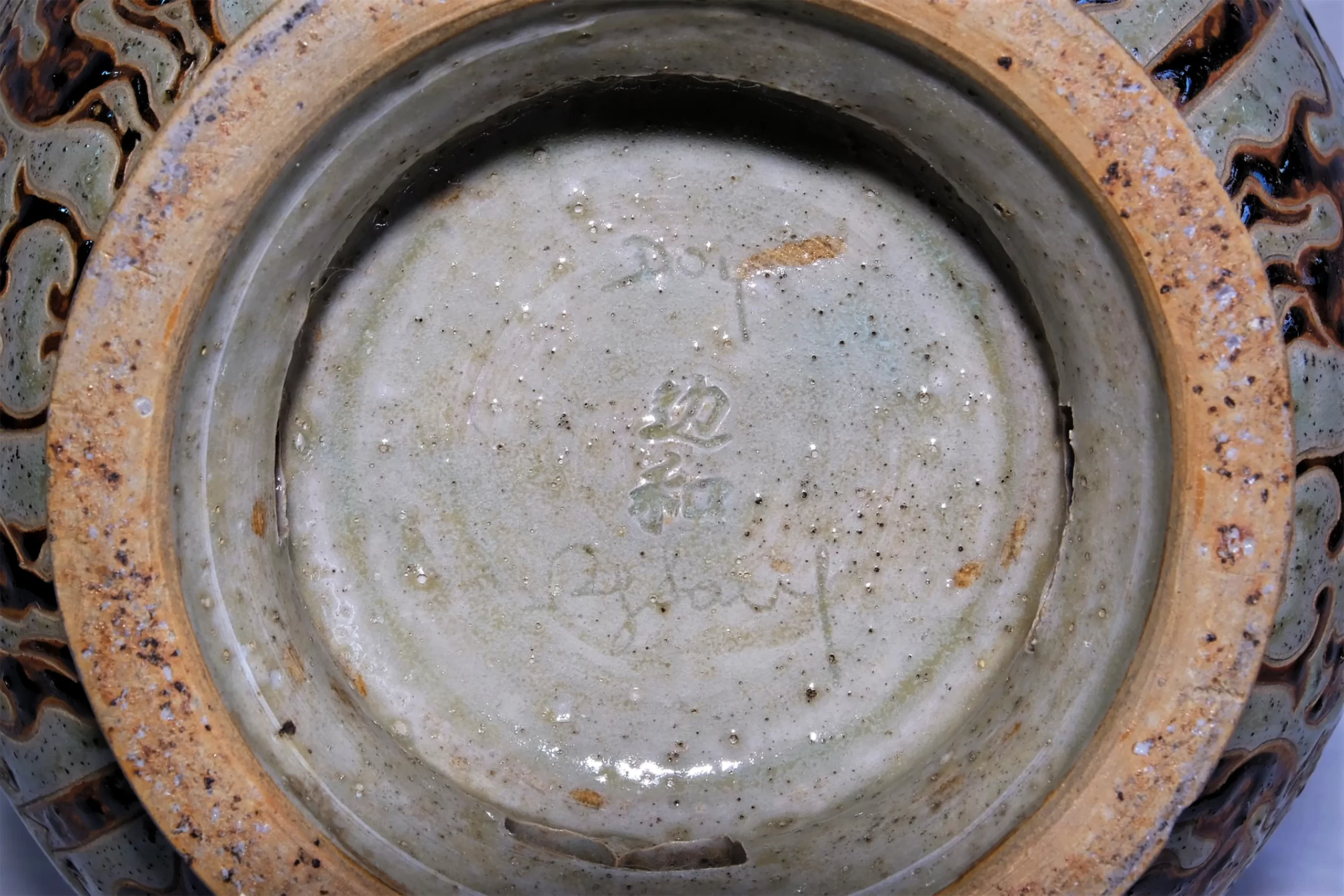
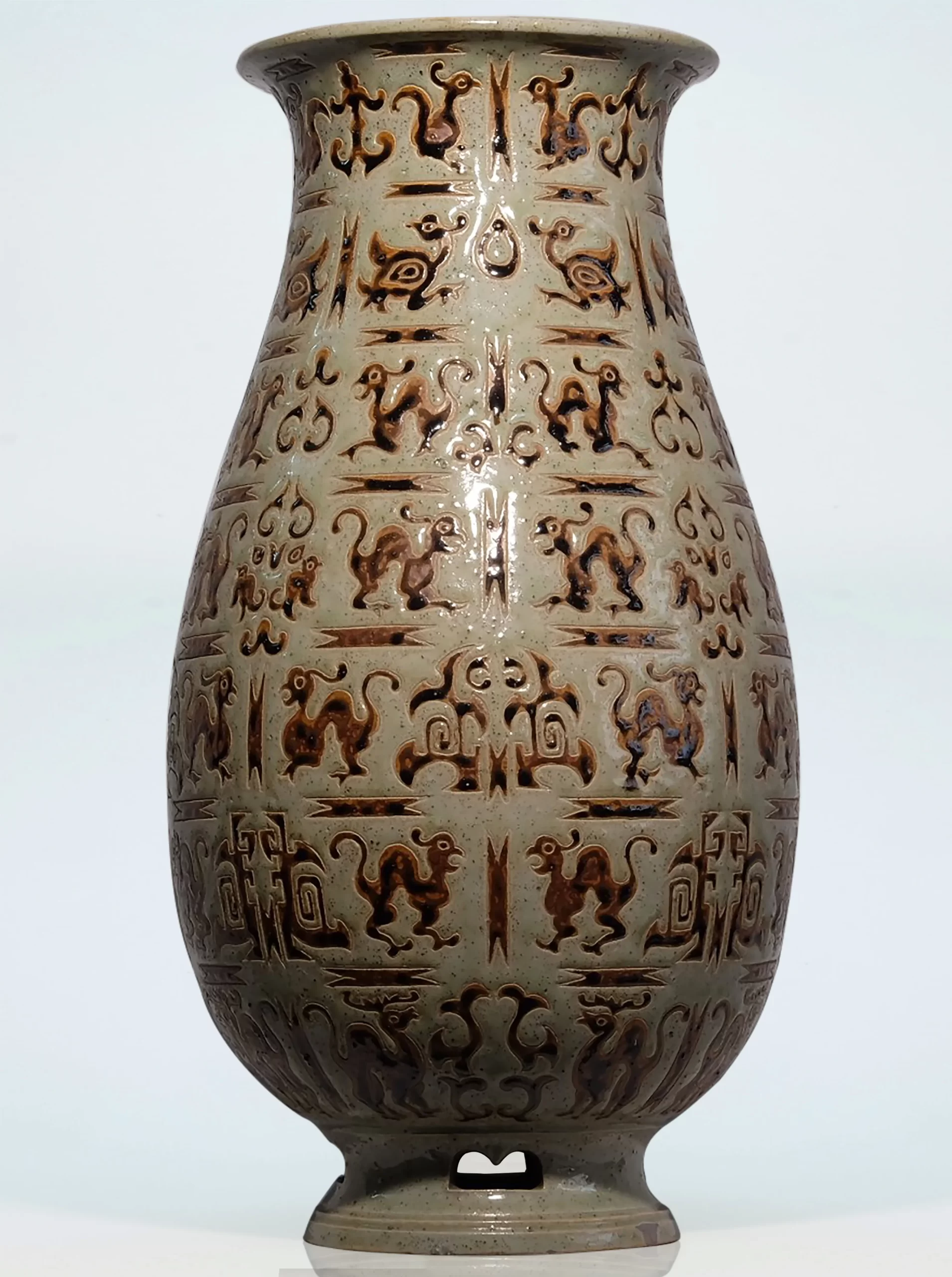
Bien Hoa ceramics with a stamp of the two Chinese characters 边和 without a frame applied using a seal.
– The stamp with four Chinese characters 美術边和 (Bien Hoa Fine Arts), written in ancient seal script inside a rectangular frame with a raised border, applied with a seal. Although the stamp is written in Chinese, it is read from left to right, top to bottom.

– The Latin script stamp in French and Vietnamese in a circular frame without a border which reads COOPÉRATIVE-MY NGHE-BIENHOA-VIETNAM. This stamp is often referred to as the bilingual round stamp.
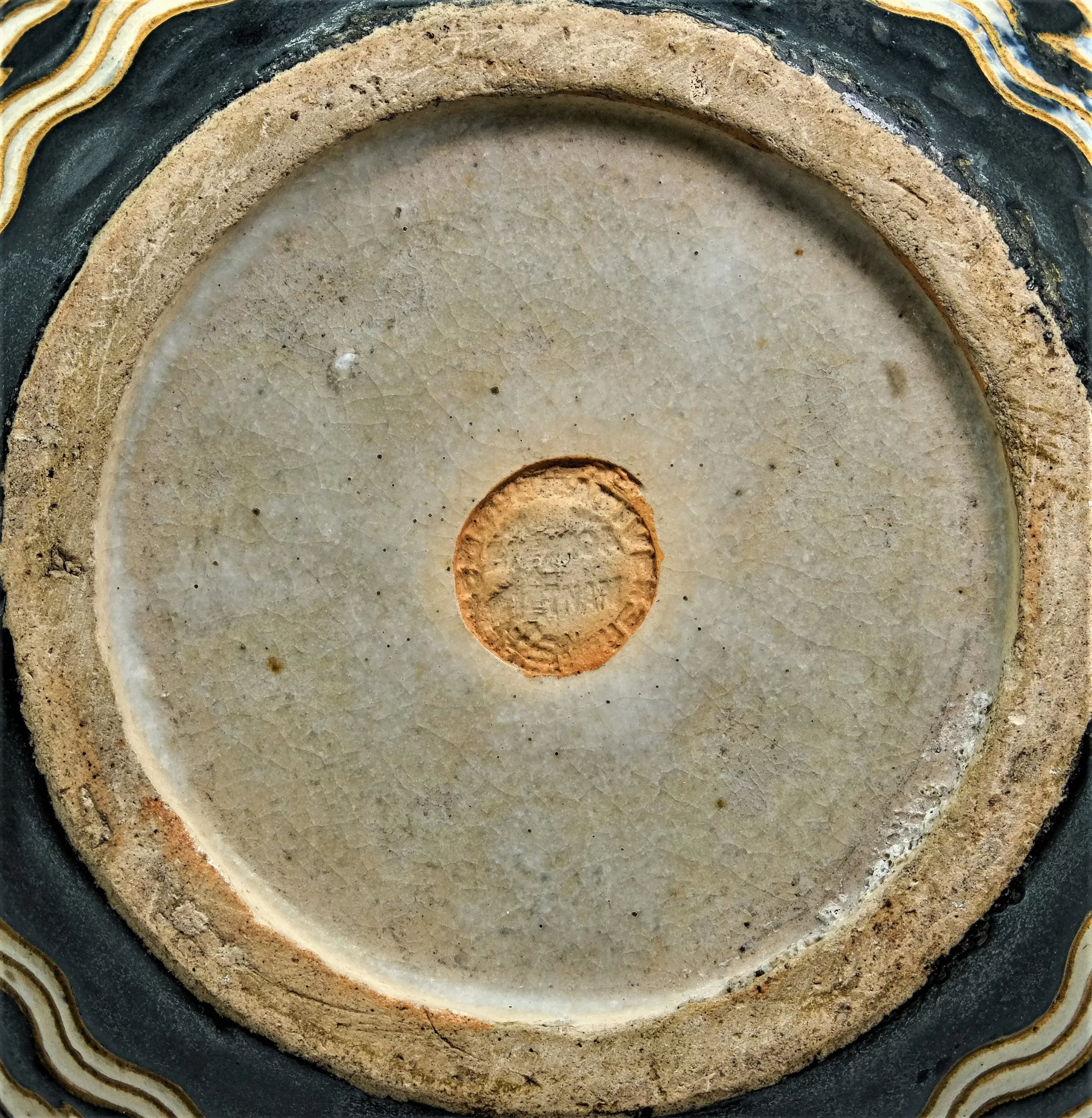
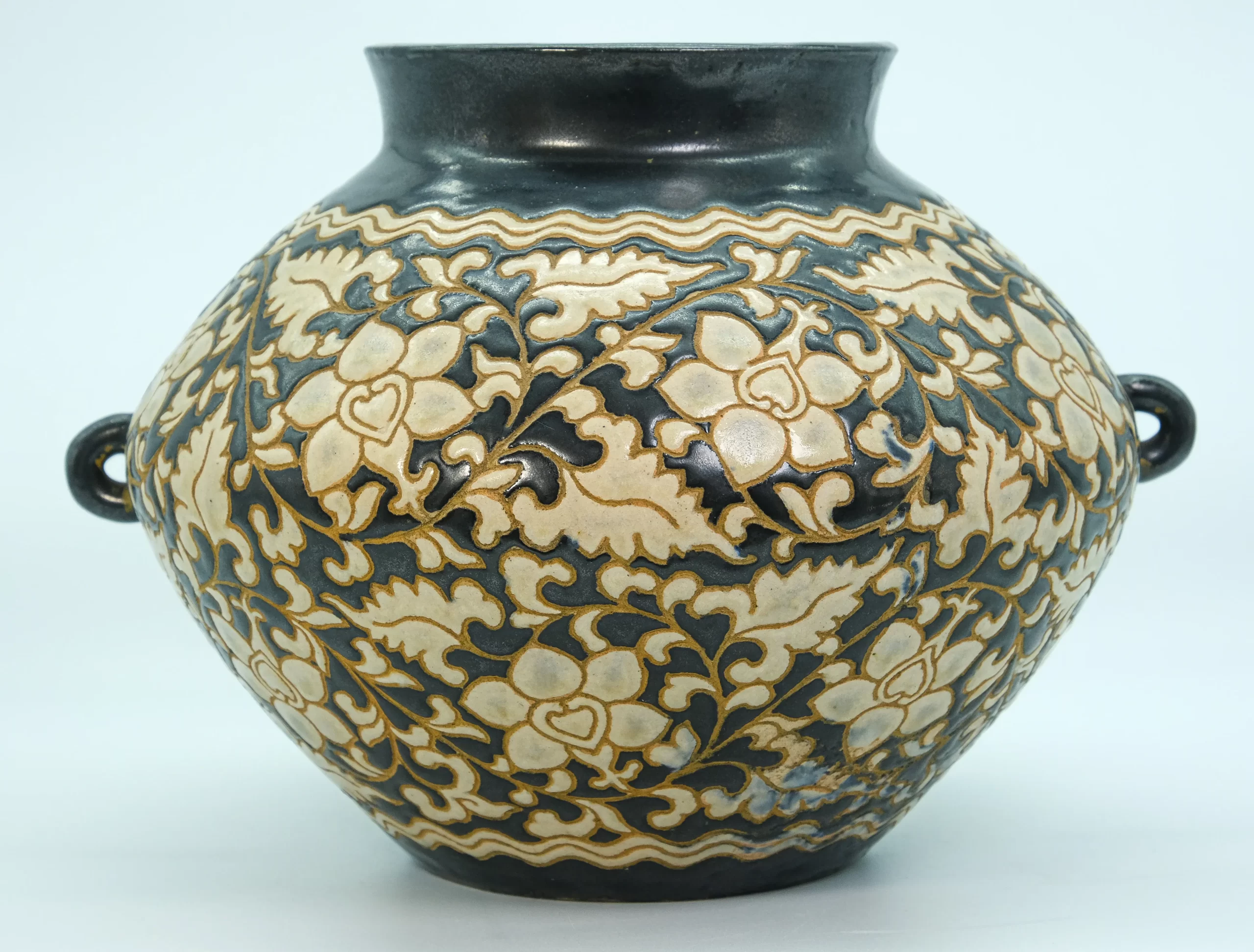
Bien Hoa ceramics with the bilingual round stamp, in Latin script (French and Vietnamese) in a circular frame without a border which reads COOPÉRATIVE-MY NGHE-BIENHOA-VIETNAM.
– The Latin script stamp in Vietnamese within a rectangular frame with either a raised or indented border, which reads MY NGHE BIEN HOA VIET NAM, sometimes combined with the production year or a separate rectangular stamp indicating the year, e.g., MY NGHE BIEN HOA VIET NAM BINH THAN (Bien Hoa Vietnam Handicraft, year of the Fire Monkey) in one rectangular frame or MY NGHE BIEN HOA VIET NAM and DINH DAU (Bien Hoa Vietnam Handicraft, and year of the Fire Rooster) in two separate frames. In these two examples, the items could be precisely dated to 1956 and 1957.


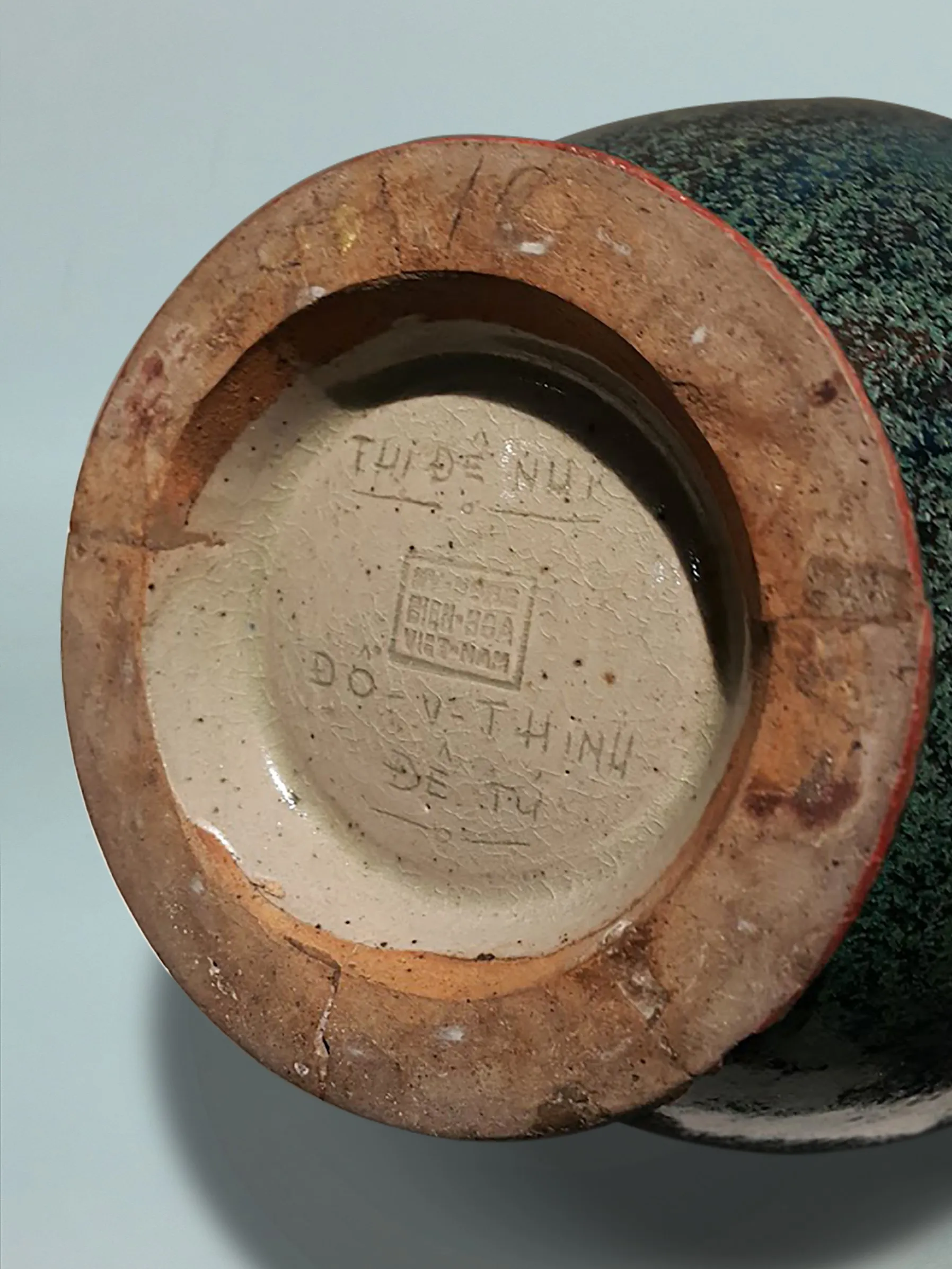
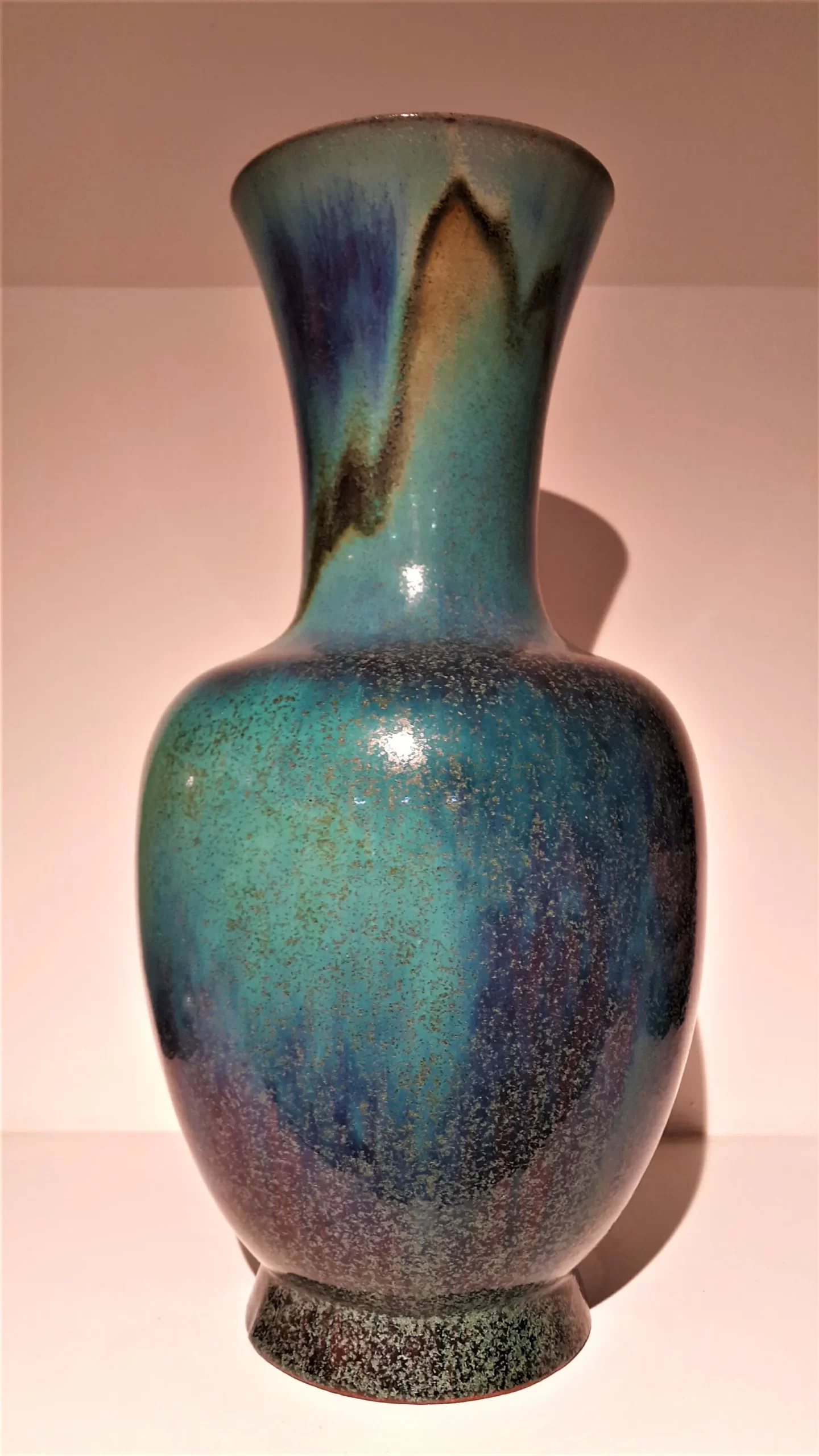
Bien Hoa ceramics with a Latin script stamp in Vietnamese inside a rectangular frame.
– The Latin script stamp in Vietnamese within a circular frame with an indented border, which reads *T.T.H.L.S.X.G* BIEN-HOA, which stands for TRUNG TAM HUAN LUYEN SAN XUAT GOM (Ceramic production training centre), with the letters VN in a small circular frame in the centre. This stamp dates to the 1960s.
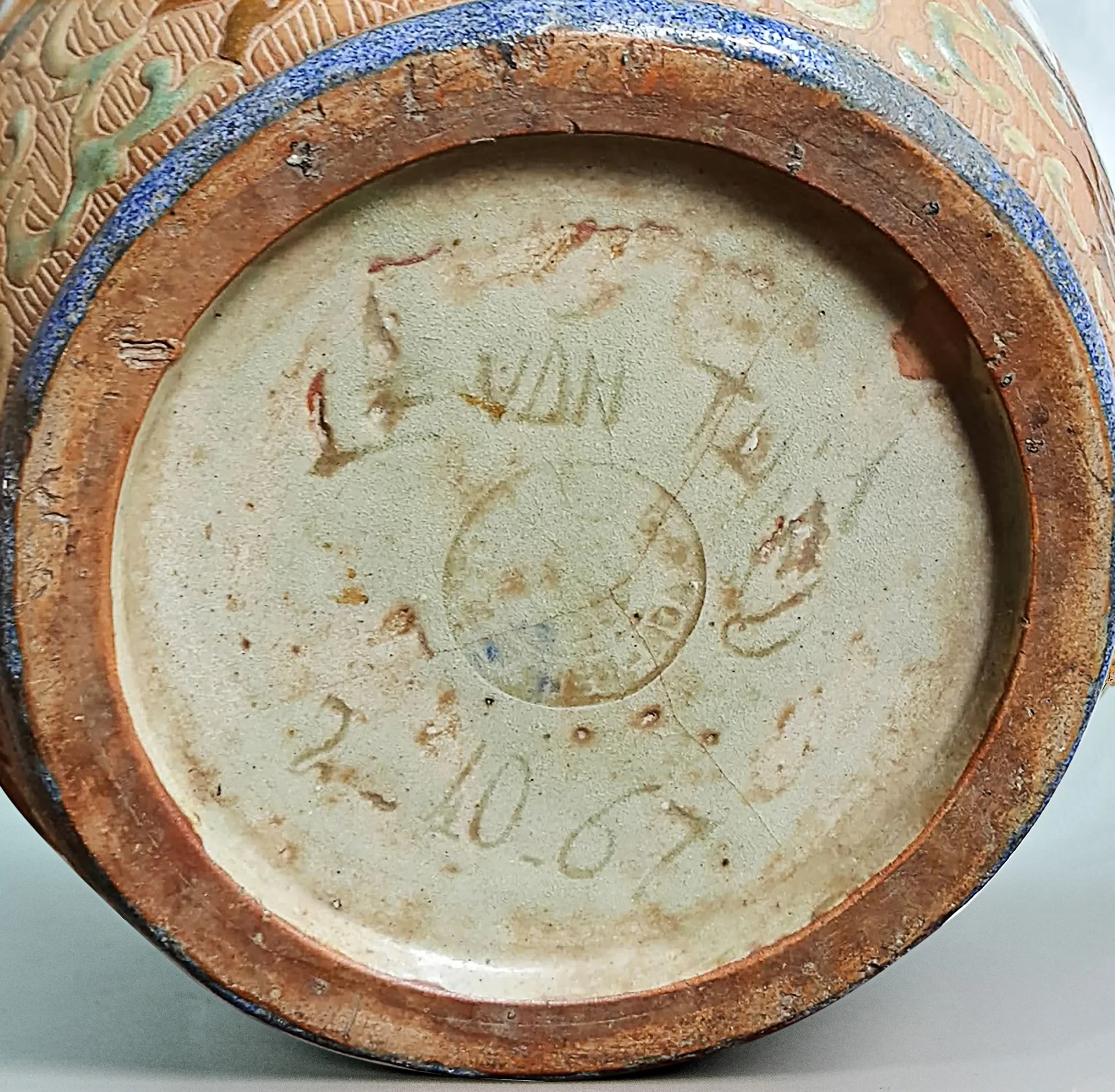
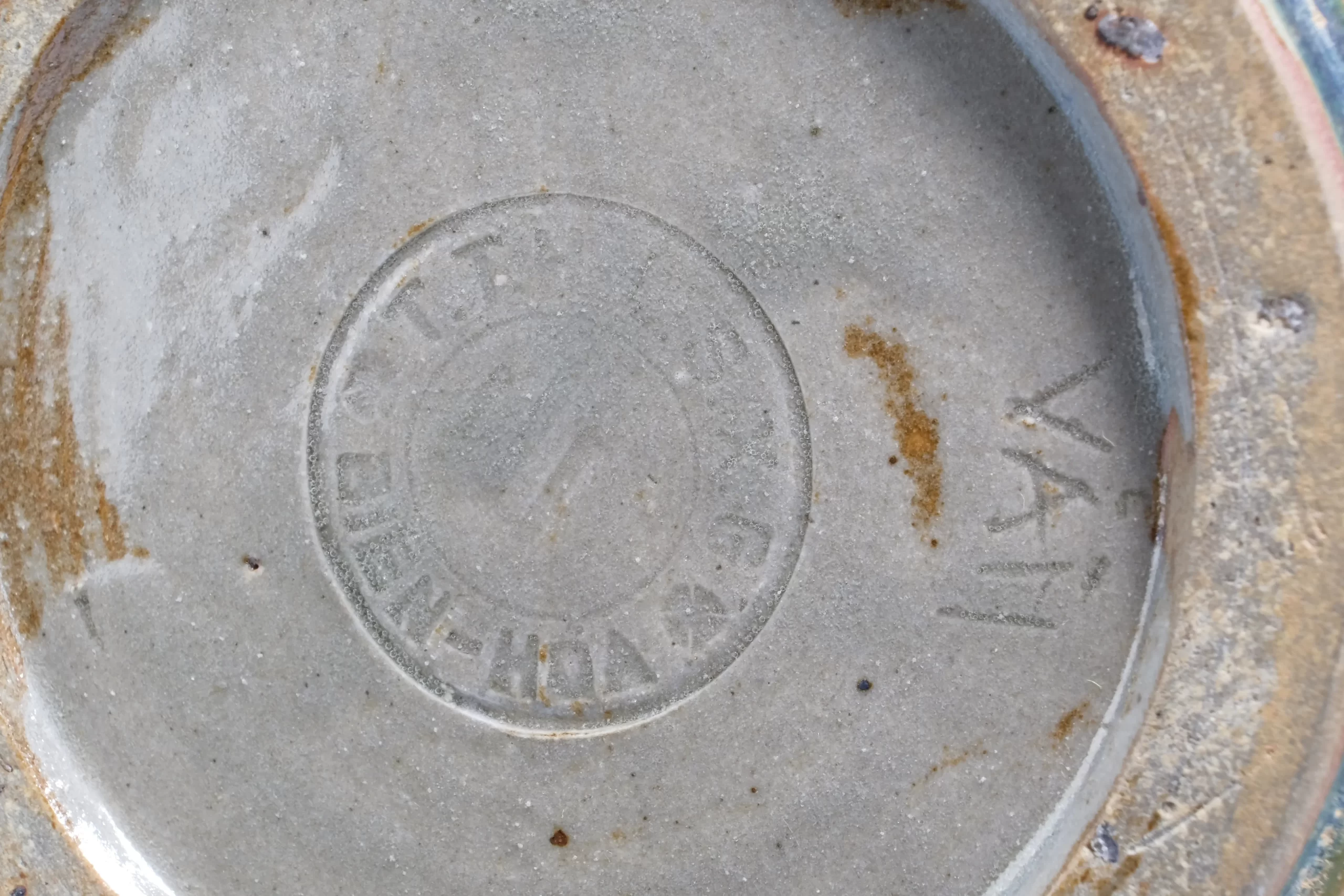
Bien Hoa ceramics with a Latin script stamp in Vietnamese within a circular frame with an indented border.
– Notably, there is a stamp bearing the name of sculptor Le Van Mau, who had taught at the Bien Hoa Fine Arts School since 1944 and became its sixth principal in 1963. His name is stamped in Chinese characters within a rectangular frame, which is applied to key works by him. These works are now highly sought after by collectors.

The above are personal insights accumulated during the process of collecting and exchanging antique Bien Hoa ceramics from the Bien Hoa School of Fine Arts. My motivation for sharing is to enrich perspectives on the antique Bien Hoa ceramics line, as well as to provide suggestions for those who consider to start collecting Bien Hoa ceramics to satisfy their passion. It is my hope that more collectors will join hands in preserving these artistic and heartful Bien Hoa ceramic works.
Words: Nguyễn Ngọc Quý
Translation: Hà Đào