Around the world, artist residency programmes boast a long and varied history, ranging from formal institutions within museums, such as the residency program funded by The Museum of Modern Art (MoMA) in New York, to experimental models like A.R.C in Turkey, where artists live in caves and are provided boats for transportation. The target audiences for these residencies are equally diverse, from online residencies for artists with disabilities, initiated by artist Dominic Quagliozzi, to farm-based residencies like Horse and Art in Barnag, Hungary, or programmes dedicated to artist-mothers such as Art Mamas in the Catskill Mountains of New York, USA. This diversity stems from a multitude of factors and serves varying needs, yet the common thread across all residencies remains a singular focus on the artist at their core.
In Vietnam, many artist residencies began to emerge and operate in the 2010s, primarily concentrated in the two major cities of Hanoi and Ho Chi Minh City. However, through our research, we discovered a surprising fact: the first artist residency programme in Vietnam was actually established in Hue in 2008 – the New Space Arts Foundation by Le Brothers. Building on that history, AirHue was founded in March 2024, bringing a fresh perspective. Art Republik had the opportunity to speak with its founder Thien Thanh (Nu) and curator Nguyen Minh Ngoc.
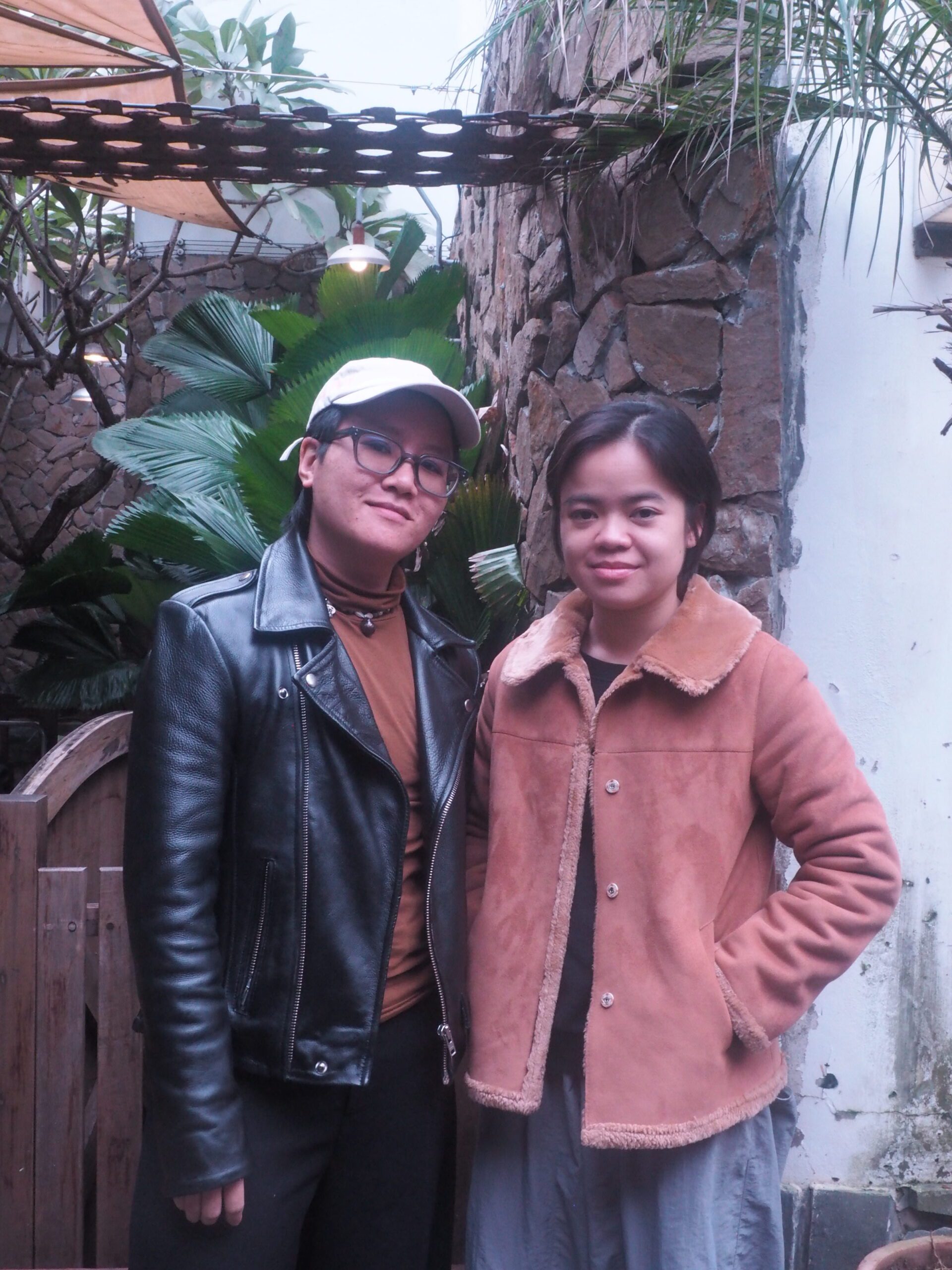
To start off, may I ask a foundation and direct question, why AirHue?
Nu: I like to call Hue a place full of magic – so much so that I sometimes compare it to New York City, where I used to live. When I first came to Hue, my main purpose was to visit Mdm Diem Phung Thi’s grave, but I also had the chance to reconnect with artist Nguyen Thi Thanh Mai and meet some students from the Hue University of Arts. They invited me to be a speaker for a talk they organised, where I shared my experience running Chao Chaosdowntown art hostel, publishing Vănguard, and covering the basics like writing an artist statement and building a portfolio, etc.
The students asked thoughtful questions and shared their concerns, like how to apply for funding to create their work or how to connect with people outside their immediate circle. That was when I realised the core question for many young artists practising in Hue: “How can we live off art after graduation?” Those encounters sparked something in me, and I felt a strong urge to create something meaningful here in Hue.
The decision to establish AirHue stemmed from two main influences. A few months ago, I received a scholarship from MassMoca in collaboration with A4A for capacity building, where I was trained by Carolina Parros, the residency program manager at MassMoca. Secondly, I’ve always been particularly interested in the shared dynamics of communal spaces. A residency space, in my view, is an ideal environment to accompany and observe the research, experimentation, and growth of artists.
Hue is inherently a land rich in potential for the arts. It nurtures learning through its deep cultural heritage and vibrant craft village activities, as well as being home to many artisans. However, for growth to truly flourish, a healthy ecosystem is essential – spaces that facilitate exchange and connections between individuals. Perhaps a residency space could serve as a fertile ground for nurturing these artistic seeds.
Ngoc: My years working at the New Space Arts Foundation with the Le Brothers gave me the opportunity to observe the creative process of many artists. It felt like an unpredictable journey of highs and lows. Finding something new within the seemingly familiar materials of life is an indescribable joy. It affected me so deeply that I realised I might actually be living for those moments of surprise – or maybe it simply revealed that part of myself. Either way, the outcome is the same: beyond enjoying the final artwork, I also want to be part of the creative process. Creating a residency space for artistic creation feels like a natural step forward. AirHue’s focus on working with young and emerging artists aligns perfectly with me. There’s an energy in them that I want to absorb and nurture – even though, of course, it comes with the complexities of such abundant vitality. It might sound idealistic, but that’s exactly how it’s played out in practice. These factors have drawn me deeply into AirHue.
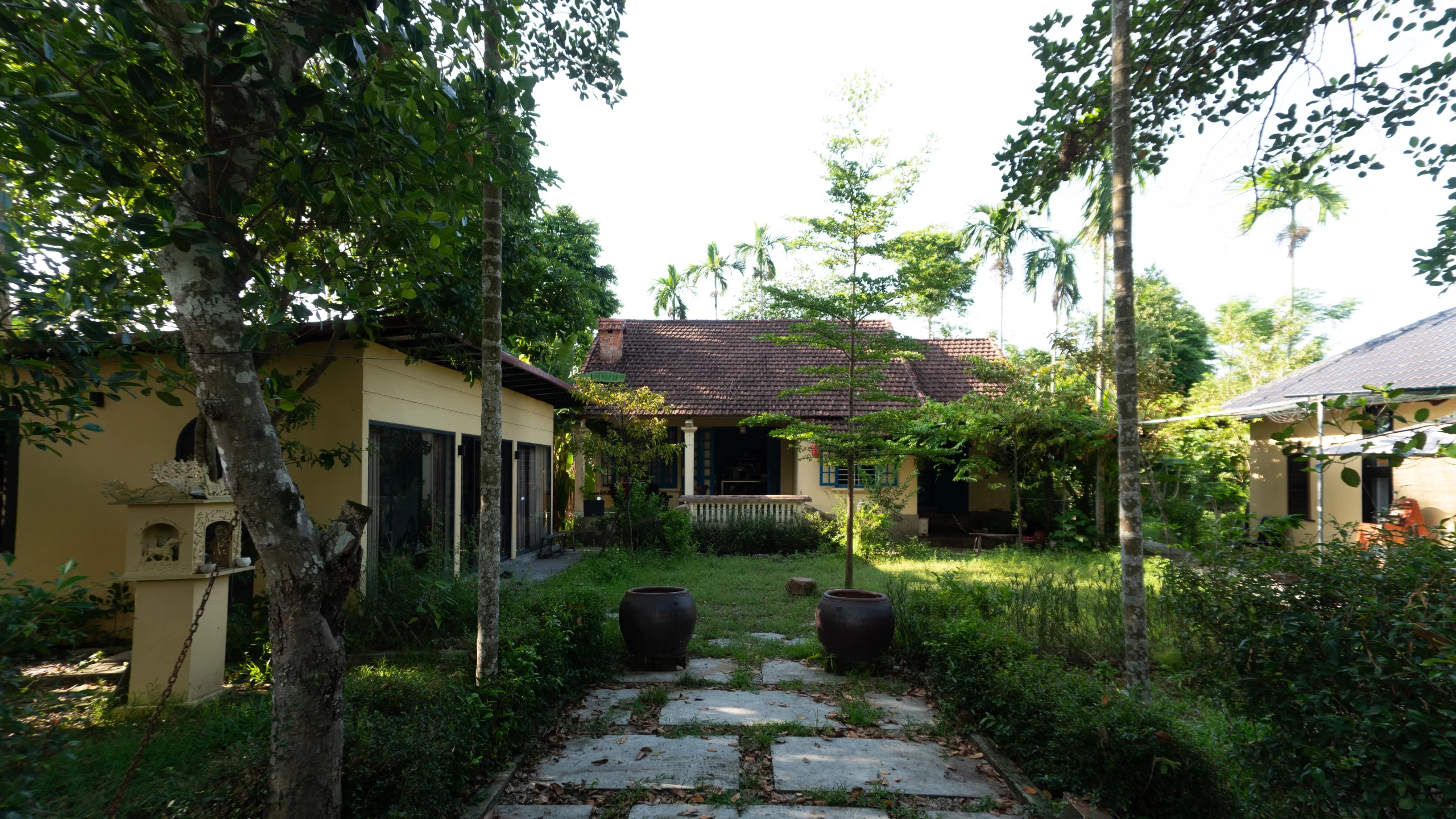
Coming from a different region, did you feel that choosing Hue as your home and place to grow was a risky decision?
Nu: Actually, from the beginning, I didn’t plan to stay in Hue or set up a space. I only wanted to share the experiences I had. One of the important things that made me realise I wanted to stay in Hue was the friendships I built with creative people and the feeling of being in tune with their artistic spirits.
I was first introduced to Ngoc because at that time, they were managing the residency program and curating guest artists at New Space Arts Foundation. At first, when I shared the idea, Ngoc actually turned it down – maybe because they couldn’t see the potential of the space before it took shape. But in the end, we both got swept up in it! Though, perhaps Ngoc also sensed that “magical pull” I mentioned earlier? I’ll leave that to Ngoc to answer.
Ngọc: Thank you, Nu. Actually, I initially turned it down because of time constraints and worried I wouldn’t be able to do the job well! But honestly, when I first heard the idea, I sensed something bright and promising opening up. There was some hesitation when Nu shared the concept, because the stillness of Hue doesn’t offer as many opportunities to connect resources like Hanoi or Ho Chi Minh City. That’s probably our job, to create conditions and encourage new connections. But here, there’s still a quiet yet resilient network of artistic practice. Many generations of artists and artisans live and work here, and both local and international artists come and go, leaving behind and taking with them beautiful things. Living and growing alongside this ecosystem might open up new possibilities, right? There could be risks, but at least we won’t be alone.
I was born and raised in Hue, so that connection naturally makes me a bit biassed, but I do believe in the magic Nu mentioned. The atmosphere here truly has something strange about it – alive, but gentle and simmering beneath the surface. It makes me think that Hue is the perfect place for study, research, and creation. Compared to big cities, Hue has fewer urban distractions, so it’s less likely to pull you away from what really matters.
In the context of global and local residency programmes, what is AirHue’s direction and approach?
Nu: AirHue focuses on young artists, so creating their first shows is part of our overall direction. Building a complete artwork in a short time frame – from one to three months – can be a real challenge for them. To support this process, AirHue involves a team including curators, space managers, and production staff from day one, making sure to optimise their residency experience.
AirHue also prioritises and encourages practices that involve learning about the local context, researching materials, and connecting with other artists. This ties into the team’s goal of creating a grounding point for artistic practice in a specific location, while still keeping an eye on the broader scope of a globalised era.
Ngoc: Throughout this process: we hope to foster lasting connections and accompany young artists on their journey of exploration and career development.
“AirHue also prioritises and encourages practices that involve learning about the local context, researching materials, and connecting with other artists.”
AirHue’s three key pillars are artistic practices, experimental research and community engagement. How are the second and third pillars manifested?
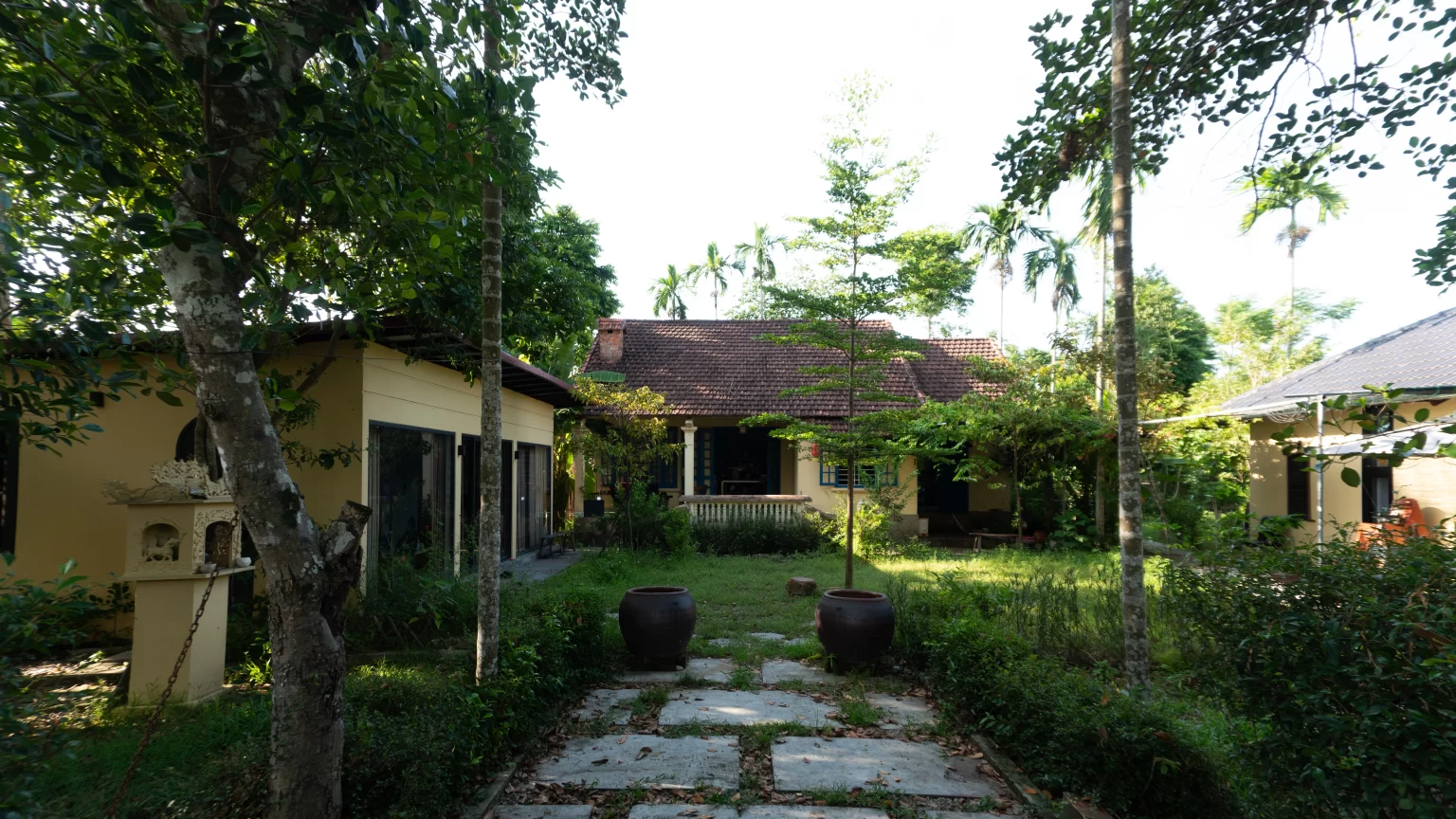
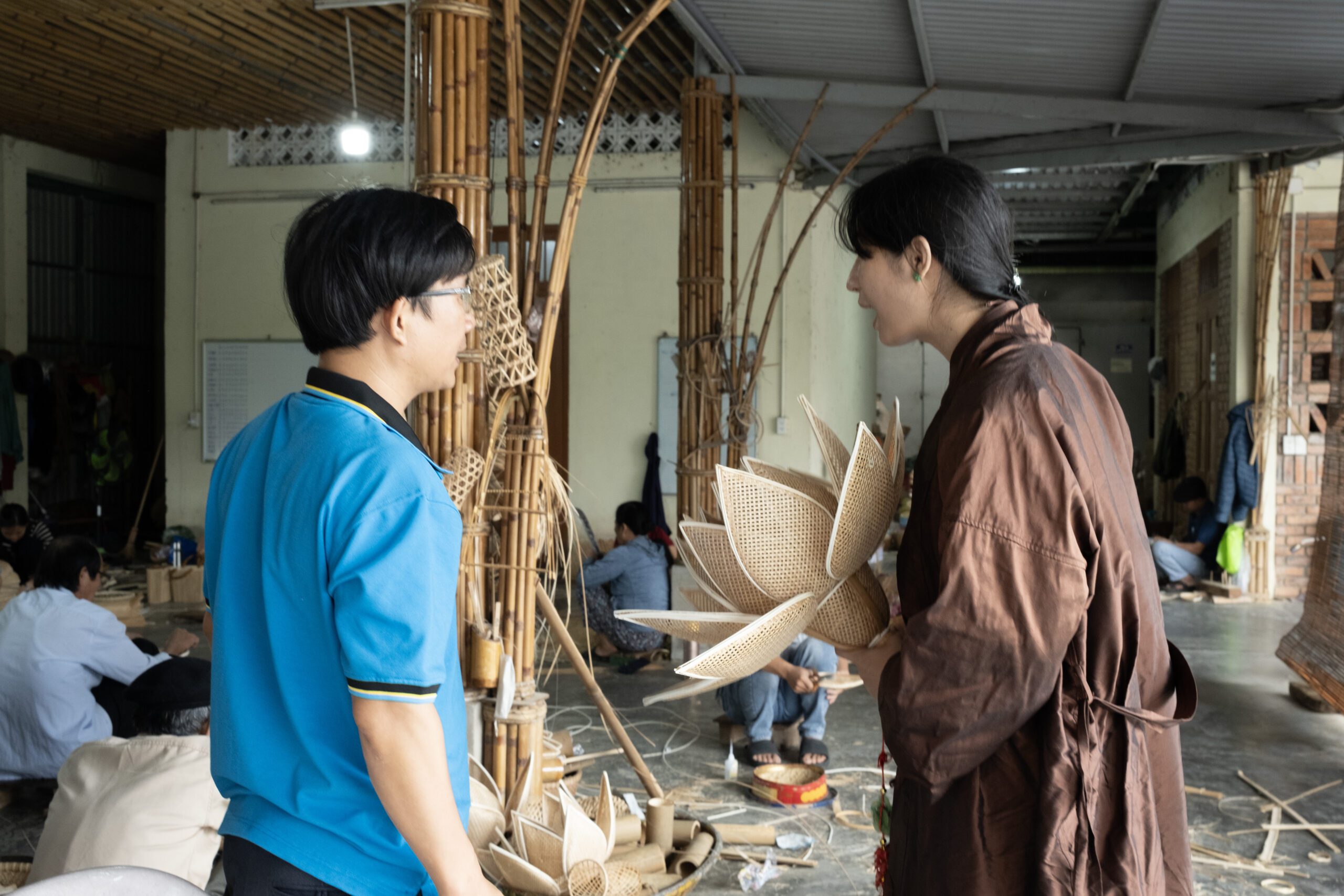
Nu: Surrounding AirHue’s current space are local artisans who make paper offerings, engrave calligraphy, craft bronze sculptures, and practice Trúc Chỉ art, to name a few. AirHue creates opportunities for artists to experiment by actively introducing and connecting them with these local artisans, so they can grow together and bring their ideas to life.
AirHue also strives to create a multicultural connection by bringing in artists from outside Hue and international artists to work in the same space during workshops, discussions, and performances. These connections will naturally form and develop over time. The learning process is not only for the local artists but also for the international artists who come here.
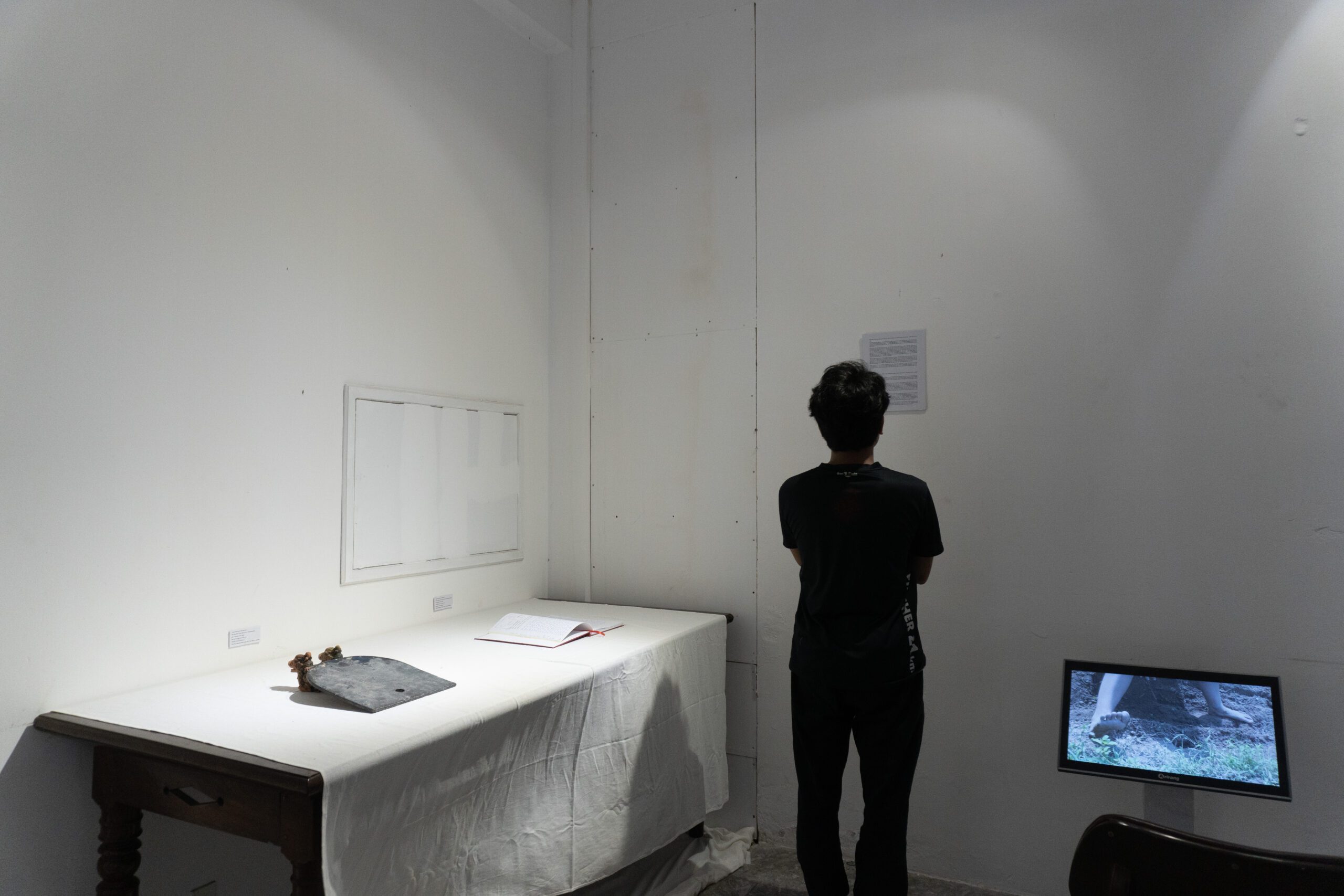
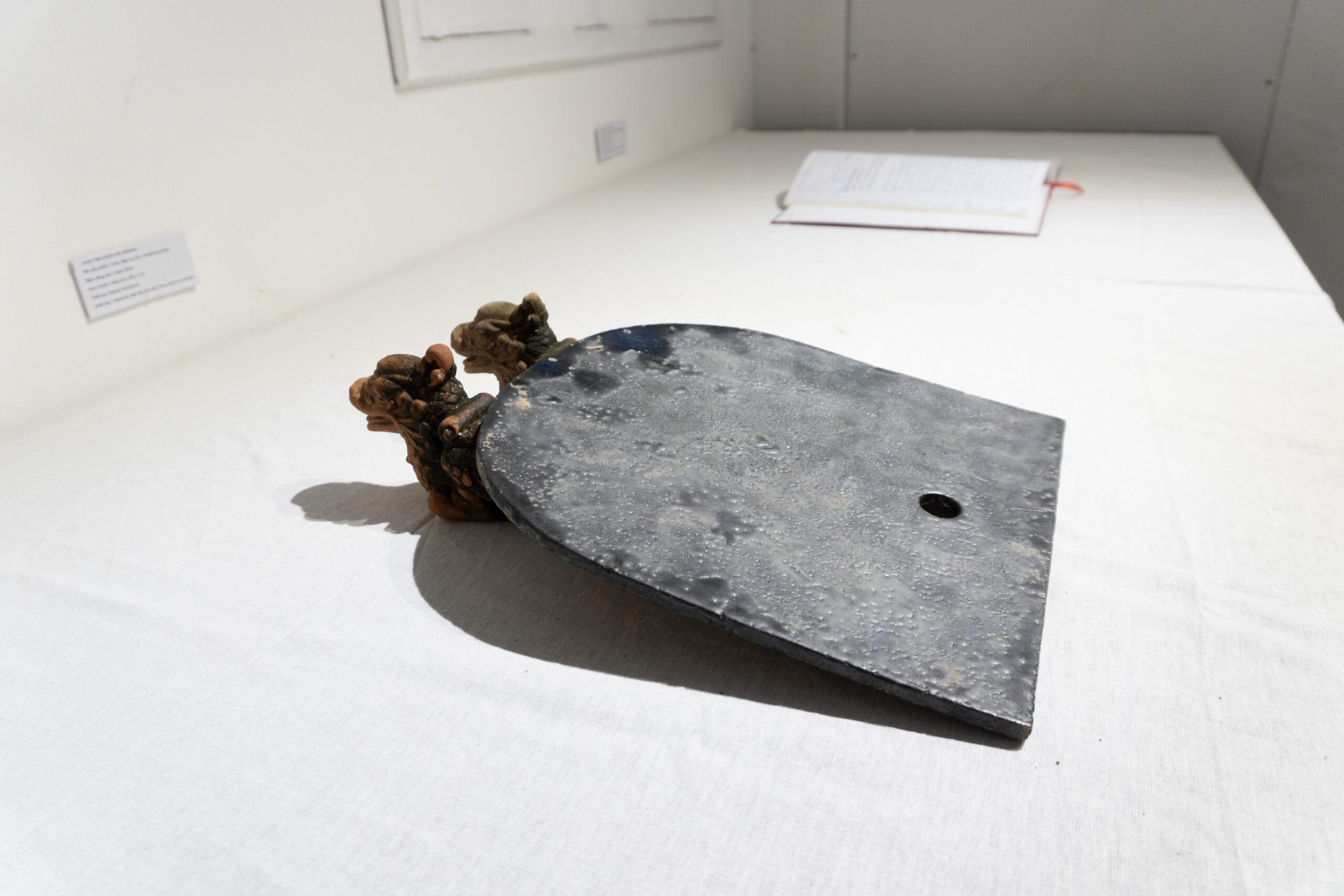
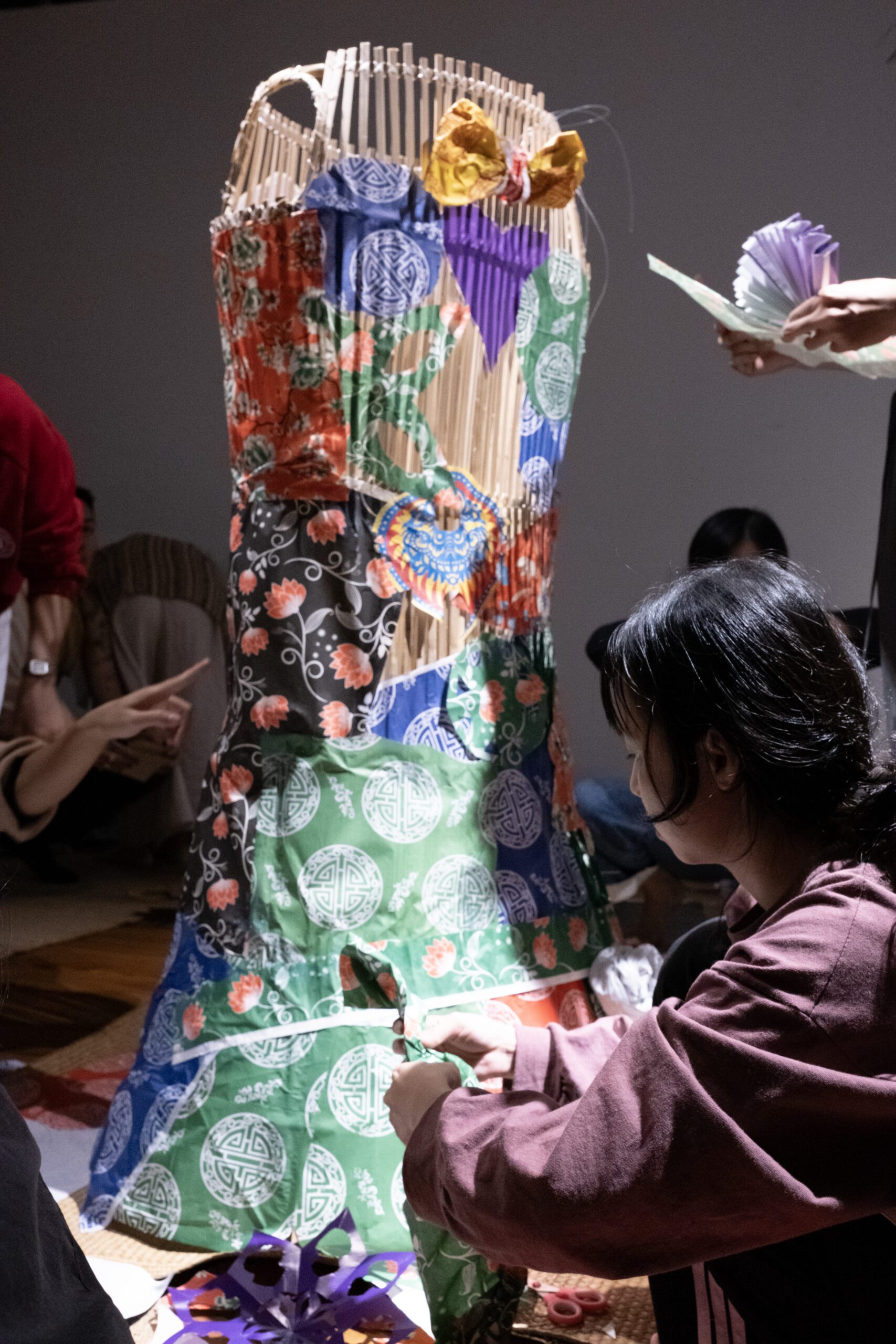
Ngoc: For the first residency season, AirHue welcomed two resident artists, Pham Nguyen Anh Tu and Tran Quynh Nhi (Nhi Di Tu), along with guest artists Tuong Danh and Lien Pham. Besides connecting them with the contemporary art scene in Hue, AirHue introduced Nhi to work with Do Huu Triet’s enamel workshop and supported Tuong Danh in her work with the lion dance artisans and at Nguyen Dai Nghia’s sound metal workshop. The research at these spaces helped them develop their projects in line with the contemporary themes they were pursuing. Tu’s creations during the residency connected with Hue ideologically. His installation sculpture was inspired in part by the cracks formed over time on the walls surrounding the Imperial City of Hue – a significant entity in the region’s history and culture. Lien, on the other hand, chose to connect directly with Hue audiences through a zine-making workshop, immersing participants in the endless possibilities of paper. In short, based on each artist’s existing practice and contemporary interests, AirHue taps into the rich resources of Hue and creates a tailored residency experience grounded in the pillars the team has established.
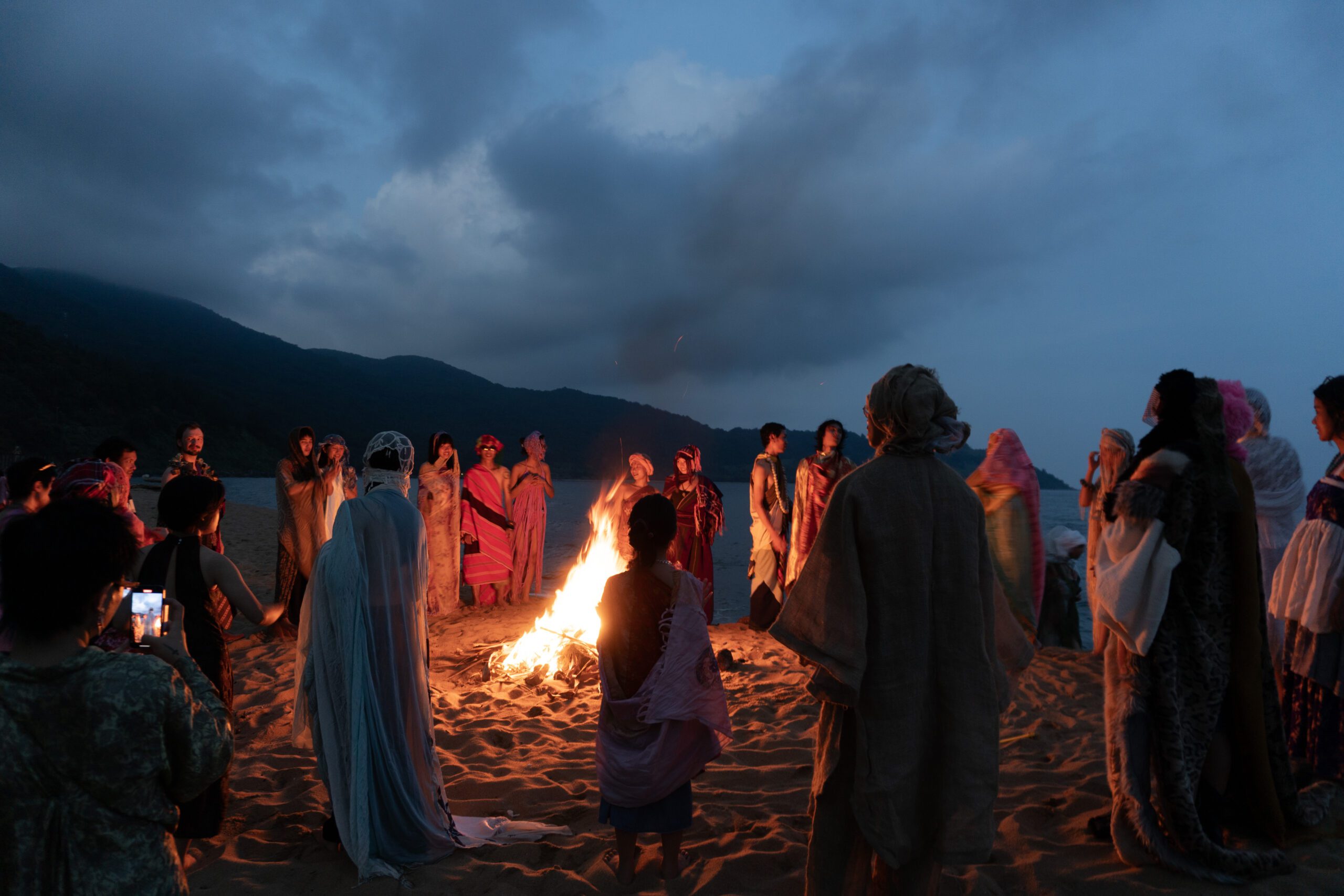
This doesn’t mean that the residency experience is rigid or confined. On the contrary, interesting things still unfold. Take, for example, Tran Quynh Nhi’s project “Breathing Soil” – a 12-hour performance of “death meditation.” All the plans that were set out were upended by what emerged during the research and creation process, forcing the artist to adapt to the materials and, most importantly, face the limits of her own self.
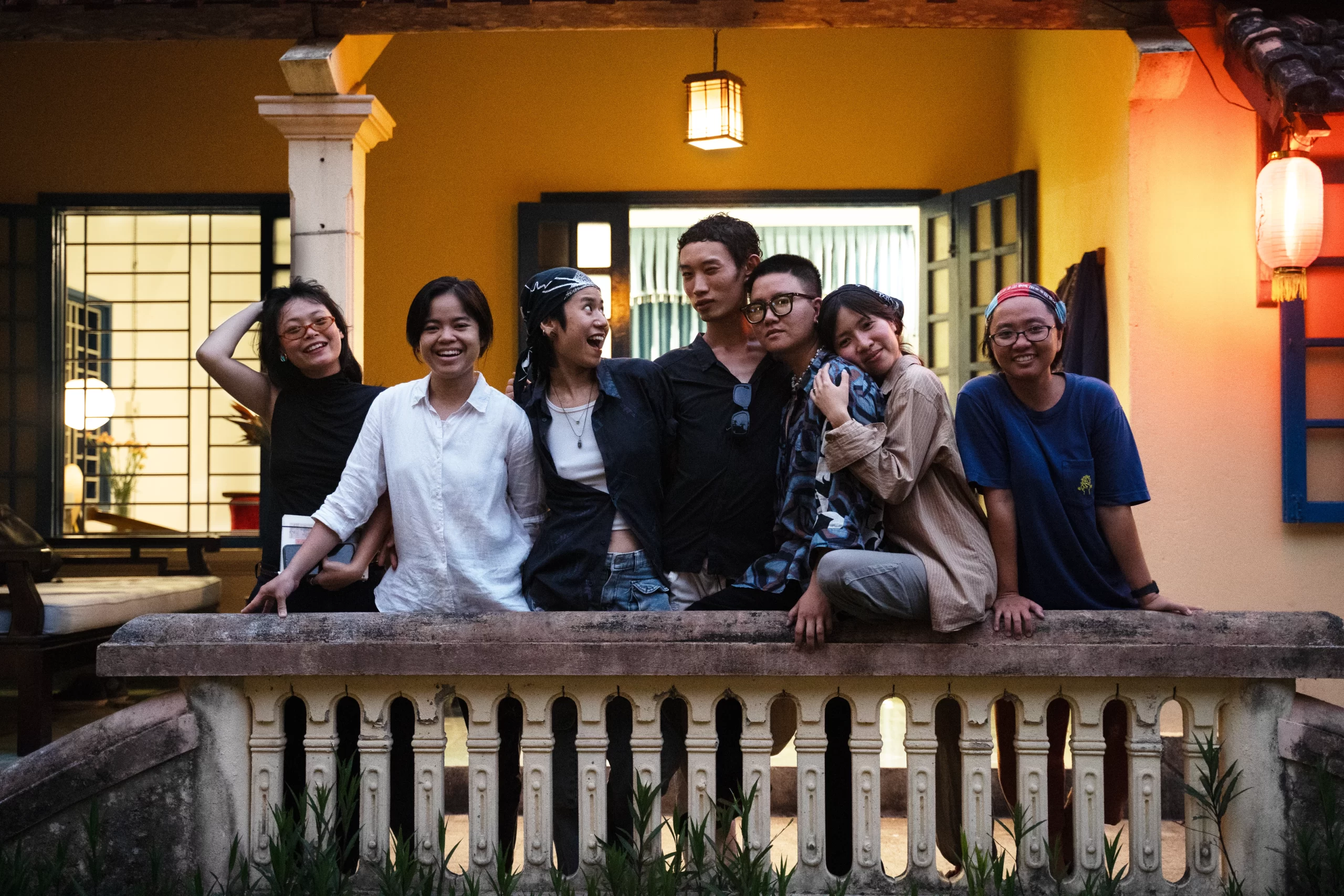
Before AirHue, Nu also co-founded Chao Chaosdowntown in Ho Chi Minh City. Compared to that model, how are you currently operating in terms of budget?
Nu: Financial planning depends a lot on how each programme is structured. It’s probably not something that gets talked about much, but economics are crucial for the sustainability of an art space.
Chao Chaosdowntown was built around an art hostel model. The profits from the hostel service for visitors were used to fund the monthly art exhibitions. At that time, Chao hosted two programs a month. This approach gave Chao more financial freedom, as it wasn’t too reliant on external funding. Looking back at the development of Chao’s artists, almost 10 years later, they’ve become key figures in their communities. For example, Xuan Ha, a co-founder of Chao, is also a co-founder of A Song. Recently, A Song took on the role of organising the No Cai Bum contemporary art festival in Da Nang.
AirHue is an independent residency space funded partly by a personal grant I received from MassMoca. However, this funding is limited and won’t be enough to sustain the space in the long run. That’s why, alongside our residency program prioritising young contemporary Vietnamese artists, AirHue will also launch a self-funded guest artist program in 2025. This program is open to artists from around the world who are eager to explore local culture and refine their practices, with no restrictions on the medium or discipline.
Of course, this financial plan comes with its own risks and uncertainties. To stand strong, no space can thrive in isolation – we need a community and an ecosystem that supports one another. In the near future, AirHue hopes to expand its network by collaborating with organisations, both public and private museums, and galleries. The goal is to bring artists’ works to a wider audience and connect them with collectors both within and beyond Hue.
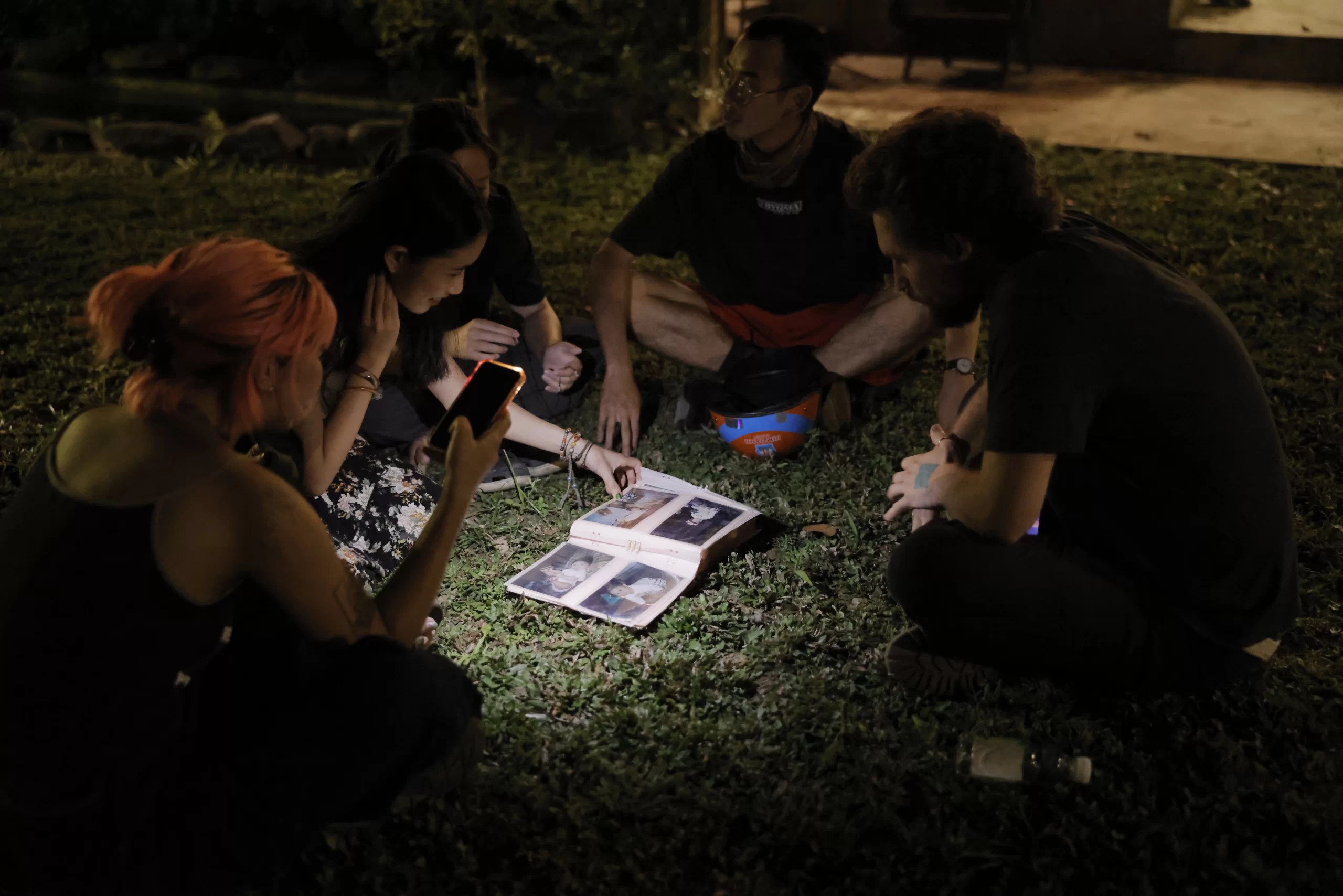
“To stand strong, no space can thrive in isolation – we need a community and an ecosystem that supports one another.”
What was it like for the team to work with the artists during the first season?
Ngoc: AirHue was lucky to encounter such a diverse range of personalities right in the first season of our residency program. Each artist chose a very different starting point for their creative process at AirHue. For instance, Tu maintained a certain distance from the materials to observe himself as he interacted with them, while Nhi and Danh dove straight in, headfirst. These choices made working with each artist a unique experience.
With Tu, we started with theoretical discussions, exploring contexts, subjects, possibilities, and actions. Before coming to Hue, Tu was known as a filmmaker and performer. Transitioning from those mediums to physical materials like wire mesh and silicone placed him in entirely new experiential conditions. In this unfamiliar territory, Tu was both deliberate and cautious – I mainly served to nudge him process forward.
In contrast, Nhi and Danh worked at a whirlwind pace. Their intuition was incredibly strong, and they fully committed themselves to it. The questions I posed to them were less about pushing and more about guiding – helping them smooth out edges and minimise friction or overwhelm. Despite their differences, what ties them together is a shared determination and bravery in their practices. I found that incredibly inspiring and learned a lot from them. Honestly, I think they’re amazing!
What challenges or difficulties have you encountered?
Nu: I think some challenges come from the fact that contemporary art is still very new in Hue, so reaching the public can be more difficult. If young people choose to pursue a life and education in the arts, they often head to Hanoi or Ho Chi Minh City. When talking with faculty from Hue University of Arts, I learned that only about 3–5 students graduate from the Fine Arts department each year. The central region is often called a “lowland area” because of its lack of funding resources and infrastructure for contemporary art.
Building a team to work alongside us has also been a challenge, but it’s simultaneously one of AirHue’s strengths. Most of the team members working at AirHue are artists themselves. For me, learning to work across disciplines in art is very important. Building AirHue is an investment in people. We’re continuing the efforts of Hue’s first generation of contemporary artists and contributing to the local art ecosystem.
Ngoc: Beyond those big-picture challenges, there are also the small daily troubles of living and working together. But isn’t that just part of the ups and downs of life?
Nu: Exactly!
What are the team’s upcoming plans?
Nu: Right now, AirHue is gearing up for the second season of our residency programme, and the team is really excited! We’re also starting to prepare for satellite events and building new partnerships for 2025. We can’t share too much just yet, but we hope for your interest, support, and continued attention!
Art Republik thanks AirHue for such thoughtful insights and hopes you continue to stay confident in the values you’ve set for AirHue!
Words: Trao